






How much protein do I need per day?
General guidance for active adults is 0.7–1.0 grams of protein per pound of body weight per day. For a 150-pound person, that is 105–150 grams daily. Most people eating a standard diet consume roughly half that. Spreading protein across all three meals — rather than eating most of it at dinner — is more effective for satiety and muscle maintenance. For personalized protein targets, consult a registered dietitian or your healthcare provider, as needs vary based on age, activity level, and health status.
What are the highest-protein foods for everyday cooking?
The highest-protein foods for practical everyday cooking are: chicken breast (~35g per 4oz), shrimp (~24g per 4oz), salmon (~25g per 4oz), ground turkey (~30g per 4oz), eggs (~6g per egg), fat-free Greek yogurt (~20g per cup), fat-free cottage cheese (~25g per cup), and chickpea or lentil pasta (~14g per 2oz dry serving). Building meals from combinations of these ingredients makes hitting high protein targets straightforward without needing supplements or protein powders.
What are the best high-protein dinners for two people?
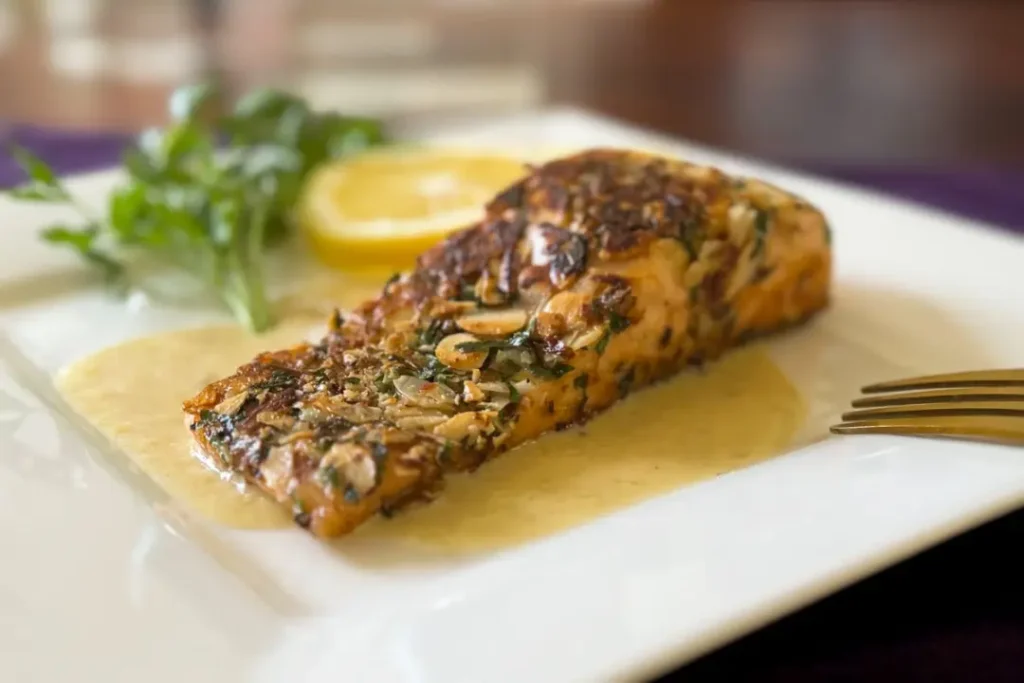
The best high-protein dinners for two combine a lean protein anchor with protein-boosting ingredients. Top picks on My Curated Tastes: Teriyaki Salmon Bowls (~49g protein), Boursin Pasta with Shrimp (50g+ protein), and High Protein Pasta (30g+ protein). All three are on the table in under 45 minutes and scaled perfectly for two servings.
Can pasta be high in protein?
Yes — when you use a legume-based pasta. Chickpea pasta and lentil pasta contain 12–14 grams of protein per dry serving, compared to 7–8 grams in regular pasta. They cook the same way, taste similar once sauced, and have the added benefit of more fiber. My Boursin Pasta with Shrimp and High Protein Pasta both use chickpea pasta as the base, which is why they deliver such impressive protein counts per serving.
What is the best high-protein breakfast to stay full all morning?
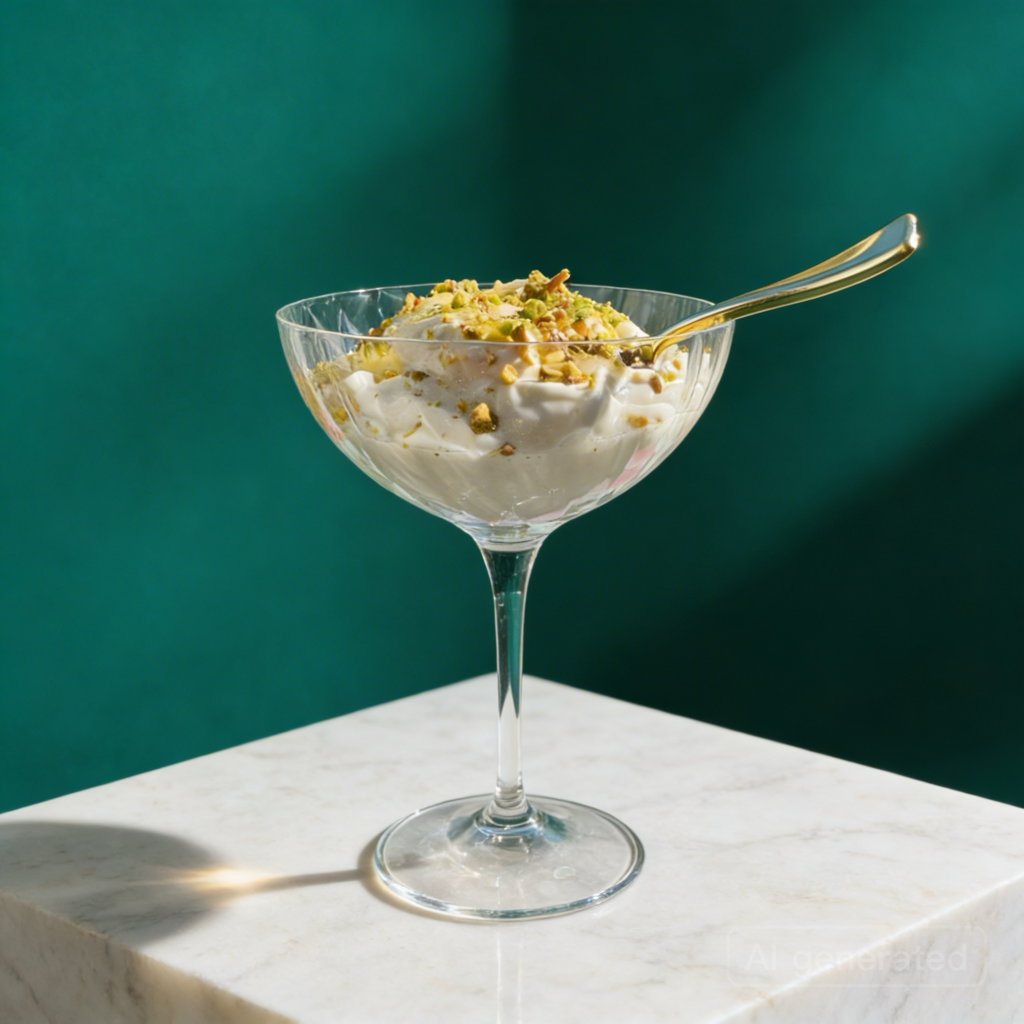
The most effective high-protein breakfasts combine two protein sources and aim for 25–35 grams. My top recommendations: High Protein Overnight Oats (25–35g depending on toppings, made the night before), High Protein Waffles Made with Chicken (chicken + egg + cheese in the waffle itself), and Whipped Greek Yogurt with Honey with pistachios added for a fast, no-cook option. A protein-rich breakfast is the single most effective tool for eliminating mid-morning snacking.
Is Greek yogurt really that good a source of protein?
Fat-free plain Greek yogurt delivers approximately 20 grams of protein per cup — a genuinely impressive ratio of protein to calories. It is also a complete protein containing all nine essential amino acids. The key is using fat-free plain Greek yogurt rather than flavored varieties, which often have added sugar that dilutes the nutritional benefit. I use Fage fat-free as my personal preference for taste and consistency. Greek yogurt works in savory applications (sauces, dips, dressings, marinades), sweet applications (parfaits, desserts, overnight oats), and as a direct swap for sour cream or heavy cream in many recipes.
How do you get enough protein without eating meat at every meal?
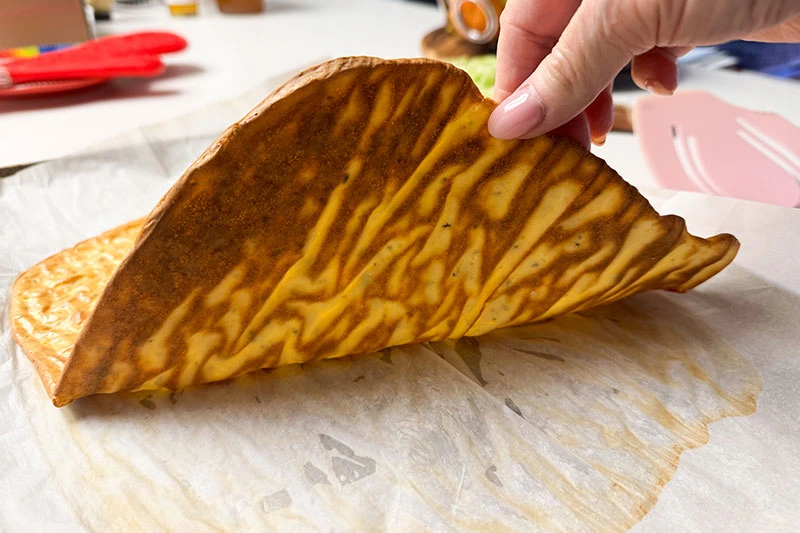
Plant proteins are more abundant than most people realize. Fat-free cottage cheese (~25g per cup), fat-free Greek yogurt (~20g per cup), eggs (~6g each), chickpea pasta (~14g per serving dry), edamame (~9g per half cup), and lentils (~9g per half cup) all deliver meaningful protein without meat. Combining plant proteins across a meal — beans and eggs, yogurt and nuts, legume pasta and cheese — achieves a complete amino acid profile. My Greek Five Layer Dip, Cottage Cheese Flatbread, and High Protein Overnight Oats are all meat-free and meaningfully high in protein.
Does eating more protein really reduce snacking?
In my personal experience — and supported by research — yes, substantially. Protein suppresses the hunger hormone ghrelin and stimulates satiety hormones (peptide YY, GLP-1) more effectively than carbohydrates or fat. It also stabilizes blood sugar, preventing the crashes that trigger hunger and cravings between meals. The days I start with a high-protein breakfast and eat a protein-anchored lunch, I am rarely hungry before dinner. The days I eat carbohydrate-heavy meals, the snacking starts within an hour of finishing. This is the most consistent pattern I have observed in my own body over years of paying close attention to how different foods make me feel.
What is the easiest way to add protein to meals without changing the recipe?
The easiest protein boosts that require virtually no recipe changes: swap regular pasta for chickpea pasta (same cooking, 6–7 more grams per serving), stir blended fat-free cottage cheese into any creamy sauce (adds 12–25 grams per cup used, undetectable in flavor), add a handful of nuts or seeds to any salad or grain bowl (adds 5–10 grams), use fat-free Greek yogurt wherever sour cream or cream is called for (adds protein while reducing saturated fat), and add a second protein source to dishes that have only one (shrimp to pasta, edamame to a salmon bowl, white beans to a soup).
Can high-protein desserts actually taste good?
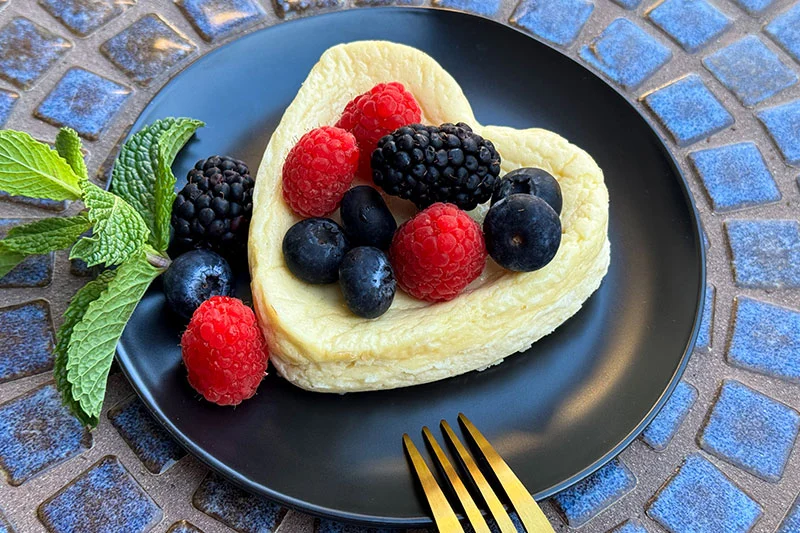
Absolutely — and this is one of my favorite areas to develop recipes in. The secret is building desserts from naturally protein-rich bases: blended cottage cheese, fat-free Greek yogurt, eggs, and nuts. My Healthy Cheesecake for Two is made from cottage cheese and Greek yogurt and tastes like the real thing. My Sugar-Free Chocolate Protein Truffles taste like indulgent chocolate candy. And my Healthy Date Pistachio Energy Bites are nature’s candy with a protein hit from pistachios and almonds. High-protein desserts done well are not a consolation prize — they are genuinely delicious.
What are the best high-protein foods that are also low in saturated fat?
The best sources of protein that are also low in saturated fat: skinless chicken breast, ground turkey (99% fat-free), shrimp, most white fish, scallops, egg whites, fat-free Greek yogurt, fat-free cottage cheese, beans and lentils, and most seafood. These are the ingredients I reach for most on this site because they allow you to build genuinely high-protein meals while keeping saturated fat — and Weight Watchers points — manageable. Red meat and full-fat dairy are higher in saturated fat but still have a place in a balanced diet eaten mindfully and in reasonable portions.
How do I build a high-protein meal plan for two people?
The most sustainable high-protein meal plan for two follows a loose weekly framework: protein-rich breakfasts made ahead (overnight oats, yogurt parfaits, egg-based dishes prepped Sunday); quick protein anchors for dinner each night (seafood one night, poultry the next, protein pasta mid-week, a grain bowl built from Sunday prep); and high-protein snacks on hand for the moments between meals (cottage cheese truffles, energy bites, Greek yogurt). Stocking your kitchen with the right pantry staples — frozen shrimp, chickpea pasta, Greek yogurt, cottage cheese, eggs — makes this effortless because high-protein meals become the path of least resistance.