Add Us As A Trusted Google Source
 Low-Point WW Breakfast Recipes
»

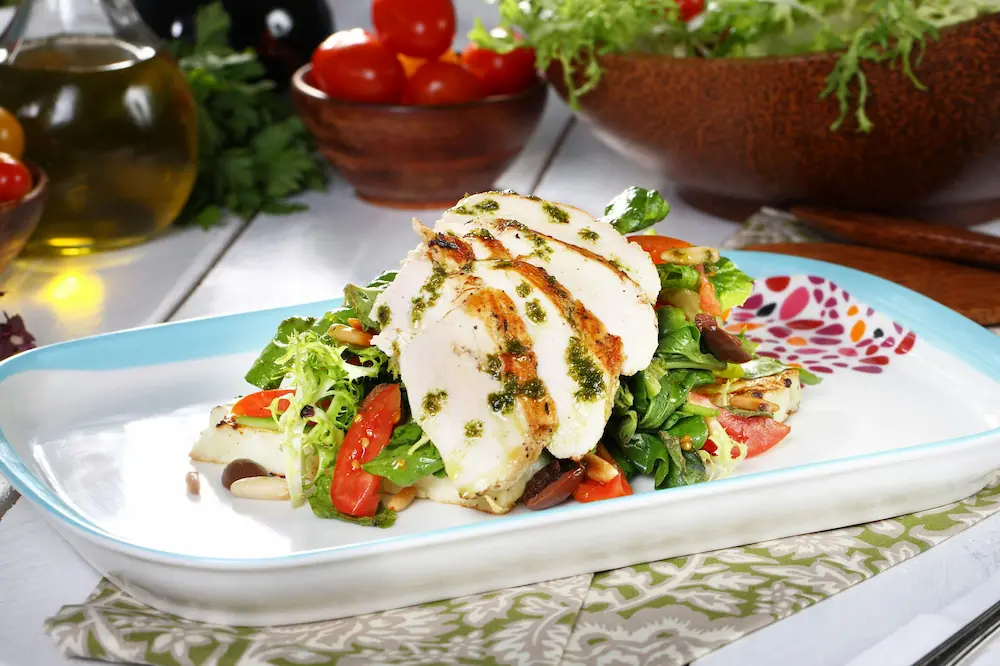
Eight high-protein salad recipes from this site sized for exactly two people — organized from quickest to most show-stopping. Here is what makes this collection different from collections online:
Let me say something that no salad roundup says directly: most salads are not meals. They are vegetables with dressing. They satisfy the eye, check the ‘eating healthy’ box, and then leave you reaching for crackers an hour later because the protein content was essentially zero and your body responded accordingly. It took me years to figure out what I was doing wrong…lol. I’d eat a salad for lunch and I was starving by 3pm. Forget about an afternoon snack, I needed dinner. Adding protein to my lunch solved the problem.
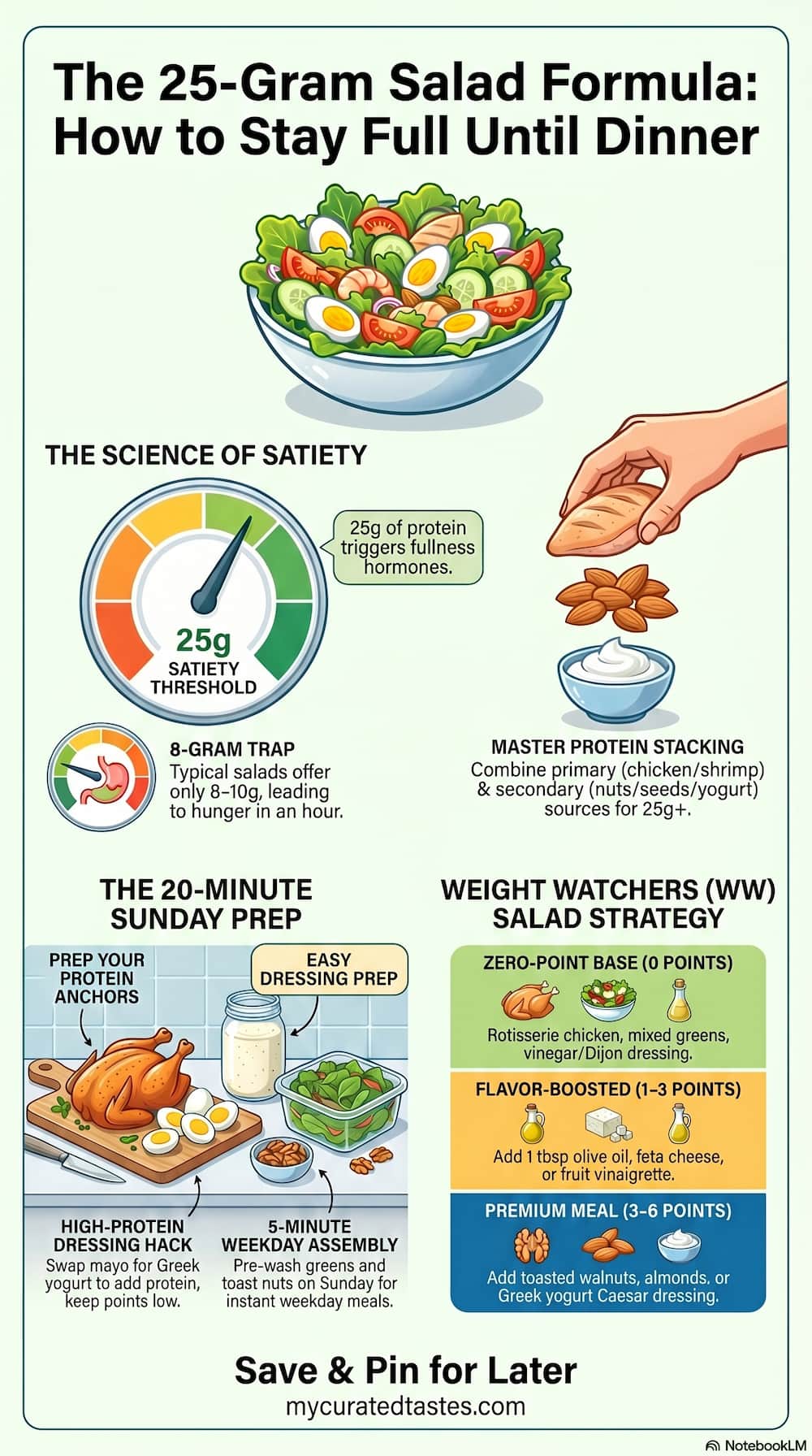
The research backs this up. A study published in the Journal of the Academy of Nutrition and Dietetics found that protein is the macronutrient most strongly associated with satiety and reduced subsequent caloric intake. A salad delivering 8–10 grams of protein — typical for ‘healthy’ restaurant salads — produces minimal satiety response. A salad delivering 25–30 grams of protein triggers meaningful satiety hormone release and carries most people cleanly from lunch to dinner. The difference between these two outcomes is not the salad. It is the protein content.
I have been building protein-forward salads for two people in my Southern California kitchen for over a decade — both because I love salad as a category and because WW rewards high-protein eating with genuinely satisfying meals at minimal points. Not to mention, that whole “eat the rainbow” thing is easy to accomplish in one veggie and fruit rich salad. The collection below represents the eight salads I make most consistently: every one delivers 20–30+ grams of protein, every one is sized for two people, and every one is genuinely beautiful on the plate. And be sure to check out my high-protein lunch recipes for two – 11 more recipes that pack in the protein.
For the complete high-protein recipe collection, visit the High-Protein Recipes Guide. For the WW-friendly approach to every recipe on this site, see the WW-Friendly Recipes Guide. For the two-person cooking framework, see the Complete Guide to Cooking for Two.
High-protein salads are not simply salads with chicken on top. They are architecturally designed to combine multiple protein sources that collectively reach the 25g+ threshold that produces genuine satiety. Here is the formula:
Layer 1 — Primary Protein (15–25g): The anchor. Rotisserie chicken, grilled chicken, shrimp, scallops, hard-boiled eggs, or prawns. This is the protein that carries the most weight numerically.
Layer 2 — Secondary Protein (5–10g): The booster. Feta cheese (4g per oz), walnuts or almonds (4–6g per oz), pignoli nuts (4g per oz), hard-boiled egg added to a chicken salad (6g), or chickpeas (7g per ½ cup). Throw on a tablespoon (or two) of my Everything Bagel Seasoning PLUS, and you are adding even more with hemp, flax and chia seeds. This layer pushes the total above the 25g threshold without duplicating the primary protein.
Layer 3 — Protein-Boosted Dressing (2–5g): The hidden protein. Greek yogurt-based dressings contribute 2–5 grams of protein per serving — something no traditional oil-and-vinegar dressing achieves. The Caesar dressing in the Healthy Creamy Chicken Caesar Salad, the Greek yogurt component in the Apricot Chicken Salad dressing — these add meaningful protein at essentially zero points.
Layer 4 — Zero-Point Volume (0g protein, maximum satiety volume): Romaine, mixed greens, arugula, spinach, cucumber, cherry tomatoes, bell pepper — the vegetables that make the salad a full bowl without adding points. These do not contribute meaningful protein, but they contribute the fiber and volume that support satiety alongside the protein layers.
| Protein Source | Protein per Serving | WW Points |
|---|---|---|
| Rotisserie chicken (4 oz stripped) | 25–30g | 0 points |
| Grilled chicken breast (4 oz) | 26–28g | 0 points |
| Shrimp (4 oz cooked, chilled) | 24g | 0 points |
| Prawns (4 oz) | 22g | 0 points |
| Hard-boiled eggs (2) | 12g | 0 points |
| Feta cheese (1 oz) | 4g | 1–2 points |
| Walnuts (1 oz) | 4g | 4–5 points |
| Almonds (1 oz) | 6g | 4–5 points |
| Chickpeas (½ cup) | 7g | 0 points (most plans) |
| Greek yogurt dressing (2 tbsp) | 2–4g | 0–1 point |
| Anchovy paste (1 tsp, in dressing) | 2g | 0 points |
| Everything Bagel Seasoning Plus (1 tbsp) | 2–3g (hemp + chia + flax) | 0 points — plus omega-3s |
Dressing is where most WW salads go wrong — not because salad dressing is inherently high-point, but because it is the most undertracked element of any salad. Two tablespoons of a typical restaurant Caesar dressing adds 5–8 points. The same amount of a Greek yogurt Caesar base adds 0–1 point and delivers more protein. Here is the complete dressing framework:
Greek yogurt base (replaces mayonnaise and sour cream): Fat-free Greek yogurt as the creamy foundation for any thick dressing — Caesar, ranch, green goddess, tzatziki-style. Zero points for the yogurt. Adds 2–4 grams of protein per serving. The flavor is almost identical to mayo-based dressings when properly seasoned. Just mix fat-free Greek yogurt, with red wine vinegar, extra virgin olive oil, garlic, fresh herbs, and salt and pepper, and you are ready to go. No recipe needed.
Vinaigrette base (oil + acid, zero to 2 points): Extra virgin olive oil (1 tsp = 1 point) emulsified with lemon juice, red wine vinegar, balsamic vinegar, or apple cider vinegar (all zero points). Add Dijon mustard (zero points), garlic (zero points), fresh or dried herbs (zero points), and honey (1 point per tsp if using). A classic vinaigrette at 1–2 points per serving is the most points-efficient dressing available.
Sugar-free jam vinaigrette (zero to 1 point): A tablespoon of sugar-free fruit jam whisked with vinegar, a small amount of olive oil, salt, and pepper. The Blackberry Chicken Salad uses this technique — the jam provides sweetness and a slight thickening effect at essentially zero points. Don’t miss my sugar free raspberry jam recipe which is also packed with chia seeds for more protein – YOWZA!
| Store-Bought Dressing | WW-Smarter Alternative |
|---|---|
| Caesar (5–8 points per 2 tbsp) | Greek yogurt Caesar from the Healthy Chicken Caesar Salad recipe — 0 points |
| Ranch (4–6 points per 2 tbsp) | Greek yogurt + dill + garlic + lemon — 0 points |
| Balsamic vinaigrette (2–4 points) | Balsamic + Dijon + garlic + ½ tsp olive oil — 1 point |
| Creamy Italian (4–6 points) | Red wine vinegar + Italian seasoning + Dijon + pinch of feta — 1 point |
| Honey mustard (3–5 points) | Dijon + apple cider vinegar + sugar-free maple syrup — 0 points |
| Green goddess (4–6 points) | Greek yogurt + fresh herbs + lemon + garlic — 0 points |
The difference between a salad that happens and a salad that does not happen is almost always about Sunday preparation. With these seven components prepped in advance, every salad in this collection assembles in five minutes on any weekday.
Total Sunday salad prep time: 20–25 minutes active. Weekday payoff: every salad in this collection is 5 minutes of assembly — rotisserie chicken, cooked shrimp, Sunday dressing, toasted nuts, washed greens, and Everything Bagel Seasoning Plus all ready to grab. For the complete Sunday prep system, see the Meal Planning for Two guide.
The WW salad strategy is simple: build lunch around a zero-point protein base over zero-point greens with a low-point or zero-point dressing. Reserve the higher-point add-ons (nuts, cheese, avocado) for the days when the budget allows. Here is the tier system:
For all zero-point WW recipes that pair as salad components: Zero-Point Recipes for Two. For the WW weekly plan that integrates these salad lunches with the dinner strategy: WW-Friendly Meal Plan for Two — 7 Days.
Organized by category. Every recipe is from My Curated Tastes, sized for two servings, and verified to deliver 20g+ protein per person.
Four chicken salads that represent four completely different flavor profiles — all using rotisserie chicken as the zero-point protein foundation, all delivering 25–30g protein per serving.
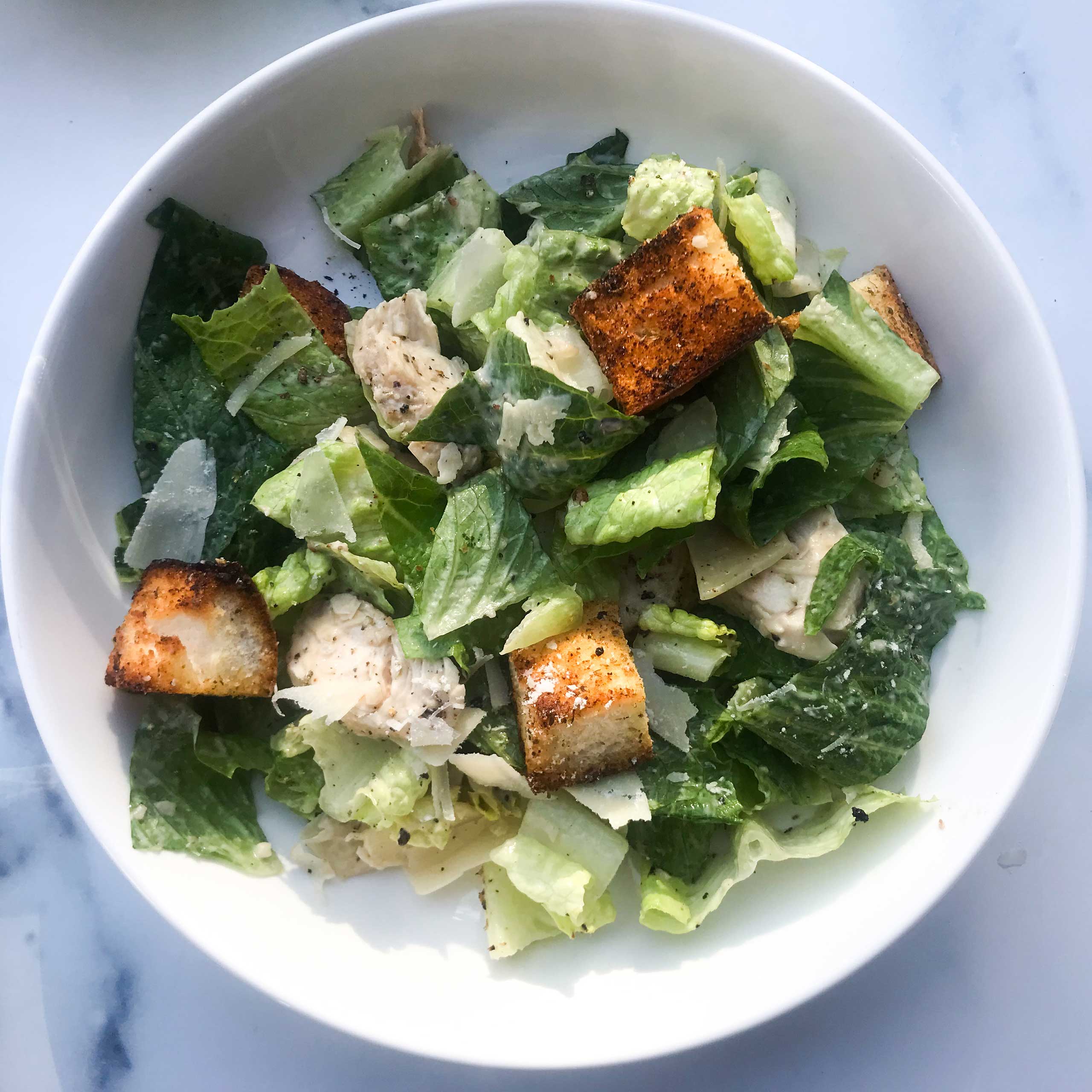
⏱ 20 minutes (5 min with pre-prepped chicken) | 🥩 30g+ per serving | ⭐ WW: 3–5 points
The Caesar salad fully reimagined for WW without compromising a single element. A Greek yogurt-based dressing — creamy, garlicky, with anchovy paste and Dijon — coats crisp romaine (with the tough inner core removed, as Diane always does for the best texture) and rotisserie chicken. Parmesan appears twice: grated into the dressing for depth, shaved over the top for visual drama and maximum cheese impact at minimal points. The dressing can be made in double batches and used all week. This is the salad that makes people reconsider whether WW-friendly food can also be genuinely restaurant-quality. It can. This one is.
💡 Salad Tip: Remove the tough core from large romaine leaves with a paring knife before chopping — it makes an enormous texture difference. Make the dressing in a jar and double the batch: it keeps four days in the fridge and transforms any protein-over-greens combination into a Caesar.

⏱ 20 minutes (5 min with rotisserie chicken) | 🥩 28g+ per serving | ⭐ WW: 2–4 points
The most visually beautiful salad in this collection — and the one that converts the most salad skeptics. Rotisserie chicken over a mix of spinach, arugula, and iceberg (Diane’s signature mix — iceberg adds crunch and hydration that elevate any salad, and she is unrepentant about using it) with fresh blackberries, avocado, cucumber, feta, and walnuts, dressed with a sugar-free blackberry jam vinaigrette. The fresh blackberries are genuinely extraordinary here — their slightly tart, deep sweetness against the savory chicken and creamy feta is a combination that sounds simple and tastes complex. Make the vinaigrette in a jar on Sunday and use it all week.
💡 Salad Tip: Diane’s salad mix secret: combine spinach, arugula, and iceberg in a 2:1:1 ratio. The spinach provides nutrition and tender texture, the arugula provides peppery bite, and the iceberg provides the satisfying crunch and hydration that makes the salad feel genuinely substantial.
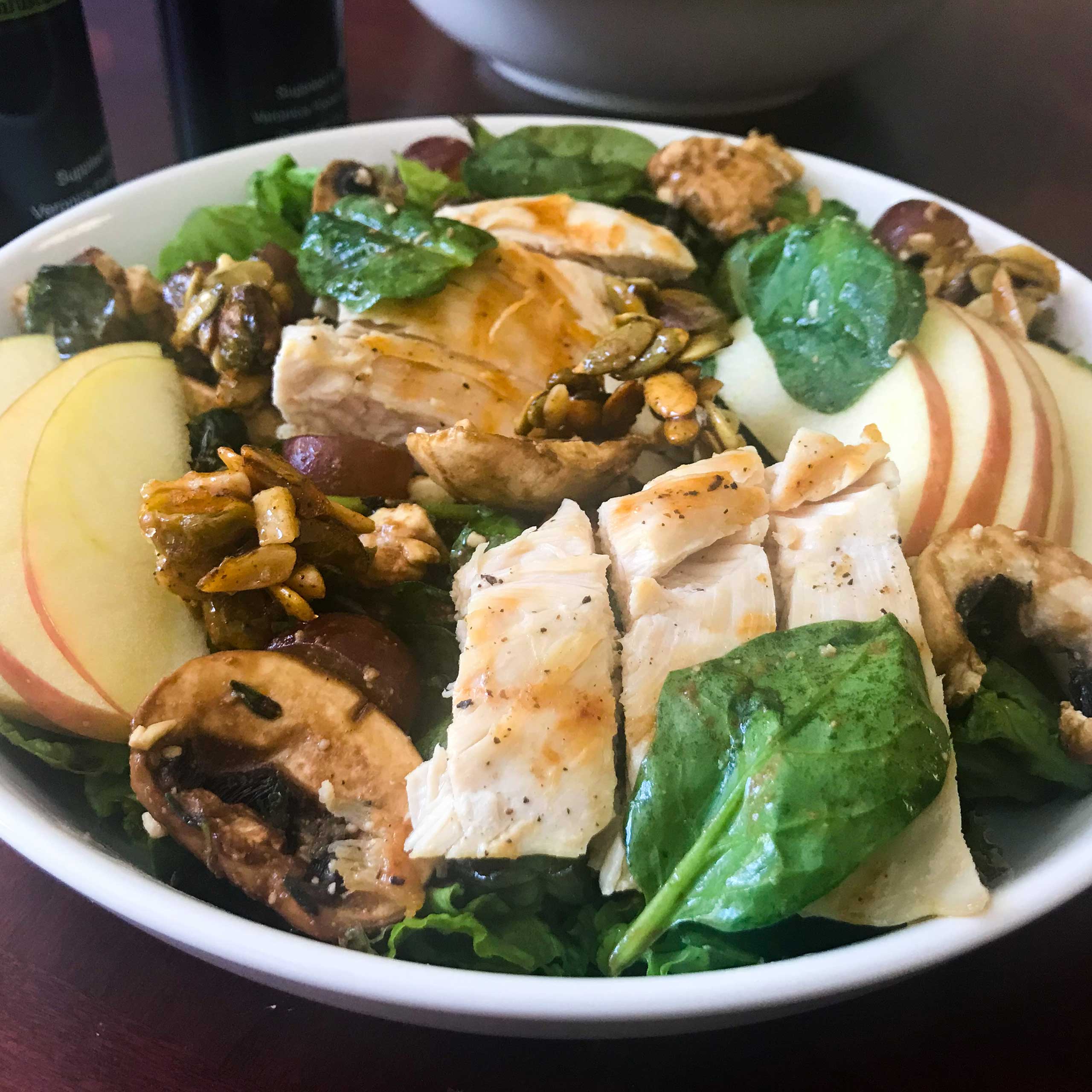
⏱ 20 minutes (5 min with pre-made clusters) | 🥩 28g+ per serving | ⭐ WW: 3–5 points
The chicken salad that converts people who think they do not like chicken salad. Rotisserie chicken over mixed greens with crisp red apple slices, homemade honey nut clusters, and a simple dressing that lets the apple and nut flavors lead. The nut clusters add the crunchy, toasted, subtly sweet element that elevates this from functional to genuinely memorable. The apple provides natural sweetness that eliminates any need for sugary dressing. This is the salad that works in every season — there is always a good red apple available — and it consistently earns the ‘what is this?’ reaction from anyone who tries it for the first time.
💡 Salad Tip: Make a batch of the honey nut clusters Sunday and store in an airtight container at room temperature — they keep a week and transform any salad. They also work as a standalone snack or dessert topping.

⏱ 20 minutes (5 min with rotisserie chicken) | 🥩 28g+ per serving | ⭐ WW: 3–5 points
One of the most unexpectedly wonderful salads on this site — and the one that earns the most ‘what is that flavor?’ reactions. Rotisserie chicken tossed with fresh dill, dried apricots, celery, slivered almonds, and a light dressing built on olive oil and balsamic vinegar. The apricot-dill pairing is one of those combinations that sounds unusual until you taste it — then it seems completely inevitable and permanently addictive. Serve in butter lettuce cups (always doubled for structural integrity, as Diane notes) or over mixed greens. Make it at least 30 minutes before eating — overnight in the fridge is even better, as the olive oil and balsamic penetrate the chicken and the flavors marry into something far more complex.
💡 Salad Tip: Let the salad sit refrigerated for at least 30 minutes before serving — overnight is ideal. This is one of the rare salads that is demonstrably better on day two than day one. The dried apricots plump slightly in the dressing and the dill flavor deepens.
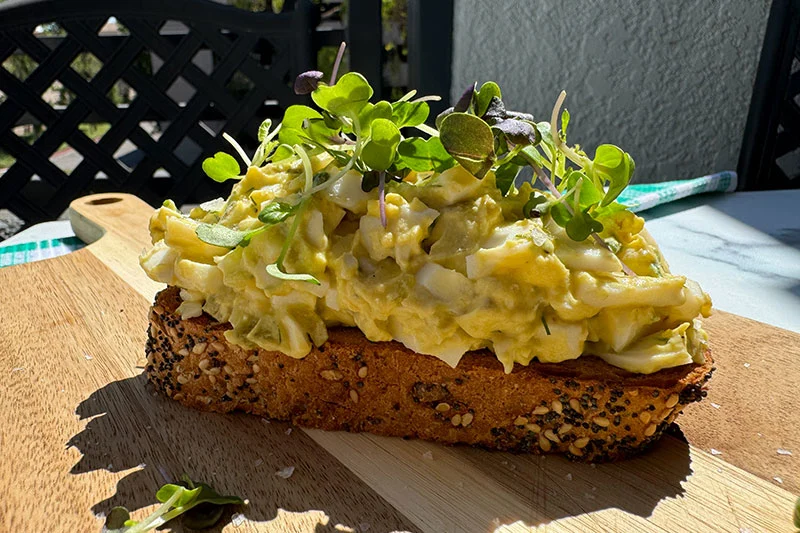
⏱ 10 minutes (with pre-boiled eggs) | 🥩 18g+ per serving | ⭐ WW: 2–4 points
The egg salad that earns its place in the high-protein salad collection not just for nutrition but for genuinely extraordinary flavor. Hard-boiled eggs with a base of smashed avocado (replacing most of the traditional mayonnaise), two types of pickles, pickle juice, Dijon, relish, chives, and fresh dill. The avocado provides creaminess and healthy fats at lower points than mayo; the pickle-dill combination provides the bright, tangy flavor that makes this memorable rather than functional. Served on toasted bread, in lettuce cups, or with crackers. With Sunday-prepped eggs, this takes ten minutes and delivers 18+ grams of protein at essentially zero points.
💡 Salad Tip: Chop the egg whites and smash the yolks separately — combine yolks with the avocado base first for a creamy, uniform texture, then fold in the chopped whites for textural interest. Keeping some larger white chunks makes the finished salad look and feel more substantial.
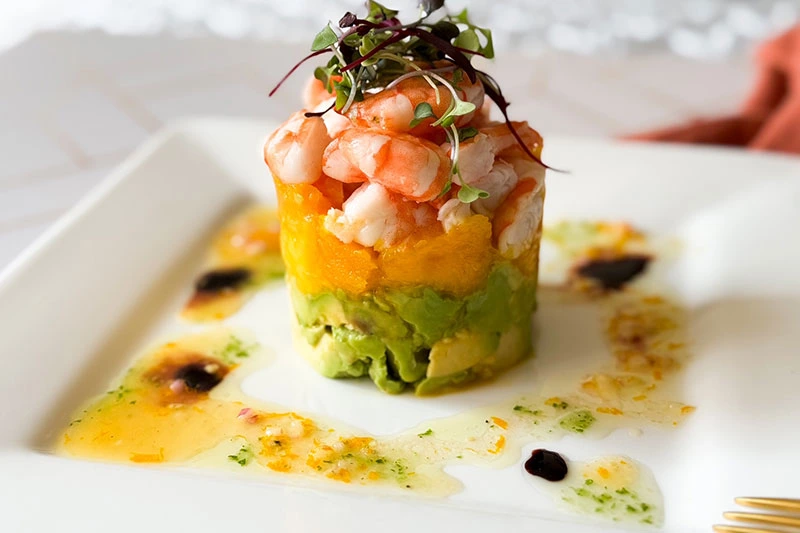
⏱ 30 minutes active (dressings day before) | 🥩 22g+ per serving | ⭐ WW: 4–6 points
The most visually spectacular salad on this site — and a recipe that makes the case for salad as a genuine special-occasion dish. Perfectly cooked prawns, ripe mango, and creamy avocado stacked using a ring mold into a tower, then finished with three separately made dressings: an orange vinaigrette, a basil oil, and a pomegranate balsamic reduction. On the plate it looks like professional restaurant plating — the colors of the mango and avocado against the pink prawns, the glossy reduction pooled around the base. Make all three dressings the day before and night-of assembly takes five minutes. This is the salad that signals: tonight is different.
💡 Salad Tip: Make all three dressings up to two days in advance. The ring mold is the only equipment needed for the professional presentation — any 3-inch ring mold or a cleaned, open-ended can produces the same result.
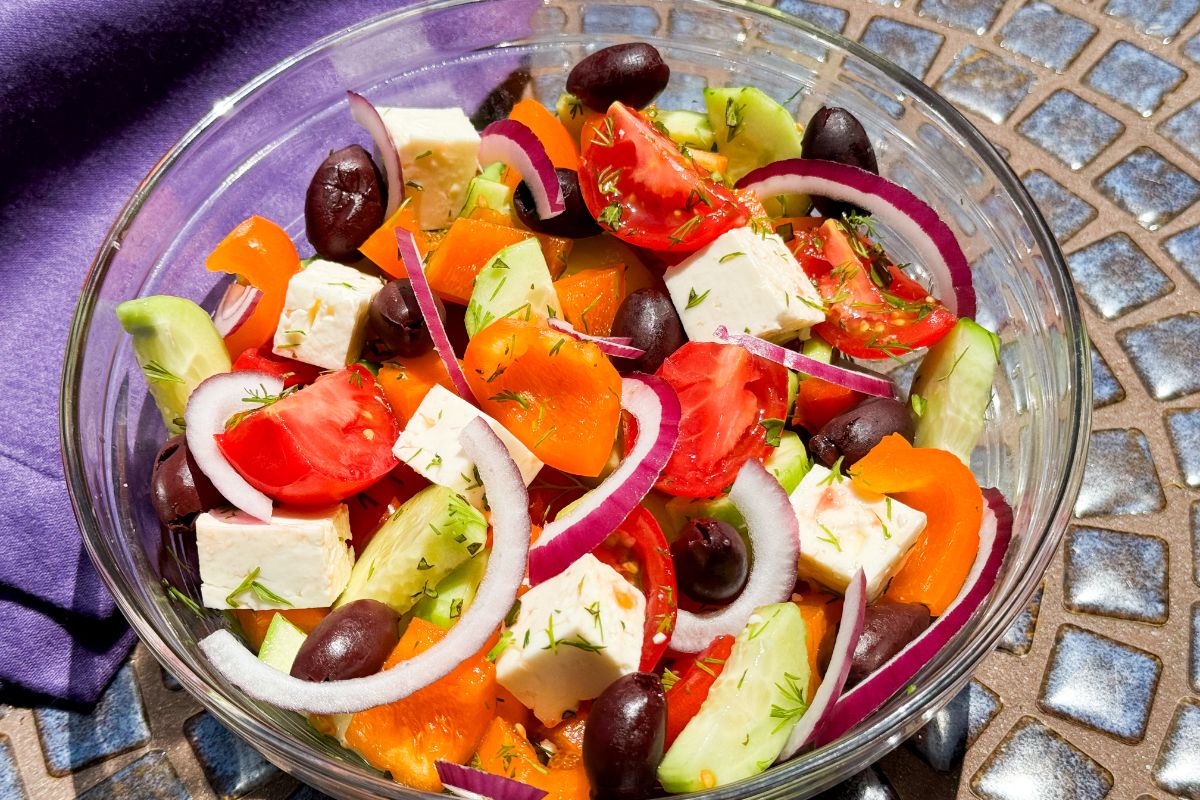
⏱ 15 minutes | 🥩 8g base (25g+ with chicken) | ⭐ WW: 2–4 points base (0–2 points with added rotisserie chicken)
The authentic Greek village salad — no lettuce, as tradition demands — built on tomatoes, cucumbers, red onion, bell pepper, Kalamata olives, and a generous slab of authentic feta in brine. Dressed simply with extra virgin olive oil, red wine vinegar, and dried oregano. To reach the 25g+ protein target, add four ounces of rotisserie chicken (zero points, zero cooking) directly on top — this transforms a beautiful side salad into a complete high-protein lunch without changing anything about the original recipe. The salad improves for two days in the fridge — the vegetables absorb the olive oil and vinegar and become slightly more complex each day.
💡 Salad Tip: Authentic PDO feta in a block from the brine is a completely different product from dry-crumbled domestic feta. Buy the block, slice it, and serve a generous slab rather than crumbles — this is how the Greeks do it and the texture and flavor difference is significant.

⏱ 15 minutes assembly | 🥩 25g+ per serving (with chicken) | ⭐ WW: 1–3 points
The assembly-only high-protein salad for the days when there is genuinely no time to cook anything. Chopped Greek salad — cucumber, tomato, red onion, Kalamata olives, feta — served in gem lettuce cups with four ounces of stripped rotisserie chicken added to reach the 25g+ protein target. The lettuce cup format makes this feel like a restaurant first course rather than a desk lunch. Gem lettuce (found at Sprouts) provides the most structurally reliable cups — stack two per serving for stability. Dress with red wine vinegar, a touch of olive oil, and dried oregano. This is the five-minute lunch that requires nothing except a fridge stocked with Sunday-prepped chicken and pre-washed vegetables.
💡 Salad Tip: Baby Gem lettuce makes the most stable cups — always use two or three leaves stacked per wrap for structural integrity. Regular butter lettuce also works but tears more easily. For the most elegant presentation, arrange on a platter rather than individual plates.
This formula works with any combination of ingredients in your fridge. Master it and you never need a recipe for a weekday salad again:
Part 1 — Zero-point greens base: Romaine, mixed greens, arugula, spinach, or iceberg (or a combination). As much as you want. Zero points.
Part 2 — Primary protein (15–25g): Rotisserie chicken, grilled chicken, cooked chilled shrimp, prawns, hard-boiled eggs, or canned tuna. Zero points. Any of these prepped Sunday means zero cooking at lunchtime.
Part 3 — Secondary protein or texture (5–10g): Feta (1–2 points), walnuts or almonds (3–5 points), chickpeas (0 points), another hard-boiled egg (0 points), pignoli nuts (3–4 points), or a tablespoon of Everything Bagel Seasoning Plus (0 points, 2–3g protein from hemp and chia plus omega-3s from flax).
Part 4 — Zero-point vegetables and fruit: Cherry tomatoes, cucumber, red onion, bell pepper, fresh berries, apple slices, avocado (1–2 points for ¼). Anything that adds color, texture, and nutrition.
Part 5 — Low-point dressing: Greek yogurt Caesar (0 points), sugar-free jam vinaigrette (0–1 point), red wine vinegar and Dijon (0 points), or lemon juice and olive oil (1 point per tsp olive oil).
The best high-protein salads for two combine a zero-point protein anchor with secondary protein sources and a low-point dressing to reach the 25g+ threshold that produces genuine satiety. Top picks from this site: Healthy Creamy Chicken Caesar Salad for Two (30g+ protein, 3–5 WW points, 20 minutes), Blackberry Chicken Salad for Two (28g+, visually stunning, 2–4 points), Apricot Chicken Salad with Dill (28g+, the best flavor combination in the collection), Prawn, Mango and Avocado Salad Stacks (22g+, the most spectacular presentation, 4–6 points), and Red Apple and Chicken Salad with Nut Clusters (28g+, works in every season, 3–5 points). All use rotisserie chicken as a zero-point, zero-cooking-required protein foundation — which is also why all five are five-minute assembly lunches when the chicken is prepped Sunday.
Research published in the Journal of the Academy of Nutrition and Dietetics found that 25 grams of protein per meal is the threshold at which meaningful satiety hormone release is triggered — specifically the hormones peptide YY and GLP-1 that signal fullness to the brain. Below 20 grams, the satiety response is minimal and hunger returns relatively quickly. Above 25 grams, the response is sustained and most adults feel satisfied for 3–5 hours. The practical benchmark: aim for 25g minimum in any salad intended as a complete lunch or dinner. This requires intentional protein stacking — combining a primary protein source (chicken, shrimp, eggs) with secondary sources (nuts, cheese, chickpeas, Greek yogurt in the dressing) rather than relying on a single protein type.
The most WW-effective high-protein salad dressings are Greek yogurt-based — they add 2–5 grams of protein per serving at zero to one point while providing the same creaminess as mayo-based dressings. The Healthy Creamy Chicken Caesar Salad on this site demonstrates this technique: Greek yogurt with anchovy paste, Dijon, garlic, lemon juice, and Parmesan creates a Caesar dressing that is genuinely indistinguishable from the traditional version at a fraction of the points. For vinaigrette-style dressings, red wine vinegar and Dijon at zero points is the base, with one teaspoon of olive oil adding one point of healthy fat. Sugar-free fruit jam whisked into a vinaigrette (used in the Blackberry Chicken Salad) adds sweetness and body at essentially zero points. The complete dressing guide with point estimates is in the dressing section of this post.
The four elements that transform a salad from a side dish to a complete meal for two: First, adequate protein — 25g+ per person using the Protein Stacking Formula described in this post. Second, healthy fat — a small amount of olive oil in the dressing, avocado, or nuts provides the fat that triggers satiety and helps with absorption of fat-soluble vitamins from the vegetables. Third, fiber — dark leafy greens, non-starchy vegetables, and legumes (if using chickpeas) provide the fiber that slows digestion and extends fullness. Fourth, portion size — a complete meal salad should fill a large dinner plate or a wide, deep bowl. The volume of greens and vegetables should be substantial — at least 2–3 cups per person before adding the protein and toppings. The recipes in this collection meet all four criteria and are explicitly sized for two complete meal servings.
Yes — with one critical rule: dress the salad components separately and combine just before eating. Every salad in this collection is designed for advance preparation of the components: the chicken is prepped Sunday, the dressings keep 3–4 days, the nut clusters keep a week, and the chopped vegetables keep 2–3 days. What does not store well is a dressed salad — once greens are dressed, they wilt within hours and the texture degrades significantly. For the best make-ahead system: store greens, protein, toppings, and dressing in separate containers; combine and dress immediately before eating. Following this system, every salad in this collection is a five-minute assembly at lunchtime rather than a cooking project.
The Healthy Creamy Chicken Caesar Salad for Two on this site achieves the highest protein total for a rotisserie chicken-based salad: four ounces of stripped rotisserie chicken (25–30g) plus the protein contribution from the Greek yogurt Caesar dressing (3–4g) plus Parmesan (2g) equals approximately 30–36g of protein total. To push even higher, add one hard-boiled egg (6g additional) for a 36–42g total — making this a 40g protein salad bowl at 4–6 WW points. The secondary protein technique — adding a hard-boiled egg, a tablespoon of Greek yogurt to the dressing, or a serving of chickpeas alongside any rotisserie chicken salad — is the most reliable way to push any chicken salad from 25g to 35g+ without changing the fundamental character of the recipe. The complete rotisserie chicken planned-over system — where one Sunday chicken provides protein for four different salads Monday through Thursday — is detailed in the Meal Planning for Two guide.
The most common reason a chicken salad does not produce adequate satiety is that the chicken quantity is insufficient to reach the 25g protein threshold. A typical restaurant salad adds two to three ounces of chicken — which delivers 12–18 grams of protein. That is better than no chicken, but it falls below the 25g threshold at which meaningful satiety hormone release is triggered. The fix: use four ounces of chicken per person (the weight of a palm-sized portion), and add a secondary protein source to push the total above 25g. The second common reason: the dressing contains minimal fat, which means the salad provides protein but not the fat-triggered satiety signals that complete the fullness picture. One teaspoon of good olive oil in the dressing (one point) or one ounce of walnuts (four to five points) adds the fat component that makes the satiety response complete and lasting.
The salads that consistently satisfy both the health-focused cook and the partner who ‘does not really like salad’ have three things in common: substantial protein that makes the salad feel like a meal rather than a side dish, a genuinely delicious dressing that provides flavor without the ‘diet food’ quality of plain vinegar and zero oil, and texture contrasts that make eating the salad physically interesting. The Blackberry Chicken Salad and the Red Apple and Chicken Salad with Nut Clusters consistently convert salad skeptics because the texture combinations — creamy avocado against crunchy clusters, crisp apple against tender chicken, sweet berries against salty feta — make every bite different from the last. The Healthy Creamy Chicken Caesar works for salad skeptics because the Greek yogurt Caesar dressing tastes like a ‘real’ Caesar to anyone who does not know the difference. For the partner who genuinely resists salad, serve it as the opener before a more substantial main course rather than as the only meal — the Date Night Dinners for Two guide pairs the Prawn, Mango and Avocado Salad Stacks as a first course before a more elaborate dinner.
The salad that keeps you full until dinner is not a secret. It is not a proprietary superfood combination or a specific brand of protein powder. It is a bowl with 25 grams of protein, thoughtfully combined from multiple sources, dressed with something genuinely delicious, and built large enough to satisfy physically as well as nutritionally.
Every recipe in this collection hits that mark. Start with the Apricot Chicken Salad — it is the most consistently surprising and the one most people do not expect to love as much as they do. Make the dressing on Sunday. Put the chicken in the fridge. Lunch on Monday takes five minutes and keeps you full until 6pm. That is the whole system.
For the complete high-protein recipe collection: High-Protein Recipes Guide. For high-protein lunch recipes that include these salads: High-Protein Lunch Recipes for Two. For high-protein snacks to bridge the gap: High-Protein Snacks — What I Reach For Most. For high-protein dinners: 30 Grams of Protein Dinners for Two.

Hi! I’m Diane. I started this site as a passion project. I love to cook, entertain, travel and laugh. (Who doesn’t love a good laugh?) Of course, being from New York, sarcasm rules!
More About Diane
mycuratedtastes@gmail.com