





What does WW-friendly mean in a recipe?
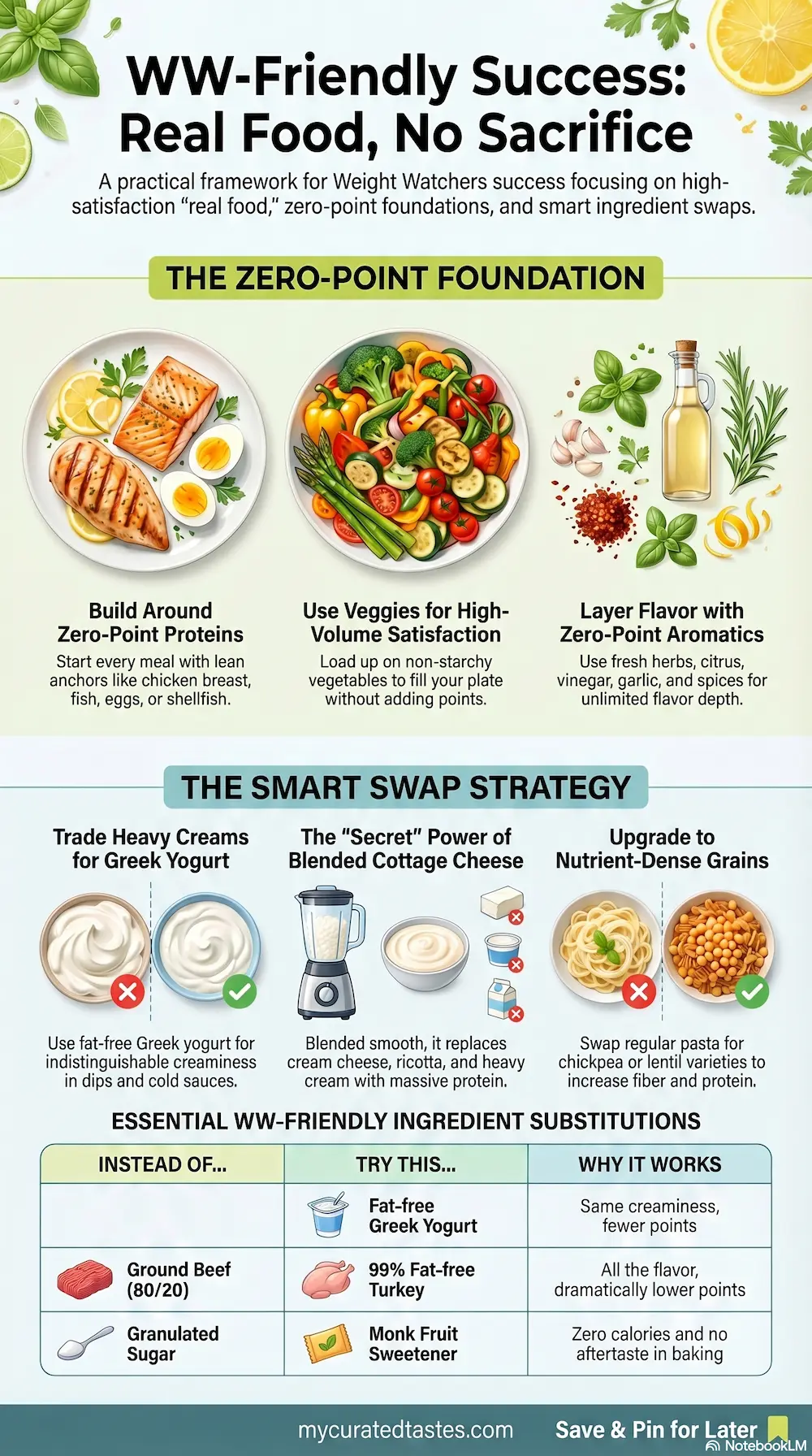
A WW-friendly recipe is one that is built with Weight Watchers point values in mind — typically emphasizing lean proteins, non-starchy vegetables, and smart ingredient swaps that reduce saturated fat and added sugar. WW-friendly does not mean flavorless or unsatisfying. It means the recipe is designed to deliver maximum flavor and satisfaction for the fewest possible points. All recipes on My Curated Tastes are developed with this philosophy in mind.
What are the best zero-point foods on Weight Watchers?
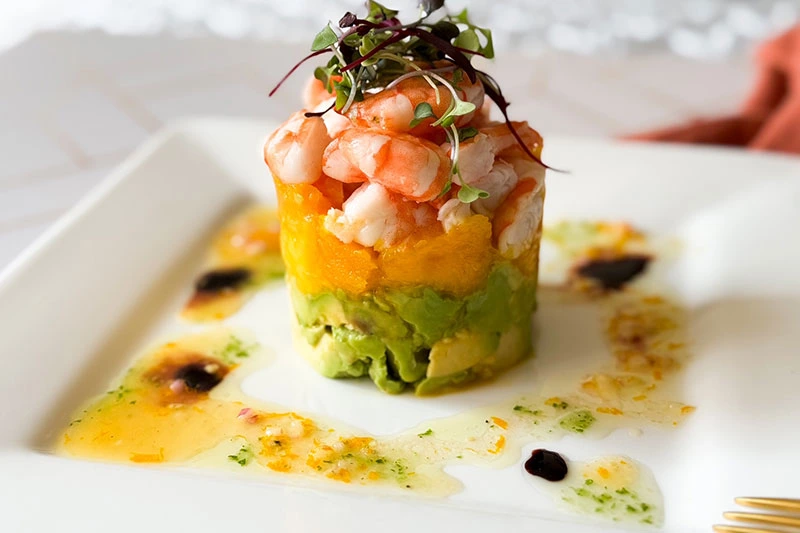
Zero-point foods vary slightly depending on your individual WW plan, but typically include: skinless chicken and turkey breast, fish and shellfish (including shrimp, salmon, tuna, and scallops), eggs, fat-free plain Greek yogurt, fat-free cottage cheese, all non-starchy vegetables, most fruits, and beans and legumes. These are the foods I build every meal around on this site. Always verify zero-point foods in your personal WW app as lists change with program updates.
How do you make WW-friendly recipes that don’t taste like diet food?
The key is building flavor using zero-point ingredients — fresh herbs, citrus, garlic, vinegar, spices, mustard, and miso cost nothing in points but add enormous complexity to a dish. Smart swaps (Greek yogurt for cream, blended cottage cheese for cream cheese) maintain richness and creaminess. And spending your points intentionally on high-impact ingredients — a sprinkle of real Parmesan, a drizzle of good olive oil, a small amount of quality cheese — makes a dish feel genuinely indulgent rather than like a compromise.
Can I follow WW and still cook real food?
Absolutely — and this is the entire philosophy behind My Curated Tastes. I am a lifetime WW member who has never believed in diet food. Every recipe on this site is real food, cooked properly, with smart choices built in from the start. The goal is not to trick yourself into thinking you are eating something you are not. The goal is to cook genuinely delicious food that happens to be thoughtfully constructed for your health goals.
What is the best WW-friendly pasta recipe?
The best WW pasta strategy is to use a high-protein pasta (made from chickpeas or lentils) which has more fiber and protein than regular pasta, making it more filling and sometimes fewer points. Pair it with a sauce built on lean protein and vegetables rather than heavy cream and cheese. My High Protein Pasta uses chickpea pasta with a blended cottage cheese sauce and ground turkey — 30+ grams of protein per serving and genuinely creamy and delicious.
How many WW points is a typical dinner?
A well-constructed WW dinner built on lean protein and vegetables can easily come in at 3–8 points per serving, leaving room in your daily budget for breakfast, lunch, and snacks. More indulgent dinners — those with pasta, sauces, or wine — typically run 8–15 points. The goal is balance across the day, not minimizing every individual meal. Point values vary by individual WW plan; always track using your personal WW app.
What are the best WW-friendly desserts?
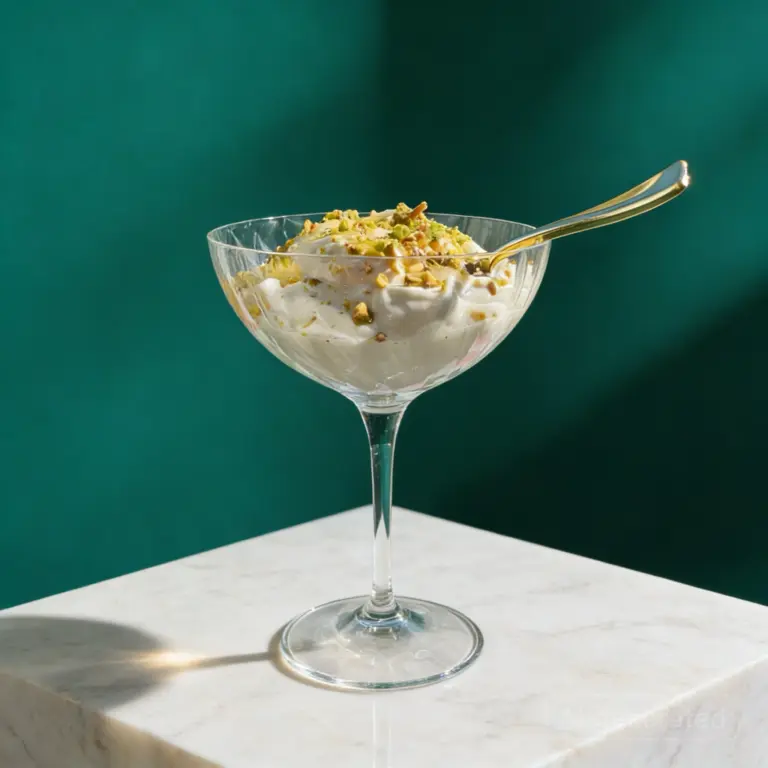
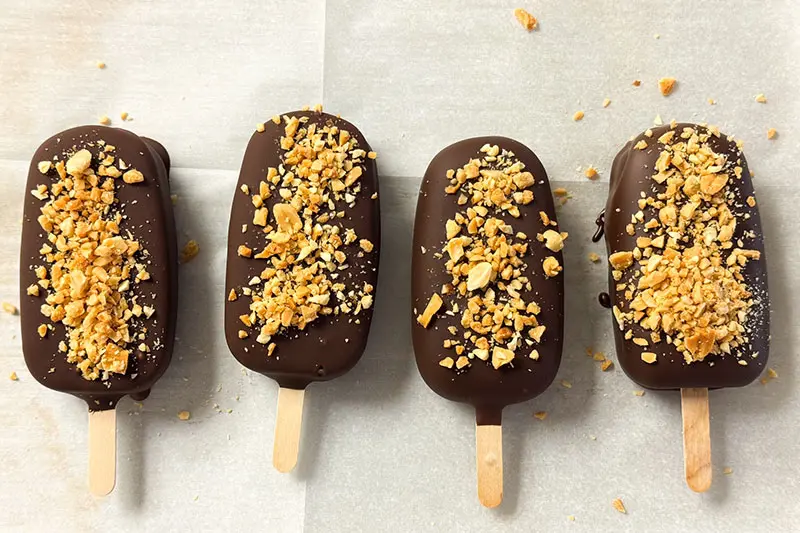
The best WW-friendly desserts are built on zero-point ingredients — Greek yogurt, egg whites, fruit — with monk fruit sweetener instead of sugar. My favorites on this site: Sugar-Free Meringue Cookies (zero points), Healthy Cheesecake for Two (low points, tastes indulgent), and Sugar-Free Chocolate Protein Truffles (2 points, completely satisfies chocolate cravings).
Is Greek yogurt really a good substitute for sour cream and cream?
Yes — fat-free plain Greek yogurt is one of the most versatile WW substitutions you can make. It is virtually indistinguishable from sour cream in cold applications (dips, toppings, dressings). In warm applications (sauces, soups), add it off the heat at the end to prevent curdling. For cream, it creates the same richness when blended — it just needs a minute to incorporate into the sauce. It is higher in protein, lower in saturated fat, and negligibly different in taste.
How do I handle eating out while on WW?
Restaurant eating on WW is absolutely manageable with a few habits: scan the menu in advance when possible; choose a lean protein as your anchor; ask for sauces, dressings, and butter on the side; and decide before you sit down whether your extra points are going to wine, dessert, or an appetizer — not all three. I also always eat a small zero-point snack before a restaurant dinner so I am not arriving hungry and making impulsive choices.
Can I cook WW-friendly meals for someone who is not on WW?
This is my life, and the answer is a resounding yes. My husband is not on WW and is not tracking points. He eats everything I make, without modification, and is always satisfied. The meals on this site are not labeled as diet food because they do not taste like diet food. A lean chicken dinner with a vibrant pan sauce and roasted vegetables is just a great dinner — it happens to also be very friendly to a WW budget. Cook with confidence; nobody at your table needs to know.
How has WW changed over the years?
WW has undergone dramatic changes since its founding — from the original exchanges system, to traditional points, to SmartPoints (which penalized sugar and saturated fat more heavily), to Freestyle (which introduced a large zero-point foods list), to PersonalPoints (which individualized point values), to the current program. As a member who has been through all of these changes, my observation is that the fundamental philosophy has always been sound: no food is forbidden, volume and quality matter, and building sustainable habits beats short-term restriction every time. The program mechanics change; the philosophy endures.