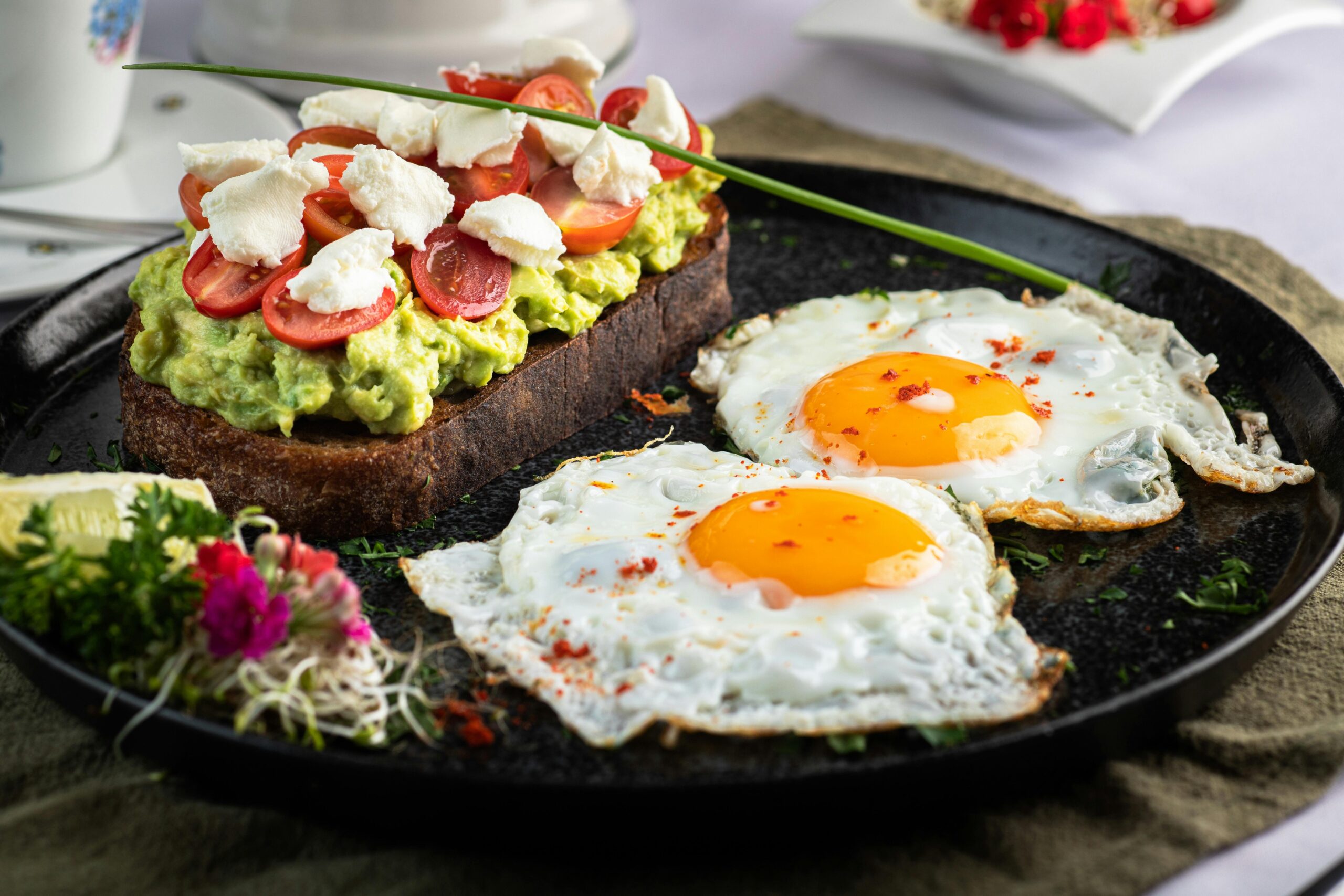
high protein breakfast.

 Quick Summary — What You Will Find in This Post

This is a curated collection of the 10 best high-protein breakfasts specifically sized for two people — with protein counts, WW context, and honest notes on prep time. Here is what makes this list different from every other high-protein breakfast roundup:
  • Every recipe is sized for exactly two servings — no scaling, no math, no waste
  • Every recipe delivers 20 grams of protein per serving minimum — most hit 25–35g
  • Every recipe includes a WW-friendly angle — because protein and points are not mutually exclusive
  • Sweet options AND savory options — because not everyone wants eggs every morning
  • Make-ahead options — because weekday mornings are real
  • A complete high-protein breakfast ingredient guide — the building blocks behind every recipe
  • The science of why 25–30g at breakfast matters more than at any other meal
  • FAQ section answering the most-searched breakfast protein questions including the WW-specific angle nobody else covers

Why Breakfast Protein Is the Meal That Matters Most

I did not always care about protein at breakfast. For years, my morning routine looked like coffee, maybe some toast, and a mental note to ‘be healthier later.’ And later was when the snacking started — standing in front of the refrigerator at 10am wondering why I was hungry again two hours after eating.

The shift happened when I started paying attention to the days I felt genuinely satisfied all morning versus the days I did not. The difference was almost always the same: the mornings I started with a protein-forward meal, I worked for hours without thinking about food. The mornings I started with carbohydrates alone (you know; a bagel with cream cheese, a donut, etc.), I was grazing by mid-morning and had already consumed an unplanned 200 calories before I even made lunch.

The science backs this up completely. A study published in the Journal of Nutrition found that evenly distributing protein across meals — about 30 grams at breakfast, lunch, and dinner — produced 25% greater muscle protein synthesis over 24 hours compared to the typical pattern of skimping at breakfast and loading up at dinner, even when total daily protein was identical. The timing matters. And breakfast is where most people are leaving the biggest gap.

For those of us cooking for two, there is an additional layer: every recipe in every high-protein breakfast roundup on the internet seems to serve four, six, or twelve people. I want two portions. I want them to be genuinely delicious, genuinely high in protein, and genuinely manageable on a weekday morning. That is what this collection is. For the complete picture of how I approach high-protein eating throughout the day, visit my High-Protein Recipes Guide. And if you are also cooking with Weight Watchers in mind, check my WW-Friendly Recipes Guide — because a high-protein breakfast can absolutely be both.

PRO TIP:

My confession:

I am so focused on getting in protein and making sure it is evenly distributed during the day that if I am really rushed, and can’t figure out how to spend even 5 minutes on a healthy, protein rich breakfast, I’ll grab a protein shake.  That’s right…a no cook, no stress option for me is to grab a shake a go.  I’m a food blogger and I make fast and easy recipes, but yes, in a pinch, this is my go-to option which is better than skipping a meal.

Want to share this infographic?

Download the Image Now or Copy and Paste the code below!

The High-Protein Breakfast Ingredient Guide — Your Building Blocks

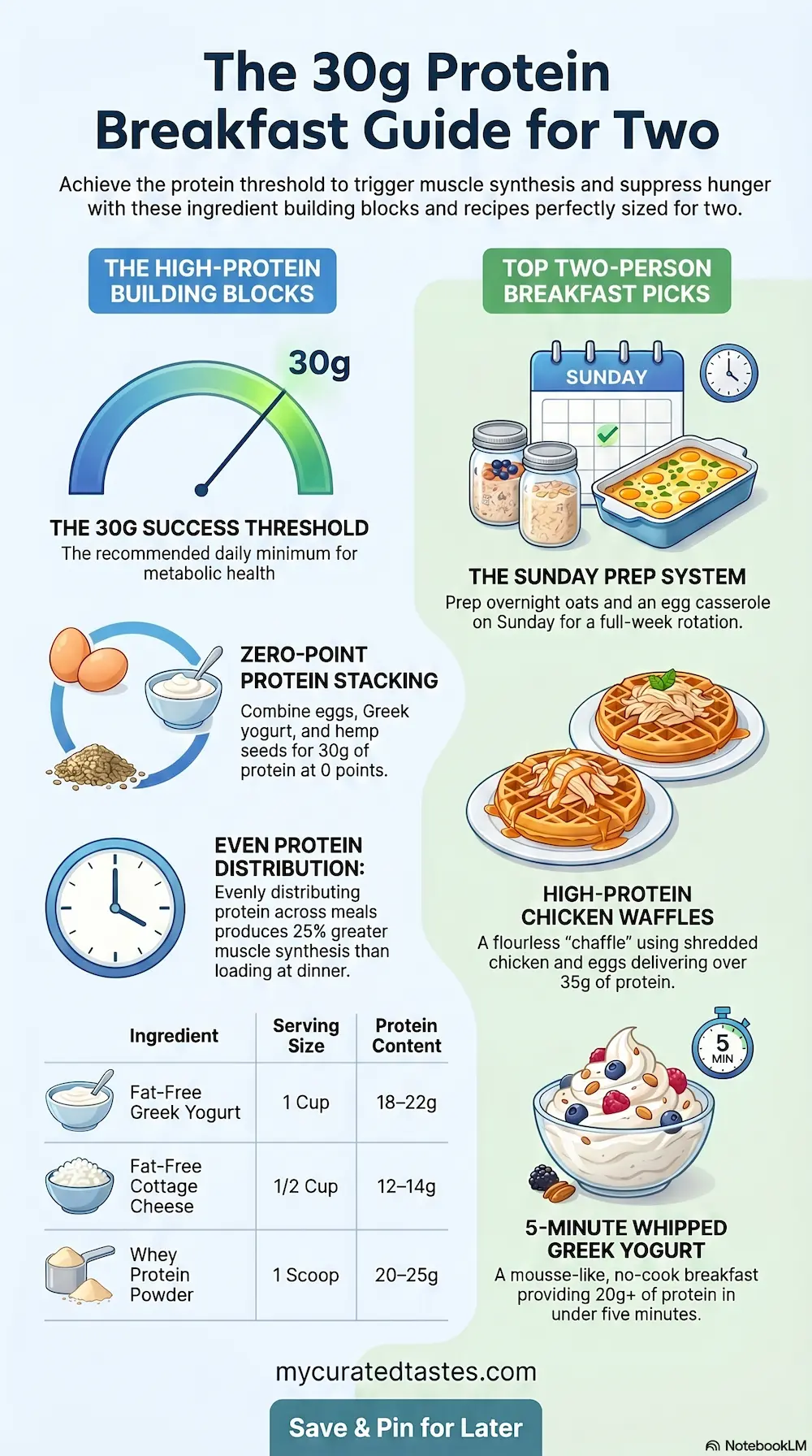
Before the recipes, the ingredients. These are the high-protein breakfast staples I reach for constantly. Knowing these numbers makes it easy to build a 25–30g breakfast from whatever you have on hand, without needing to follow a specific recipe.

IngredientServing SizeProteinWW Points (Est.)
Fat-Free Greek Yogurt1 Cup18-22g0
Fat-Free Cottage Cheese1/2 Cup12-14g0
Large Eggs2 Eggs12g0
Liquid Egg Whites1/2 Cup13g0
Whey Protein Powder1 Scoop20-25g2-3
Hemp Seeds3 Tbsp10g3

The insight from this table: Greek yogurt, cottage cheese, eggs, and protein powder are your highest-protein-per-point building blocks on WW. Stack two or three of them and you hit 30g before you add anything else. That is the architecture behind almost every recipe in this collection.

The 10 Best High-Protein Breakfasts for Two — With Protein Counts and WW Context

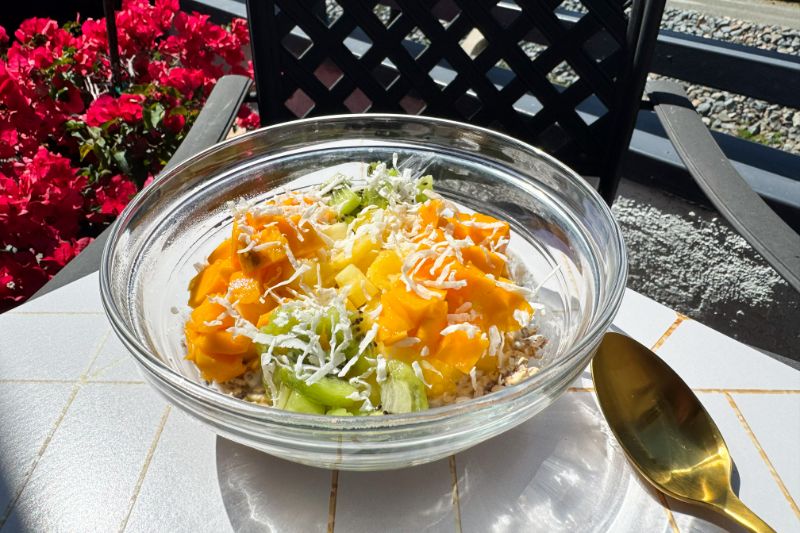
tropical high protein overnight oats.

1. High-Protein Overnight Oats

🥚 Protein: 30g+ per serving   ⏱ Time: 5 minutes active (overnight rest)   👥 Serves: 2

This is the breakfast I make most often — and for good reason. Prepped in five minutes the night before, ready to grab from the fridge on a rushed weekday morning, and endlessly customizable in flavor. The base is old-fashioned oats with a combination of fat-free Greek yogurt, blended cottage cheese, chia seeds, hemp seeds, and protein powder. Individually, each ingredient contributes protein. Together they create a bowl that holds you until lunch without question. I have made over a dozen flavor variations — PB&J, Tropical, Chocolate Hazelnut, Apple Pie, Strawberry Cheesecake, Almond Joy — and they are all in the post.

⭐ WW angle: Zero or near-zero points with fat-free Greek yogurt and cottage cheese base. Add protein powder to hit 30g without adding points.

The thing that makes my overnight oats different from every other version you will find: I use a combination of fat-free Greek yogurt AND blended cottage cheese in the base rather than choosing one or the other. The Greek yogurt provides tang and creaminess. The blended cottage cheese adds body and a significant protein boost without any detectable texture or taste. Together they deliver nearly 25g of protein before the protein powder even goes in. If you are dairy-sensitive, you can use a high-protein plant milk and skip the yogurt — but you will need to increase the protein powder portion to compensate.

plate of heart-shaped vanilla protein waffles.

2. Vanilla Protein Waffles for Two

🥚 Protein: 25g+ per serving   ⏱ Time: 15 minutes   👥 Serves: 2

These are proper waffles — crispy on the outside, fluffy inside — not the sad rubbery protein-powder-only versions that give high-protein baking a bad name. The base is Kodiak Cakes Power Mix (already protein-enriched whole grain) boosted further with vanilla whey protein powder and chia seeds for omega-3s and additional protein. I make them in my Dash waffle maker which produces exactly the right size for two people with zero leftover batter. Top with fresh berries and sugar-free maple syrup and you have a weekend brunch that feels completely indulgent while delivering 25+ grams of protein per serving.

⭐ WW angle: Made with Kodiak Power Mix (higher points but substantial protein). For lower points, reduce Kodiak and increase protein powder.

The WW note on these: Kodiak mix is higher in points than plain oats because of the whole grain flour content, but it is one of the smartest points investments in my kitchen because of what you get in return — substantial protein, excellent texture, and a breakfast that genuinely satisfies. I look at it as planned points spending rather than points wasting. Know your budget, spend it on what earns the most satiety, and these waffles earn it.

cottage cheese pancakes.

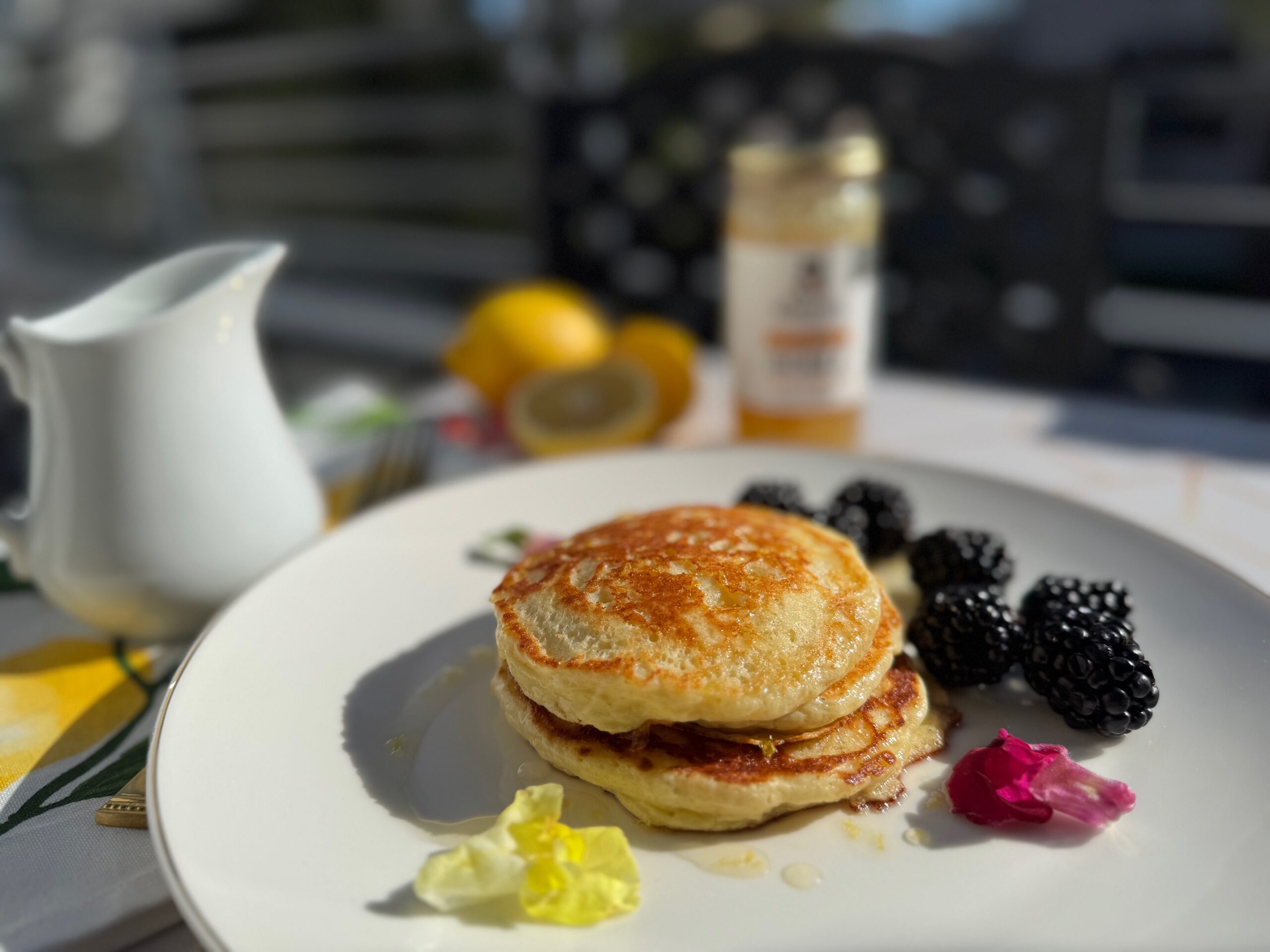
3. Cottage Cheese Pancakes

🥚 Protein: 24g per serving   ⏱ Time: 15 minutes   👥 Serves: 2

Twenty-four grams of protein per serving from a pancake. Without protein powder. Using just cottage cheese, eggs, and a small amount of flour. I know this sounds too good to be true and I was skeptical myself until I made them the first time. The cottage cheese completely blends into the batter — no lumps, no texture, no taste — and what you get is a pancake with crispy edges, a soft and fluffy interior, and a melt-in-your-mouth creamy center that you will not believe is not full of butter and cream. These have become a weekend staple in my house.

⭐ WW angle: Made primarily with cottage cheese and eggs — extremely low points for the protein delivered. One of the best protein-per-point breakfast options on the site.

stack of pancakes with bananas, almonds and syrup.

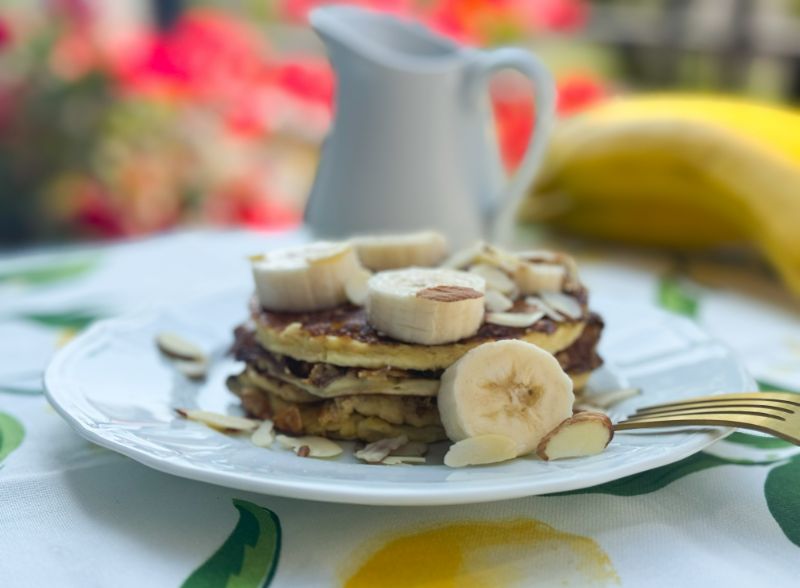
4. Almond Flour Pancakes

🥚 Protein: 22g+ per serving   Time: 20 minutes   👥 Serves: 2

A completely different animal from the cottage cheese pancakes — gluten-free, with a nuttier flavor and slightly denser texture from the almond flour. Protein comes from three sources: the almond flour itself (6g per quarter cup), the eggs, and the cottage cheese blended into the batter. Top with sliced bananas, toasted almonds, and sugar-free maple syrup for a breakfast that hits 22+ grams of protein and tastes like something you would order at a weekend restaurant.

WW angle: Gluten-free, low-carb friendly. Almond flour adds healthy fats and protein. Points will vary — estimate 4–6 points per serving depending on toppings.

Whipped Greek Yogurt with Honey.

5. Whipped Greek Yogurt with Honey

🥚 Protein: 20g+ per serving   ⏱ Time: 5 minutes   👥 Serves: 2

The quickest high-protein breakfast in this collection — five minutes, no cooking, and a result that looks and tastes far more elegant than anything requiring five minutes should. I take plain fat-free Greek yogurt, whip it with a small amount of heavy cream until it reaches soft, billowy peaks, and top it with a drizzle of honey and chopped pistachios. The whipping process completely transforms the texture — from dense and tangy to light and mousse-like. It feels like an indulgent dessert. It delivers 20+ grams of protein. Zero cooking required.

⭐ WW angle: Greek yogurt is 0 points on WW. Honey adds a few points but a small drizzle goes a long way. One of the lowest-point, highest-protein breakfasts in this collection.

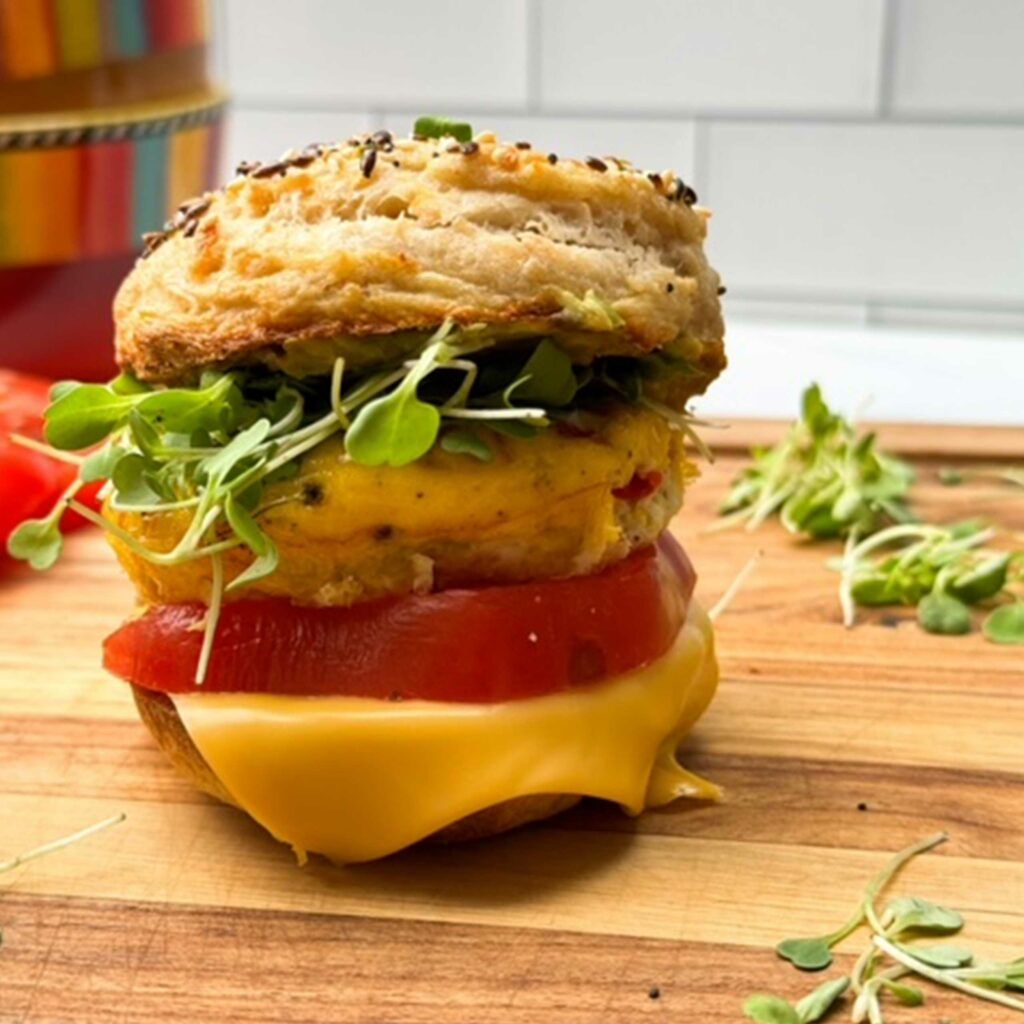
skinny everything bagel egg and cheese sandwich.

6. Skinny Everything Bagel Egg & Cheese Sandwich

🥚 Protein: 25g+ per serving (with 2 eggs)   Time: 20 minutes (if bagels are pre-made)   👥 Serves: 2

This is a weekend morning project that pays dividends all week. The skinny everything bagels are made with Greek yogurt as the primary ingredient — giving them a naturally higher protein content and a significantly lighter points profile than any store-bought bagel. Make a batch on Sunday, keep them in the fridge, and assemble the sandwiches all week. Each sandwich gets baked eggs (I use a donut pan so they fit the bagel perfectly), a slice of light cheese, avocado, microgreens, and tomato. Satisfying, restaurant-quality, and genuinely good for you.

WW angle: Skinny bagels made with Greek yogurt instead of regular flour — significantly lower points than a standard bagel. The whole sandwich runs 5–7 points depending on cheese choice.

The skinny bagels themselves deserve their own mention: they are made from Greek yogurt and self-rising flour, seasoned with homemade everything bagel seasoning (which I boost with hemp, chia, and flaxseeds for extra omega-3s and protein). They are genuinely one of the best things I make regularly and they have changed how I think about bagels entirely. See the Skinny Everything Bagels recipe for the complete guide.

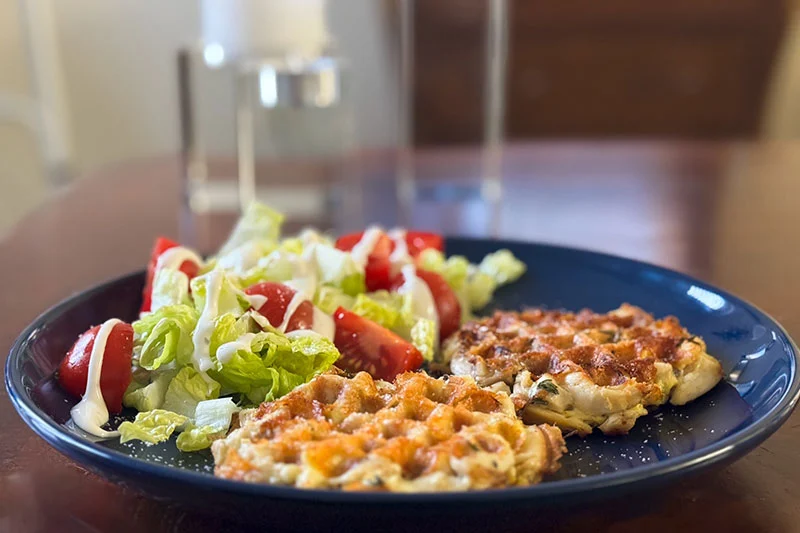
high protein waffle made with chicken on a plate.

7. High-Protein Waffles Made With Chicken

🥚 Protein: 35g+ per serving   Time: 15 minutes   👥 Serves: 2

This is the recipe I make when I want to hit 35+ grams of protein at breakfast and keep points very low. Shredded cooked chicken, eggs, cheese, and herbs are pressed in a waffle maker. That is genuinely it — no flour, no batter, no grains. What comes out is a crispy, golden, savory waffle that holds together beautifully and works as a breakfast, a brunch, or honestly a lunch or light dinner. The key is using well-seasoned, shredded chicken (rotisserie works perfectly) and pressing the waffle maker lid down firmly for the first 30 seconds to form a good crust. Top with salsa, avocado, and Greek yogurt for a Tex-Mex version. Serve with honey mustard for a classic pairing.

WW angle: No flour, no grains — just chicken, eggs, and cheese. Extremely high protein, very low points. One of the best protein-per-point options in this entire collection.

I know ‘waffles made from chicken’ sounds like a strange idea for breakfast. I was skeptical too until I tried them. They are now one of the recipes I make most frequently, because they solve the problem of wanting something hot and filling on a weekday morning without spending any real time in the kitchen. The chicken is already cooked (I always use leftover rotisserie or batch-cooked chicken). Everything else comes together in minutes.  FULL DISCLOSURE:  I will make and eat these any time of the day so they’ll show up for breakfast, lunch and dinner — so good!

wedge of egg, veggie, ham and cheese casserole on a plate with fork.

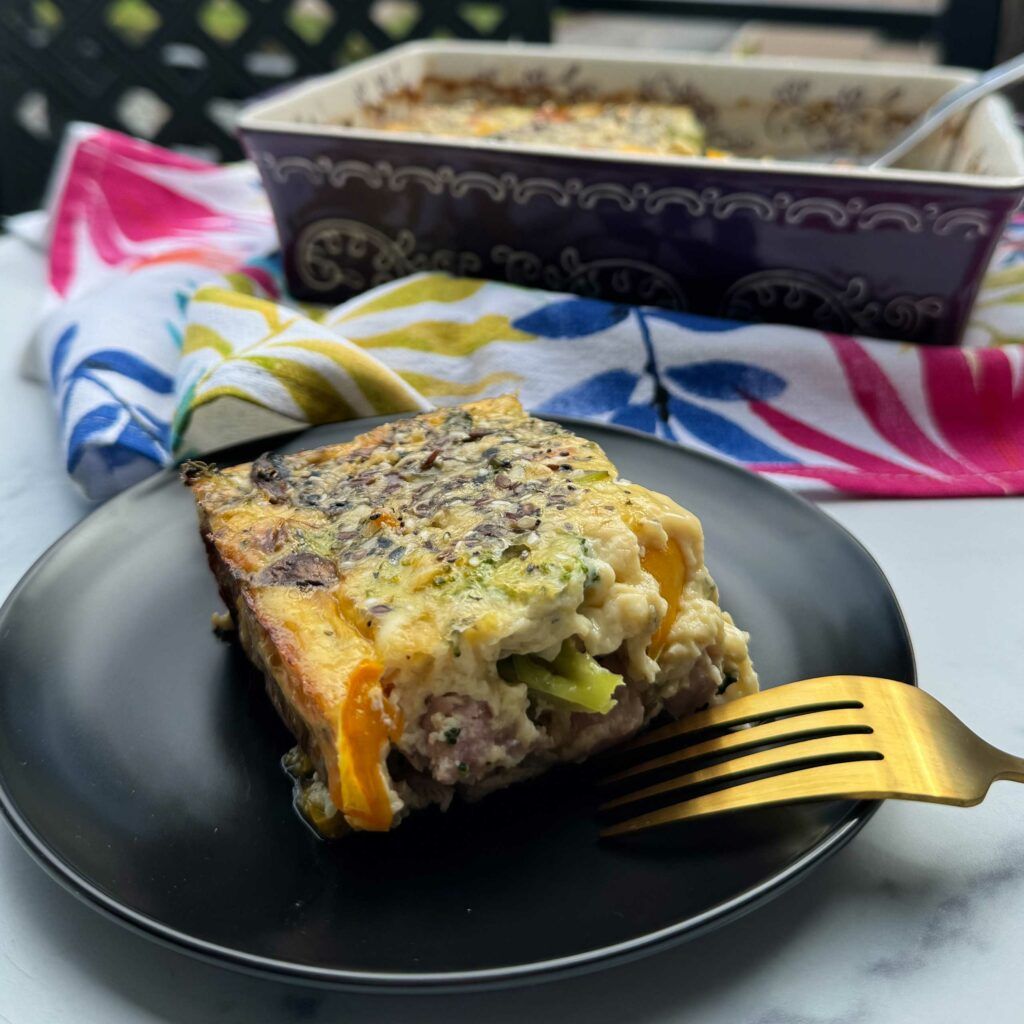
8. Egg, Veggie, Ham & Cheese Casserole

🥚 Protein: 28g+ per serving   Time: 10 minutes prep / 30–35 minutes bake   👥 Serves: 2–4 servings (plan for leftovers)

This is the make-ahead weekend anchor of my high-protein breakfast system. Assemble it Saturday or Sunday, bake it, and you have protein-packed breakfasts waiting in the fridge for three or four days. Baked eggs with 98% fat-free Canadian ham, bell peppers, shallots, and light cheese — topped with my homemade everything bagel seasoning boosted with hemp, chia, and flaxseeds. Reheat a square in the microwave for 90 seconds and breakfast is done. I cannot overstate how much this single habit changed my weekday mornings.

WW angle: Made with 98% fat-free Canadian ham and eggs — very low points for the protein delivered. This is a WW staple category of recipe. Estimate 3–5 points per serving BUT always check the ever-changing WW app.

baked cottage cheese flatbread being held up.

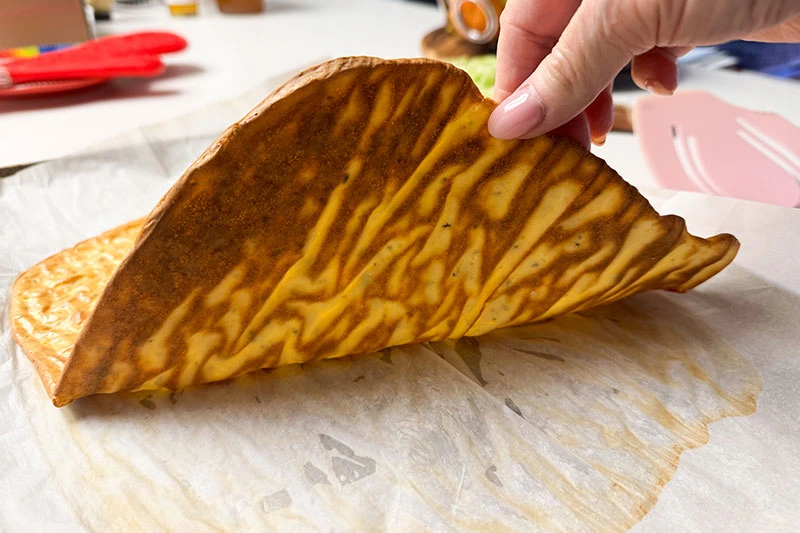
9. Cottage Cheese Flatbread (as a breakfast base)

🥚 Protein: 20g+ from the flatbread alone   Time: 35 minutes (including bake time)   👥 Serves: 2

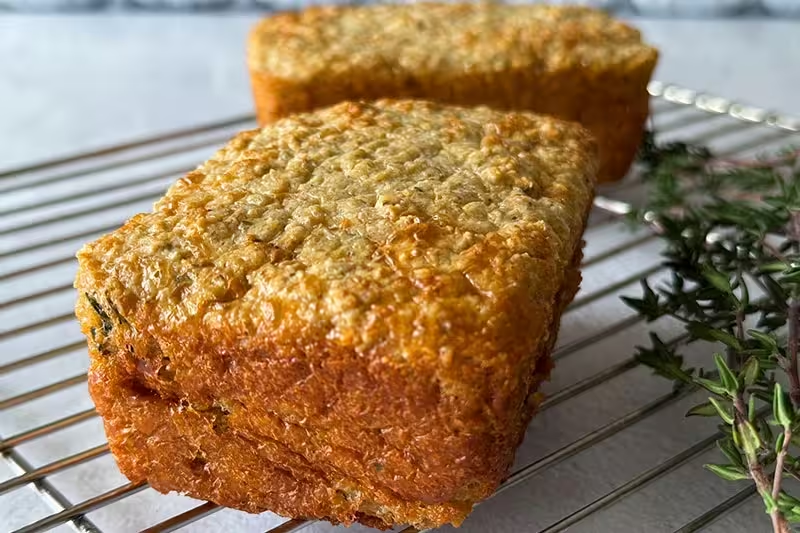
The cottage cheese flatbread is the most versatile high-protein base in my kitchen, and for breakfast it is extraordinary. The flatbread itself delivers 20+ grams of protein from just two ingredients — cottage cheese and eggs. Top it with scrambled eggs, a slice of Canadian bacon, and avocado for a breakfast sandwich that clears 35 grams of protein total at virtually zero WW points for the flatbread portion. Or use it as a base for a breakfast pizza with eggs, turkey sausage crumbles, and a sprinkle of low-fat mozzarella. The flatbread keeps for 24–48 hours between sheets of parchment, so you can make it Sunday and use it through Tuesday.

WW angle: Virtually zero points for the flatbread itself (cottage cheese and eggs only). Add your toppings and adjust accordingly — even with eggs and Canadian bacon on top, this runs very low.

pineapple cottage cheese pastry on a plate.

10. Pineapple Cottage Cheese Pastry

🥚 Protein: 18–22g per serving   ⏱ Time: 10 minutes   👥 Serves: 2

This is the recipe I reach for when I want something that feels sweet and indulgent at breakfast but is genuinely good for me. Creamy cottage cheese (blended or whipped smooth if you are texture-averse) mixed with pineapple, served warm on toast or in a ramekin under the broiler. It is one of the oldest Weight Watchers breakfast recipes in existence and it holds up completely — sweet, creamy, filling, and packed with protein from the cottage cheese. Use fresh pineapple for the best flavor. Swap the pineapple for berries, cherries, or apple for variation.

WW angle: A very old WW recipe that my mom used to make — naturally low points, high protein, and genuinely delicious. The bread portion adds points but the cottage cheese filling is essentially zero.  Use a fiber rich, crusty bread for a truly satisfying breakfast.

The Two-Person High-Protein Breakfast System — How I Actually Do This Every Week

Knowing the recipes is only half the battle. The other half is building a system that makes hitting your protein target at breakfast the path of least resistance, not the path of most effort. Here is how I actually structure my breakfast week for two people:

The Sunday Prep (30 Minutes Total)

  1. Make the overnight oats base. I prep two jars every Sunday using the same base — oats, seeds, protein powder, Greek yogurt, cottage cheese — and vary the flavoring throughout the week. Five minutes of active time, four or five weekday breakfasts ready in the fridge.
  2. Bake the egg casserole. Mix, pour, and bake the Egg, Veggie, Ham & Cheese Casserole. It takes about 10 minutes of active prep. Thirty minutes in the oven. When it comes out, I have four servings of a high-protein breakfast that reheats in 90 seconds.
  3. Make the skinny bagels if needed. I make a batch every two weeks. They keep for a week in the fridge and are the foundation of the best weekday breakfast sandwiches I make.

Total active Sunday prep time: about 25–30 minutes. Breakfasts solved for the entire week.

The Weekday Rotation

  • Monday–Wednesday: Overnight oats from the fridge — grab and go
  • Thursday: Egg casserole square reheated with fruit on the side
  • Friday: Bagel egg sandwich — feels like a treat, takes five minutes with pre-made components
  • Weekend: Cottage cheese pancakes or protein waffles — the meals that take a bit more time and are worth it on a Saturday morning

The No-Sad-Desk-Breakfast Philosophy

Every recipe in this collection was chosen because it is genuinely delicious, not just nutritionally functional. High protein and great flavor are not mutually exclusive. I refuse to eat something that feels like a punishment in the name of hitting a protein number. If the food is good, I will eat it consistently. If it feels like medicine, I will not. That is the philosophy behind my High-Protein Recipes Guide and behind every recipe on this site.

three zucchini egg cups on a plate with greek yogurt.

The WW Angle: High-Protein Breakfast and Weight Watchers — They Work Together

Every competitor post on high-protein breakfasts talks about muscle protein synthesis and satiety hormones. None of them address the WW member who is trying to hit their protein target while also tracking points. This section is for you.

The Best Zero or Near-Zero Point Protein Sources at Breakfast

On WW, these ingredients deliver serious protein with minimal or zero points. Build your breakfast around them first, then add higher-point ingredients to complete the meal:

  • Eggs: 0 points, 6g protein each

  • Fat-free Greek yogurt: 0 points, 17–22g per cup

  • Fat-free cottage cheese: 0 points, 13g per half cup

  • Smoked salmon: Low points, 16g per 3 oz

  • Skinless chicken (already cooked): 0 points, 21g per 3 oz

  • Chia seeds: Low points, 5g per 2 tablespoons

  • Hemp seeds: Low points, 10g per 3 tablespoons

How to Stack 30 Grams of Protein Before Your First Point Is Spent

Stack two eggs (12g) with half a cup of fat-free Greek yogurt (11g) with a tablespoon of chia seeds (2.5g) and a tablespoon of hemp seeds (3g). That is 28.5 grams of protein for zero points before you even add oats, fruit, or toppings. This is the math that makes high-protein WW breakfasts so powerful — the zero-point protein sources alone can get you almost all the way to your target.

Frequently Asked Questions — High-Protein Breakfasts for Two

What is considered a high-protein breakfast?

A high-protein breakfast is generally defined as a morning meal that delivers 25–35 grams of protein per serving. Research suggests that 30 grams at breakfast is the approximate threshold needed to trigger meaningful muscle protein synthesis and suppression of the hunger hormone ghrelin — the combination that keeps you satisfied until lunch. Meals below 15 grams of protein are not typically considered high-protein breakfasts by nutrition researchers, even if they contain more protein than a typical cereal or toast-based morning meal.

What is the highest protein breakfast for two people?

The highest-protein two-serving breakfast in this collection is the High-Protein Chicken Waffles (also called chaffles) at 35+ grams per serving — made from shredded cooked chicken, eggs, and cheese with no flour. A close second is the High-Protein Overnight Oats built with Greek yogurt, cottage cheese, chia seeds, hemp seeds, and protein powder, which can exceed 35 grams per serving depending on the protein powder used. For a cooked egg-based option, the Egg, Veggie, Ham & Cheese Casserole delivers 28+ grams and can be made ahead on Sunday.

How do I get 30 grams of protein at breakfast without eggs?

Reaching 30 grams of protein at breakfast without eggs is very achievable using fat-free Greek yogurt (17–22g per cup), fat-free cottage cheese (13g per half cup), protein powder (20–25g per scoop), smoked salmon (16g per 3 oz), and seeds like hemp (10g per 3 tablespoons) and chia (5g per 2 tablespoons). Combinations work best: one cup of Greek yogurt plus one scoop of protein powder plus a tablespoon of hemp seeds delivers approximately 35 grams of protein with no eggs required. The High-Protein Overnight Oats and Whipped Greek Yogurt recipes in this collection are both egg-free and hit 20–30g of protein.

What are high-protein breakfasts that are also WW-friendly?

The best WW-friendly high-protein breakfasts stack zero-point protein sources: eggs (0 points, 6g each), fat-free Greek yogurt (0 points, 17–22g per cup), fat-free cottage cheese (0 points, 13g per half cup), and lean proteins like skinless chicken (0 points). The recipes in this collection that offer the best protein-per-point value are the Whipped Greek Yogurt (zero or near-zero points, 20g+ protein), the Cottage Cheese Pancakes (low points, 24g protein), the Chicken Waffles (very low points, 35g+ protein), and the Egg Casserole (3–5 points, 28g+ protein). For a complete approach to WW-friendly high-protein cooking, see the WW-Friendly Recipes Guide.

Is it really important to eat protein at breakfast, or can I make it up later?

The research on this is clear: you cannot fully make up for a protein-light breakfast by eating more protein at dinner. A crossover study in the Journal of Nutrition compared evenly distributed protein (30g per meal) against the typical pattern of minimal protein at breakfast and high protein at dinner. Even though total daily protein was identical in both conditions, the even distribution produced 25% greater 24-hour muscle protein synthesis. The timing matters — particularly for women over 40 who experience anabolic resistance, meaning the muscles need a stronger protein signal to trigger growth. Front-loading protein at breakfast is not just helpful. It may be the highest-leverage single nutritional change you can make.

What are quick high-protein breakfasts that take under 5 minutes?

The fastest high-protein breakfasts for two in this collection are the Whipped Greek Yogurt with Honey (5 minutes, 20g+ protein) and pre-made overnight oats (grab from the fridge, 30g+ protein). If you keep the egg casserole prepped in the fridge, each serving reheats in 90 seconds and delivers 28g of protein. For a completely no-prep option, two cups of fat-free Greek yogurt with a tablespoon of hemp seeds and a drizzle of honey delivers approximately 25 grams of protein in about 60 seconds of assembly.

Can I meal prep high-protein breakfasts for two people for the whole week?

Yes, and the most effective approach is a two-recipe Sunday prep: make overnight oats (prepared in two jars the night before each day, or as a base batch at the start of the week) and bake an egg casserole that yields four servings. Between these two items, you have high-protein breakfasts covered for the full workweek. Both reheat or are grab-and-go with zero morning effort. The skinny everything bagels (make a batch weekly) add a third make-ahead option for sandwiches. This three-component system — overnight oats, egg casserole, skinny bagels — is the actual Sunday prep routine I use for two people every week.

Does a high-protein breakfast help with weight loss?

A high-protein breakfast supports weight management through several mechanisms. Protein suppresses ghrelin (the hunger hormone) more effectively than carbohydrates or fat, reducing appetite for hours after breakfast. It also increases peptide YY and GLP-1, the fullness hormones — the same hormones that popular weight loss medications target, produced naturally by eating protein. Additionally, protein has a higher thermic effect than carbohydrates or fat, meaning your body burns more calories just digesting it. For people on Weight Watchers, a high-protein breakfast is particularly strategic because it uses zero-point foods (eggs, Greek yogurt, cottage cheese) to achieve genuine satisfaction, leaving more points for the rest of the day.

What is the best high-protein breakfast for someone on Weight Watchers who hates eating the same thing every day?

Variety is the key to long-term consistency, and this collection is designed specifically for that. The overnight oats alone have over a dozen flavor variations — PB&J, Tropical, Chocolate Hazelnut, Apple Pie, Strawberry Cheesecake, Almond Joy — so you can rotate weekly with zero recipe repetition. Alternating between sweet options (overnight oats, whipped Greek yogurt, protein waffles) and savory options (chicken waffles, egg casserole, bagel sandwich) across the week prevents the boredom that derails most healthy eating habits. The Sunday prep system means the decision is already made — you just rotate which item you reach for that morning. For the full WW-friendly rotation, see the High-Protein Recipes Guide.

I cook for two and hate leftover breakfast. Which high-protein options make exactly two servings?

Every recipe in this collection was chosen with a two-person household in mind. The overnight oats are prepped in two individual jars. The whipped Greek yogurt serves two exactly. The protein waffles (using a Dash mini waffle maker) make exactly four small waffles — two per person with no leftover batter. The cottage cheese pancakes and almond flour pancakes both yield exactly two servings. The chicken waffles make two servings. The only recipe in this collection that makes more than two servings intentionally is the Egg Casserole — which I include because planned leftovers for weekday morning reheats are one of the most practical tools in a two-person kitchen. Every other recipe is zero-waste for two people. For more on cooking for two without waste, see the Cooking for Two Guide.

How does the protein in these breakfasts affect WW point calculations when scaling?

When you eat a correctly portioned two-serving high-protein breakfast, the WW points per serving are determined by the points-value ingredients in that specific serving — not by the total batch. What changes when scaling is not points-per-serving (those stay the same), but rather total protein delivered per serving. If you accidentally eat a larger portion of a scaled recipe, you are eating more points AND more protein than intended — which affects both your tracking accuracy and your assessment of the meal’s value. My approach: always portion high-protein breakfasts by weight or volume the first several times you make them, until you know exactly what one serving looks like in the bowl or on the plate. See the full WW-Friendly Recipes Guide for more on how scaling affects point tracking.