


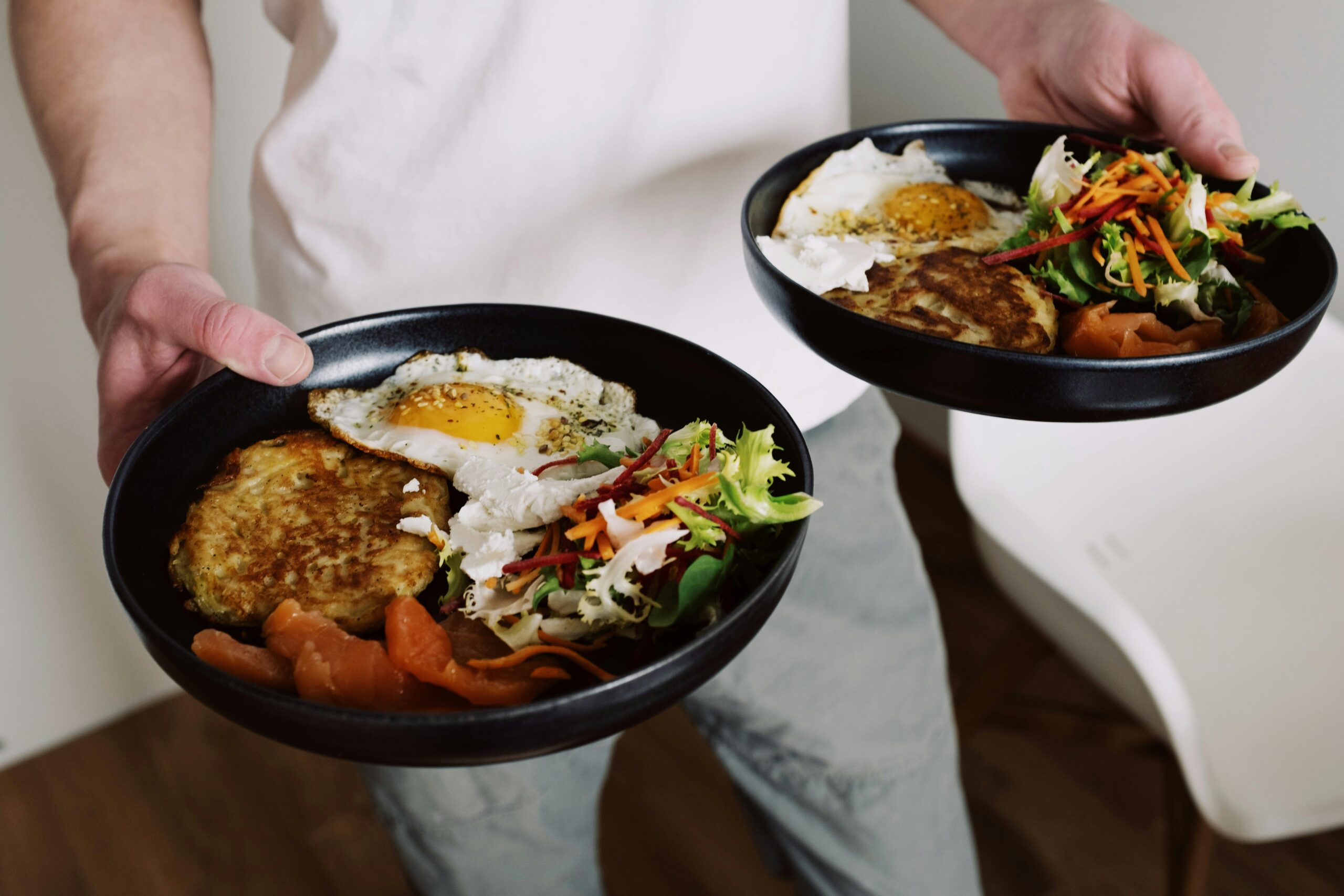
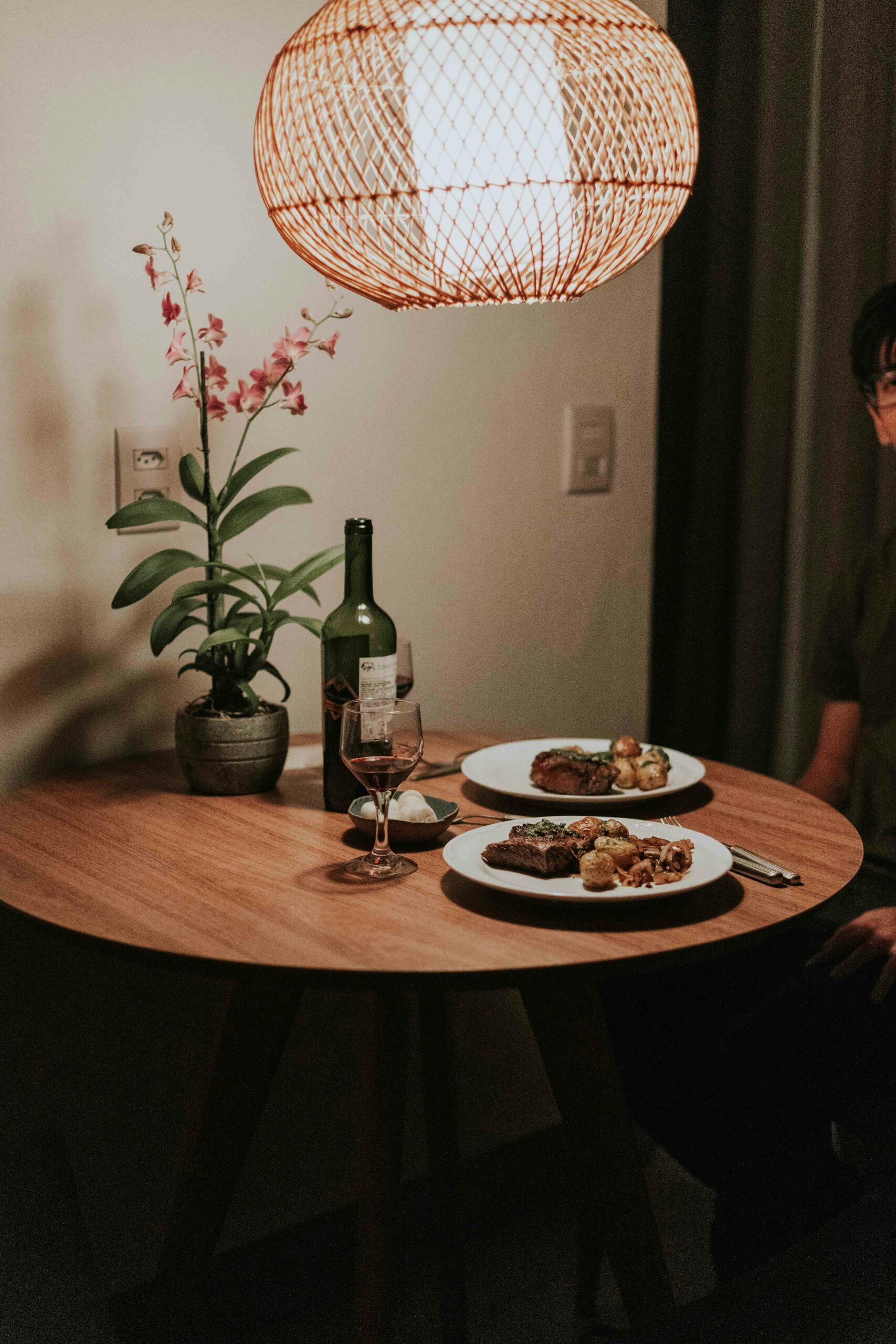
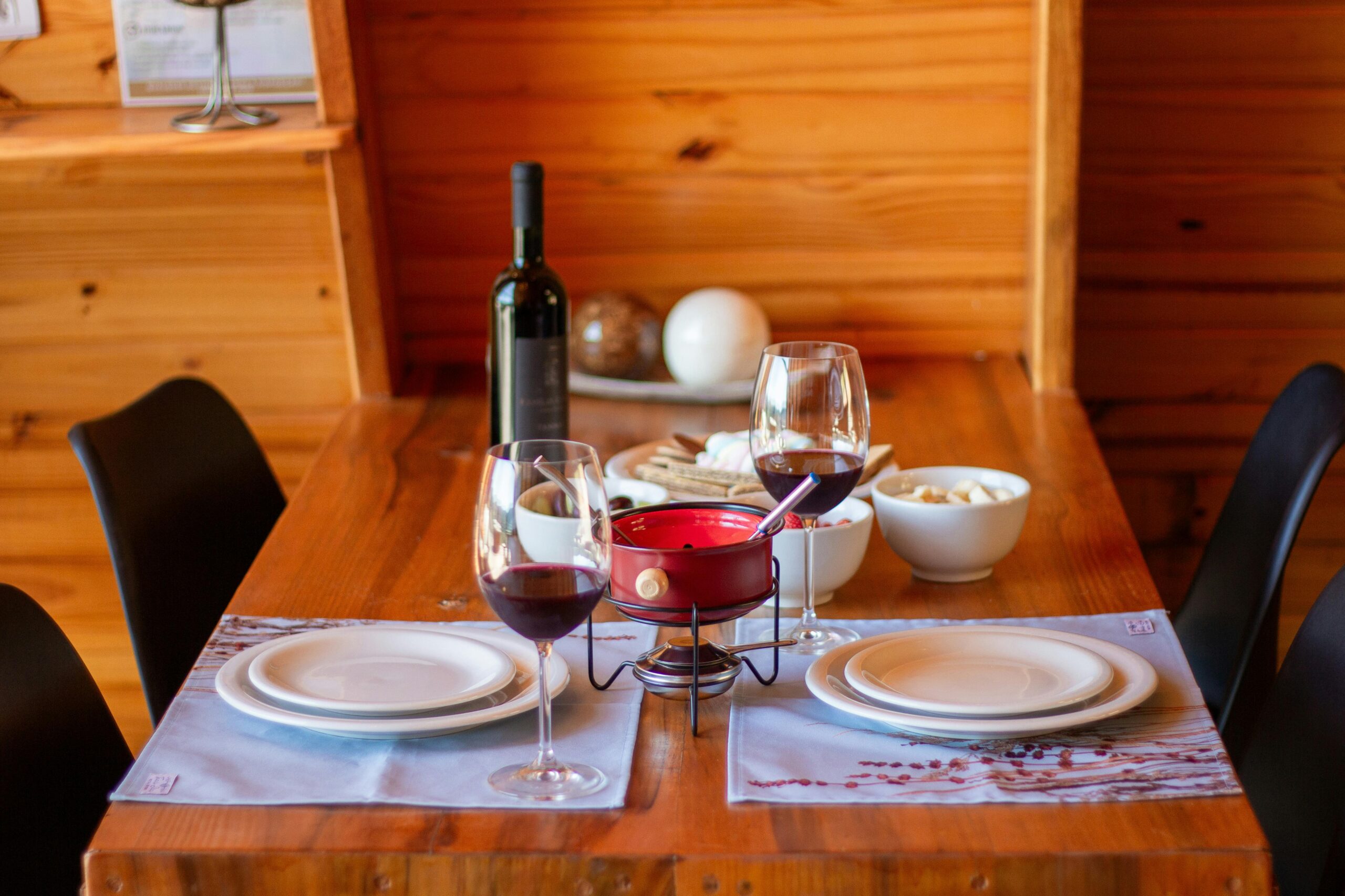

When I started the blog, I knew I wanted to focus on several things:  1)  It needed to reflect how I actually cook, eat and live. 2)  I wanted to focus on what I believed was missing from the recipe world – recipes that focused on cooking for two, 3) were healthy-ish and protein forward,  and fit in with my Weight Watcher lifestyle and 4) were different and exciting for the home cook. Whether I was talking to a niece who was getting her first apartment, or a friend that just got married, or a coworker who was about to become an empty nester, they all had the same issue:  what to cook when it is just two of you.  They just couldn’t deal with all the leftovers and eating the same thing for days.   That’s how this guide to cooking for two came to be.  Start with my appetizers which are listed as starters, and  work through dinner recipes and my healthy dessert options too.  This guide is for those of us cooking for two on a daily basis!

Quick Summary & Key Takeaways

  • Cooking for two is a lifelong skill — from your first apartment to empty-nest dinners, the need for smaller, smarter
    meals never goes away.
  • The biggest challenges are scaling recipes correctly, shopping without waste, and keeping meals interesting for just
    two people.
  • A few simple math rules make halving or quartering any recipe reliable and foolproof.
  • Small-batch cooking requires different techniques, timing adjustments, and the right equipment.
  • Meal planning for two can dramatically cut food waste and grocery spending without sacrificing variety.
  • This guide links to over 20 tested recipes on My Curated Tastes specifically designed or perfectly suited for two
    people.
  • Many of the recipes here are also Weight Watchers friendly and high in protein — check the individual recipe pages
    for details.
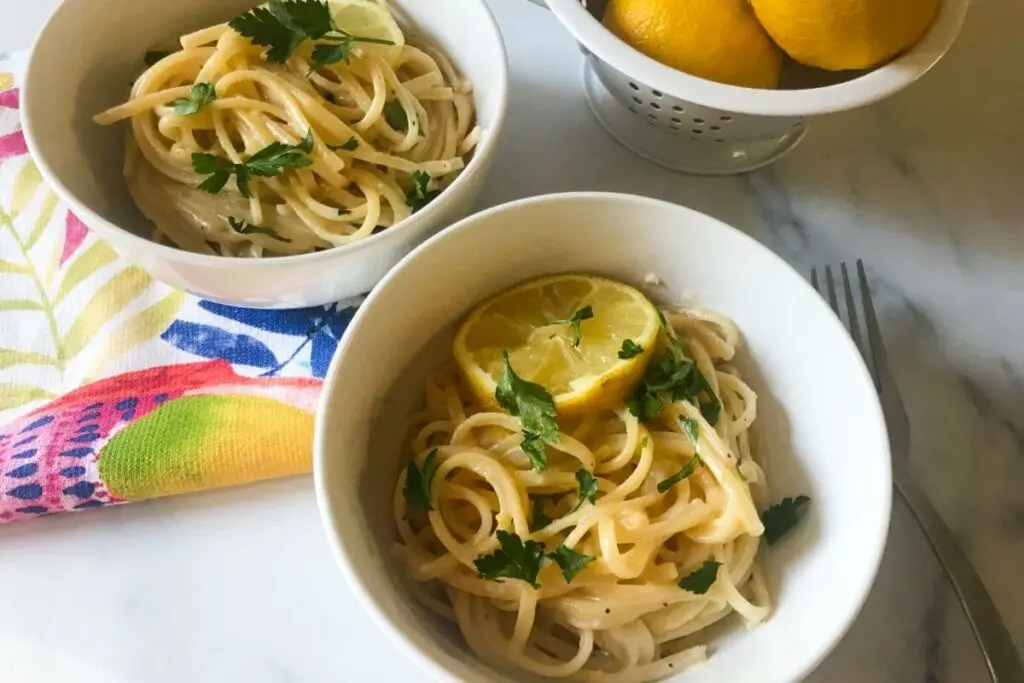
Lemon Pasta.

Why Cooking for Two Is a Lifelong Skill

Think about how often you have cooked — or needed to cook — for just two people. It happens more than most of us realize, and it spans every chapter of adult life. It starts the moment you get your first apartment: you make a pot of something, eat half for dinner, and take the leftovers to work the next day. Smart, efficient, and satisfying — even if you were mostly winging it. See my latest dinner recipes for ideas that work perfectly at that scale.

Then comes dating mode. There is something quietly magical about cooking for just the two of you — a dinner at home that feels more intimate than any restaurant, where the effort you put in says everything words can’t. You learn each other’s tastes, discover what impresses, and figure out that some people really do hate cilantro. (That’s a dealbreaker you want to uncover early.)

Living together changes the rhythm. Cooking for two becomes the everyday baseline — weeknight dinners after long days, Saturday morning brunches, Sunday meal prep for the week ahead. It stops being a special occasion and becomes simply life. And then, if children arrive, cooking for two takes a backseat for years. The pot gets bigger, the portions multiply, and “cooking for two” becomes “cooking for six” almost overnight. But date nights still happen — a quiet dinner after the kids are in bed, a weekend when grandparents take over — and those moments feel like remembering something you’d nearly forgotten.

Then the kids leave. And suddenly, it’s just the two of you again. Empty-nest syndrome hits the kitchen as hard as it hits everything else. You’re standing at the stove having automatically made enough pasta for five people, and you realize: you have absolutely no idea how to cook for two anymore. You’ve lost the muscle memory. The good news is it comes back fast — and this time, you have the kitchen confidence and the ingredient knowledge you didn’t have the first time around.

What surprises me is that despite how universal this experience is — despite the fact that the fastest-growing household type in the United States is two-person households — there are remarkably few dedicated resources for cooking at this scale. Most cookbooks are written for four to six servings. Most recipe blogs default to family portions. Grocery stores sell vegetables in quantities that go bad before a couple can use them. It’s a gap that makes no sense, and it’s exactly why this guide exists.

Whether you’re at the beginning of your two-person cooking story or well into the empty-nest chapter, this is your complete resource. We’re covering everything: how to scale recipes correctly, how to shop smart for two, which techniques and equipment actually matter at small-batch scale, how to plan meals without letting food go to waste, and a curated collection of recipes that prove cooking for two can be just as exciting, indulgent, and satisfying as cooking for a crowd.

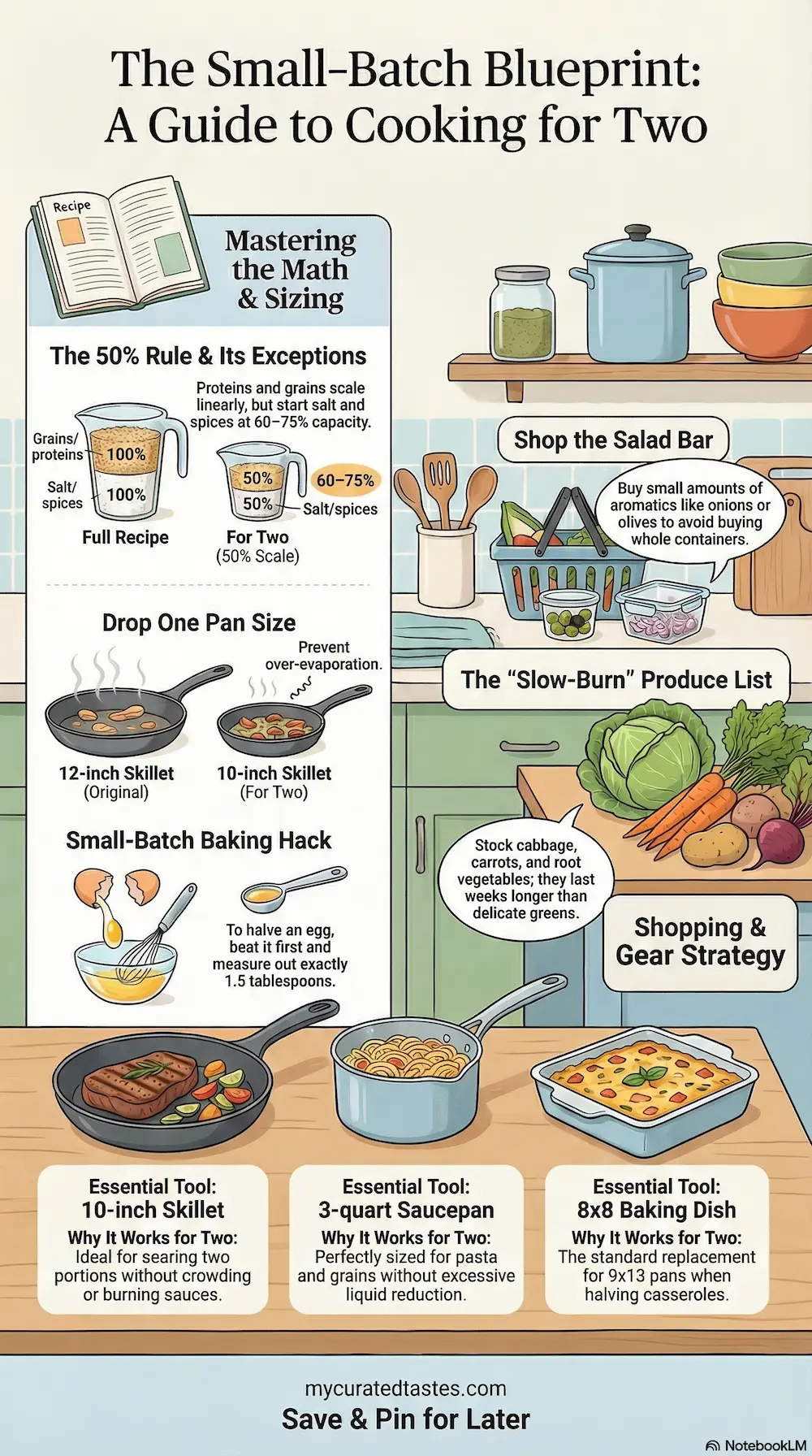
The Math of Scaling Recipes for Two.

Want to share this infographic?

Download the Image Now or Copy and Paste the code below!

Section 1: The Math of Scaling Recipes for Two

Most recipes serve four to six people. Most of the time, two people do not want to eat the same thing three days in a row. So the first skill to master in cooking for two is scaling — adjusting recipe quantities reliably without ruining the dish.

The Basic Scaling Rules

The fundamental math is straightforward. To go from a recipe that serves four down to two servings, multiply every ingredient by 0.5. To go from six servings down to two, multiply by 0.33. But here is where most people go wrong: they apply this math blindly to every ingredient, including the ones that don’t scale linearly.

Here is what scales directly:

  • Proteins (meat, fish, poultry, tofu) — scale exactly
  • Vegetables — scale exactly
  • Grains, pasta, rice — scale exactly
  • Liquids in soups, stews, and braises — scale exactly
  • Sugar in non-baked dishes — scale exactly

Here is what does NOT scale linearly:

  • Salt — start at 60–70% of the scaled amount and taste as you go. Salt perception changes with smaller quantities and reduced cooking times.
  • Spices and aromatics (garlic, chili, pepper) — start at 75% and adjust. They intensify in smaller volumes.
  • Leavening agents (baking powder, baking soda) — use the full scaled amount BUT be aware that small-batch baking is finicky. More on this below.
  • Cooking fats (butter, oil for sautéing) — pan size matters more than the recipe. Use enough to coat your pan, regardless of what the scaled number says.
  • Vanilla extract, citrus zest, herbs — these are flavor accents; start at 75% of scaled amount.

The Pan Size Problem
This is the mistake that ruins more scaled recipes than any math error. A recipe written for four servings was developed in a specific pan size. When you halve the recipe, you cannot use the same pan — the ingredients will spread too thin, moisture will evaporate too quickly, and proteins will overcook before developing any color.

The Rule of Thumb

When you halve a recipe, drop down one pan size. A recipe calling for a 12-inch skillet becomes a 10-inch skillet for two. A 9×13 baking dish becomes an 8×8. A large Dutch oven becomes a small saucepan or a 3-quart saucepan.

Small-Batch Baking: A Different Animal

Scaling savory recipes is forgiving. Scaling baking recipes is not — because baking is chemistry, and chemistry does not always scale predictably. Here is what actually works in small-batch baking for two:

  • Halving works well for most muffin, quick bread, and cookie recipes. The key is adjusting pan size accordingly.
  • Quartering baked goods introduces problems with egg proportions. When a recipe calls for 1 egg and you need a quarter recipe, you cannot use a quarter of an egg. Beat the whole egg, measure out one quarter (roughly 1 tablespoon), and use that.
  • Yeast breads do not halve well because yeast activity is not proportional. Stick to recipes written specifically for small loaves, or make a full recipe and freeze half the dough after the first rise.
  • Custards, soufflés, and anything involving precise egg ratios should be sought out in specifically small-batch versions rather than scaled down.
couple shopping.

Section 2: Shopping Smart for Two

The grocery store is not designed for two-person households. Produce comes in quantities sized for families. Meat is pre-packaged in portions built for four. Bread goes stale before a couple can finish a loaf. Shopping smart for two requires a different strategy than filling a family cart.

The Proteins

Proteins are the easiest win in two-person shopping. Ask your butcher to cut a single chicken breast, portion out two pork chops, or cut a smaller roast. Most grocery store meat counters will do this without hesitation. Buy two portions of whatever protein you need, not a four-serving family pack you will struggle to use.

For fish, individual fillets are your best friend. My Salmon with Cherry Balsamic Sauce and Marinated Grilled Scallops and Almond Crusted Salmon with Lemon & Leek Crema are all built for two and use individual portions — no waste, no recalculating.

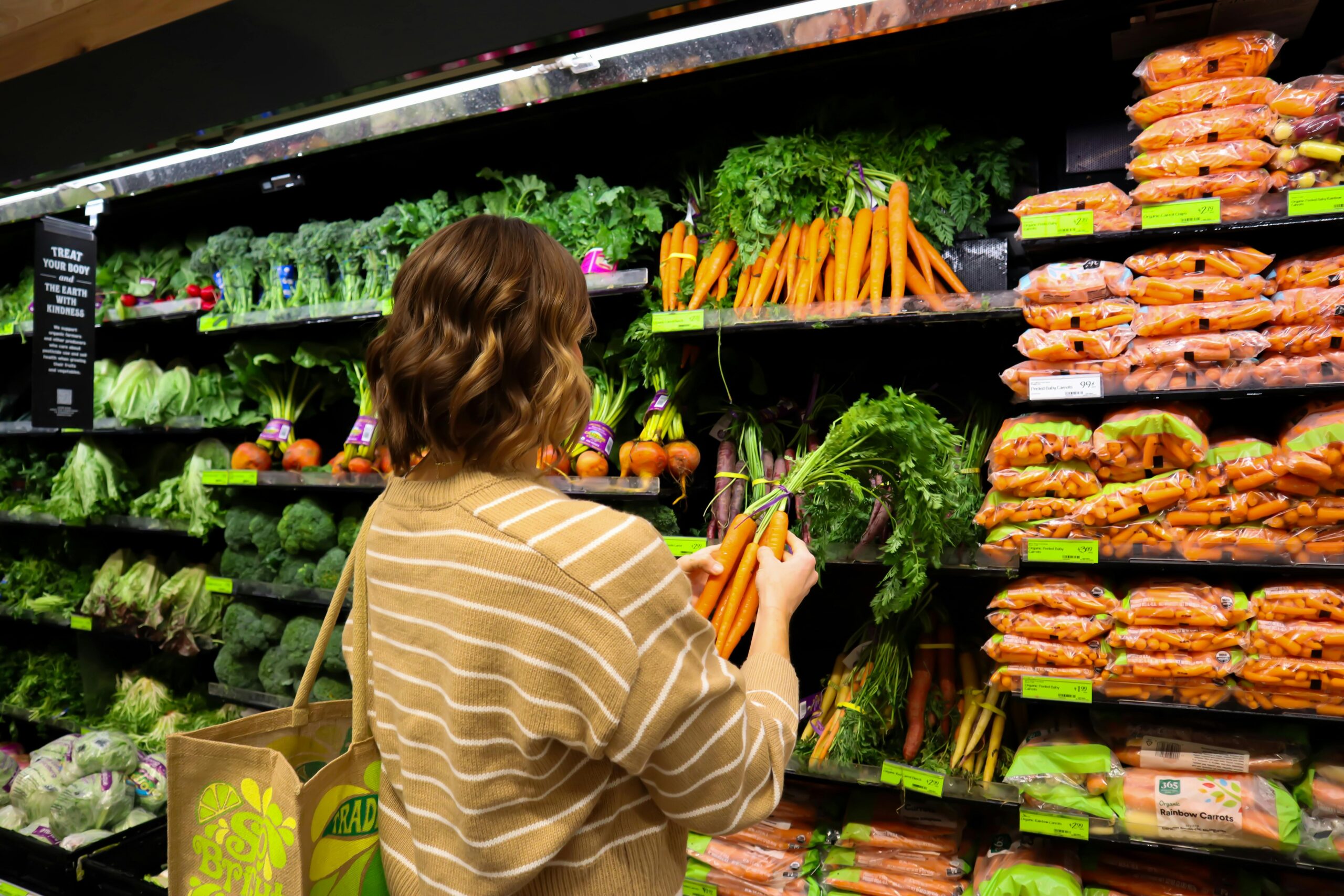
shopping for produce.

The Produce Problem (and How to Solve It)

The single biggest source of food waste for two-person households is produce that goes bad before it can be used. Here is the strategy that actually works:

  • Buy smaller quantities, more often. Two to three small grocery trips per week beats one big trip for produce management.
  • Shop the salad bar for small quantities. Need only half a red onion, a handful of cherry tomatoes, or two tablespoons of olives? The salad bar is priced per pound but saves you from buying whole vegetables you cannot finish.
  • Embrace frozen vegetables. Frozen peas, corn, edamame, spinach, and mixed vegetables are nutritionally equivalent to fresh and have zero waste — you use exactly what you need.  The same goes for frozen berries and stone fruit.
  • Use herbs strategically. Buy herb plants instead of cut bunches when possible. Fresh basil, rosemary, and thyme as living plants last weeks longer on your windowsill than a $3 bunch that wilts in four days.
  • Learn which vegetables keep. Cabbage, carrots, beets, celery, winter squash, and root vegetables last weeks in the refrigerator. These are your slow-burn purchases. Zucchini, asparagus, fresh corn, and delicate lettuces need to be used within two to three days.

Buying Dairy and Pantry Staples

Dairy is another waste source for couples. Buy the smallest available size of everything — the small container of sour cream, the half-pint of heavy cream, the block of cheese you can finish in a week. For bread, buy a half loaf when possible, or freeze half the loaf immediately on the day you buy it.

Pantry staples, on the other hand, are where two-person households can afford to go big. Olive oil, canned tomatoes, dried pasta, lentils, canned beans, vinegars, and spices have long shelf lives and form the backbone of efficient small-batch cooking. Keep these stocked and dinner is always possible.

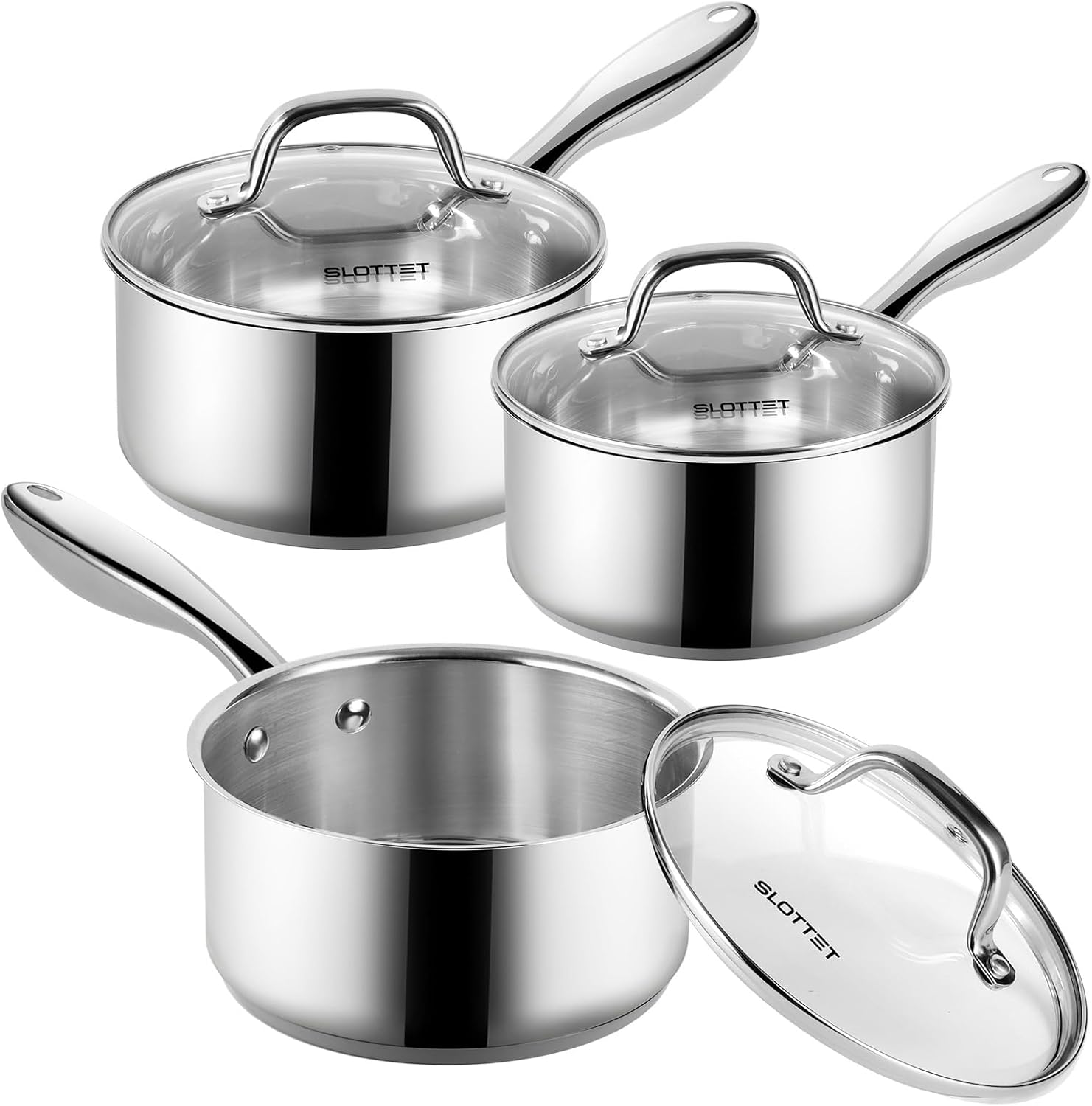
pots and pans.

Section 3: The Right Equipment for Cooking for Two

You do not need a lot of equipment to cook well for two. You need the right equipment — pieces sized correctly for smaller portions that heat efficiently, cook evenly, and do not require half an hour of scrubbing afterward.

The Essential Pieces

A 10-inch skillet. This is your workhorse. Large enough to sear two portions of protein without crowding, small enough to heat quickly and evenly. Cast iron or stainless steel is ideal. Nonstick works for eggs and delicate fish.

A 3-quart saucepan. Perfect for pasta (cook in batches), soups, grains, and sauces sized for two. Larger pans cause liquids to reduce too quickly when you’re cooking small amounts.

A small Dutch oven (2–4 quart). For braises, stews, and small-batch soups. A 2-quart Le Creuset or Staub is genuinely one of the best investments a two-person household can make. It goes from stovetop to oven to table beautifully.

An 8×8 baking dish. The four-serving pan for baked goods, casseroles, and small-batch gratins. When recipes call for 9×13, an 8×8 is your small-batch replacement.

A half-sheet baking pan. For sheet pan dinners sized for two, roasted vegetables, and smaller-batch baked goods. My Sheet Pan Chicken Thighs with Pomegranate and Walnuts is a perfect example of a meal that roasts beautifully on a half sheet for two.

Nice to Have (But Not Essential)

  • A small food processor or a single-serve blender — for sauces, dips, and small-batch dressings
  • A 6-cup muffin tin — for small-batch muffins and individual egg dishes
  • Ramekins (4-oz and 6-oz) — for individual desserts, baked eggs, and small custards
  • A 1-quart saucepan — for warming small quantities of sauce, melting butter, and heating single servings of soup
two plates of food.

Section 4: Meal Planning for Two — Without the Boredom

Meal planning for two is different from meal planning for a family. You are not making one enormous batch of something to feed everyone for five days. You have more flexibility — and you should use it.

The Two-Person Weekly Template

A realistic, anti-boring meal plan for two works on a loose template:

  1. One protein-forward dinner that uses a larger cut or piece of meat (a small roast, two bone-in chicken thighs, a piece of salmon) — cook this Sunday or Monday when you have more time.
  2. One pasta, grain bowl, or plant-based dinner midweek — quick, minimal cleanup, naturally portioned for two.
  3. One date-night dinner — something that takes a little more effort and makes the meal feel like an occasion. This does not have to be expensive or complicated; it just has to feel intentional.
  4. One soup or salad night — lighter, seasonal, and an opportunity to use up vegetables before the next shopping trip.
  5. One wildcard night — try a new recipe, order in, or repurpose leftovers creatively.

The Leftover Strategy

Leftovers for two people work best when you think of them as “planned-overs” — you intentionally make a little more of one component to repurpose differently the next day. Cook extra grains (quinoa, farro, rice) to build a different grain bowl the next day. Roast extra vegetables to toss into a frittata or a salad. Make a larger batch of a sauce and freeze half.

The key is not repeating the same meal — it’s repurposing components. My Blackberry Chicken Salad for Two is a perfect example: leftover roast chicken becomes the base of a completely different, fresh meal the next day.

Freezer Strategy for Two

A two-person household should be strategic about the freezer. Freeze proteins in individual portions the day you buy them. Freeze bread immediately if you know you won’t finish it. Freeze cooked grains in two-serving portions for quick weeknight meals. Freeze leftover soups and stews in two-cup containers — a perfect single lunch for one or a light dinner for two.

My Cannellini Bean and Sausage Soup and Creamy Corn, Asparagus and Shrimp Soup both freeze beautifully. Make a double batch, freeze half in two-cup portions, and you have four future easy lunches.

Section 5: Cooking Techniques That Shine at Small Scale

Some cooking techniques are actually better at small scale. Others require adjustment. Here is what to know.

Searing and Pan Sauces

Two portions of protein in a 10-inch skillet is the sweet spot for a perfect sear. There is enough room to let the protein cook without steaming itself, and enough fond (the browned bits) to build a pan sauce without it burning. This is where cooking for two genuinely outperforms cooking for a crowd.

My Honey Chili Chicken and Honey, Ricotta & Cranberry Chicken both use this technique — sear the protein, build the sauce in the same pan, done in under 30 minutes.

Roasting

Sheet pan meals are perfectly suited for two people. Two portions of protein, a handful of vegetables, one pan, one oven temperature — dinner in 25 minutes with minimal cleanup. The key is not crowding the pan (even for two people, use a full half-sheet pan to give everything space to roast rather than steam).

Braising

Braising for two requires a smaller vessel and less liquid than most recipes call for. A small Dutch oven with just enough liquid to come halfway up the sides of whatever you are cooking is the goal. The smaller volume concentrates flavors faster, so reduce braising times by 15–20% and check earlier than the recipe suggests.

Quick Weeknight Techniques

Stir-frying, pasta tossing, and grain bowls are naturally sized for two — they come together fast and use small quantities of multiple ingredients efficiently. My Boursin Pasta with Shrimp and Teriyaki Salmon Bowls are both under 30 minutes and use exactly two servings worth of ingredients — no math required.

table setting for two.

Section 6: Date-Night Dinners for Two

Cooking for two on a date night is one of life’s underrated pleasures. A restaurant charges $200 for the experience. You can recreate it at home for $30 and have control over every detail — the music, the lighting, the pace, and whether there is bread on the table.

The key to a date-night dinner at home is choosing a recipe with a moment of drama — something that looks and tastes impressive but does not require you to spend the entire evening stressed in the kitchen. Seared scallops. A pan sauce that reduces to glossy perfection. A beautiful small-batch dessert. The presentation matters as much as the food.

My Marinated Grilled Scallops, Prawn, Mango, Avocado Salad Stacks, and Salmon with Cherry Balsamic Sauce are all designed for exactly this — restaurant-level results at home, sized perfectly for two.

Section 7: Recipes on My Curated Tastes — Built for Two

Every recipe on this site is developed with two people in mind. Here is a curated index organized by category — each one tested in my Southern California kitchen, many with WW points and protein counts noted on the recipe page.

Dinners

Recipe Why it works for two
Hot Honey Chicken Tenders for Two Perfectly portioned for two, high protein, WW-friendly — a weeknight favorite
Honey Chili Chicken One-pan dinner, sears perfectly in a 10-inch skillet for two portions
Salmon with Cherry Balsamic Sauce Elegant enough for date night, done in 20 minutes
Honey, Ricotta & Cranberry Chicken Impressive presentation, naturally scales to two
Boursin Pasta with Shrimp 30-minute weeknight pasta sized for exactly two
Teriyaki Salmon Bowls Grain bowl format — perfect for two, high protein
Sheet Pan Chicken with Pomegranate and Walnuts One pan, minimal cleanup, roasts perfectly for two
Mini Turkey Meat Loaf Individual loaves — portioned for two from the start, no scaling needed

Starters & Salads

Recipe Why it works for two
Marinated Grilled Scallops Date-night starter — scales to exactly two portions beautifully
Crispy Rice Paper Cups with Hoisin Shrimp Makes 6–8 cups — the perfect starter for two
Blackberry Chicken Salad for Two Written specifically for two people
Prawn, Mango, Avocado Salad Stacks Stunning presentation, naturally a two-serving recipe
Baked Halloumi Cheese Salad Generous two-serving salad, great as a light dinner

Brunch for Two

Recipe Why it works for two
Whipped Greek Yogurt with Honey A beautiful, protein-rich breakfast for two in under 5 minutes
Cottage Cheese Pancakes High-protein pancakes that make exactly 4–6 — perfect for two
Scrambled Pesto Eggs on Toast Elevated eggs for two in under 10 minutes
High Protein Overnight Oats Make two jars on Sunday, breakfast sorted for two mornings
dinner for two.

Section 8: The Empty-Nest Kitchen Reset

If you are in the empty-nest chapter, this section is specifically for you. You have years of cooking experience, a well-equipped kitchen, and the freedom to cook exactly what you want — for exactly two people. Here is how to reset your approach.

Resize Your Mental Portions

The hardest habit to break is the one built over 20 years of cooking for a family. You instinctively grab the big pot. You buy the family pack. You make enough salad for a team. The fix is simple but requires intention: mentally commit to two portions, buy for two portions, and cook in the smaller pans.

Rediscover the Joy of Cooking for Two

Here is the upside nobody talks about: cooking for two as an empty nester is the best version of cooking for two you will ever experience. You know how to cook. Your palate is developed. You have good equipment. You have the time and the budget to try ingredients you skipped when feeding picky eight-year-olds. Fonio. Halloumi. Boursin. Kiwano melon. All of it becomes possible.

This is the chapter to try everything on this site you haven’t tried yet. Start with my Southwestern Fonio Bowl or the Fonio Stuffed Bell Peppers — ingredients your kids would never have touched, and dishes that reward your grown-up palate.

Use This as Your Date-Night Restart

One of the most common things I hear from empty nesters is that they have stopped making dinner feel like an occasion. When it was just you and your partner, you set the table. You lit a candle. You made something that took a little effort. Reclaim that. Pick one night a week and make it intentional.

Dutch Baby Pancake with Berries.

Frequently Asked Questions About Cooking for Two

How do I cut a recipe in half without ruining it?

For most savory recipes, multiply every ingredient by 0.5 and drop down one pan size. The two exceptions: salt and spices should start at 60–70% of the halved amount (you can always add more, you cannot take it away), and cooking fats should be adjusted based on your pan size rather than the math. For baked goods, halving works but egg portions get tricky — beat a whole egg and use half the beaten egg by volume (about 1.5 tablespoons).

What is the best pan size for cooking for two?

A 10-inch skillet handles the vast majority of two-person stovetop cooking beautifully. For searing proteins, sautéing vegetables, and building pan sauces, it is the perfect size — large enough that nothing is crowded, small enough that it heats evenly and quickly. A 3-quart saucepan handles pasta, grains, and soups. A small (2–4 quart) Dutch oven handles braises and stews.

How do I stop food going to waste when I’m only cooking for two?

The three biggest wins are: buy produce in smaller quantities more frequently rather than one large weekly shop; use the grocery store salad bar for small quantities of ingredients you only need a little of; and freeze proteins and bread immediately in the portions you actually need. Build meals around ingredients that keep — root vegetables, cabbage, hard cheeses, eggs — and plan meals that share overlapping ingredients to use everything up before it turns.

Is it worth cooking from scratch for just two people?

Absolutely — and it is often faster than people expect. Most of the recipes on this site are on the table in 30 minutes or less. Cooking from scratch for two is actually easier than cooking for a crowd: less prep, less cleanup, more flexibility to adjust mid-cook. And the quality gap between a home-cooked meal and takeout is never more obvious than when you are only feeding two people. See my latest dinner recipes for weeknight-friendly ideas.

Can I meal prep when cooking for just two people?

Yes, and it works even better for two than for large families because you have more flexibility. The approach that works best is prepping components rather than complete meals: cook a batch of grains, roast a sheet pan of vegetables, marinate proteins — then mix and match through the week. This gives you variety without eating the same thing five days in a row.

What are the best recipes for a date-night dinner for two at home?

The best date-night recipes for two have a moment of drama — something that looks and tastes impressive without requiring you to spend the whole evening in the kitchen. I recommend my Marinated Grilled Scallops, Salmon with Cherry Balsamic Sauce, or Honey, Ricotta & Cranberry Chicken — all of which look restaurant-level but come together in under 30 minutes.

How do I adjust cooking time when making a smaller portion?

Cooking times for proteins scale more with thickness than with quantity — two chicken thighs cook in roughly the same time as four in the same pan, because you are cooking individual pieces rather than a mass. Where time does change: smaller pans and smaller liquid volumes come to temperature faster, so reduce braising and simmering times by 15–20% and check early. Baked goods may need 5–10 minutes less in a smaller pan.

Are all the recipes on My Curated Tastes designed for two?

Every recipe on this site is developed with two people in mind as the primary audience. Some recipes make slightly more than two servings (which means planned-leftovers for lunch), and some entertaining recipes scale up — but the default serving size throughout the site is two. Many recipes are also Weight Watchers friendly and high in protein; check individual recipe pages for WW points and protein counts.  BUT note, I also entertain and have a big family who like to visit, so you’ll also find family favorites that are meant to do just that – entertain and feed a crowd.

What does cooking for two look like during the empty-nest years?

The empty-nest kitchen reset is one of the most liberating cooking chapters you will experience. You have all the skills, all the equipment, and none of the picky eaters. The adjustment is mostly mental — resizing your portion thinking, buying smaller quantities of ingredients, and using smaller pans. The payoff is enormous: you get to cook exactly what you want, try ingredients you skipped for years, and make dinner feel like an occasion again.

What are some quick dinner ideas for two on a weeknight?

Thirty minutes or less: my Boursin Pasta with Shrimp, Honey Chili Chicken, Scrambled Pesto Eggs on Toast, and Teriyaki Salmon Bowls are all weeknight workhorses that come together fast and feel like a real meal.

Diane Ringler — My Curated Tastes

Diane has been cooking and developing recipes for over five years, with a deep focus on real-food meals for two that are Weight Watchers friendly and high in protein. A longtime WW member herself, she brings firsthand experience to every recipe — not just culinary technique, but the practical knowledge of someone who has navigated points, portions, and satisfaction for years. Her recipe for Lollipop Lamb Chops with Pistachio Pesto was selected as a KitchenAid contest winner and published in Taste of Home's Innovate Your Plate bookazine. She has developed recipes and content for brands including Eggland's Best, Sprouts Market, ZenB Pasta, Flannery Beef, and Marukan Vinegar. Based in Southern California.

Scroll to Top