Add Us As A Trusted Google Source
 WW-Friendly Soups for Two
»

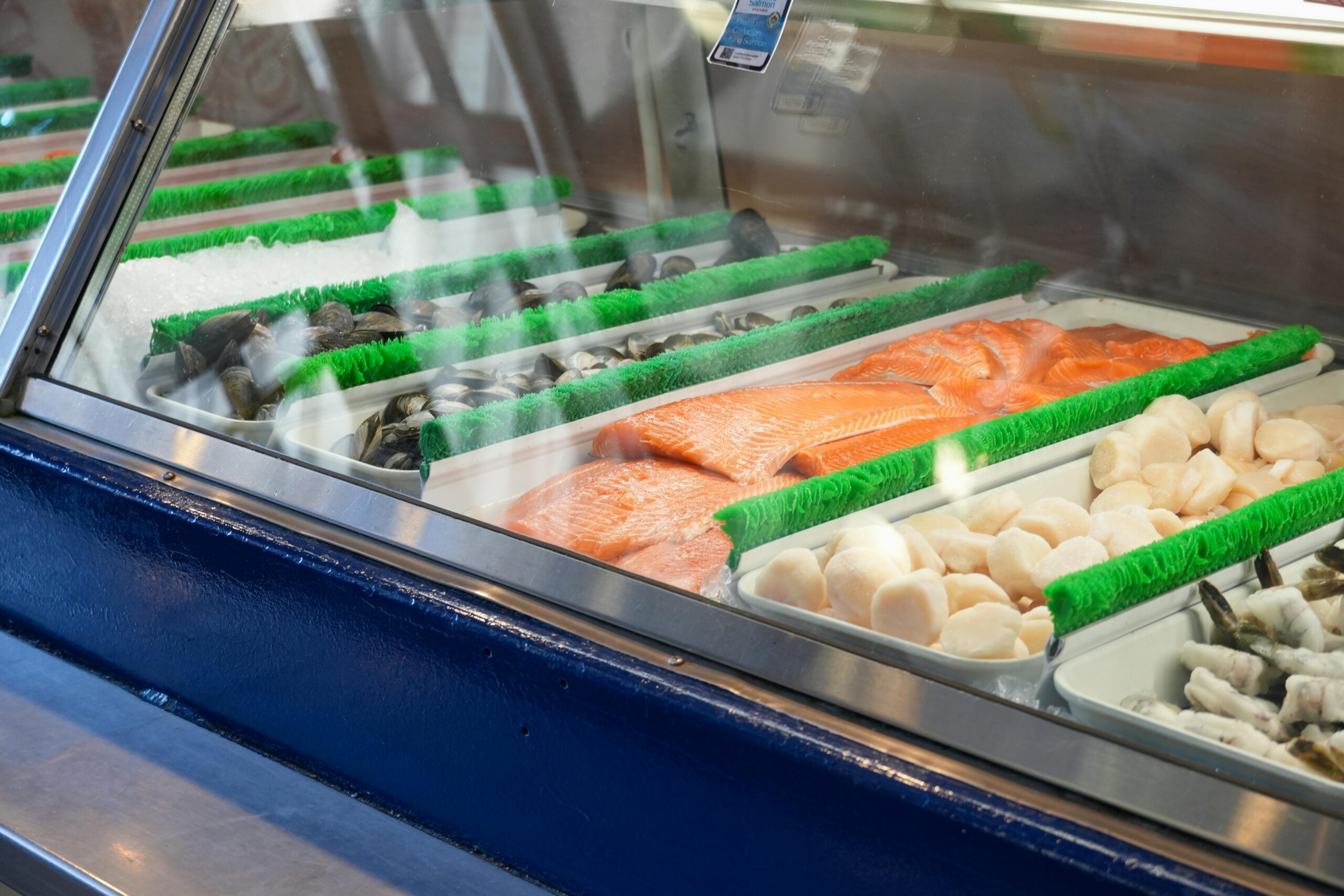
I grew up in New York and spent a lot of time at the beach. Local seafood was abundant and has long been a favorite of mine — not as an indulgence, but as a Tuesday dinner. Long Island Littleneck clams (baked, steamed, Casino style or raw). Shrimp cocktail was my go-to appetizer at all my dinner parties -big, jumbo shrimp too. Broiled, baked or fried fish on Fridays (Flounder in New York, Walleye in Minnesota, Tilapia in California). Scallops were a luxury item and very seasonal. Pickled herring was a must on New Year’s Eve (Dad’s tradition) and since I dated a lot of Italian men, the Christmas Eve tradition, The Feast of the Seven Fishes, was a favorite annual event. Yes, there was always tuna salad too! Seafood was just what I ate, and I did not understand until much later what a nutritional gift that was. Make no mistake, Salmon didn’t arrive on the scene until I was much older, but it is now in regular rotation.
Now in Southern California, cooking for two, I have come to appreciate seafood for a different reason: it is the most perfectly sized protein for two-person cooking. A fish counter portion is almost always two servings. A pound of shrimp is exactly right for two people. A scallop dish for two uses six to eight sea scallops — which is a reasonable market quantity, not a family-pack surplus. Where chicken and turkey almost always come in excess quantities for a two-person household, seafood comes in exactly the right amounts.
Beyond the sizing advantage, seafood is zero points on most WW plans, extraordinarily high in protein, and — for adults over 50 especially — one of the most important nutritional decisions you can make for long-term health. The omega-3 fatty acid science is compelling and we will cover it fully below. The bottom line: two to three seafood servings per week is not a dietary recommendation to take lightly. It is one of the most evidence-based healthy eating strategies available.
For the complete high-protein recipe collection on this site, visit the High-Protein Recipes Guide. For the WW-friendly approach to seafood cooking, see the WW-Friendly Recipes Guide. For the complete two-person cooking framework, see the Complete Guide to Cooking for Two.
The nutrition science around seafood is among the most consistent in the research literature. Here is the plain-language summary:
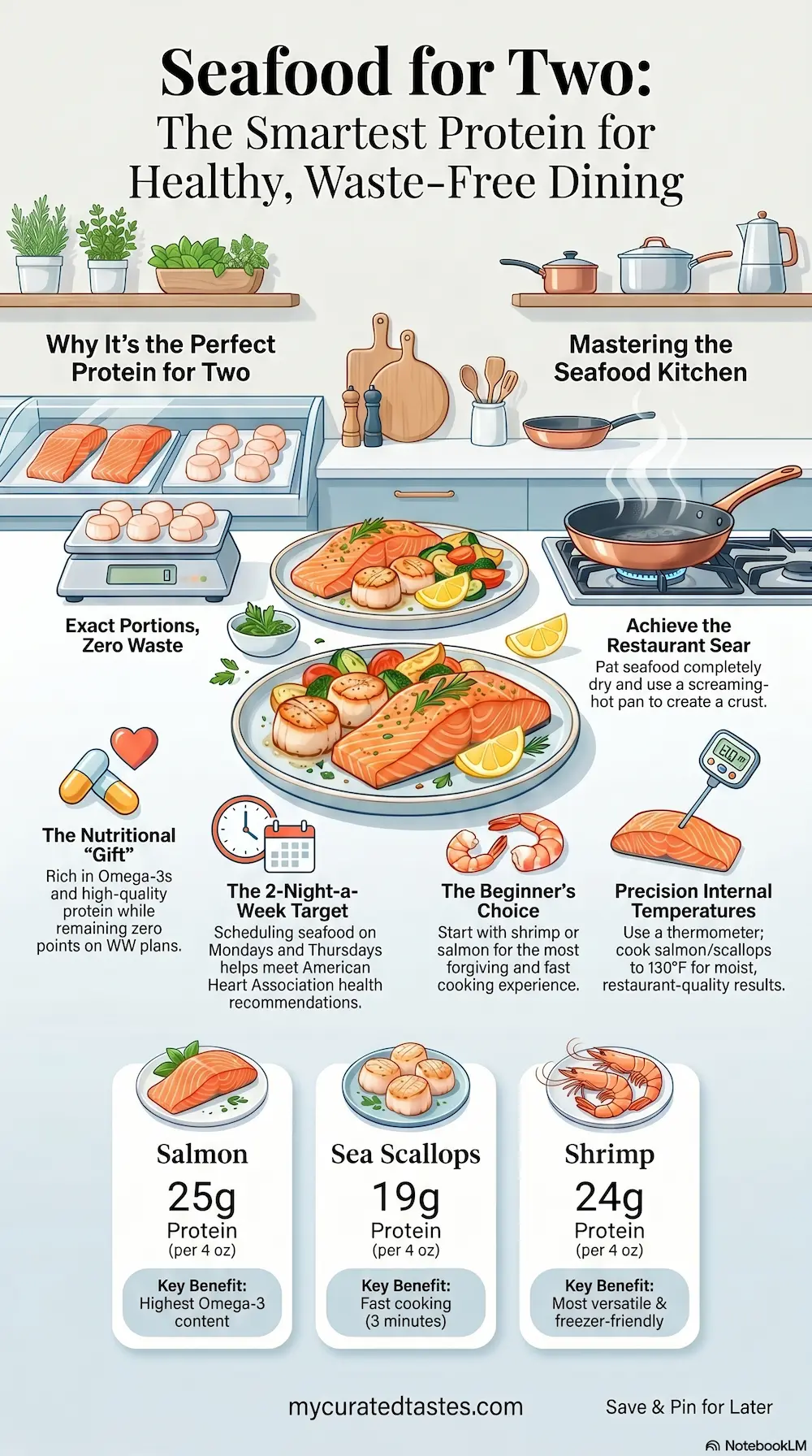
Seafood — particularly salmon, scallops, and shrimp — is the primary dietary source of EPA and DHA, the long-chain omega-3 fatty acids that the American Heart Association recommends at two servings per week for cardiovascular protection. EPA and DHA reduce triglycerides, lower blood pressure slightly, slow plaque buildup in arteries, and reduce the risk of arrhythmias. The cardiovascular benefits are dose-dependent — the more consistently you eat seafood, the more pronounced the protection.
For adults over 50, the omega-3 benefit extends beyond cardiovascular health. Research published in Neurology found that higher omega-3 intake in midlife was associated with larger brain volume and better cognitive performance in later life. Separate research has linked regular seafood consumption to reduced risk of age-related macular degeneration. These are not marginal benefits — they are significant, consistent, and specifically relevant to the empty-nester and midlife demographic that is this site’s core audience.
Seafood delivers some of the highest-quality, most bioavailable protein available — meaning the protein in fish and shellfish is used by the body more efficiently than most plant proteins and comparably to other animal proteins. On most current WW plans, all seafood is zero points. The protein-to-point ratio of seafood is therefore technically infinite — you are getting 25–35 grams of complete protein for zero points. No other food category achieves this combination. This is why the 30 Grams of Protein Dinners for Two guide features seafood prominently — it is the most efficient high-protein, low-point protein available.
| Seafood | Protein per 4 oz | Omega-3 (EPA+DHA) per serving |
|---|---|---|
| Salmon (Atlantic) | 25g | 1,800–2,200mg — highest of any common seafood |
| Sea scallops | 19g | 200–400mg — moderate, excellent protein source |
| Shrimp (large) | 24g | 300mg — lower omega-3, exceptional protein density |
| Cod / Tilapia | 21g | 150–200mg — mild, versatile, low-fat |
| Prawns | 24g | 300–500mg — excellent all-around |
| Tuna (fresh) | 30g | 200–1,000mg — varies by species |
All nutritional data sourced from the USDA FoodData Central database. Omega-3 content varies by species, season, and farming method. Wild-caught salmon consistently delivers higher omega-3 content than farmed.
The fish counter is where two-person seafood shopping becomes genuinely straightforward — and where it diverges most from family-size shopping. Here is the complete buying framework:
The most important seafood buying rule for two people: ask for exactly what you need from the fish counter rather than buying pre-packaged quantities. Two salmon fillets. Six large scallops. Eight ounces of shrimp. Every fish counter will portion to your exact specification — this is not an unusual request. Pre-packaged seafood almost always comes in 1-pound or larger quantities that are too much for two people at one meal and do not hold well for a second meal. Ask the counter staff, specify the quantity, and buy exactly what you need.
| Seafood | Two-Person Buying Guide |
|---|---|
| Salmon | Two fillets, 5–6 oz each. Ask for center-cut fillets for even thickness and consistent cooking time. |
| Sea scallops | 6–8 large dry-packed sea scallops (approximately 10–12 oz total). Specify ‘dry packed’ — wet-packed scallops contain sodium tripolyphosphate and release water during cooking, preventing a proper sear. |
| Shrimp | 8–10 oz of large (21–25 count) shrimp, peeled and deveined. Frozen shrimp from a reputable brand is often fresher than ‘fresh’ shrimp at the counter, which may have been previously frozen. |
| Fish fillets (cod, tilapia) | Two fillets, 5–6 oz each. Uniform thickness is critical for even cooking — ask to see both fillets before buying. |
| Prawns | 8–10 oz of large prawns, shell-on for the best flavor or peeled for convenience. |
| Fresh vs. frozen | For most seafood, individually quick-frozen (IQF) is the standard for quality. Salmon is the exception — fresh is noticeably better when available. Shrimp: always buy frozen. Scallops: buy fresh from the counter when possible. |
Every failed seafood dish I have ever made came from violating one of these five rules. Every successful one followed them. They are not complicated. They are just consistently underemphasized.
Surface moisture is the enemy of properly cooked seafood. Any water on the surface of fish or shellfish must evaporate before the Maillard reaction — the browning that creates flavor and texture — can begin. A wet scallop in a hot pan produces a gray, steamed result rather than the golden sear that defines great scallop cooking. A wet salmon fillet sticks to the pan and tears when you try to flip it. Pat every piece of seafood completely dry with paper towels immediately before it touches the pan, the grill, or the sheet pan. This single step produces a more dramatic improvement than any seasoning or technique that comes after it.
The pan must be genuinely hot before the seafood goes in — not warm, hot. A drop of water should evaporate immediately on contact. Add the oil or fat and let it shimmer before adding the seafood. Then do not touch it. Scallops and fish need 2–3 uninterrupted minutes of contact with the hot pan to develop the crust that makes them worth eating. Every time you move, poke, or prod the seafood, you interrupt the caramelization process and cool the pan surface. Set a timer and do not touch it until the timer goes off. It will release cleanly from the pan when it is ready to flip — if it is sticking, it is not ready.
Sea scallops have a small, tough rectangular muscle on the side that connects them to the shell. If you cook it, it becomes chewy and unpleasant — and it will not cook at the same rate as the scallop itself. Peel it off with your fingers and discard it before doing anything else with the scallop. This takes 30 seconds for a batch of eight scallops and makes a meaningful difference in the finished texture. It is the detail that separates scallops that taste like a restaurant from scallops that taste like a home cook who did not know the trick.
Fish and shellfish go from perfectly cooked to overcooked in a matter of seconds, and the visual cues that work for meat (color, juice run-off) are less reliable for seafood. An instant-read thermometer eliminates all guesswork: salmon is done at 125–130°F for medium (slightly translucent in the center, which is the preferred restaurant temperature) or 145°F for fully cooked. Shrimp is done when it reaches 120°F — this is earlier than most people think, and why perfectly cooked restaurant shrimp is more tender than overcooked home shrimp. Scallops are done at 130°F in the center. These temperatures feel low relative to other proteins, but seafood has a narrow window — trust the thermometer.
Fish (salmon, cod, tilapia) benefits from 2–3 minutes of resting after coming off the heat — the same principle as resting meat. The heat continues to distribute and the juices redistribute through the fillet. Shellfish (scallops, shrimp, prawns) is the opposite — it should be served immediately. Shellfish continues cooking in its residual heat even off the pan, and resting it makes it overcooked. Plate scallops and shrimp directly onto warm plates and serve immediately.
Organized by seafood type. Every recipe is from My Curated Tastes, sized for two servings, and verified to deliver restaurant-quality results in a home kitchen.
Salmon is the most nutritionally complete seafood in this collection — highest in omega-3s, exceptional in protein, and extraordinarily versatile in preparation. These three recipes represent the full range from weeknight simplicity to weekend elegance.
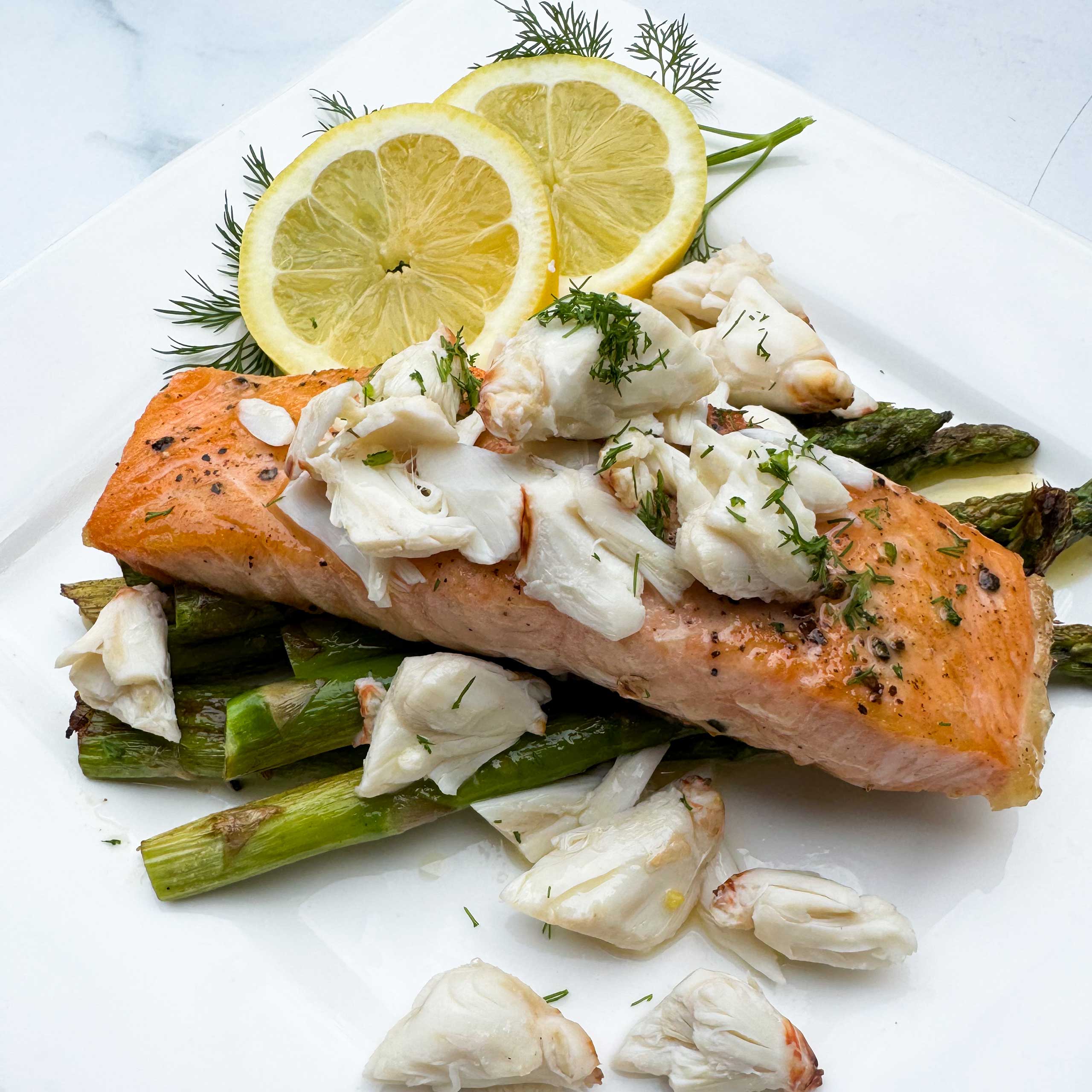
⏱ 30 minutes total 🥩 35g+ per serving ⭐ WW: 5–8 points
The most elegant salmon dinner on this site and the one that most completely captures what cooking for two makes possible. Perfectly pan-seared salmon — golden on the outside, barely translucent at the center — topped with a generous portion of lump crab meat, served over roasted asparagus, and finished with a five-minute lemon butter dill sauce that transforms the entire plate into something restaurant-extraordinary. This is a lighter, smarter interpretation of the classic Steak Oscar — trading the beef for salmon and the labor-intensive Béarnaise for a quick, bright lemon-dill butter that actually enhances the salmon rather than competing with it. Diane first encountered this dish at Nordstrom Café in Newport Beach and immediately set about recreating it at home. The visual presentation alone — golden salmon, ivory crab, bright green asparagus — is genuinely stunning.
💡 Seafood Tip: The key to a perfect salmon sear: dry the fillets completely, heat the pan until a drop of water evaporates on contact, then do not touch the salmon for 4 full minutes. It will release cleanly when the crust has formed. Resist the urge to check.

⏱ 25 minutes total 🥩 30g+ per serving ⭐ WW: 3–5 points
The dinner that first convinced Diane that cooking for two is not a downgrade — it is an upgrade. Two salmon fillets seared until golden in a screaming-hot cast iron, removed to rest, then a cherry balsamic sauce builds in the same skillet in four minutes: fresh or frozen cherries, aged balsamic, a touch of honey, a small knob of butter for gloss. The sauce is poured over the resting salmon at serving, where it pools into the natural contours of the fillet and glistens beautifully. This is a 25-minute dinner that looks and tastes like a restaurant main course. The cherry balsamic sauce can be made one to two days in advance and reheated in 60 seconds — on the night itself, this becomes a 15-minute meal.
💡 Seafood Tip: Use the same cast iron pan for both the salmon and the sauce — the fond (browned bits left from searing) adds enormous depth to the cherry balsamic reduction that a clean pan simply cannot replicate. Deglaze with the balsamic while the pan is still hot.
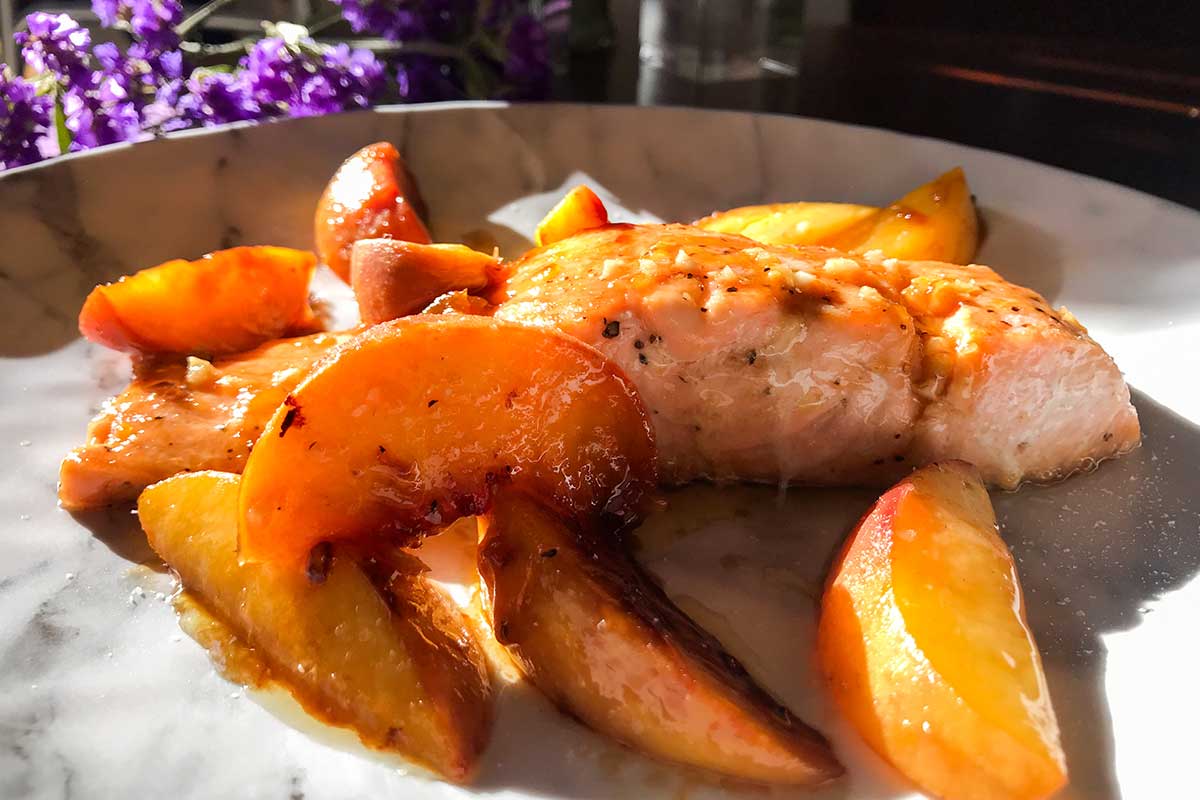
⏱ 30 minutes total 🥩 30g+ per serving ⭐ WW: 4–7 points
One of the most unexpected and genuinely wonderful salmon combinations on this site — and the one that best reflects the Southern California seasonal cooking philosophy. Perfectly seared salmon with a bourbon-peach glaze: fresh or canned peaches, real bourbon (which cooks down to leave only its caramel-like depth), a touch of honey, and Dijon mustard for balance. The bourbon-peach combination sounds unusual until you taste it, at which point it seems inevitable — the sweetness of the peach, the complexity of the bourbon, and the richness of the salmon create a harmony that is distinctly American and deeply satisfying. Make this in late summer with fresh peaches from the farmers market for the definitive version.
💡 Seafood Tip: Use real bourbon — even an inexpensive bottle. The flavor compounds in bourbon (vanilla, caramel, oak) are what make this sauce work. Substitute apple juice if you prefer alcohol-free, but know the result is a simpler, flatter sauce.
Scallops cook in three minutes and look like they took an hour. They are the secret weapon of the two-person seafood kitchen — expensive per pound but requiring so few per serving that a two-person dinner costs less than most people expect. Three preparations that cover the full range from simple to spectacular.

⏱ 15 minutes total 🥩 25g+ per serving ⭐ WW: 2–3 points
The fastest genuinely impressive dinner on this site. Six to eight sea scallops dried completely, seasoned simply with salt and pepper, seared in a screaming-hot cast iron skillet in a small amount of olive oil until they develop a perfect mahogany crust on one side — then flipped, finished for 90 seconds, and bathed in a dill-flavored olive oil and butter that comes together in the pan in the final 60 seconds. Fifteen minutes from cold pan to plate. The presentation — deeply golden seared scallops in an herb-scented butter pool — looks like a first course at a Michelin-starred restaurant. This is the dinner that makes your partner say ‘you made this on a weeknight?’ Yes. You did. It took 15 minutes.
💡 Seafood Tip: Remove the tough side muscle from each scallop before cooking — peel it off with your fingers and discard. It takes 30 seconds total and makes a significant difference. The scallop sears more evenly without it.
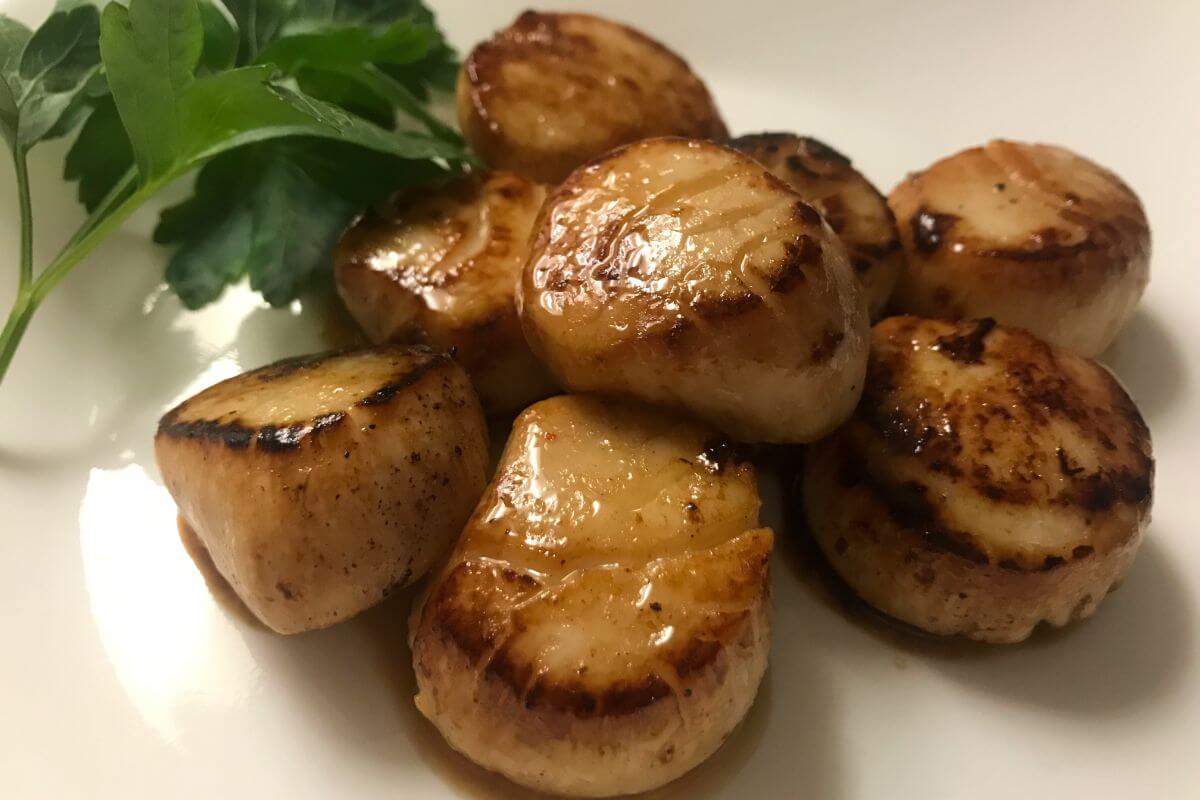
⏱ 15 minutes cooking + 30 min marinating 🥩 25g+ per serving ⭐ WW: 2–4 points
The most boldly flavored scallop dinner in this collection — and the one that produces the most ‘what is that flavor?’ reactions. Sea scallops marinated in soy sauce, mirin, sake, lemon, and Momofuku Chili Crunch for 30 minutes (or overnight in the fridge during Sunday prep), then seared in cast iron until the soy marinade caramelizes into a savory, slightly spicy lacquer on the outside while the interior remains barely-set and sweet. The Asian flavor profile is intense without overwhelming the natural delicacy of the scallop. The chili crunch provides heat and complexity that regular chili flakes cannot replicate. Marinate Sunday and Monday’s dinner is 15 minutes of cooking.
💡 Seafood Tip: Pat the scallops dry after removing from the marinade — the marinade has done its work flavoring the protein, but surface moisture will prevent the sear. Dry, then sear on screaming hot cast iron. Reduce the leftover marinade in a small saucepan and drizzle as a finishing sauce.
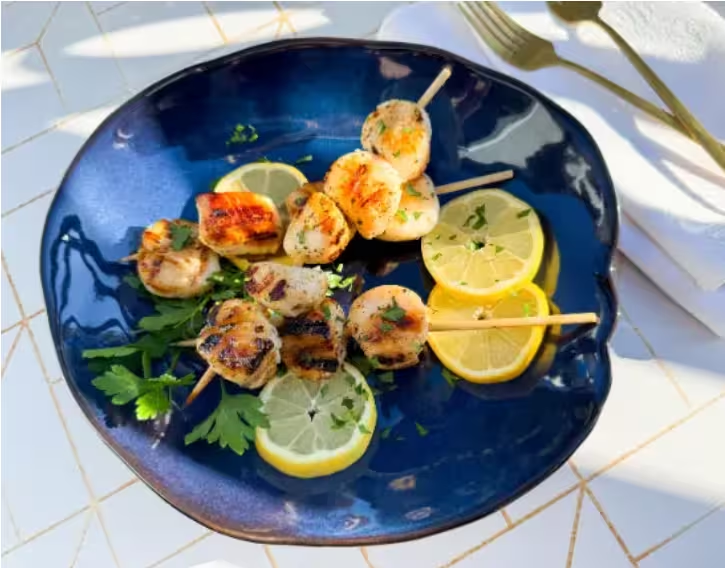
⏱ 15 minutes cooking + 1 hour marinating 🥩 25g+ per serving ⭐ WW: 3–4 points
The outdoor version of the Cast Iron Scallops — marinated in honey, fresh lemon juice, garlic, and Italian seasoning, then grilled or seared until perfectly caramelized with beautiful color on both sides. The honey in the marinade creates caramelization that produces gorgeous grill marks and a slightly sweet glaze; the lemon brightens the scallop’s natural sweetness; the garlic adds depth without overpowering. Marinate for a minimum of 30 minutes, maximum 4–6 hours (longer and the citrus acid begins to denature the protein). Serve on a white plate with lemon wheels and fresh flat-leaf parsley. Spectacular as a dinner main alongside Coconut and Cashew Cauliflower Rice, or as a starter before a more elaborate dinner.
💡 Seafood Tip: Marinate for 1–4 hours in the fridge for the best result — this is the ideal window where the acid brightens flavor without beginning to ‘cook’ the scallop. Beyond 6 hours, the citrus makes the texture mushy.
Shrimp is the most versatile seafood in the two-person kitchen — thaws in five minutes, cooks in three, and works in every flavor profile from Mediterranean to Asian to California coastal. These four recipes cover the full range.
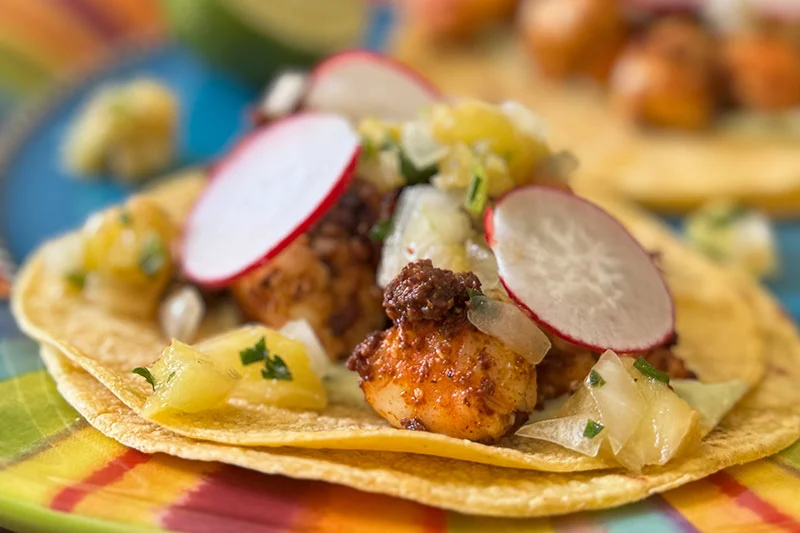
⏱ 25 minutes total 🥩 30g+ per serving ⭐ WW: 5–7 points
The most fun and interactive seafood dinner in this collection. Shrimp and beef chorizo cooked together in a hot skillet until the chorizo fat renders and the shrimp develops a slight char at the edges, then served in warm tortillas with a charred fresh pineapple salsa and a Greek yogurt crema. The pineapple salsa is the element that makes this extraordinary — charred pineapple has a smoky-sweet complexity that raw pineapple salsa cannot achieve. Make the salsa and crema up to a few hours in advance (both improve as they sit), and the night-of cooking is eight minutes. California taco night at home, genuinely elevated.
💡 Seafood Tip: Char the pineapple in a dry cast iron pan or directly on a gas burner flame until blackened in spots — this is what creates the complex smoky sweetness. Raw pineapple in the salsa produces a much simpler, less interesting result.

⏱ 25 minutes total 🥩 50g+ per serving ⭐ WW: 8–12 points — the Friday treat
The pasta dish that earns the most astonished ‘this is WW?’ reactions of anything on this site. Boursin cheese melted into skim milk and pasta water to create a sauce so velvety it seems impossible — combined with seared shrimp, mushrooms, sun-dried tomatoes, and chickpea pasta for 50+ grams of protein per serving. This is the dinner the Friday WW points bank is specifically built to fund. The parallel cooking that makes it 25 minutes: pasta boils on one burner while the shrimp and sauce come together on another, everything merging in the final two minutes.
💡 Seafood Tip: Cook the chickpea pasta one full minute less than the package time — it finishes cooking in the Boursin sauce and absorbs the flavor far more deeply than fully-cooked pasta added at the end. The sauce also thickens to the perfect consistency as the pasta releases its remaining starch.
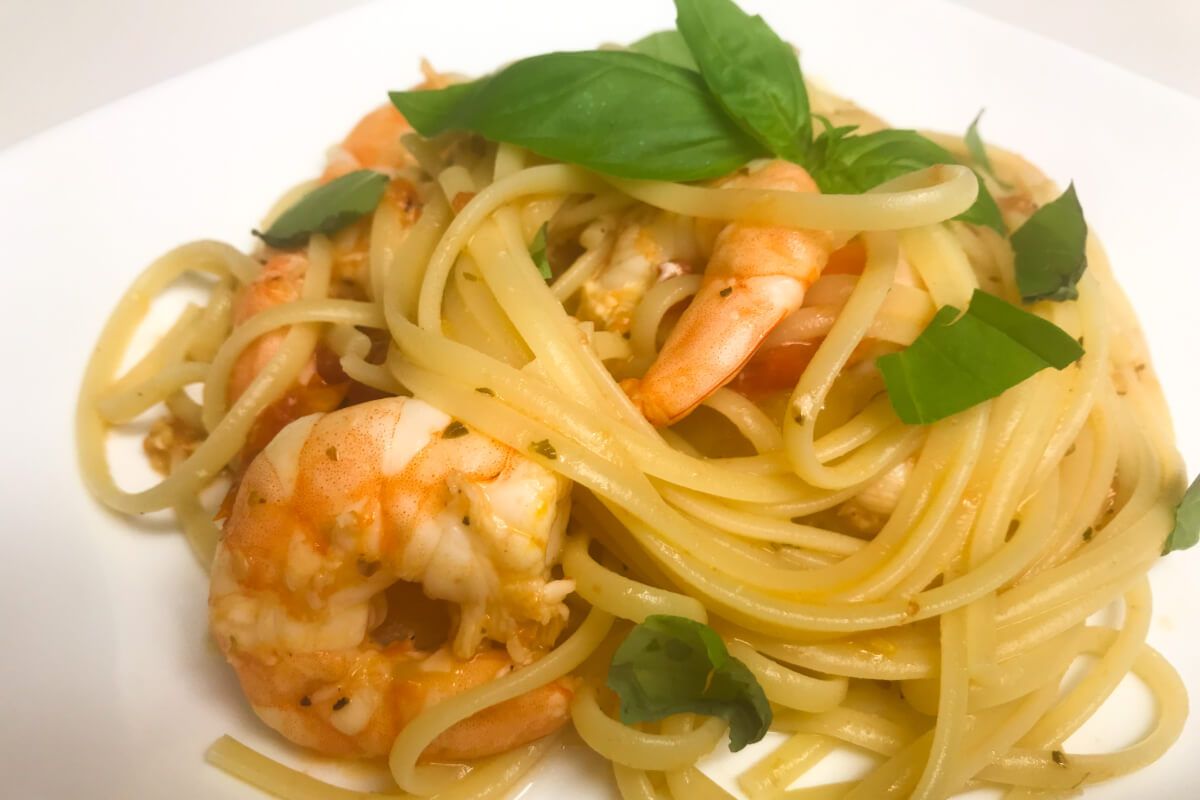
⏱ 20 minutes total 🥩 28g+ per serving ⭐ WW: 7–9 points
The 20-minute pasta dinner that tastes like summer. Fresh tomatoes cooked for exactly four minutes with garlic, a splash of white wine, fresh basil, and olive oil — then tossed with shrimp cooked 90 seconds per side and linguine. The freshness of the sauce demands in-season ripe tomatoes and rewards them with a brightness no canned product replicates. The shrimp goes in last so it does not overcook while everything else comes together. This is the dinner I make in July and August when cherry tomatoes are extraordinary and I want something that takes less time to make than it does to eat.
💡 Seafood Tip: Use ripe, in-season cherry or heirloom tomatoes only — this sauce has nowhere to hide. When good fresh tomatoes are not available, use one can of San Marzano whole tomatoes crushed by hand. The dish remains excellent year-round with this substitution.
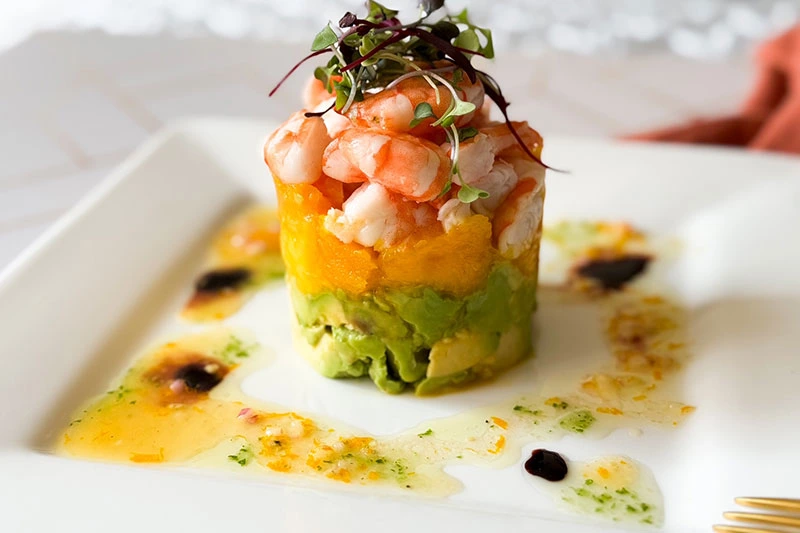
⏱ 30 minutes active (dressings day before) 🥩 22g+ per serving ⭐ WW: 4–6 points
The most visually spectacular seafood starter on this site — and a recipe that works equally as a light main course for two or as the showstopping opener for a date night dinner. Perfectly cooked prawns, ripe mango, and creamy avocado stacked using a ring mold, finished with three separately made dressings: an orange vinaigrette, a basil oil, and a pomegranate balsamic reduction. On the plate it looks like professional restaurant plating — the colors of the mango and avocado against the pink prawns, the glossy reduction pooled around the base. Make all three dressings the day before and the night-of assembly takes five minutes. This is the first course that tells your partner before a word is spoken: tonight is different.
💡 Seafood Tip: Make all three dressings up to 2 days in advance — they improve as they sit, and having them ready transforms this from a complex restaurant dish into a simple assembly. The ring mold is the only tool required for the professional presentation.
White fish fillets — cod, tilapia — are the most practical seafood for weeknight two-person cooking: mild enough to take any flavor profile, fast enough for any weeknight timeline, and typically the most affordable seafood option at the fish counter.
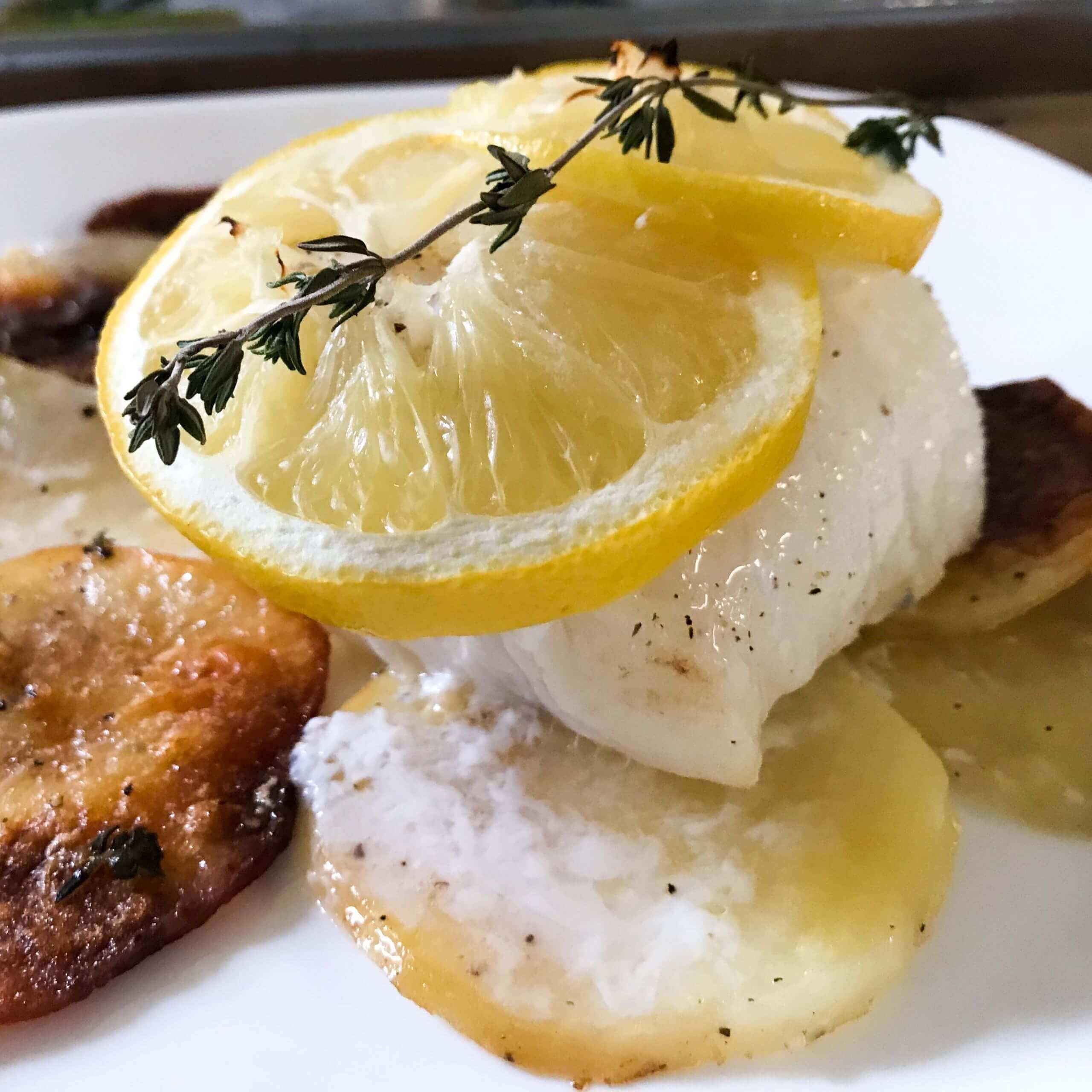
⏱ 55 minutes total (35 min potatoes + 12–15 min fish) 🥩 28g+ per serving ⭐ WW: 4–6 points
The most elegant sheet pan fish dinner for two on this site and the one that most clearly demonstrates the staggered timing technique. Potato slices shingled in two overlapping rows and roasted in butter, garlic, and fresh thyme until deeply golden and crispy — then the cod fillet goes directly on top of the potato base, with a pat of butter and lemon slices laid over the fish, and the asparagus alongside. Everything finishes simultaneously in the final 12–15 minutes. The presentation when this comes from the oven is genuinely restaurant-worthy: the fish elevated on its crispy potato pedestal, the asparagus alongside, the butter and lemon having created a simple basting sauce in the final minutes. This has worked beautifully with halibut, tilapia, and salmon as well.
💡 Seafood Tip: The potato base is the soul of this recipe — take the full 35 minutes to get them genuinely golden before the fish goes on. Pale under-roasted potatoes make the whole dish fall flat. Rotate the pan halfway through for even color.
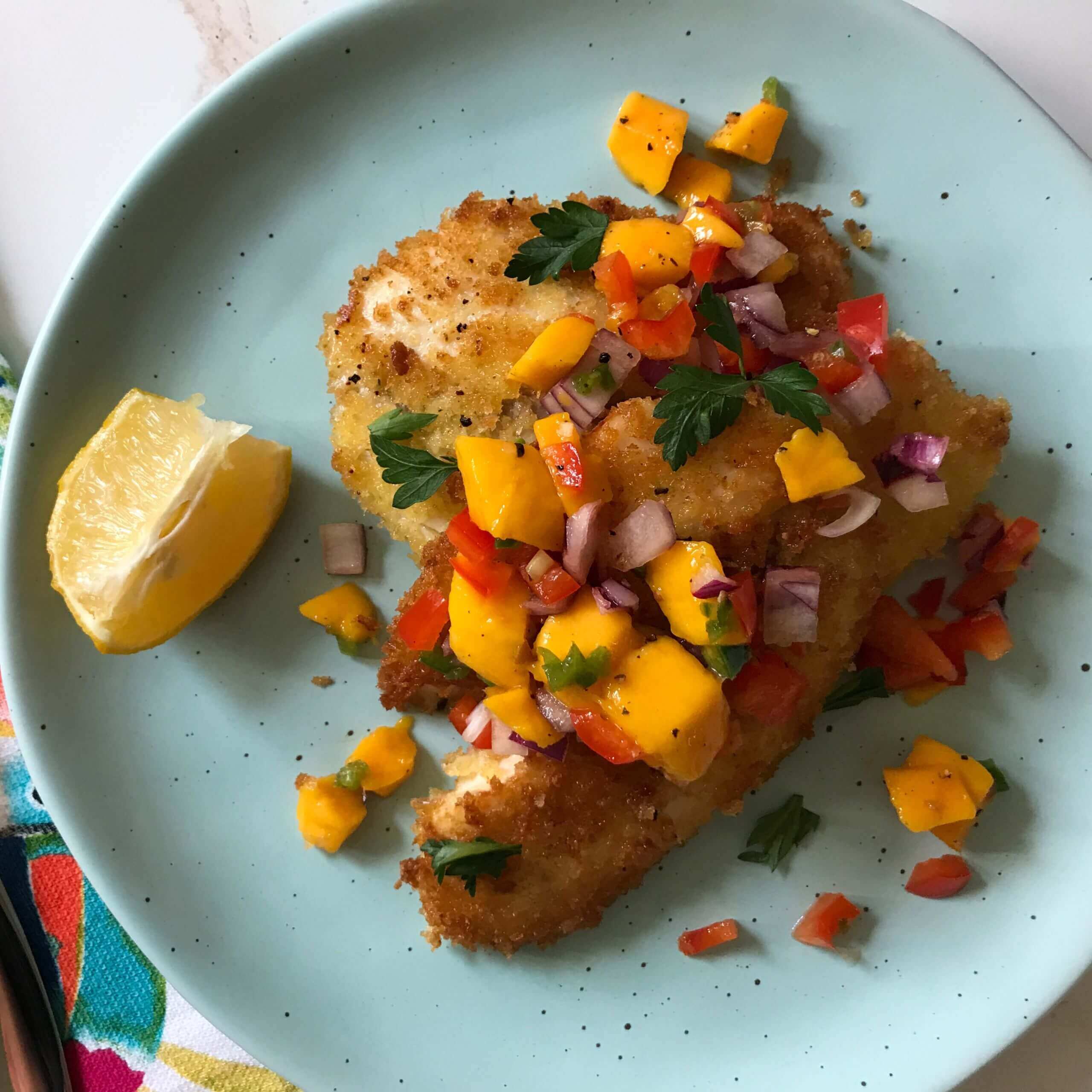
⏱ 25 minutes total 🥩 28g+ per serving ⭐ WW: 4–6 points
The most vibrant and colorful weeknight fish dinner in this collection — and the one that most captures the spirit of Southern California coastal cooking. Panko-coated tilapia fillets cooked in a small amount of olive oil until the crust is shatteringly golden and crispy, then topped at the table with a fresh mango salsa of diced mango, red onion, jalapeño, cilantro, and lime. The contrast of the hot, crispy fish against the cool, sweet-tart salsa is one of those combinations that always works, every single time. Make the salsa first and let it sit while the fish cooks — it improves as the flavors meld, and it doubles as a side dish for any other protein on the table.
💡 Seafood Tip: A preheated pan is essential for a crispy panko crust without deep frying. The immediate bottom heat seals the coating before moisture can escape and soften it. Give the pan 3–4 minutes in the preheated oven before placing the fish, or heat your skillet until very hot before adding oil.
This collection is actively growing as new seafood recipes are added to the site. Every recipe below has been developed in my Southern California kitchen, sized for two people, and tested to the same restaurant-quality standard as the recipes above. Check back regularly — new recipes are added all the time.
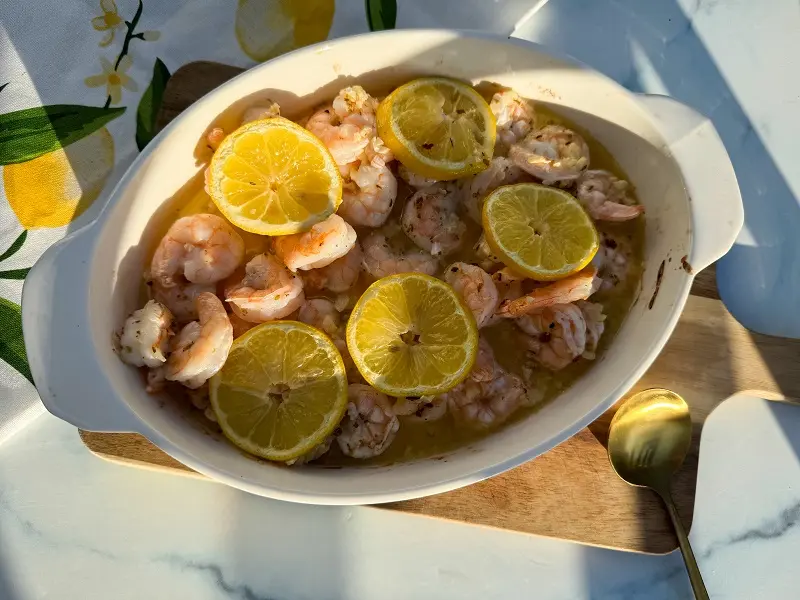
⏱ 20 minutes total — grill or oven 🥩 24g+ per serving ⭐ WW: 3–5 points
A fast, elegant shrimp preparation that works beautifully on the grill or in the oven — making it genuinely year-round. Jumbo shrimp in a classic scampi-style marinade of garlic, butter, lemon, white wine, and fresh herbs, grilled, baked or broiled until just pink and slightly charred at the edges. The scampi flavor profile is one of the most satisfying in seafood cooking — the garlic and butter doing exactly what they are supposed to do — and the grill adds a smoky dimension that the stovetop version never achieves. Ready in 20 minutes, impressive enough for company, and simple enough for a Tuesday. Serve over cauliflower rice for a WW-friendly complete dinner, or alongside crusty bread to catch the sauce. (My fav!)
💡 Seafood Tip: Grill the shrimp on skewers so they do not fall through the grates and are easy to flip simultaneously. Soak wooden skewers in water for 30 minutes before grilling to prevent burning. Or use my tried and true method of putting shrimp in a baking dish and put on the grill with the lid down. You can entertain on the grill, using your grill as an oven. This also works in your kitchen’s oven.
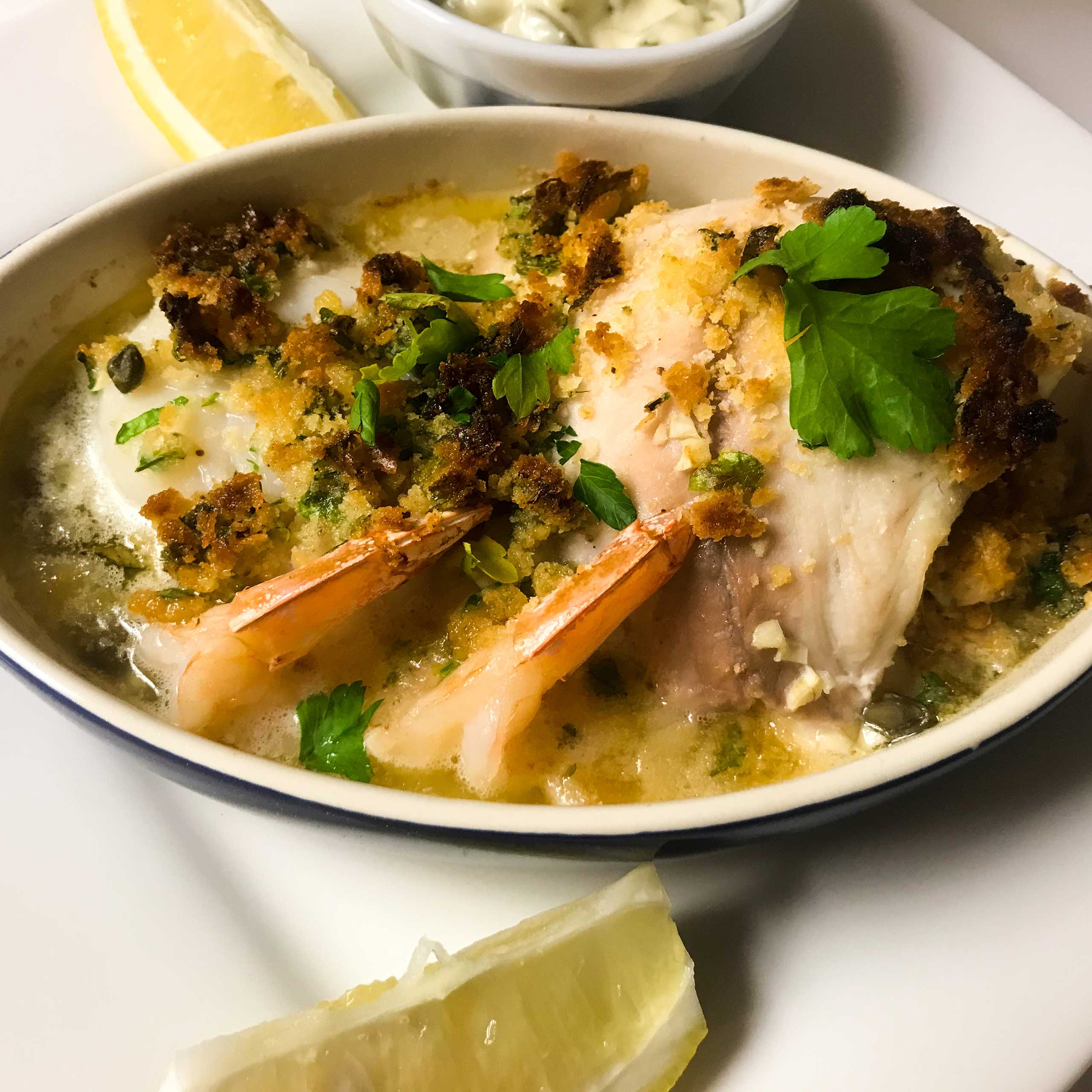
⏱ 45 minutes total — mostly hands-off baking 🥩 35g+ per serving ⭐ WW: 6–9 points
The most spectacular seafood dinner on this site — a full seafood platter combining crab-stuffed tilapia, jumbo shrimp, and sea scallops all baked together in a white wine, butter, and garlic sauce. This is the dinner for the occasions that demand genuine drama at the table: a birthday, an anniversary, the first dinner you make for someone you want to impress completely. Everything goes into one baking dish, the oven does the work, and what comes out is a restaurant-quality platter of three different seafood proteins in an extraordinary sauce. It looks like it cost $100 at a seafood restaurant. It is genuinely achievable at home.
💡 Seafood Tip: Bring the seafood to room temperature for 15 minutes before baking — cold seafood right from the refrigerator into a hot oven produces uneven cooking, with the outside overdone before the center is cooked through.

⏱ 35 minutes total 🥩 30g+ per serving ⭐ WW: 8–12 points — the celebration pasta
The decadent seafood pasta built for celebration — fettuccine loaded with shellfish and smothered in a spicy marinara sauce that is bold, rich, and deeply satisfying in a way that a plain tomato sauce never is. Originally created for New Year’s Eve (the Feast of the Seven Fishes tradition lives here), this pasta earns its place in the regular rotation well beyond the holiday season. Any evening that deserves something genuinely festive is the right occasion. The spicy marinara is the soul of the dish — make it from scratch if time allows, or use a high-quality jarred spicy marinara as a shortcut that costs nothing in flavor.
💡 Seafood Tip: The seafood cooks in the sauce in the final 5 minutes — do not add it earlier or it will overcook. Add the shrimp and scallops last, stir through the hot sauce, cover and let the residual heat do the work for exactly 3 minutes. PS: Don’t just save this for special occasions – Tuesdays are perfect for this…LOL.
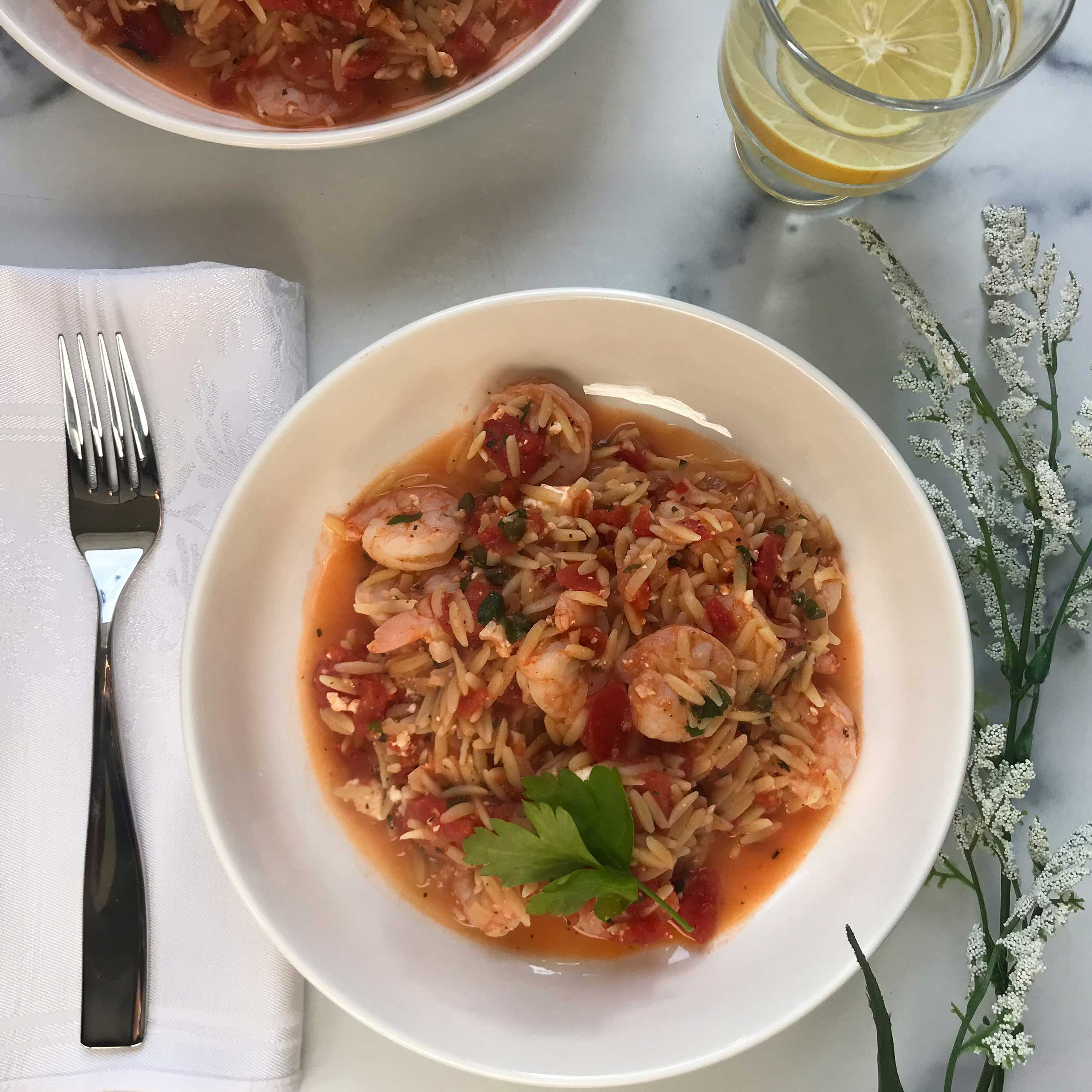
⏱ 30 minutes total 🥩 28g+ per serving ⭐ WW: 6–8 points
A fast, healthy, Mediterranean-flavored dinner for two that has been on this site since the early days — and one that has earned its permanent place in the weekly rotation for good reason. Shrimp and whole wheat orzo in a bright tomato and herb sauce, finished with generous crumbles of authentic feta cheese and fresh herbs. The orzo absorbs the tomato sauce beautifully as it cooks, creating a dish that is somewhere between a pasta and a risotto in texture — deeply satisfying and genuinely comforting in the way that only Mediterranean cooking achieves. This is the weeknight dinner that tastes like a much longer effort than 30 minutes produces.
💡 Seafood Tip: Use authentic PDO feta in brine rather than the pre-crumbled domestic variety — the flavor and texture difference in a dish this simple is significant. However, if you are a WW member like me, I use the fat-free or low fat crumbled feta and am completely satisfied. It saves points and helps me on my WW journey. Use your points as you see fit…just know the difference. You’ve got this!
This section grows every time I add a new seafood recipe on this site. Be sure to check back often for new additions.
Every seafood recipe in this collection is built on a zero-point protein foundation. Here is how to use this collection strategically across a WW week:
For the complete WW weekly meal plan that integrates this seafood rotation: WW-Friendly Meal Plan for Two — 7 Days. For zero-point recipes that complement these seafood dinners as sides: Zero-Point Recipes for Two.
The healthiest seafood options prioritize omega-3 fatty acid content alongside protein density. For two-person cooking: salmon is the clear nutritional leader — 25g protein and 1,800–2,200mg of EPA+DHA omega-3s per serving, with the American Heart Association recommending two servings weekly for cardiovascular protection. Sea scallops deliver exceptional protein (19g per 4 oz) with minimal fat. Shrimp provides 24g protein at essentially zero fat. Cod and tilapia are the most economical white fish options with 21g protein and mild flavor that accepts any seasoning profile. All are zero WW points on most current plans. The recipes in this collection use all five protein types across twelve distinct preparations — enough variety to hit the two-per-week seafood target for six weeks without repetition.
The two techniques that prevent overcooked seafood: an instant-read thermometer and the hot-pan technique. For the thermometer: salmon is done at 125–130°F for medium (the preferred restaurant temperature, with a slightly translucent center), 145°F for fully cooked; shrimp at 120°F; scallops at 130°F in the center. These temperatures feel lower than most cooks expect, which is precisely why thermometers matter — seafood overcooked by even 10 degrees becomes dry and tough. For the hot-pan technique: the pan must be genuinely hot before the seafood goes in. A screaming-hot cast iron or stainless pan sears the exterior immediately, creating a crust that protects the interior from drying out during the cooking process. Combine these two techniques and overcooked seafood becomes essentially impossible.
For beginner two-person seafood cooking, the best starting points are shrimp and salmon fillets. Shrimp is the most forgiving seafood available — it cooks in 2–3 minutes per side, changes color visibly when done (from gray to pink), and is difficult to overcook catastrophically in a short timeframe. Start with the Shrimp, Linguine & Fresh Tomato Sauce — it is a 20-minute dinner that builds confidence quickly. Salmon fillets are the next step — 4–5 minutes per side in a hot pan, rested 3 minutes, and the result is consistently excellent when the pan is properly preheated and the fish is dried before cooking. The Salmon with Cherry Balsamic Sauce is the ideal first salmon recipe — the sauce is made after the fish is removed from the pan and covers any minor timing imperfections. Scallops are the advanced option — spectacular when done correctly, unforgiving when the pan is not hot enough.
On most current WW plans, all seafood protein is zero points — the points come from the sauce, the cooking fat, and any accompaniments. The WW seafood dinner point ranges in this collection: very low (2–5 points) — Cast Iron Scallops, Japanese Spicy Soy Scallops, Salmon with Cherry Balsamic Sauce; moderate (4–8 points) — Shrimp and Chorizo Tacos, Sheet Pan Lemon Cod, Crispy Tilapia, Salmon Oscar, Salmon with Bourbon and Peaches, Marinated Grilled Scallops; higher planned-spend (7–12 points) — Shrimp Linguine, Boursin Pasta with Shrimp. The zero-point protein base means seafood dinners are almost always more point-efficient than equivalent chicken or beef preparations — the sauce and technique carry all the flavor while the fish itself costs nothing on your daily budget. Always verify current point values in the WW app recipe builder with your specific brands and quantities.
The most effective two-person seafood buying strategy: always buy from the fish counter rather than pre-packaged quantities. Ask for exactly what you need — two salmon fillets at 5–6 oz each, six large scallops, eight ounces of shrimp. Every fish counter will portion to specification — this is a completely standard request. Pre-packaged seafood almost always comes in excess quantities for two people and does not hold well for a second meal. For shrimp specifically: buy a bag of IQF (individually quick-frozen) large shrimp and keep it in the freezer — thaw only what you need in cold water for five minutes. This eliminates the waste problem entirely since frozen shrimp keeps for three months and you defrost exactly the quantity you need per meal.
Yes — completely. The restaurant scallop crust is the result of three specific techniques that home cooks almost universally skip. First: the scallops are completely dry. Restaurant prep cooks pat scallops dry an hour before service and let them air-dry on a rack in the walk-in refrigerator. At home, dry them immediately before cooking with paper towels and do not let them sit after drying. Second: the pan is significantly hotter than most home cooks use. Restaurant ranges run at temperatures that home stoves cannot fully replicate, but a preheated cast iron skillet at the highest heat your stove produces gets close. Third: the scallops are not touched for the first 2–3 minutes. Restaurant cooks set them and walk away to handle other tasks — they are not hovering and checking. The scallop releases cleanly from the pan when the crust has formed. If it is sticking, it is not ready. These three techniques — dry, hot pan, do not touch — produce a restaurant-quality sear on any home stove. See the Cast Iron Scallops and Japanese Spicy Soy Scallops recipes in this collection for both preparations demonstrated.
The USDA recommends cooking fish to 145°F for food safety — a temperature that produces a fully cooked, opaque fish fillet with no translucency. Most restaurants cook salmon to 125–130°F (medium) or 135–140°F (medium-well), producing a center that is still slightly translucent and noticeably more moist and flavorful than the USDA standard. The lower temperatures are considered safe for restaurant use because the fish is of verified high quality and is handled under strict food safety protocols. For home cooking, the risk calculus is a personal decision. The FDA’s guidance allows for consumer preference at lower temperatures for sushi-grade and high-quality fresh fish. For vulnerable populations — pregnant women, immunocompromised individuals, elderly adults — the USDA 145°F standard is the appropriate guideline. For healthy adults using fresh, high-quality fish from a reputable fishmonger, cooking salmon to 130°F produces a noticeably superior result. The thermometer is essential regardless of which temperature you target — cooking to feel or visual cues produces inconsistent results at any temperature.
The twelve recipes in this collection across four seafood categories give you a natural rotation system that achieves two seafood dinners per week for six weeks without repetition. The practical framework: designate Monday and Thursday as standing seafood nights in your weekly meal plan. Monday rotates through the salmon recipes — week one Salmon with Cherry Balsamic, week two Salmon Oscar, week three Salmon with Bourbon and Peaches. Thursday rotates through the shellfish and fish fillet recipes — week one Cast Iron Scallops, week two Crispy Tilapia, week three Japanese Spicy Soy Scallops, week four Sheet Pan Lemon Cod, week five Marinated Grilled Scallops, week six Shrimp and Chorizo Tacos. The pasta dishes (Boursin Pasta with Shrimp, Shrimp Linguine) and the Prawn Mango Avocado Salad Stacks slot in on Friday or Saturday when the weekly bank can fund the higher-point options. After six weeks, start the rotation again — with the seasonal adjustments that make each repeat feel fresh (in-season fresh peaches for the Bourbon Salmon in August, for example). For the complete weekly meal planning framework, see the Meal Planning for Two guide.
The American Heart Association’s two-servings-per-week seafood recommendation is not complicated. It does not require elaborate meals, expensive fish, or special equipment. It requires deciding that Monday and Thursday are seafood nights, and having twelve genuinely great recipes to cycle through so neither night ever feels like a repetition or an obligation.
Every recipe in this collection has earned its place at our table — not because it is healthy (though it is), not because it is low-point (though it is), but because it is genuinely delicious. The Cast Iron Scallops take 15 minutes and look extraordinary. The Salmon Oscar is the dinner that makes your partner forget you did not book a restaurant. The Shrimp and Chorizo Tacos are the ones you make when dinner should feel like a celebration.
Pick one this Monday. Pick a different one Thursday. Repeat for the rest of your life. Your heart, your brain, and your dinner table will all be better for it.
For the complete high-protein recipe collection: High-Protein Recipes Guide. For the WW approach: WW-Friendly Recipes Guide. For high-protein dinners beyond seafood: 30 Grams of Protein Dinners for Two. For date night seafood ideas: Date Night Dinners for Two at Home.

Hi! I’m Diane. I started this site as a passion project. I love to cook, entertain, travel and laugh. (Who doesn’t love a good laugh?) Of course, being from New York, sarcasm rules!
More About Diane
mycuratedtastes@gmail.com