Add Us As A Trusted Google Source
 Cooking for Two on a Budget
»

Quick Summary — What You Will Find in This Post
The complete WW soup guide for two-person households — the recipes, the strategy, the freezing system, and everything the major WW soup roundups do not cover. Here is what makes this collection different:
I have been on WW for more years than I care to count, and if I had to identify one food category that has done more work for my tracking goals than any other, it would be soup. Not salad — soup. Not protein shakes — soup. A proper bowl of broth-based soup with substantial ingredients is one of the most reliably satisfying, most points-efficient, and most psychologically comforting meals available on any WW plan. It started with that infamous zero-point vegetable soup. It has been around since the beginning of time. I could have it for lunch, dinner, a snack or just to fill me up on a cold afternoon. Of course, over the years I added protein (beans, shredded chicken, maybe some light shredded cheese) and if I was really hungry, a couple of tablespoons of brown rice or whole wheat baby pasta. I worked that soup for years…lol. I still have a version of it on the site – Healthy Minestrone Soup. Try it, you’ll like it!!!
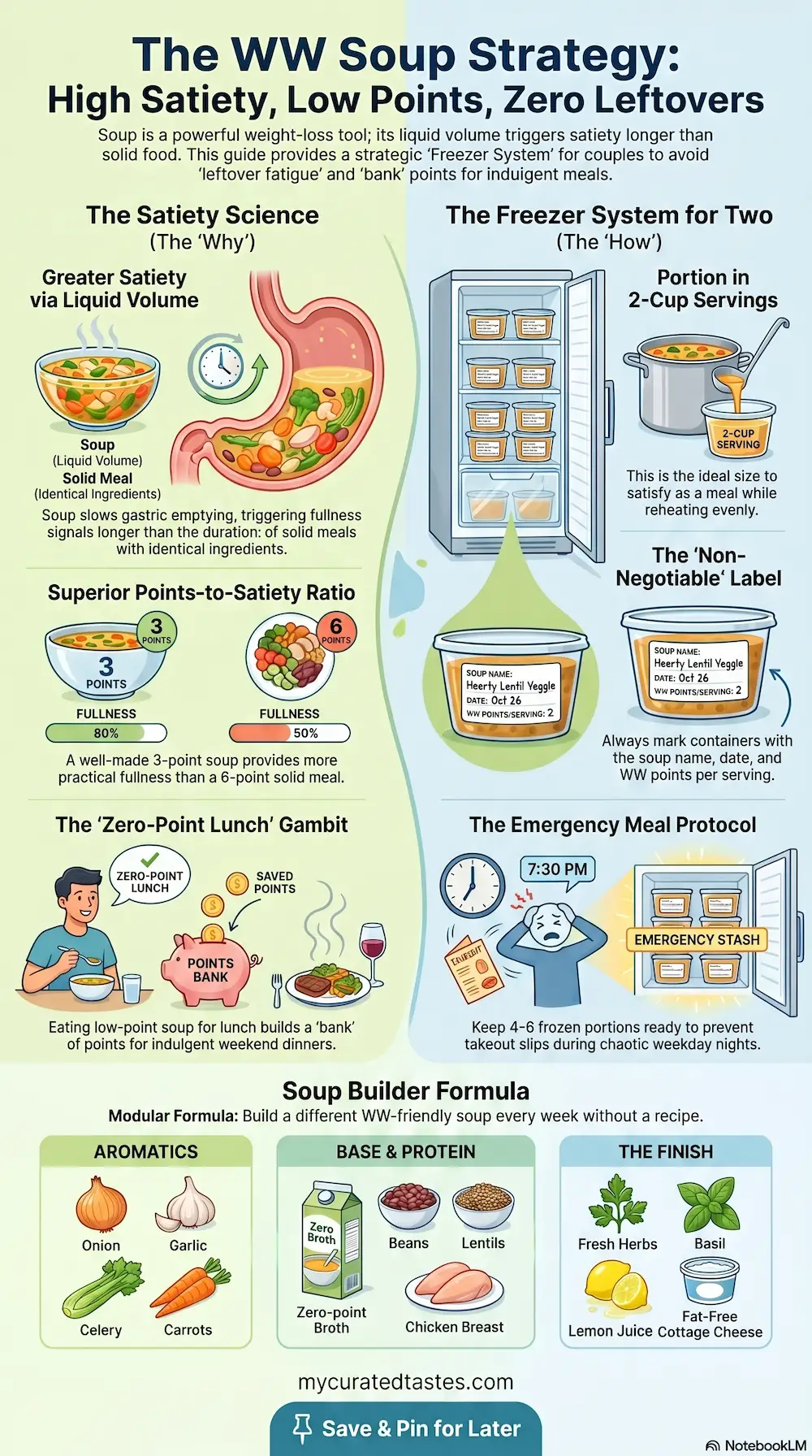
The science supports this intuition. Research published in Appetite found that eating the same ingredients as a soup versus as a solid meal produced significantly greater satiety and reduced caloric intake at the next meal — despite identical nutritional content. The liquid volume of soup occupies stomach space, slows gastric emptying, and extends the sense of fullness well beyond what the same ingredients would provide if eaten without the broth. For WW members, this means a well-made 3-point soup can provide more practical fullness than a 6-point solid meal of equivalent ingredients. That is a remarkable points-to-satiety ratio.
Beyond the satiety science, soup is the ultimate WW flexibility tool. A zero-point or near-zero-point soup lunch means the entire daily budget is available for dinner. A substantial 4-point soup dinner means the daily budget is almost entirely intact for the rest of the day. And soup is the food that freezes best — making it the foundation of the grab-and-go system that gets WW members through their most chaotic weekday moments.
For the complete WW recipe philosophy on this site, visit the WW-Friendly Recipes Guide. For the two-person cooking framework, see the Complete Guide to Cooking for Two. And for the complete WW-for-couples system, see the Cooking for Two on Weight Watchers guide.
Soup presents a specific structural challenge for two-person households that nobody in the WW soup space is addressing directly. Every major WW soup recipe serves 6–10 people. The simple math: if you make a 6-serving soup for two people, you have four servings left over. Those four servings take up refrigerator space, must be eaten within 3–4 days, and create the exact problem that makes WW feel like deprivation — eating the same thing four days in a row.
| Soup Approach | The Problem | The Solution Here |
|---|---|---|
| Standard WW soup recipe (6–10 servings) | 4–8 leftover servings for 2 people — repetitive, fridge-crowding | Two recipes sized for 2; one exception made by design |
| Scaled-down family soup | Math errors, flavor imbalance, too little broth | Recipes written for 2 from scratch — no scaling required |
| Single-serving soup | Too little effort payoff, less developed flavor | 2 servings minimum — enough to share at one meal |
| Large batch with no system | Leftovers pile up, wasted food, WW boredom | The Minestrone Exception: large batch + freeze individually |
The solution in this collection: two soups sized for two people (enough for one meal, no leftovers), and one deliberate exception — the Healthy Minestrone — that is made in a large batch specifically to be frozen in individual portions and used as grab-and-go meals throughout the month. That exception has its own philosophy, explained in full below.
Two sized for exactly two people. One made in batches by design. All genuinely WW-friendly, all genuinely delicious.
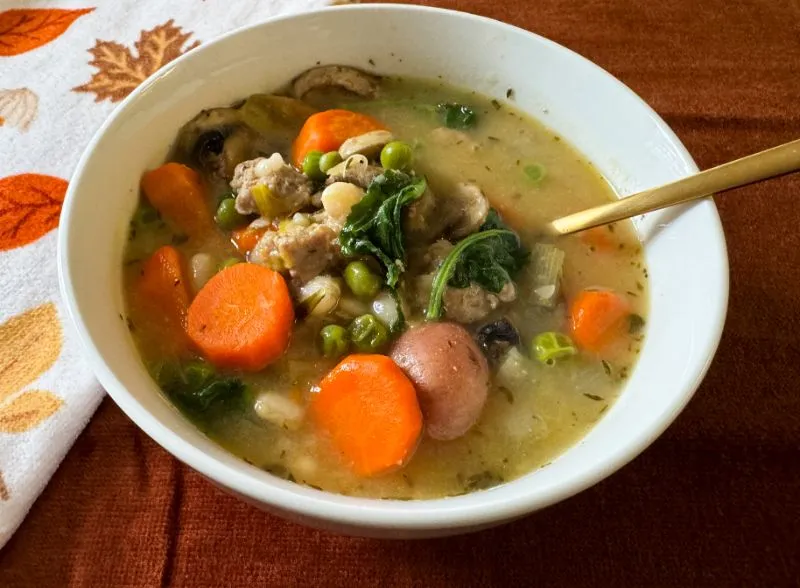
🫘 Cannellini Bean and Sausage Soup
⏱ 45 minutes total | 🥩 25g+ per serving | ⭐ WW: 4–6 points per serving
The soup that comes closest to a stew — and the one I make when I want something that genuinely stands in for a full meal. Turkey sausage (Jenny-O Sweet Italian, casings removed) browned in butter with bay leaves, rosemary, sage, and thyme, then combined with white cannellini beans, carrots, celery, mushrooms, potatoes, and abundant vegetables in a deeply flavored broth. This is a proper rustic Italian-style soup that is practically a stew — chunky, hearty, and built to satisfy in a way that lighter vegetable soups simply cannot. It has been my dinner three times in the same week before and gotten better each day as the flavors developed. Serve with a small piece of crusty bread or finish with a sprinkle of Parmesan — both are worth the extra point investment on a cold evening. FULL DISCLOSURE: I make this in batches (I know it seems like I’m breaking my own rule “soups for two”), but this is so delish and a full meal. I’ll make this as part of my weekly food prep and portion into individual servings so we can grab it for lunch or dinner any time during the week. So much better than a frozen dinner.
💡 Soup Tip: This soup improves significantly the day after it is made as the sausage and bean flavors infuse the broth. Make it Sunday evening, eat it better Monday and Tuesday. Double the batch to fill the freezer — it freezes beautifully in individual 2-cup portions for up to 3 months.

⏱ 35 minutes total | 🥩 25g+ per serving | ⭐ WW: 3–5 points per serving
A properly made, from-scratch chicken and rice soup sized for exactly two people — so there is no enormous pot of leftovers and no compromise on flavor or quality. Tender chicken, long-grain rice, carrots, celery, onion, and herbs in a clear, deeply flavored broth that tastes like it simmered all day even though it takes 35 minutes. This is the soup for the days when someone is under the weather, the week has been hard, or nothing else sounds right. From-scratch broth (versus canned) makes an enormous flavor difference — use low-sodium store-bought as a shortcut and season at the end, or pull frozen homemade broth from the freezer if you have it. The rice adds body and satisfaction without meaningful points. One pot, one serving bowl each, done.
💡 Soup Tip: Use low-sodium broth and season with salt at the end — starting with regular sodium broth and reducing it produces an oversalted soup. Freeze individual portions in 2-cup containers if you want a second meal from this one: pull from the freezer the night before, refrigerate overnight, microwave 90 seconds at lunch.
Why This Soup Breaks the Two-Person Rule — and Why That Is Exactly Right
I know I said for two people. This one is sized for ten. And I am completely unapologetic about it. (I know, I know, that’s twice in this one post – trust me, it is worth it!)
The Healthy Minestrone is not a two-person dinner soup — it is a meal prep powerhouse that I make in large batches specifically because it is the most nutritionally complete, most satisfying, most versatile WW-friendly soup I have ever developed, and making it in small quantities would be like buying one postage stamp. The whole point is the volume. FYI: I can’t take full credit for this recipe; it all started with the infamous zero-point WW veggie soup my mother made when I was a kid. BTW: no one has to know this is a Weight Watcher recipe…no one will ever guess.
Here is how the system works: I make a full pot on Sunday afternoon — a proper 10-serving batch. While it cools, I pull out my quart-size freezer bags and 2-cup containers. I portion every serving individually, label each one with the date and point count, and stack them in the freezer. By Sunday evening, I have 10 individual ready-to-heat meals in my freezer that will last up to three months.
Monday through Thursday, whenever I need a fast lunch or a light dinner, I pull a container from the freezer the night before and refrigerate it overnight, or defrost in 90 seconds in the microwave directly from frozen. Two minutes of reheating and I have a hot, satisfying, genuinely nutritious meal that costs 2–4 points and requires zero cooking on the day. This is the grab-and-go WW system that gets me through the busiest weeks without making a single poor food choice under time pressure.
The Minestrone has become such a constant in my house that it often stands in for a full meal — not just as a side or starter, but as the entire lunch or dinner. It is that substantial. Loaded with vegetables, legumes, and flavor, it genuinely satisfies in a way most soups cannot. When I have a Minestrone in the freezer, I am never more than two minutes from a completely WW-compliant, genuinely delicious hot meal. That is worth making 10 servings on a Sunday. Be sure to check out my meal prep for two guide for step-by-step recommendations for planning ahead.
While this is delicious all on its own, I have lots of tricks for using this as a “base” and then adding more protein when I want a more substantial meal. I’ll pre-cook some whole wheat or high-protein pasta (small shapes like elbow, and shells work great) and keeping that in a container in the fridge. Add a couple of tablespoons and up to a 1/4 cup for a more filling version of the soup.
Add more beans, or shredded chicken for more protein. Add grated Parmesan on top, or a dollop of fat-free Greek yogurt for more protein. When I’m really hungry, I’ll add a slice of hearty, high-fiber bread with smashed avocado on the side. This simple soup becomes a main meal and one I love over and over again.
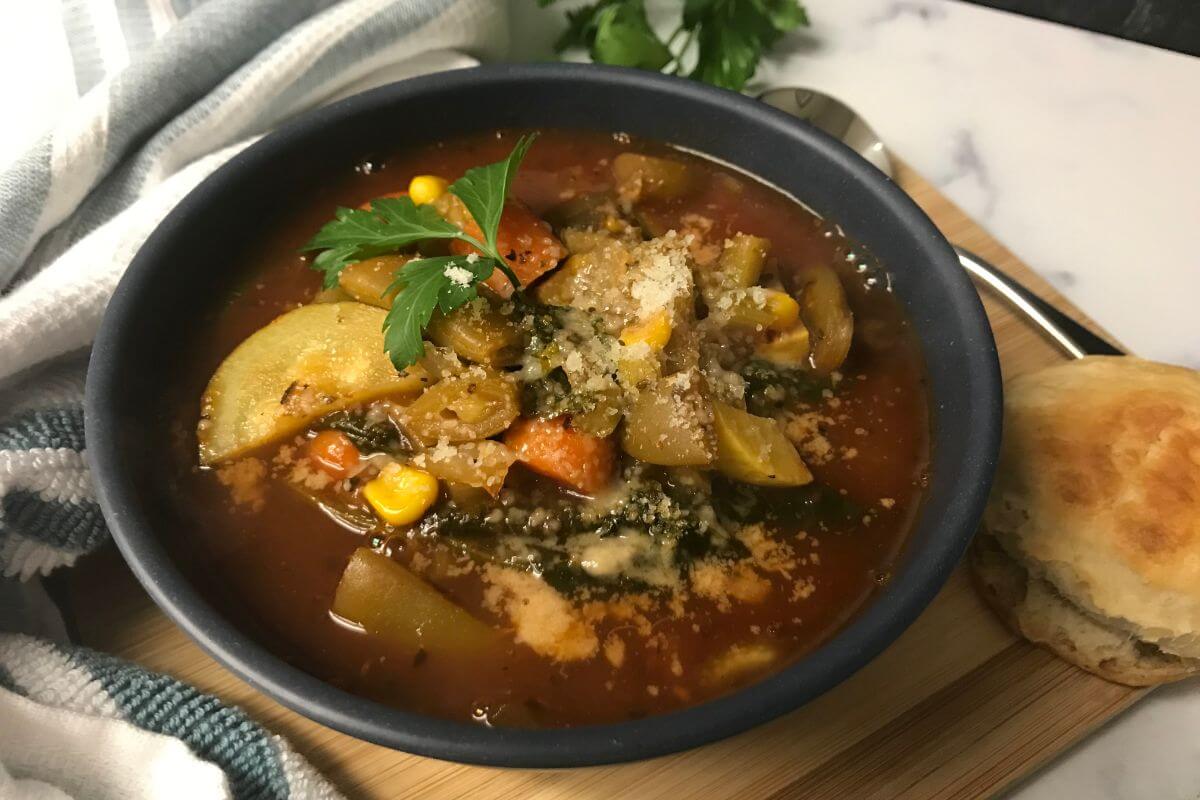
⏱ 60 minutes total | Makes 10 servings — freeze individually | 🥩 12g+ per serving | ⭐ WW: 2–4 points per serving
The soup that lives in my freezer at all times and has saved my WW plan more times than I can count. A proper Italian-style minestrone — loaded with zucchini, carrots, celery, onion, garlic, canned tomatoes, kidney beans, spinach, and small pasta in a deeply flavored vegetable or chicken broth seasoned with fresh basil and Italian herbs. Every ingredient contributes something: the beans add protein and fiber that produce real satiety; the pasta makes it feel like a complete meal; the abundant vegetables create volume and nutrition far beyond their point cost; the broth itself is deeply comforting in a way that no meal replacement or protein shake ever achieves. This is genuinely one of the most nutritionally complete soups available — and at 2–4 points per serving, it is also one of the most points-efficient meals on this site. I make this every few weeks, fill the freezer, and eat from it until it runs out. Then I make another batch.
💡 Soup Tip: This soup is designed for large-batch cooking and freezing — making it for just two people misses the entire point. Make the full recipe, cool completely before portioning, and freeze in labeled 2-cup containers. From frozen: defrost overnight in the fridge and microwave 90 seconds, or microwave from frozen for 3–4 minutes, stirring once. Add a little extra broth when reheating as the pasta absorbs liquid during storage.
Freezing soup properly is what separates a one-time cooking effort from a weeks-long convenience system. Here is the exact process I use:
| Soup | Freezes Well? |
|---|---|
| Healthy Minestrone | Excellently — designed for it. Up to 3 months. Add broth when reheating. |
| Cannellini Bean & Sausage Soup | Excellently — the beans hold up, the sausage stays flavorful. Up to 3 months. |
| Chicken & Rice Soup for Two | Well, with a caveat — the rice continues to absorb liquid and soften. Freeze without the rice and add fresh-cooked rice when reheating for best texture. |
| Broth-based vegetable soups (general) | Excellently — freeze up to 3 months with no quality loss. |
| Cream-based soups | Poorly — cream separates when frozen and reheated. Freeze before adding cream; add cream when reheating. |
| Soups with potatoes | Fairly — potatoes become grainy when frozen. Dice them small for better results. |
The WW points bank strategy works best when you have reliable, satisfying low-point meals that you can eat confidently on Monday through Thursday to build the bank for Friday and Saturday. Soup is the most powerful tool for this purpose in the entire WW toolkit. Here is the complete integration:
For the complete WW weekly meal plan that integrates soup nights: WW-Friendly Meal Plan for Two — 7 Days. For all zero-point meal strategies: Zero-Point Recipes for Two.
Once you understand the structure of a WW-friendly soup, you can improvise a new one every week from whatever is in your pantry and refrigerator. Here is the formula:
The 5-Part WW Soup Formula
Part 1 — Zero-point broth base: 4–6 cups low-sodium chicken, vegetable, or beef broth. Zero points. The foundation of everything.
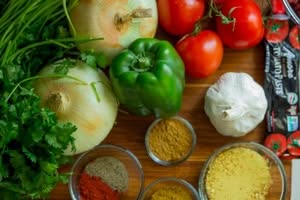
Part 2 — Zero-point aromatics: Garlic (2–4 cloves), onion (1 medium), celery (2–3 stalks), carrots (2 medium). Sauté in a small amount of cooking spray or a half-teaspoon of olive oil before adding broth.
Part 3 — Zero-point vegetables: 2–3 cups of any non-starchy vegetables: zucchini, spinach, kale, cabbage, green beans, tomatoes, peppers, mushrooms. Add in the last 15–20 minutes of cooking so they do not overcook.
Part 4 — Optional protein or starch (adds minimal points): Canned cannellini beans or chickpeas (zero points on most WW plans — verify yours), shredded rotisserie chicken (zero points), lean turkey sausage (3–4 points per serving), small pasta or brown rice (3–4 points per serving). Add based on your daily budget.
Part 5 — Flavor finishers: Fresh herbs (parsley, basil, thyme, dill — zero points), a squeeze of lemon or splash of red wine vinegar (zero points), a small amount of Parmesan (1 point per tablespoon — worth it), chili flakes, smoked paprika, Italian seasoning. Season and taste before serving.
This formula produces a genuinely different soup every week simply by varying the vegetable choice, the protein, and the flavor profile.
The best WW-friendly soups for two combine a zero-point broth foundation with substantial protein or legume additions that create genuine satiety. From this site: Cannellini Bean and Sausage Soup (turkey sausage and white beans in an herb-rich broth — 4–6 WW points, genuinely hearty), Chicken & Rice Soup for Two (from-scratch broth, tender chicken, rice and vegetables — 3–5 WW points, perfectly sized for two), and the Healthy Minestrone Soup (made in large batches and frozen individually — 2–4 WW points per serving, the most nutritionally complete soup on this site). The structural principle for any WW soup: start with a zero-point broth, load with zero-point vegetables, add protein through zero-point chicken or legumes, and keep pasta and starch additions minimal if points are tight.
Homemade WW soup point values vary enormously by ingredients: pure vegetable broth soups with non-starchy vegetables are zero to 1 point per serving. Soups with added legumes (cannellini beans, chickpeas, lentils) are 0–3 points depending on your specific WW plan — verify in the WW app as legume point values vary by plan type. Soups with added pasta or rice are typically 3–6 points per serving depending on quantity and pasta type. Soups with added lean protein (shredded chicken, turkey sausage) add 0–4 points depending on the protein and fat content. The highest-point elements in homemade soup are usually the starchy additions (pasta, rice, potatoes) and any fat used in preparation (butter, oil). Always calculate your specific soup in the WW app recipe builder using your exact brands and quantities — the estimates above are general guidance only.
The answer is the freezing system described in this post — making a large batch and freezing individual portions rather than keeping the entire batch in the refrigerator to eat over consecutive days. Refrigerator soup gets repetitive. Frozen soup is a treasure that surprises you three weeks later when you open the freezer and find a perfect ready-to-heat meal. The Healthy Minestrone on this site is specifically designed for this approach — make 10 servings on Sunday, freeze 8 of them in labeled individual portions, and you have WW-compliant meals appearing at random throughout the next month whenever you need them. Keep at least four to six individual frozen soup portions available at all times — this is the system that makes WW sustainable during busy weeks when cooking is not an option.
A properly built WW soup can absolutely serve as a complete meal — the key is ensuring it contains adequate protein and fiber to provide genuine satiety. The three soups in this collection all qualify as complete meals: the Cannellini Bean and Sausage Soup delivers 25g+ protein and substantial fiber from the beans and vegetables; the Chicken & Rice Soup delivers 25g+ protein from the chicken; and the Healthy Minestrone delivers 12g+ protein per serving plus fiber from the beans and pasta that keeps you full well past the typical dinner hour. The distinction between a soup that is a meal and one that is a starter is protein content — a vegetable broth with floating vegetables is a starter. A soup with beans, legumes, or lean protein plus vegetables is a meal. Every soup in this collection is a meal.
The most points-efficient protein additions for WW soups: shredded rotisserie chicken (zero points — the most efficient option), canned chickpeas or cannellini beans (zero points on most WW plans — verify yours in the app), firm tofu cut into cubes (zero points on most WW plans), egg whites stirred in during the last 2 minutes of cooking (zero points, creates a silky egg-drop effect), or fat-free cottage cheese blended smooth and stirred in as a finishing element (zero points, adds creaminess and protein simultaneously). For a more substantial protein addition, lean turkey sausage (3–4 points) is the richest-tasting option and produces the most satisfying result — as demonstrated by the Cannellini Bean and Sausage Soup in this collection.
This is the most common two-person soup complaint and the question nobody in the WW soup space is answering directly. There are three approaches, and the right one depends on how much you like the soup. Approach 1: Make it sized for exactly two — the Chicken & Rice Soup for Two on this site is written for two servings from scratch, no scaling required. Approach 2: Make a larger batch intentionally and freeze immediately — the Minestrone approach described in this post. If you make 10 servings and freeze 8 of them the same day, you never have ‘a week’s worth of leftovers’ — you have a month’s worth of frozen convenience meals that appear individually when you need them. The critical difference between leftovers and frozen convenience: leftovers are in the refrigerator, waiting to be eaten before they go bad, pressuring you to eat the same thing four days in a row. Frozen portions are invisible until you choose to use them, creating variety rather than monotony. Approach 3: Scale the large recipe down. Use the scaling system in the How to Scale Any Recipe for Two guide — but know that scaling a recipe from 10 servings to 2 is one of the more challenging scaling exercises, particularly for soups where broth-to-ingredient ratios matter.
Research published in Appetite directly tested this question — giving participants either soup or the same ingredients eaten as a solid meal with water alongside. The soup group reported significantly greater satiety and consumed fewer calories at a subsequent meal, despite identical nutritional content in both conditions. The mechanism is the liquid volume of soup: it occupies stomach space, reduces gastric emptying rate, and triggers stretch receptors in the stomach wall that send satiety signals to the brain. These signals persist for longer when the volume is distributed as liquid through the stomach contents than when it is concentrated in solid food. The practical implication for WW: a bowl of soup with identical ingredients to a sandwich will keep you fuller for longer, making it a better points investment on days when you need to extend satiety across a long afternoon or evening. This is why starting a dinner with a small cup of zero-point broth soup 15 minutes before the main course is one of the most practical WW satiety strategies available.
Most homemade broth-based soups maintain excellent quality in the freezer for up to 3 months. Cream-based soups should be frozen before the cream is added (add cream when reheating) — freeze the base soup only. Soups with pasta or rice continue to absorb liquid and soften during storage; for the best texture, freeze soup without pasta or rice and add freshly cooked pasta or rice when reheating. Signs that frozen soup has passed its prime: significant ice crystals throughout (freezer burn from improper sealing or temperature fluctuations), off-color broth (gray or brown tones instead of the original amber or red), or an off-smell when thawed. Prevent these by: sealing containers completely with no air space at the surface (press plastic wrap directly onto the soup surface before sealing the lid), freezing in portions you will use within one meal (so the container is never partially refrozen), and labeling with the freeze date so you use oldest first. Properly frozen and labeled soup at three months is genuinely indistinguishable from soup frozen one week ago. The labeling is the only thing that tells you when to use it.
The WW member who has soup in the freezer is a fundamentally different person from the WW member who does not. Not because soup is magic — it is not. But because the gap between ‘I have nothing to eat and I’m making a poor decision under pressure’ and ‘I have a hot, satisfying, completely tracked meal in two minutes’ is the gap that determines whether a week stays on plan or falls apart.
Make the Cannellini Bean Soup this week — it is extraordinary, sized perfectly for two, and will be even better tomorrow than it is today. Make the Minestrone next Sunday — fill the freezer with ten individual portions and watch how differently the following two weeks feel when every hungry moment has an answer already waiting in your freezer.
Soup is not a diet food. It is one of the most satisfying, most comforting, most versatile things you can cook. The WW version just happens to also be low in points, high in nutrition, and endlessly freezable. That combination is worth building a system around.
For the complete WW recipe collection: WW-Friendly Recipes Guide. For the WW meal plan that integrates soup nights: WW-Friendly Meal Plan for Two — 7 Days. For zero-point meal strategies: Zero-Point Recipes for Two. For high-protein lunch options that include these soups: High-Protein Lunch Recipes for Two.

Hi! I’m Diane. I started this site as a passion project. I love to cook, entertain, travel and laugh. (Who doesn’t love a good laugh?) Of course, being from New York, sarcasm rules!
More About Diane
mycuratedtastes@gmail.com