Add Us As A Trusted Google Source
 Weekly Meal Planning for Two with Shopping List
»

My honest, real-world high-protein snack system — not a curated list of things that sound good in theory, but what I actually keep in my fridge, my pantry, and my bag on a Tuesday afternoon when hunger hits and I have fifteen minutes before the next thing on my calendar. Here is what makes this post different from Healthline’s list of 30 snacks or Perfect Snacks’ ten ideas:
I am going to say something that most food bloggers do not say: snacking is complicated. Not because protein is complicated, or because finding good snacks is particularly hard, but because there is an enormous gap between what sounds like a good snack in theory — a perfectly assembled yogurt parfait layered with fresh fruit and honey — and what actually happens at 4pm on a Wednesday when you have been in back-to-back meetings, you are genuinely hungry, and you have approximately four minutes before your next call.
That gap is where diets fall apart. Not at dinner, where you have time to cook something intentional. Not at breakfast, where you have a routine. At the snack moment — when you are tired, slightly irritable, and whatever is easiest is what gets eaten. And if you are like me, that after-dinner, late night snacking that has plagued me for a lifetime. That time of the day, when you can just sigh and enjoy a “reward” for getting through another tough day. Can you feel me?
This post covers both sides of snacking: the made-with-care homemade options for when you have time and want something genuinely delicious, and the zero-effort grab-and-go options for when you absolutely do not. Both categories matter. Both need to be high enough in protein to actually do the job. And all of them need to be honest — things I actually eat, not a curated aspirational list.
For the full high-protein recipe collection on this site, see the High-Protein Recipes Guide. For the WW approach to protein snacking, see the WW-Friendly Recipes Guide. And for the high-protein dinner collection that anchors the day this snack strategy supports, see 30 Grams of Protein Dinners for Two.
Most people know protein is important. Fewer people know specifically why protein at snack time matters — and why it becomes more important, not less, as we get older.
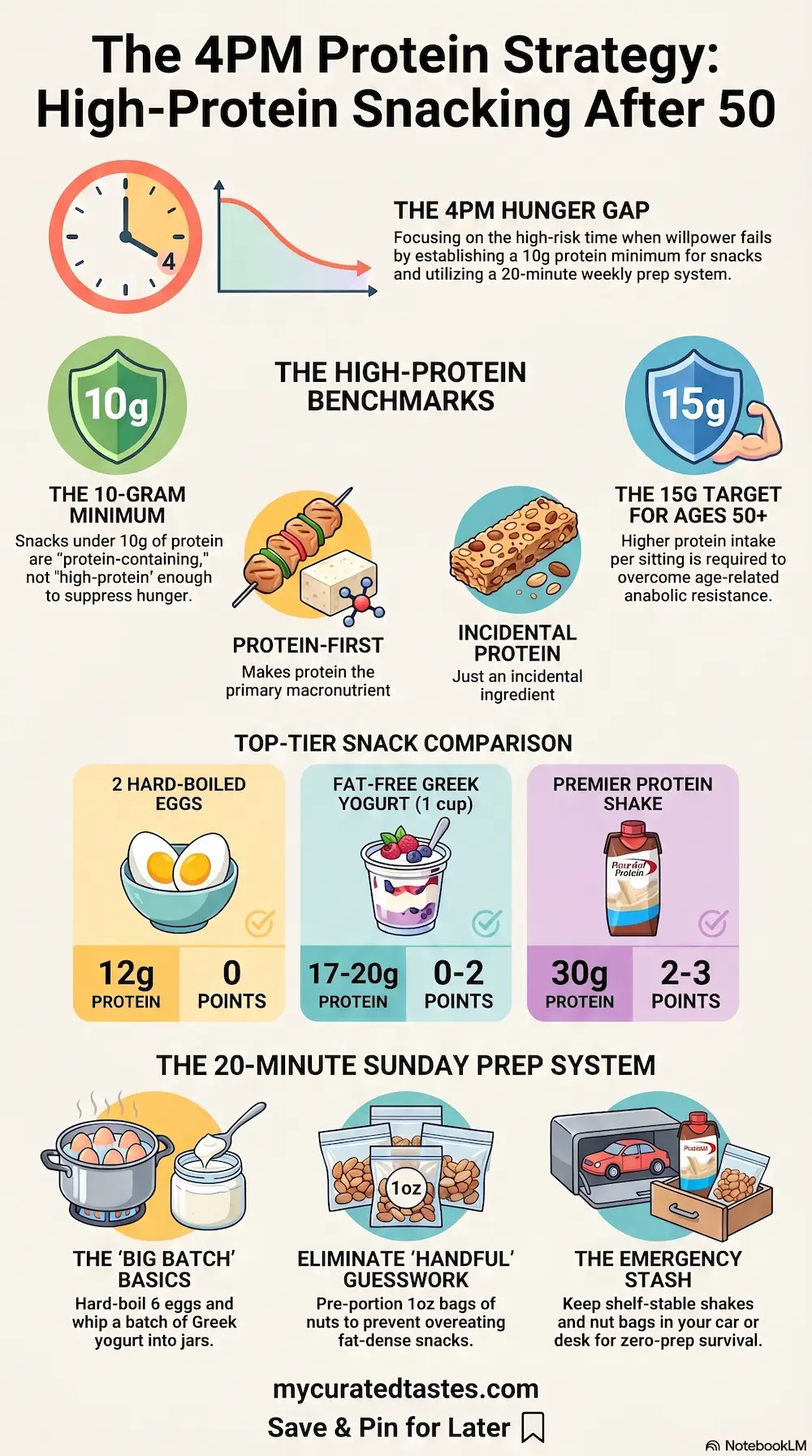
Satiety hormones: Protein triggers the release of peptide YY and GLP-1 — the hormones that signal fullness to your brain — more powerfully than either fat or carbohydrates. A protein-rich snack genuinely suppresses hunger more effectively than a carb-heavy one, which is why a handful of walnuts and a hard-boiled egg keeps you full until dinner in a way that crackers never will.
Blood sugar stability: Protein slows the absorption of glucose into the bloodstream, preventing the spike-and-crash cycle that turns a 3pm snack into a 4pm craving into a 5pm overeating event. This is why a protein shake or a cheese stick before that vulnerable afternoon hour is a strategic decision, not just a food choice.
The over-50 factor — anabolic resistance: After 50, the body becomes less efficient at using dietary protein to build and maintain muscle — a phenomenon called anabolic resistance. Research from Stanford’s Lifestyle Medicine program recommends 25–35 grams of protein per meal for adults over 50 to trigger the same muscle protein synthesis that 15–20 grams would have achieved at 30. At snack time, this means aiming for at least 10–15 grams per snack rather than the 5–7 grams that many ‘protein snacks’ actually deliver.
The protein distribution effect: Research published in the American Journal of Clinical Nutrition found that distributing protein across meals and snacks — rather than concentrating it in one or two large meals — is more effective for muscle protein synthesis. A 10–15 gram protein snack between lunch and dinner is not just keeping you from the vending machine. It is actively contributing to how you feel and function for the next decade.
The protein snacks market is full of products that market themselves as ‘high protein’ while delivering 5 or 6 grams. Let me be direct: 5 grams is not a high-protein snack. It is a protein-containing snack. There is a meaningful difference.
| Snack Type | Protein Target | Why It Matters |
|---|---|---|
| Quick grab-and-go snack | 10–15g minimum | Suppresses hunger until next meal, contributes to daily protein total |
| Substantive afternoon snack | 15–20g | Bridges a 4–5 hour gap between lunch and dinner without overeating |
| Post-workout or recovery snack | 20–30g | Supports muscle protein synthesis window within 30–60 min of exercise |
| Snack that replaces a light meal | 25–35g | Full meal-level protein to support satiety and daily targets. A high-protein salad often fills in as a snack for me. |
| What most ‘protein snacks’ deliver | 5–8g | Better than nothing, but insufficient to suppress hunger or support muscle maintenance for adults 50+ |
The practical benchmark I use: 10 grams of protein is my minimum for any snack to count. Below that, I am eating something because it tastes good, not because it is serving a nutritional purpose. That is fine occasionally — but it is not a protein strategy.

These are the recipes I come back to most consistently — the ones that are already in my rotation, that I know by heart, and that deliver real protein alongside real pleasure. Organized from lightest and freshest to most indulgent.
🥩 Protein: 12–15g per serving ⭐ WW: 0–1 point — extraordinary WW value
The snack that surprises people every single time. Ripe strawberries hulled and filled with sweetened fat-free cottage cheese — lightly flavored with vanilla and a touch of honey — then sprinkled with a pinch of cinnamon. It looks like a dessert, tastes like a dessert, and is almost entirely zero-point. The cottage cheese delivers a meaningful protein hit while the strawberry provides natural sweetness and a beautiful presentation. I make a plate of these on Sunday and keep them in the fridge — they disappear faster than almost anything else I prep. They are the snack I reach for when I want something that feels like a treat without touching the daily budget. Fresh strawberries at peak season make these extraordinary.
💡 Pro tip: Hull the strawberries from the bottom rather than the top for a wider, more stable cavity. Add a tiny drop of vanilla extract and a pinch of monk fruit sweetener to the cottage cheese for a more dessert-like flavor without any additional points.
🥩 Protein: 20g+ per serving ⭐ WW: 1–2 points for the honey drizzle — base yogurt is zero
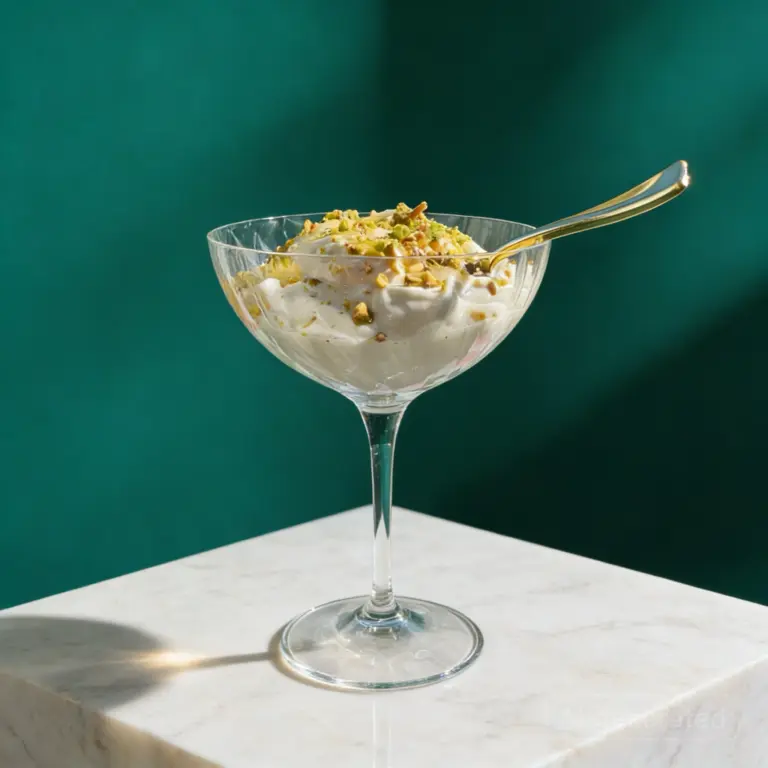
Five minutes. One bowl. Twenty grams of protein. This is the snack that looks and feels far more luxurious than it has any right to be — fat-free Greek yogurt whipped with a hand mixer or immersion blender until it is almost mousse-like in texture, then drizzled with a small amount of good honey and finished with whatever is fresh: berries, a few sliced almonds, a sprinkle of cinnamon. The whipping transforms the texture completely — from thick and dense to light and airy — and that transformation is what makes this feel like something you would order at a brunch restaurant rather than a protein-tracking afternoon snack. I make this at least three times a week. It is that consistent.
💡 Pro tip: Use Fage 0% fat-free Greek yogurt — it whips the cleanest and has the highest protein content per serving of any widely available brand. Whip for a full 3 minutes for the best texture.
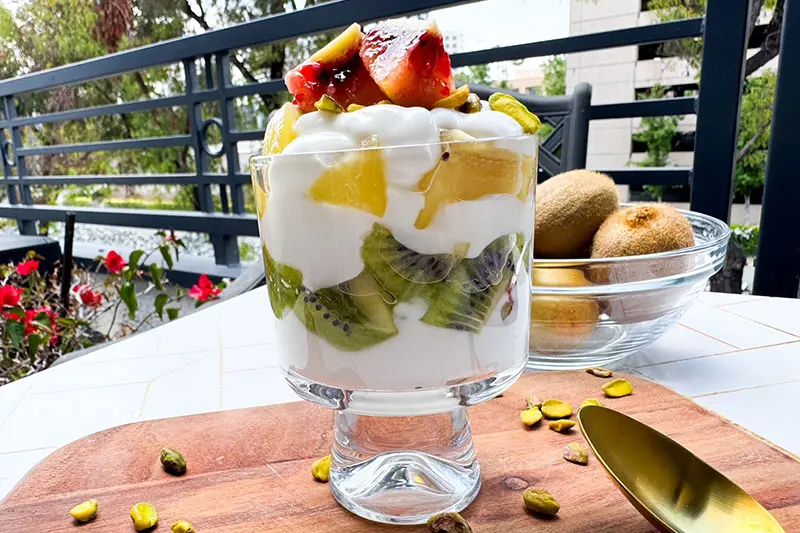
🥩 Protein: 18g+ per serving ⭐ WW: 2–3 points
One of the most visually beautiful snacks on this site — layers of fat-free Greek yogurt with yellow, green, and red kiwi slices creating a jewel-toned parfait that looks like something from a high-end cafe. The tri-color kiwi combination is genuinely stunning, and kiwi happens to be one of the best fruits for a protein-forward snack: high in vitamin C, fiber, and actinidin (a natural enzyme that aids protein digestion). The yogurt base delivers the protein; the kiwi delivers the brightness, the color, and the nutrition bonus that makes this more than just a pretty snack. Assemble in individual glasses or jars for grab-and-go convenience — they keep in the fridge for up to two days.
💡 Pro tip: Assemble in small mason jars on Sunday for a ready-to-grab snack all week. A small drizzle of honey on top adds 1 point and makes these feel genuinely special.
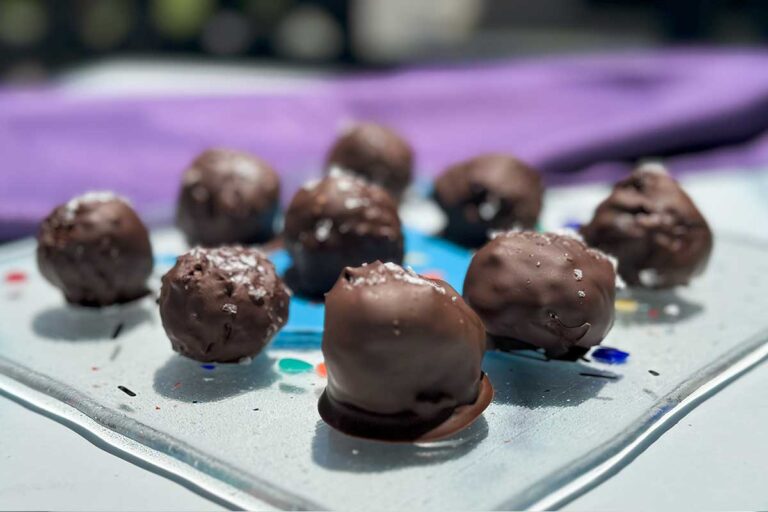
🥩 Protein: 8g per 2 truffles ⭐ WW: 0–1 point — one of the best sweet zero-point options on the site
The truffle that no one believes is made from cottage cheese. Blended smooth fat-free cottage cheese, cocoa powder, a touch of monk fruit sweetener, and vanilla — rolled into balls and chilled until set. Rich, dense, genuinely chocolatey in a way that satisfies the craving completely. The cottage cheese completely disappears into the chocolate flavor once blended, leaving no trace of its origin. Two truffles deliver 8 grams of protein and cost essentially zero points. I keep a batch in the fridge at all times — they last a week and they get me through the sweet cravings that would otherwise send me toward something I would regret. The chocolate craving is real. This is the answer.
💡 Pro tip: Blend the cottage cheese until completely smooth before adding any other ingredients — any lumpiness will show in the finished truffle. Roll in a little extra cocoa powder for a more polished look and a deeper chocolate hit.
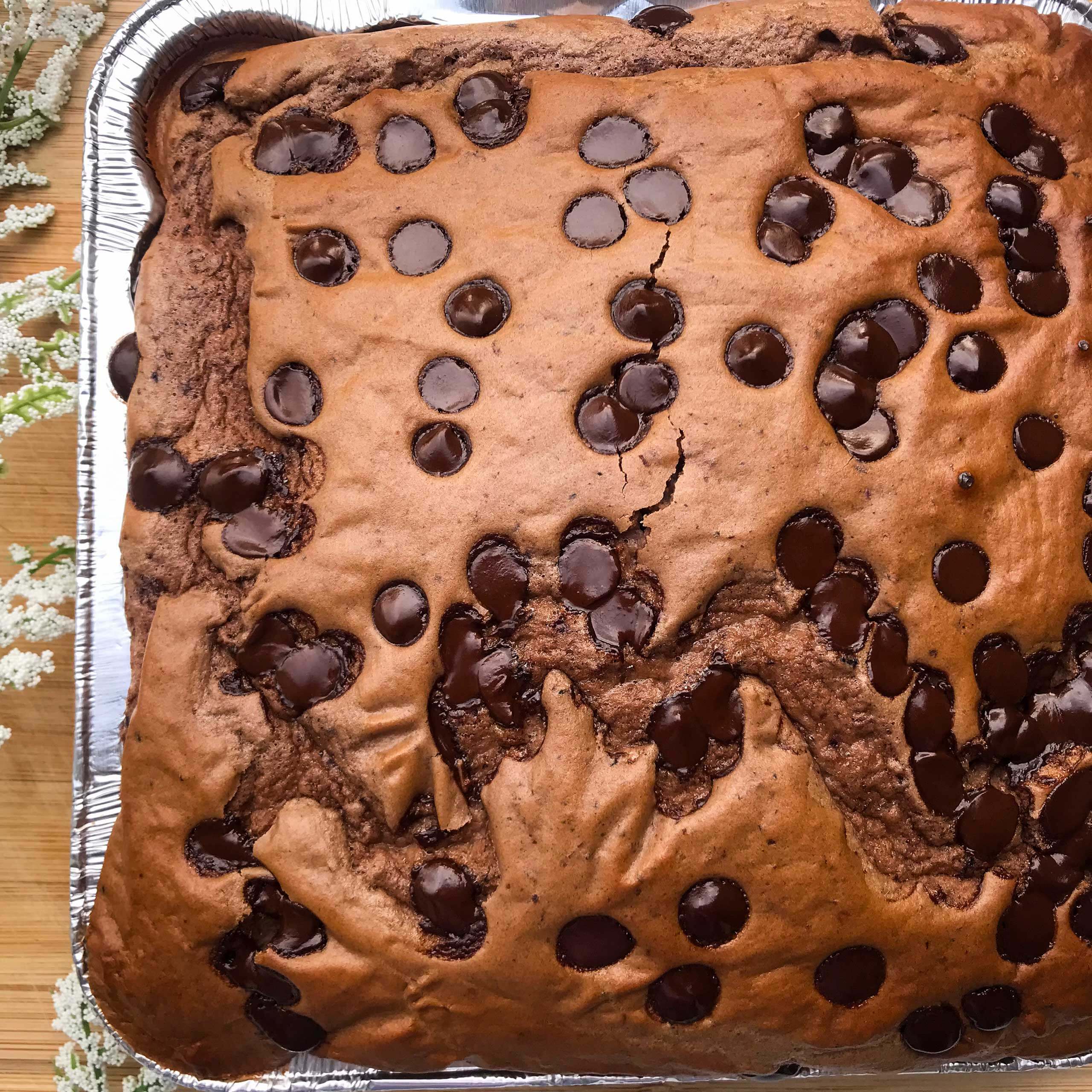
🥩 Protein: 15g+ per bar ⭐ WW: 3–5 points — the made-at-home protein bar that actually tastes good
The homemade protein bar for people who have been let down by every commercially made protein bar that tastes like chalk or cardboard or a protein powder that someone accidentally put in a bar shape. These are triple-chocolate: chocolate base, chocolate chips folded in, and a chocolate drizzle over the top. Made with oats, nut butter, cocoa powder, protein powder, honey, and dark chocolate chips — no baking required, just mix, press, chill, and cut. They keep in the fridge for a week and in the freezer for a month. Make a batch on Sunday and you have a grab-and-go high-protein snack for every afternoon that week. The protein content is real. The chocolate is real. The satisfaction is genuine.
💡 Pro tip: Press the mixture firmly and evenly into the pan before chilling — the bars slice more cleanly and hold together better. Line the pan with parchment for easy removal.

🥩 Protein: 6g per 2 cookies ⭐ WW: 2–3 points — the guilt-free cookie that delivers
The cookie that doubles as a snack and a small dessert — and one of the most naturally sweetened options in this collection. Clusters of mixed nuts bound with honey and oats, baked until golden and crunchy. The nuts deliver the protein (walnuts, almonds, and pistachios are among the highest-protein nuts available), the honey provides natural sweetness with no refined sugar, and the result is a cookie that feels like an indulgence and functions as a snack. Two cookies deliver 6 grams of protein — not the highest in this collection, but paired with a cheese stick or a hard-boiled egg, they become a genuinely satisfying afternoon combination. Make a batch on Sunday; they keep in an airtight container for a full week.
💡 Pro tip: Store in an airtight container at room temperature for up to a week, or freeze for up to a month. Pair with a hard-boiled egg or a cheese stick to bring the combined snack to 12+ grams of protein.

🥩 Protein: 8g per bar ⭐ WW: 3–4 points — a genuinely satisfying sweet-savory bar
The grown-up granola bar that tastes nothing like a granola bar. A base of mixed nuts, oats, and seeds bound with honey and a touch of vanilla, pressed thin and topped with a layer of dark chocolate that sets to a satisfying snap. The dark chocolate adds antioxidants and genuine depth of flavor; the nut and seed base delivers protein and healthy fats that keep hunger at bay for hours. These are the bars I reach for when I want something that feels like a treat but functions like fuel. They store beautifully in the fridge or freezer, which means Sunday prep creates a full week of afternoon snacks that require zero thought in the moment.
💡 Pro tip: Use 70%+ dark chocolate for the coating — the higher cacao percentage means more antioxidants, a more satisfying snap, and slightly fewer sugar points per square. Press the base very firmly before the chocolate layer goes on.
This is the section nobody else writes — the honest list of what actually happens at 4pm when there is nothing made, hunger is real, and the next thirty minutes are already spoken for. These are not aspirational snacks. These are survival snacks. And they are genuinely high in protein.
I will say this plainly: I drink Premier Protein Chocolate shakes. Not occasionally — regularly. On mornings when breakfast is rushed, on afternoons when hunger is sudden, on days when the protein math is not adding up and I need 30 grams fast without cooking anything. Premier Protein Chocolate delivers 30 grams of protein, 160 calories, 1 gram of sugar, and it actually tastes good — which puts it in a very small category of protein shakes I have tried over the years. If you are looking to save some money and live near an Aldi supermarket, they care an Elevation Chocolate Protein Shakes.
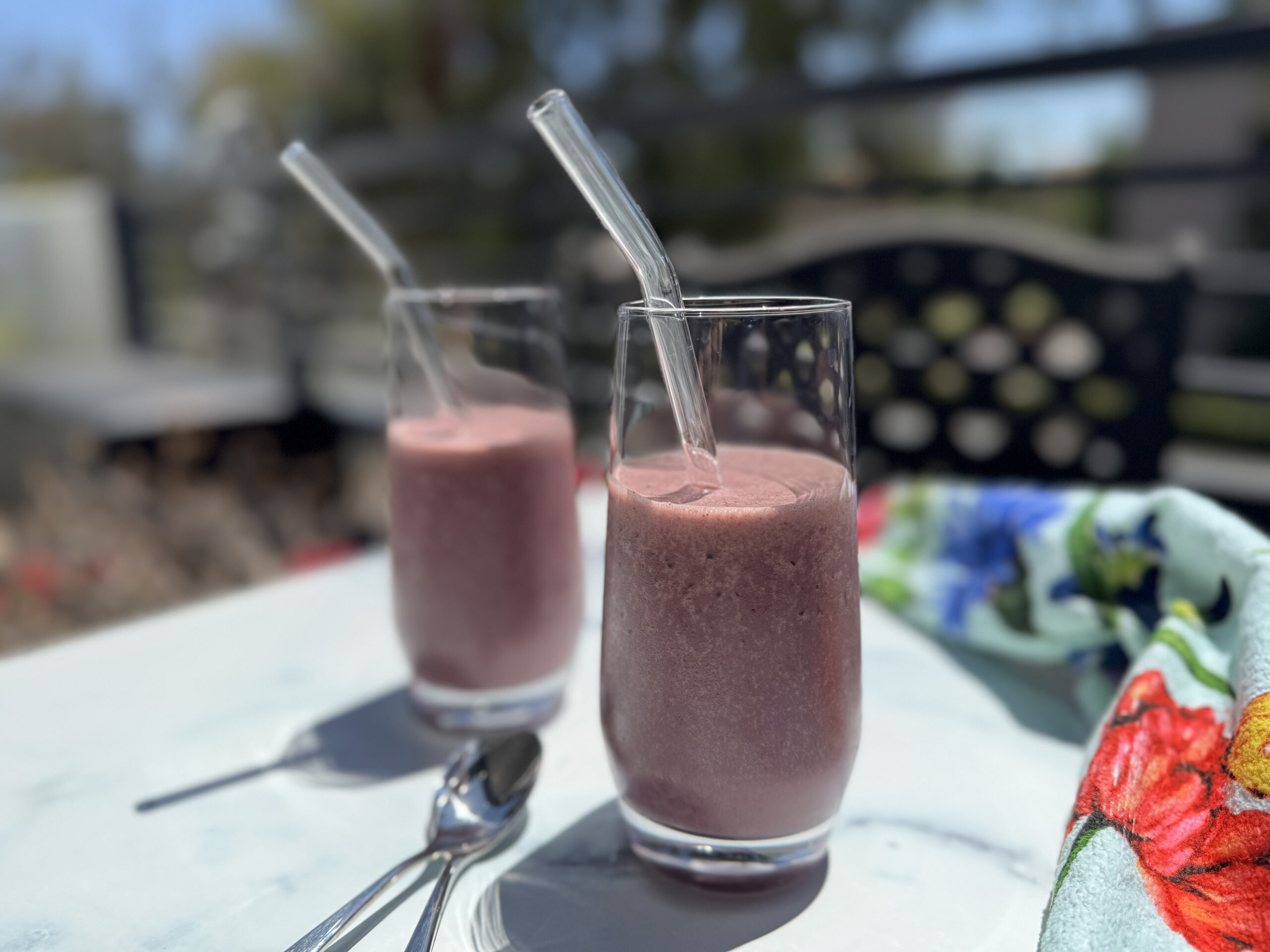
At WW, Premier Protein shakes are generally 2–3 points depending on your plan. They are shelf-stable until opened, which means I keep a case in the pantry and a few in the fridge at all times. The cold one from the fridge is genuinely satisfying. There is nothing complicated here: when I need 30 grams of protein in 30 seconds, this is what I reach for. PRO TIP: Use this in your coffee in the morning for a protein boost or through a container in a blender with ice for a frothy chocolate slushy…delightful on a summer day!
30 grams of protein. 2–3 WW points. Shelf stable. Chocolate. That is a hard combination to beat for a grab-and-go situation.
These are the items I keep stocked at all times — in the fridge, in my bag, on my desk. Each one is a legitimate protein source with zero prep time.
🥩 6–8g protein each ⭐ WW: 1–2 points
The most portable protein snack that exists. String cheese peels apart slowly and takes longer to eat than you expect, which helps with satiety. Mini Babybel wheels have the advantage of being individually sealed and completely shelf-stable until you open them — keep one in your bag, your desk drawer, your car. Bel UK launched Mini Babybel Protein in 2025 with 5.2g per portion specifically because the demand for portable protein is that significant. My preference: regular low-fat string cheese for the fridge, Mini Babybel for the bag.
🥩 6g protein per egg, 12g for two ⭐ WW: 0 points
Zero points. Zero prep on the day you eat them (prep Sunday, eat all week). Twelve grams of complete protein from two eggs with every essential amino acid. I hard-boil six eggs every Sunday as part of the prep session described in the Meal Planning for Two guide — peel them, store in a sealed container in the fridge, and they last the whole week. Everything bagel seasoning on top transforms them from functional to genuinely enjoyable. Try my Everything Bagel Seasoning PLUS recipe for even more protein (I add flax, chia and hemp seeds to the mix). The ultimate WW snack: zero points, high protein, made in advance, grab-and-go. There is no better answer when someone asks what the best WW snack is.
🥩 15–18g protein per roll-up ⭐ WW: 1–2 points
Two slices of deli turkey, one slice of low-fat Swiss cheese, roll them together, eat them in four bites. Fifteen to eighteen grams of protein. Takes thirty seconds to assemble. This is the snack I make when I open the fridge, realize I am hungry, and need protein immediately. The Swiss adds creaminess and a small amount of fat that makes the roll-up feel more satisfying than turkey alone. Use thin-sliced turkey (fewer calories per slice, you can use more), and low-fat Swiss rather than regular to keep points minimal. I keep both in the deli drawer at all times specifically for this purpose. Throw a few bell pepper slices in the middle for a little crunch and some fiber!
🥩 4–6g protein per small handful (1 oz) ⭐ WW: 3–5 points
The afternoon snack that has gotten me through more work days than I can count. A measured small handful — one ounce, which is roughly 14 walnut halves, 23 almonds, or 49 pistachios — delivers 4–6 grams of protein plus healthy fats, fiber, and the kind of slow-burning satiety that carries you cleanly to dinner. Walnuts are my first choice for the omega-3 content; pistachios are my second for the protein-per-calorie ratio (and the fact that shelling them slows your eating pace). Pre-portion into small zip-lock bags or a small container on Sunday so you are not measuring from the bag every afternoon — the bag always lies about what one serving looks like…LOL.

🥩 14g protein per half cup ⭐ WW: 0 points
A half cup of fat-free cottage cheese with whatever fresh fruit is in season — sliced peaches in summer, diced apple in fall, berries anytime. The cottage cheese is zero points. The fruit is zero points. The combination is genuinely filling and takes about sixty seconds to assemble. This is the snack that does not get enough credit in the WW world because it sounds unglamorous, but the protein and satiety it delivers are extraordinary for the point cost. Add a tiny drizzle of honey (1 point) and a sprinkle of cinnamon for a snack that tastes like dessert and costs essentially nothing. If I have a little time, I love my Pineapple Cottage Cheese Pastry – a throwback WW recipe from years ago. If you still haven’t embraced cottage cheese, swap in fat-free Greek yogurt.
🥩 Varies ⭐ WW: 0–2 points
When a full shake is too much but I need a protein boost: two tablespoons of plain fat-free Greek yogurt stirred into sparkling water with a squeeze of lemon (sounds odd, tastes surprisingly clean), or a small cup of edamame in the pod with flaky salt — zero points, 9 grams of protein, genuinely satisfying to eat slowly. Or a tablespoon of almond butter on a rice cake — 4 grams of protein, 2 points, done. And let’s not forget a staple around here: protein bars. Fast, easy and convenient, I always have a large selection on hand. I keep some in my bag, at my desk and in the car for when I absolutely need something. Mini Kind Bars are typically just 3-4 points, and I really like Think’s protein bars. Often, 1/2 a bar does the trick. There are many brands of protein bars, so be sure to scan the bar (so you know how many points you are inhaling). Some bars can be as much as 11 points with 20 grams of protein, so pay attention to size and points when planning your arsenal of snacks.
Snacking on WW fails in one of two ways: you do not account for it and blow your daily budget, or you are so afraid of spending points on snacks that you under-eat protein and overeat at dinner. The solution is building snack points deliberately into your daily plan rather than treating them as a wild card.
Zero-point snacks first: Hard-boiled eggs, fat-free cottage cheese, plain Greek yogurt, fruit, edamame, raw vegetables with salsa. These cost nothing and deliver real protein. Build your snack strategy around these as the default, reach for the higher-point options when the zero-point options are not available or not satisfying.
Budget 3–5 points for one real snack per day: If your daily budget is 23 points and dinner routinely costs 8–10, breakfast 3–4, and lunch 4–6, that leaves 3–5 points for snacking. This is enough for a batch of homemade protein truffles, a cheese stick and nuts combination, or a Premier Protein shake. Decide in advance which snack slot gets those points and you will not find yourself at 9pm having spent 12 points on afternoon grazing.
The weekly bank for planned indulgent snacks: The dark chocolate honey nut bars, the triple chocolate protein bars, the honey nut cluster cookies — these are the snacks worth spending slightly more on. Save them for Friday afternoon when you have weekly bank points available. See the WW-Friendly Meal Plan for Two — 7 Days for the complete points bank strategy.
The single biggest predictor of whether I eat well at snack time is whether I did twenty minutes of snack prep on Sunday. When there is nothing ready, the default is whatever is easiest — which is rarely the best option. Here is the exact Sunday snack prep I do:
Total Sunday snack prep time: approximately 20 minutes active, 30 minutes passive (while eggs boil and bars chill). The return: a full week of high-protein snacks ready to grab at a moment’s notice.
Snacks are not a standalone category. They are part of a daily protein architecture that starts with a high-protein breakfast, continues through a protein-anchored lunch, supports with smart snacking between meals, and completes with a 30g+ protein dinner. The High-Protein Breakfasts for Two guide covers the morning. The 30 Grams of Protein Dinners for Two guide covers the evening. This post covers the middle. Used together, they produce 80–100+ grams of daily protein without obsessive tracking or protein powder in everything. And let’s not forget about lunch! See my high-protein lunch recipes for two collection for inspiration.
The most effective high-protein snacks for weight loss combine meaningful protein content (at least 10 grams) with low caloric density and genuine satiety. Top options from this site and from a real WW member’s daily practice: hard-boiled eggs (12g protein, zero WW points, zero prep on the day), Sugar-Free Chocolate Protein Truffles (8g per 2 truffles, zero points, made from cottage cheese and cocoa), Cottage Cheese Filled Strawberries (12–15g, essentially zero points), Whipped Greek Yogurt with Honey (20g+, base is zero points), Premier Protein Chocolate shake (30g, 2–3 points, grab-and-go), turkey and Swiss roll-up (15–18g, 1–2 points), and a small measured handful of walnuts or almonds (4–6g plus satiating healthy fats, 3–5 points). The key principle: protein suppresses hunger hormones more effectively than carbs or fat, which means the right high-protein snack eliminates the late-afternoon hunger that causes overeating at dinner.
Aim for a minimum of 10 grams per snack for it to meaningfully contribute to hunger suppression and daily protein goals. The research-backed sweet spot for snacks is 10–20 grams — enough to trigger meaningful satiety hormone release and contribute to muscle protein synthesis without displacing appetite for the next meal. For adults over 50, the minimum is higher — closer to 15 grams — due to anabolic resistance, the age-related decrease in the body’s efficiency at using dietary protein. Most commercially marketed ‘protein snacks’ deliver 5–8 grams, which is protein-containing but not genuinely high-protein. Check the label: if a snack has fewer than 10 grams of protein, pair it with a zero-point protein source (a hard-boiled egg, a cheese stick, a small portion of cottage cheese) to bring the total to a meaningful level.
The best WW snacks deliver maximum protein for minimum points. The zero-point tier: hard-boiled eggs (12g per 2 eggs, 0 points), fat-free cottage cheese with fruit (14g per half cup, 0 points), fat-free plain Greek yogurt (17g per cup, 0 points), and edamame in the pod (9g per half cup, 0 points). The low-point tier (1–3 points): Sugar-Free Chocolate Protein Truffles from this site (8g per 2 truffles, 0–1 point), Whipped Greek Yogurt with a honey drizzle (20g+, 1–2 points), a low-fat string cheese stick (7g, 1–2 points). The planned-spend tier (3–5 points): Premier Protein Chocolate shake (30g, 2–3 points), Chocolate Chocolate Chocolate Protein Bars from this site (15g+, 3–5 points), Dark Chocolate Honey Nut Bars (8g, 3–4 points). See the WW-Friendly Recipes Guide for the complete WW approach to eating.
Every homemade recipe in this post is designed for advance preparation. The full Sunday snack prep list: hard-boiled eggs (boil 6, peel, refrigerate — lasts a week), Sugar-Free Chocolate Protein Truffles (make a batch, refrigerate up to a week, freeze up to a month), Cottage Cheese Filled Strawberries (make a plate, refrigerate for 2–3 days), Whipped Greek Yogurt portioned into small jars (refrigerate for up to 4 days), Chocolate Chocolate Chocolate Protein Bars (press into pan, chill, cut, refrigerate a week or freeze a month), Dark Chocolate Honey Nut Bars (same — press, chill, cut, store), and Honey Nut Cluster Cookies (bake a batch, airtight container, a week at room temperature). Twenty minutes of Sunday prep eliminates every 4pm ‘what can I eat?’ crisis for the entire week.
For a bag, a desk drawer, or a car: a small zip-lock bag of pre-portioned mixed nuts (4–6g protein, no refrigeration needed, several weeks shelf stable), Honey Nut Cluster Cookies from this site (6g per 2 cookies, room temperature a week in an airtight container), Dark Chocolate Honey Nut Bars (8g per bar, keep well at room temperature for several days), a Mini Babybel wheel (6g protein, individually sealed and shelf-stable until opened), individual packets of almond butter (4g protein per packet, completely shelf stable), and Premier Protein shakes in their sealed packaging (30g protein, shelf stable until opened). The shelf-stable protein snack is the emergency food that keeps you out of the vending machine — keep at least two options in your bag at all times.
For adults over 50, protein distribution throughout the day matters as much as total daily intake. Research from Stanford’s Lifestyle Medicine program recommends 25–35 grams per meal and at least 15 grams at snack time, because the body’s anabolic response (its ability to use protein for muscle maintenance) has a ceiling per sitting — loading all your protein into one meal is far less effective than spreading it across meals and snacks. A practical protocol: 30g at breakfast (overnight oats with Greek yogurt base, or a protein waffle), 25g at lunch (a chicken salad or soup with substantial protein), 15g at an afternoon snack (Premier Protein shake, or a turkey roll-up with a hard-boiled egg), and 30g+ at dinner. This distributes 100g across the day in a pattern the body can actually use. For the complete high-protein meal framework see the High-Protein Recipes Guide. For high-protein dinners specifically, see 30 Grams of Protein Dinners for Two.
Both have a legitimate place in a real protein snacking strategy, and anyone who tells you one is categorically better than the other is giving you ideology rather than practical advice. Whole food protein snacks — eggs, cottage cheese, Greek yogurt, nuts, turkey — deliver protein alongside fiber, vitamins, and minerals that a shake does not. They also require chewing, which has been shown to contribute to satiety signaling in a way that liquid calories do not. So yes, whole food snacks are generally the first choice. But — and this is the part most food content ignores — a high-quality protein shake like Premier Protein Chocolate at 30 grams of protein, 160 calories, and 1 gram of sugar is an entirely legitimate snack option when time is zero, when you are traveling, when you did not prep, or when your protein math needs a boost fast. The worst protein snack is the one you did not have when hunger drove you toward something worse. A Premier Protein shake is not worse. It is a tool. Use it as one.
This is one of the most useful distinctions in nutrition and almost nobody draws it clearly. A protein snack is one where protein is the primary macronutrient, delivered in sufficient quantity (10g+) to meaningfully affect hunger hormones, satiety, and muscle protein synthesis. A snack that happens to contain protein is one where protein is present but incidental — typically below 7–8 grams — and the snack is primarily a carbohydrate, fat, or flavor experience. Examples: a handful of trail mix contains protein from the nuts but is primarily a fat-and-sugar snack; a cheese cracker has some protein from the cheese but is primarily a refined carbohydrate snack; a tablespoon of peanut butter on an apple has protein but is primarily fat and carbohydrate. None of these are protein snacks. A hard-boiled egg is a protein snack. Two truffles from the Sugar-Free Chocolate Protein Truffles recipe plus a cheese stick together is a protein snack. A Premier Protein shake is a protein snack. The distinction matters because only true protein snacks reliably suppress hunger, stabilize blood sugar, and contribute to the daily protein architecture that supports healthy aging after 50.
The difference between a week where snacking works and a week where it derails everything is almost always about preparation, not willpower. Willpower is an unreliable resource that depletes exactly when you need it most — at 4pm, when you are tired and hungry and the easiest thing in the world is whatever is already open in the pantry.
Preparation is reliable. Six hard-boiled eggs made Sunday morning. A plate of Cottage Cheese Filled Strawberries in the fridge. A batch of truffles. A case of Premier Protein shakes in the pantry. Pre-portioned nuts in three small bags in your bag, your desk, and your car. With all of that in place, the 4pm crisis is just a moment you navigate gracefully rather than a test you fail.
For the complete high-protein recipe collection: High-Protein Recipes Guide. For high-protein breakfasts to anchor the morning: High-Protein Breakfasts for Two. For high-protein dinners to close the day: 30 Grams of Protein Dinners for Two. For the WW integration of all of this: Cooking for Two on Weight Watchers.

Hi! I’m Diane. I started this site as a passion project. I love to cook, entertain, travel and laugh. (Who doesn’t love a good laugh?) Of course, being from New York, sarcasm rules!
More About Diane
mycuratedtastes@gmail.com