Add Us As A Trusted Google Source
 Turkey Taco Stuffed Mushrooms For Two
»
We use cookies to give you the best online experience. By agreeing you accept the use of cookies in accordance with our cookie policy.

Published: June 30, 2026
My Curated Tastes is reader-supported. When you buy through links on our site, we may earn an affiliate commission at no extra cost to you. As an Amazon Associate I earn from qualifying purchases.
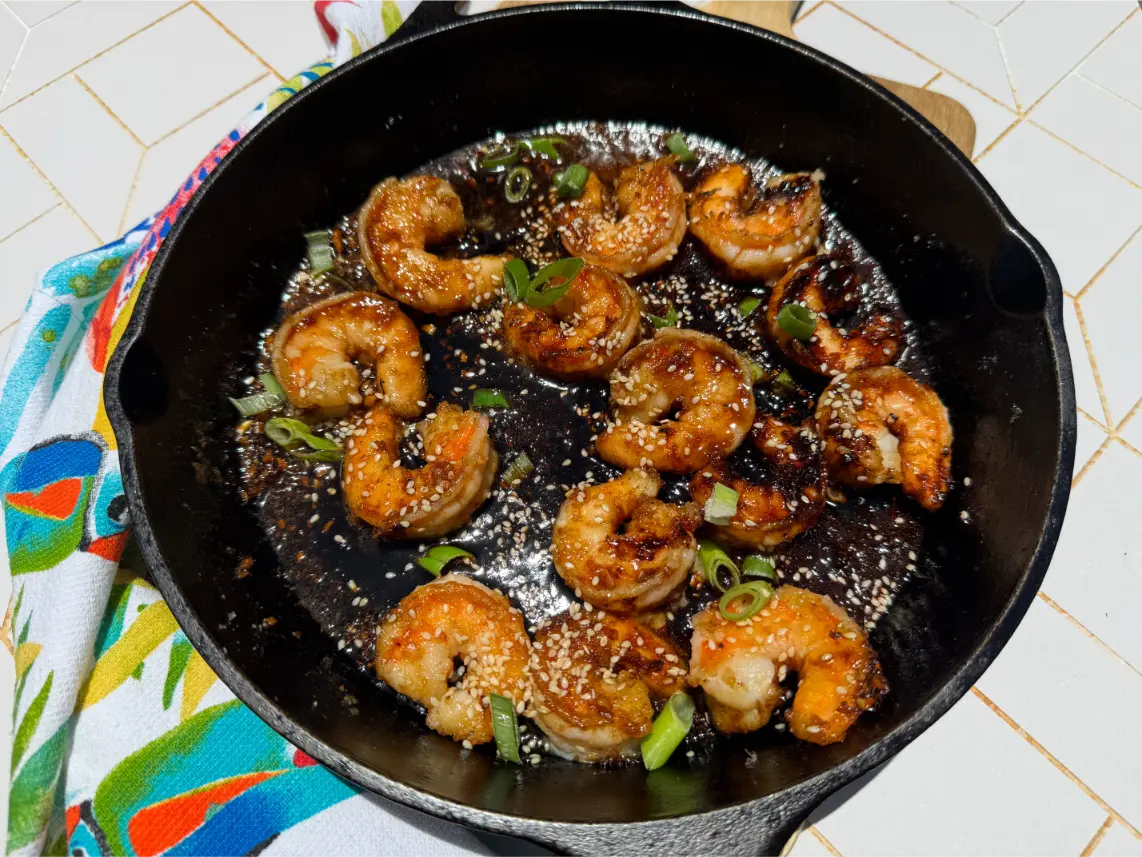
Honey Garlic Shrimp for Two is a 20-minute weeknight dinner that delivers restaurant-quality results from a single skillet — crispy cornstarch-coated shrimp tossed in a sticky, glossy sauce of honey, low-sodium soy sauce, fresh garlic, and fresh ginger. It is the kind of dinner that makes you wonder why you ever ordered takeout.
What makes this version specifically designed for two: the quantities are precisely scaled so you get one pound of shrimp — exactly the right amount for two generous high protein portions — without the excess sauce and oversized batch of most recipes online. There is a whopping 50 grams of protein in each serving! Most honey garlic shrimp recipes are written for four to six people. This one is written for two, with every measurement calibrated for a single medium skillet and two dinner plates.
The cornstarch is the technique detail that separates this recipe from a basic sautéed shrimp. It coats each shrimp in a thin, starchy layer that becomes golden and lightly crispy in the hot skillet before the sauce goes in — and then absorbs the sauce in a way that bare shrimp never does, creating the glossy, sticky coating that makes this genuinely irresistible. It is a 60-second prep step that makes a dramatic difference in the finished dish.
For more recipes sized for exactly two people, visit the Complete Guide to Cooking for Two. For more high-protein dinners across the site, see the High-Protein Recipes Guide.
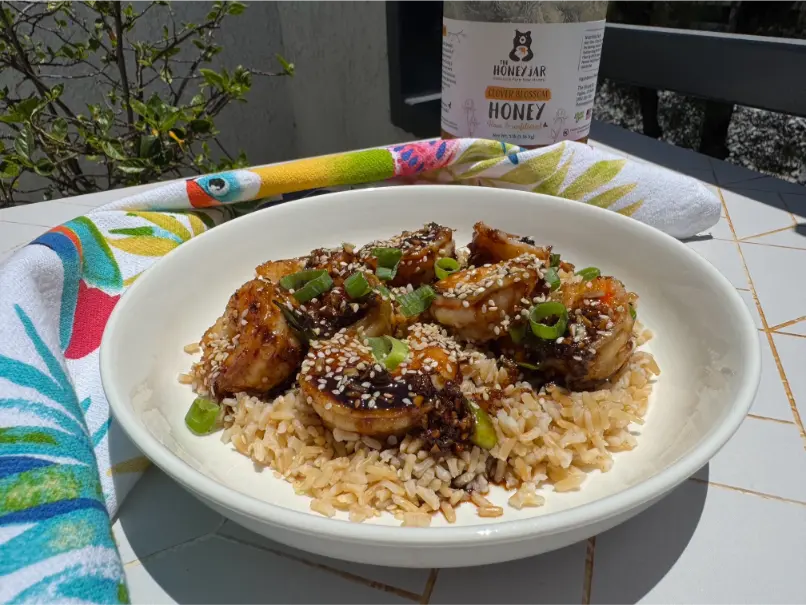
There are a lot of honey garlic shrimp recipes online. Most of them are good. This one is specifically better for two people for three reasons:
This isn’t the first time I’ve played with the honey and garlic combo. It is just so good! I have a delicious honeyed garlic maple sauce that works on chicken and fish. I use it on my honeyed roasted garlic salmon It is to die for good! So be sure to check that out too! It is all about the quality of the fish and the amazing honey from The Honey Jar. A winning combo.
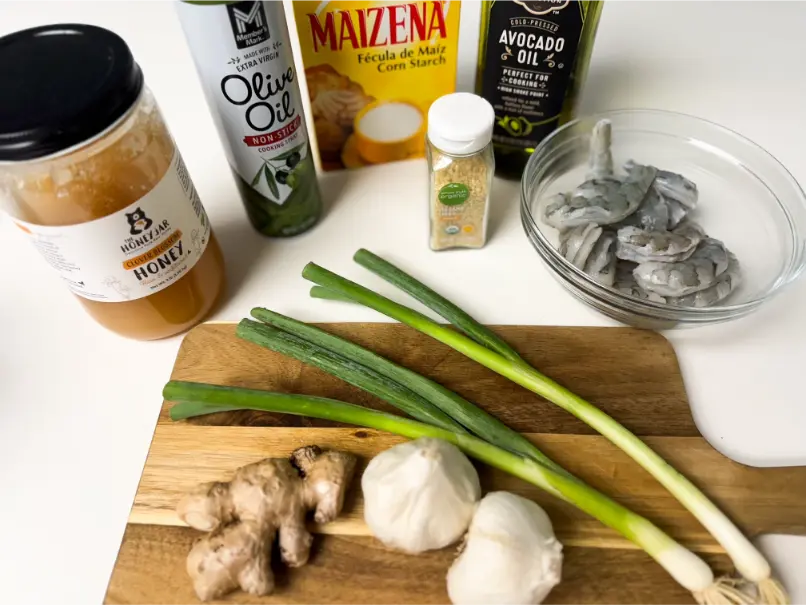
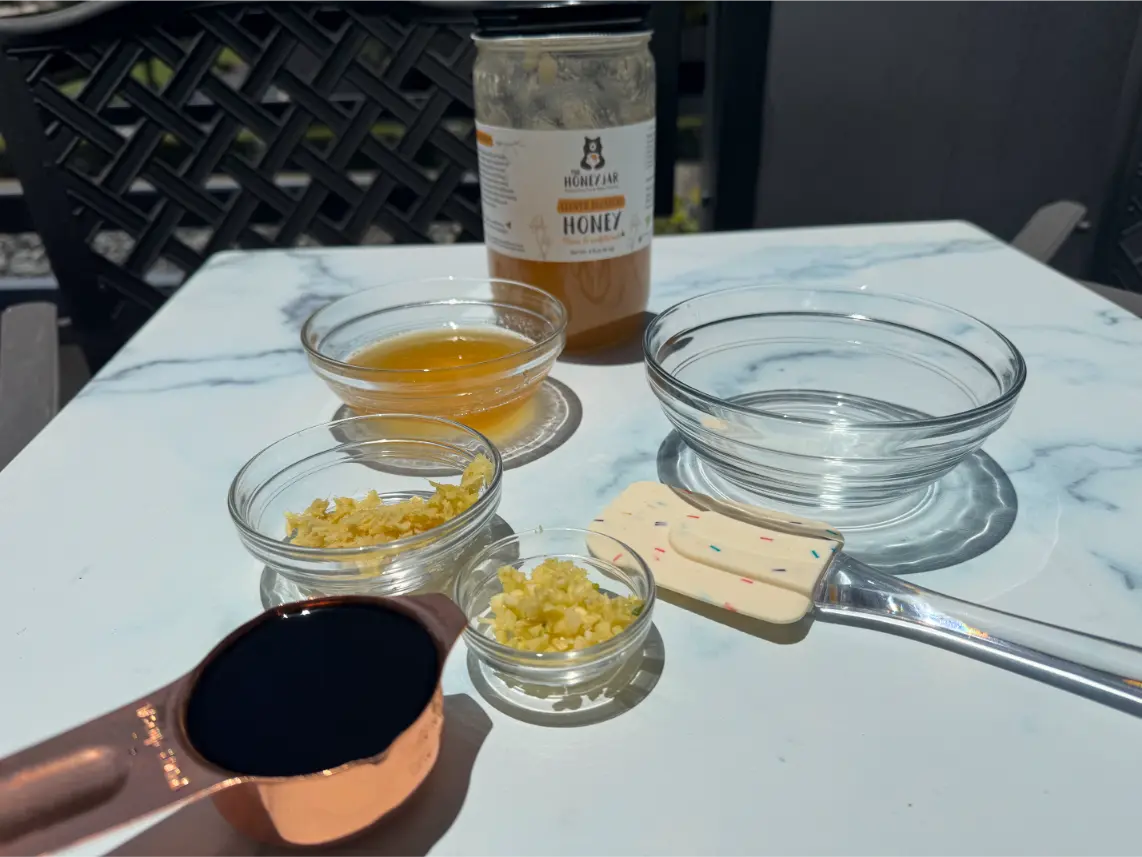
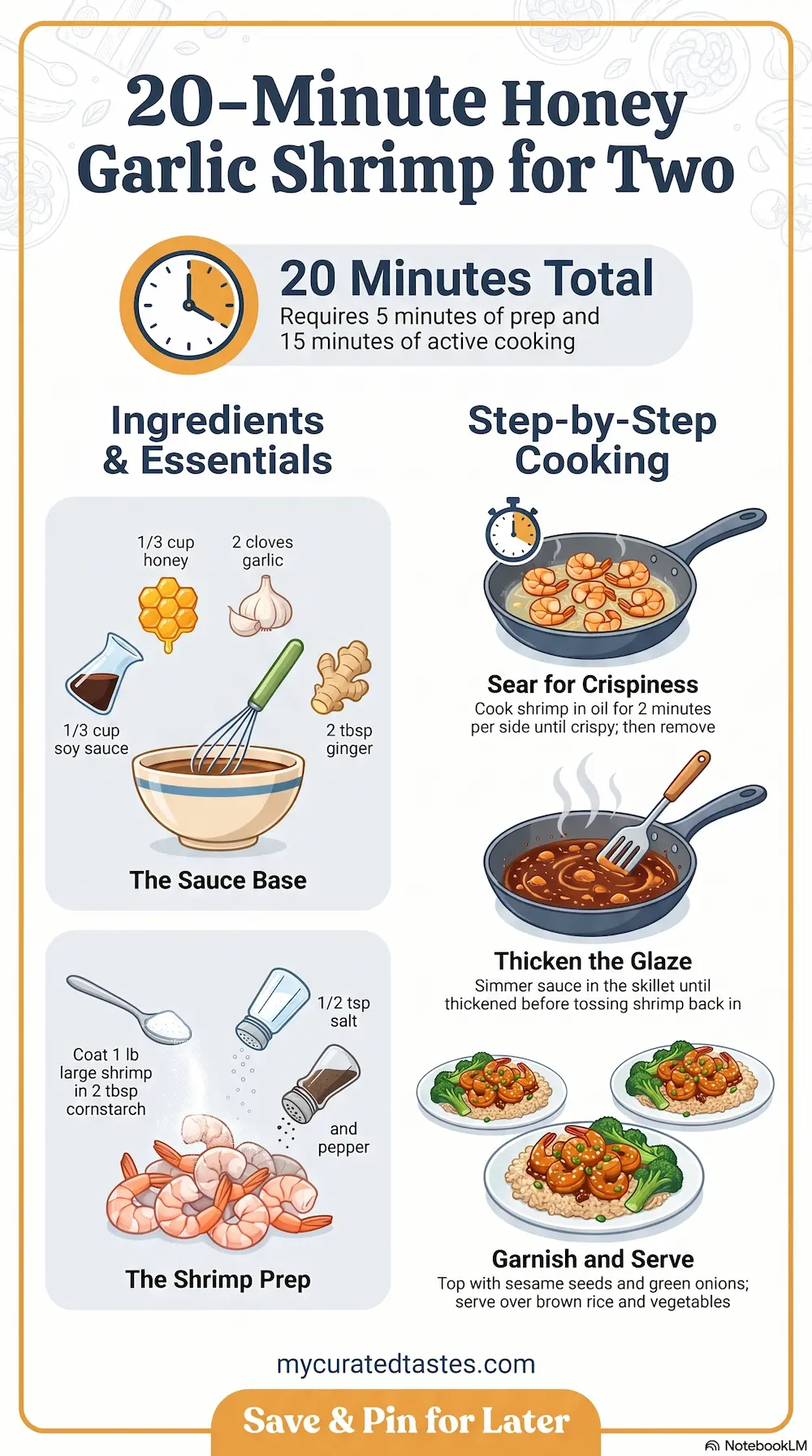
Make the sauce. In a small bowl, whisk together the soy sauce, honey, minced garlic, and minced ginger until the honey is fully incorporated and the sauce is smooth. Put to the side — it is ready when you need it.
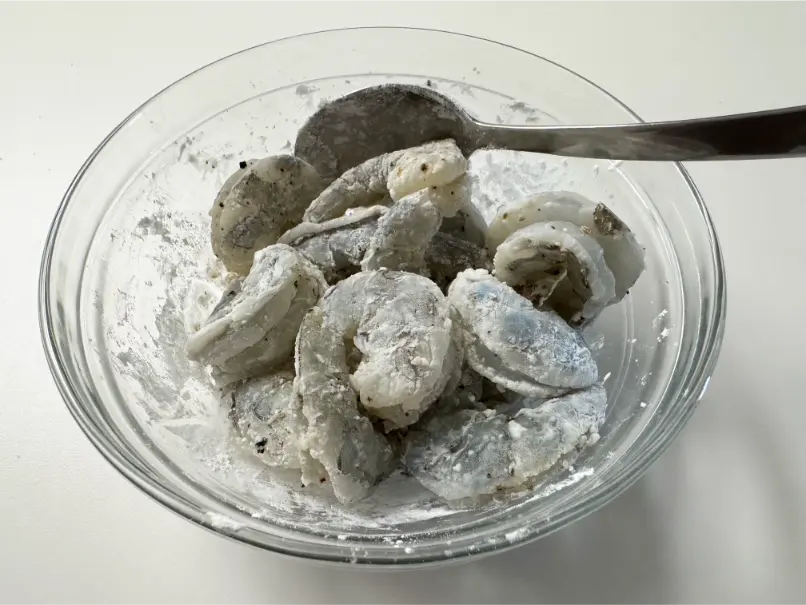
Coat the shrimp. Add all the shrimp to a bowl. Add the cornstarch, salt, and pepper and toss to coat every piece thoroughly. Every shrimp should have a visible light coating of cornstarch — shake off any excess that did not adhere.
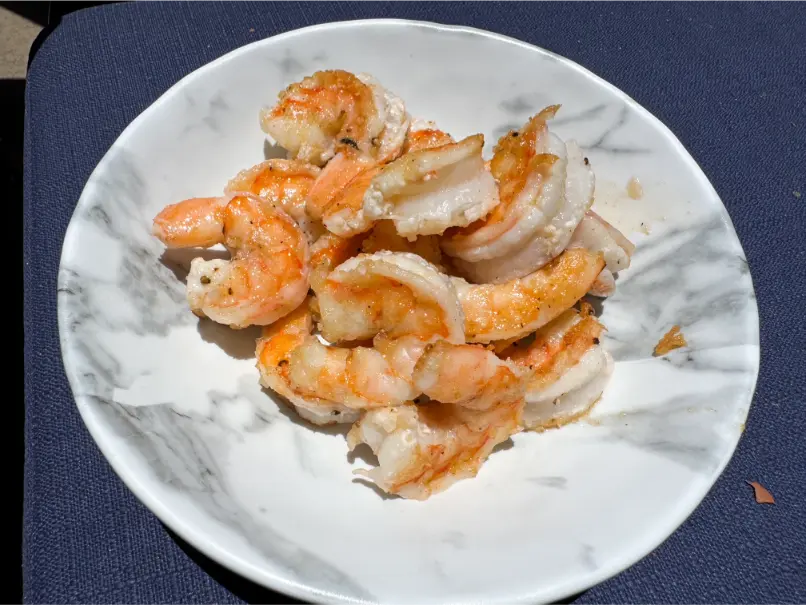
Cook the shrimp. Spray a medium skillet generously with cooking spray over medium-high heat. Add the oil and heat until shimmering. Add the shrimp to the skillet in a single layer — do not crowd them. Cook until golden and crispy on the first side, about 2 minutes. Flip and cook for 2 minutes on the second side. The shrimp should be pink and slightly golden at the edges. Remove the shrimp from the skillet and set aside.
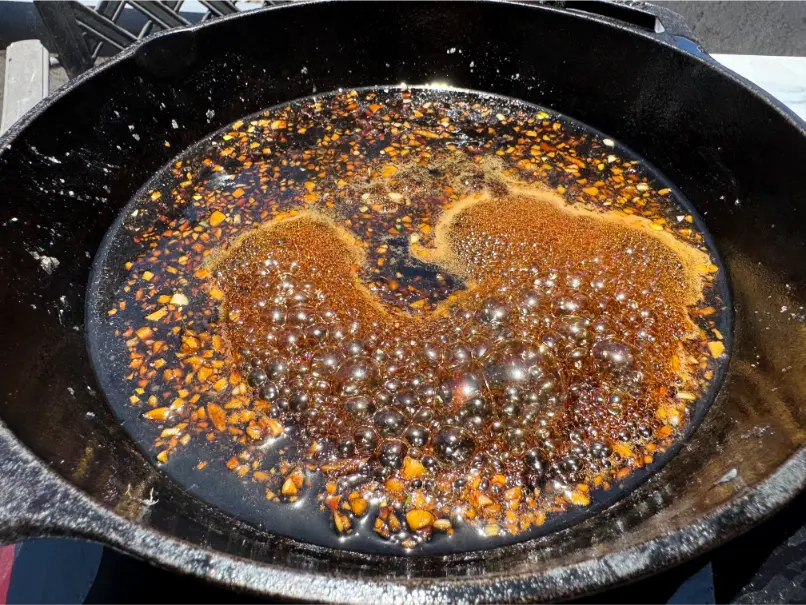
Build the sauce. Add the sauce to the same skillet and bring to a low simmer. Let it simmer and reduce, stirring occasionally, until the sauce thickens enough to coat the back of a spoon — approximately 2–3 minutes. Watch it carefully: the honey in the sauce means it can go from perfectly thickened to burnt quickly. Stay at the pan.
Finish and coat. Once the sauce has thickened, add the shrimp back to the skillet. Toss to coat every shrimp completely in the glossy sauce. Remove from heat immediately — you do not want to continue cooking the shrimp. The residual heat is enough to bring everything together.
Garnish and serve. Scatter the sesame seeds over the shrimp and scatter the diagonally sliced green onion over the top. Serve immediately over brown rice with a vegetable on the side — see the serving section below.
This recipe is genuinely versatile across occasions — not just a weeknight dinner. Here is when it works best:
Serve over brown rice as the recipe specifies. Brown rice has more fiber, more nutrients, and a nuttier flavor than white rice that works beautifully with the bold honey-soy sauce. Cook 1 cup of brown rice (approximately 2 cups cooked — the right amount for two generous servings) in a 2:1 ratio of water to rice, covered, for 45 minutes. Or use microwavable brown rice packets — a 90-second shortcut that is completely legitimate when the rest of dinner takes 20 minutes.
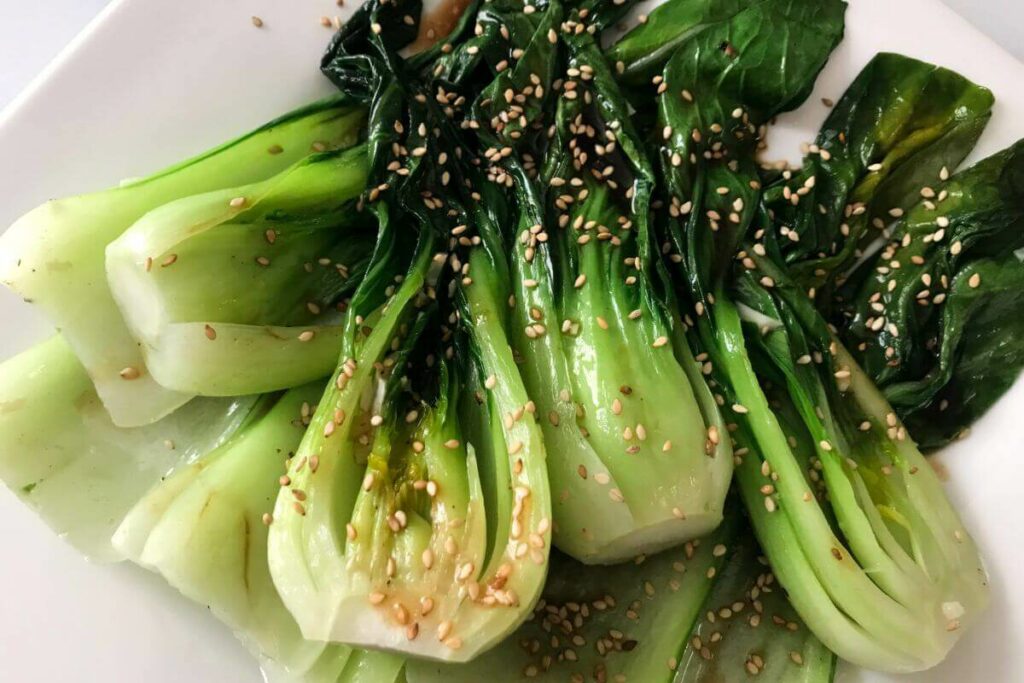
My strongest recommendation for the vegetable side is my Asian Baby Bok Choy recipe from this site. Bok choy and honey garlic shrimp are one of those genuinely natural pairings — the slight bitterness and tender crunch of the bok choy cuts through the sweetness of the honey sauce in a way that makes each component taste better than it would alone. The Asian flavor profile of the bok choy — typically a light soy and sesame preparation — is also harmonious with the sauce on the shrimp rather than competing with it.
The timing works perfectly: bok choy cooks in 3–4 minutes, which is exactly the time the honey garlic sauce takes to reduce after the shrimp are removed from the pan. The bok choy and the sauce finish simultaneously, and dinner is on the table at the exact moment both are at their best.
This recipe delivers extraordinary flavor — but the fresh ginger and garlic that drive that flavor also contribute meaningful nutritional benefits that are worth knowing:
| Ingredient | Substitution and Notes |
|---|---|
| Large shrimp | Jumbo shrimp (16–20 count) for more dramatic presentation — add 1 min per side to cooking time. Medium shrimp (31–35 count) for more pieces — reduce cooking time by 30 seconds per side. |
| Fresh ginger | 1 teaspoon jarred minced ginger in a pinch — the flavor is less bright but the dish is still excellent. |
| Honey | Maple syrup for a slightly different sweetness profile. Agave for a more neutral sweet. Do not use artificial sweeteners — they do not caramelize and thicken in the same way. |
| Cornstarch | Arrowroot powder (1:1 ratio) for a grain-free option. Tapioca starch also works. All-purpose flour works as a last resort but produces a thicker, less crispy coating. |
| Brown rice | White rice for a quicker-cooking base. Cauliflower rice for a lighter option. Try my Coconut and Cashew Cauliflower Rice for something unique. Noodles (rice noodles or soba) for a different texture entirely. |
| Avocado/olive oil | Sesame oil adds authentic Asian flavor — use half the quantity as sesame oil is more intense. |
| Green onion garnish | Chives as a milder alternative. Thinly sliced shallot for a sharper note. |
| Sesame seeds | Everything bagel seasoning as a quick flavor-boosting substitute that adds sesame plus other seeds and herbs. |
Yes — and in many cases frozen shrimp is actually preferable to ‘fresh’ shrimp from the seafood counter, which may have been previously frozen and thawed before you bought it. IQF (individually quick-frozen) large shrimp maintains excellent quality and is genuinely fresh when thawed correctly. To thaw frozen shrimp for this recipe: place the shrimp in a colander under cold running water for 5 minutes, or submerge in a bowl of cold water for 10–15 minutes. Do not use warm or hot water — it begins to cook the exterior of the shrimp unevenly. Pat completely dry with paper towels after thawing. Excess surface moisture prevents the cornstarch from adhering properly and causes the shrimp to steam rather than sear in the pan.
Cornstarch coating serves three specific purposes in this recipe. First, it creates a thin, starchy layer on the exterior of each shrimp that becomes genuinely crispy in the hot pan — producing a texture contrast between the crispy exterior and the tender interior that bare shrimp never achieves. Second, it absorbs the honey-soy sauce in a way that bare shrimp does not — the starchy coating bonds with the sauce as it reduces, creating the sticky, glossy coating that makes honey garlic shrimp so satisfying. Third, it seals the surface of the shrimp slightly, reducing moisture loss during the initial sear and producing a more tender, juicy interior. The two tablespoons in this recipe is the right amount for one pound of shrimp — enough to coat without being thick or doughy.
Shrimp is perfectly cooked when: the exterior has turned from translucent gray to opaque pink-white; the shrimp has curled into a loose C-shape (a tight O-shape means overcooked); and the internal temperature reads 120°F on an instant-read thermometer. The two-minutes-per-side timing in this recipe is calibrated for large shrimp (21–25 count) in a medium-high heat skillet. If your shrimp are smaller, reduce cooking time by 30 seconds per side. If they are jumbo, add 30 seconds per side. The most reliable visual cue: when the shrimp release cleanly from the pan without sticking, they are ready to flip. If they stick, they are not done on that side yet.
The sauce can be made up to three days in advance and stored refrigerated in a sealed jar — simply whisk it fresh before using, as the honey may settle. The shrimp, however, should never be made ahead. Cooked shrimp stored in sauce becomes rubbery and tough within a few hours as the proteins continue to tighten in the acid and salt environment of the sauce. This is a 20-minute recipe designed to be made and eaten immediately. If you want to reduce weeknight prep time, do this: mince the garlic and ginger and whisk the sauce Sunday. Store refrigerated. On the weeknight, toss the shrimp in cornstarch, heat the pan, and cook — the active prep is under three minutes because the sauce is already made.
The best vegetable pairings for honey garlic shrimp share a flavor profile that complements rather than competes with the sweet-savory sauce. Top recommendations: Asian Baby Bok Choy (the most harmonious pairing — see my recipe on this site), snap peas or snow peas (their natural sweetness echoes the honey, their crunch contrasts the soft shrimp), steamed or sautéed broccoli (the slight bitterness of broccoli cuts through the richness of the sauce), edamame (high protein, mild flavor, beautiful color alongside the shrimp), and roasted asparagus (elegant and slightly earthy — a good option when you want something more substantial). Vegetables with strong competing flavors (tomatoes, roasted red peppers, bold cheese-based sides) clash with the Asian flavor profile of the sauce.
Honey garlic shrimp is a high-protein, relatively lean dinner when made at home using this recipe. The shrimp provides 24 grams of protein per four-ounce serving at essentially zero saturated fat. The sauce uses real honey (natural sweetener, contains antioxidants), low-sodium soy sauce (significantly less sodium than regular soy), and fresh garlic and ginger (both with well-researched anti-inflammatory properties). The total sugar content from the honey is approximately 22 grams per serving — higher than a sugar-free preparation but comparable to many restaurant Asian dishes. The oil used is minimal (one teaspoon of olive or avocado oil) making this far lower in fat than restaurant honey garlic shrimp, which is often deep-fried. Serve over brown rice and with a green vegetable for a nutritionally complete, protein-rich meal.
This is the most common honey garlic shrimp failure and it has three potential causes. First and most common: the heat is too low. The sauce needs to reach a genuine simmer — visible bubbles throughout the surface — to reduce and thicken. A low heat produces a warm liquid, not a reduced glaze. Turn the heat up to medium-high and stay at the pan. Second: the pan is too cold when the sauce goes in. Add the sauce to a hot pan — the one you just cooked the shrimp in, which should still be hot. A cold pan with residual shrimp juices and a sauce added produces a steaming liquid rather than a reducing glaze. Third: the ratio of honey to soy sauce. This recipe uses equal parts (1/3 cup each) — the honey provides the sugar that caramelizes and thickens as the water evaporates. If you reduced the honey to cut sweetness, the sauce will not thicken in the same way. The 1/3 cup honey is the minimum for a proper glaze consistency.
Scaling honey garlic shrimp for four to six people requires one key adjustment: cook the shrimp in batches rather than all at once. Crowding a larger quantity of shrimp into one pan produces steamed rather than seared shrimp — no matter how large your pan is, trying to sear two pounds of shrimp simultaneously results in the shrimp releasing moisture and cooking in their own steam rather than crisping in the hot oil. The method for four people: cook two separate batches of one pound each, removing each batch to a plate after searing. Make a double batch of sauce and reduce it in the empty pan after both shrimp batches are cooked. Return all the shrimp to the pan simultaneously and toss in the sauce. Total additional time: approximately 5 minutes. Result: properly seared, crispy shrimp for the full doubled quantity. For a dinner party context, see the Complete Guide to Cooking for Two for the full approach to scaling recipes.
The names are often used interchangeably online but there is a meaningful technical distinction. Honey garlic shrimp (this recipe) uses the cornstarch-coat-and-sear technique — each shrimp is individually coated, seared until crispy, removed, then tossed in a separately reduced sauce. The result is crispier, more textured shrimp with a glossy sauce that clings to the coating. Honey garlic shrimp stir fry typically uses the classic stir-fry method — no cornstarch coating, the shrimp and sauce cook together in a very hot wok with vegetables added simultaneously, everything moving constantly. The stir-fry version produces softer shrimp in a lighter, less reduced sauce, and typically includes vegetables cooked into the dish rather than alongside it. Both are excellent — this recipe’s technique produces more dramatically textured shrimp and a stickier, more restaurant-style sauce. The stir-fry approach is faster and produces a one-pan meal with vegetables incorporated. Choose based on your preference for texture and your available equipment.
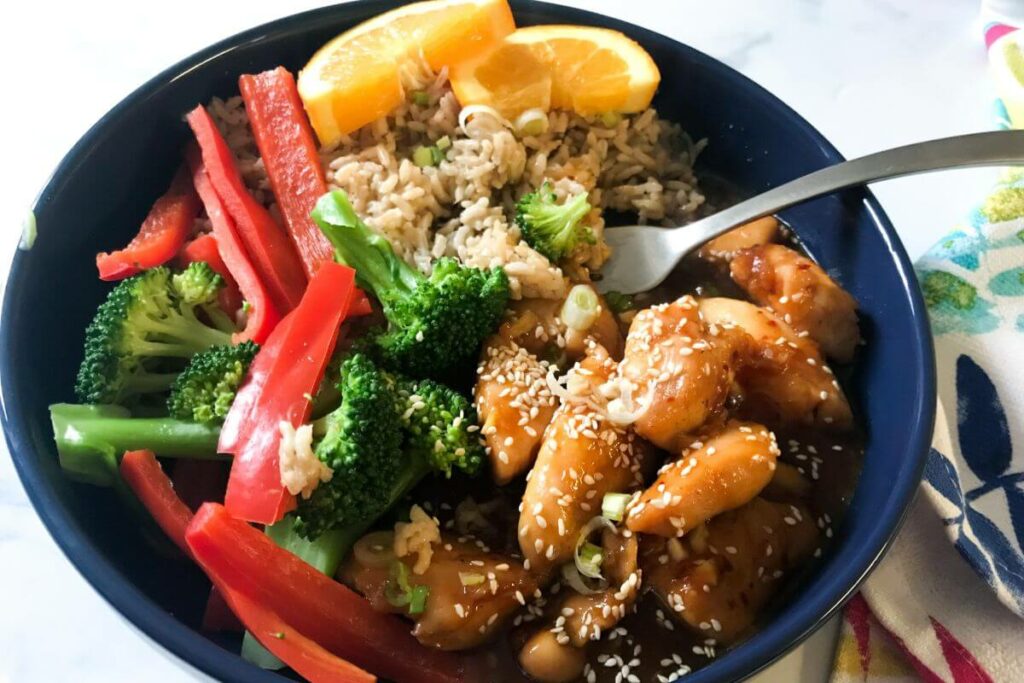
If this Honey Garlic Shrimp has you in an Asian-cooking mood — and it will — here are the other Asian-inspired recipes from this site that I make most consistently. Every one is sized for two people, every one delivers restaurant-quality results at home:
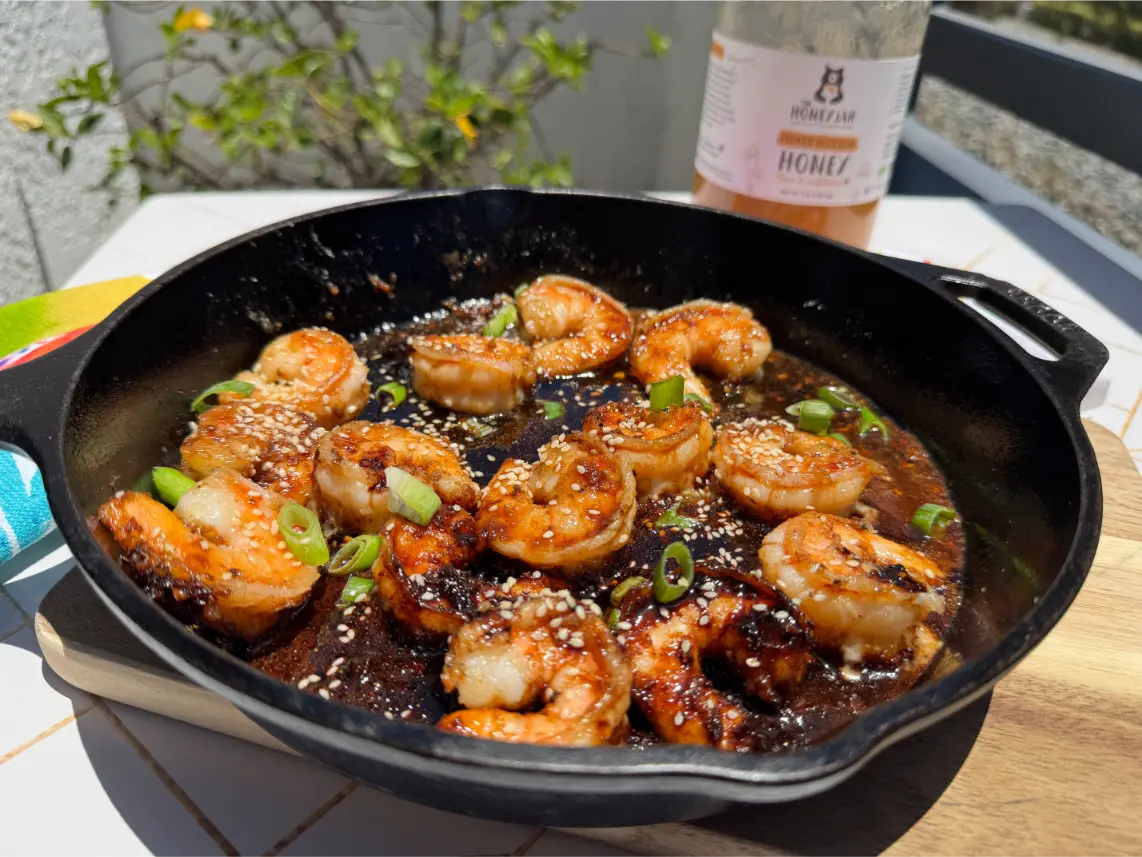
Twenty minutes. One skillet. Crispy shrimp in a sticky honey-garlic-ginger sauce that is better than anything you will order from the takeout app. This is the recipe that earns a permanent Tuesday night slot in your rotation — the one you make when you want something genuinely extraordinary without spending the evening in the kitchen.
Serve it over brown rice, put the Asian Baby Bok Choy alongside, scatter the sesame seeds and green onion over the top, and sit down before the sauce has a chance to cool. That is the whole dinner. That is twenty minutes well spent.
For more recipes sized for exactly two people: Complete Guide to Cooking for Two. For more high-protein dinners: High-Protein Recipes Guide. For all seafood recipes on this site: Healthy Seafood Recipes for Two.
Nutritional information is only an estimate. The accuracy of the nutritional information for any recipe on this site is not guaranteed.

Recipe Developer
With over 10 years of restaurant experience, Diane has been cooking and developing recipes for over five years, focusing on real-food meals for two that are Weight Watchers-friendly and high in protein. A longtime WW member herself, she brings firsthand experience to every recipe — not just culinary technique, but the practical knowledge of someone who has navigated points, portions, and satisfaction for years. Her recipe for Lollipop Lamb Chops with Pistachio Pesto was selected as a KitchenAid contest winner and published in Taste of Home's "Innovate Your Plate" bookazine. She has developed recipes and created content for brands including Eggland's Best, Sprouts Market, ZenB Pasta, Flannery Beef, The Honey Jar and Marukan Vinegar. She has been cooking for two for 10 years and her recipes focus on well balanced meals that are healthy, protein-focused meals perfectly proportioned for two servings. Based in Southern California she loves fresh, seasonal produce and proteins that nourish the body and soul.
Hi! I’m Diane. I started this site as a passion project. I love to cook, entertain, travel and laugh. (Who doesn’t love a good laugh?) Of course, being from New York, sarcasm rules!
More About Diane
mycuratedtastes@gmail.com