Chicken Salad With Almonds And Grapes
Baby Bok Choy Recipe - Easy Asian Side Dish (15 Min)
Updated: August 4, 2025
Published: March 31, 2022
My Curated Tastes is reader-supported. When you buy through links on our site, we may earn an affiliate commission at no extra cost to you. As an Amazon Associate I earn from qualifying purchases.
Recipe Summary
Prep Time: 5 minutes | Cook Time: 10 minutes | Serves: 4
Best for: Quick weeknight sides, Asian-inspired meals, healthy eating
Key Flavors: Garlic, ginger, umami-rich sauces
Diet-Friendly: Weight Watchers, Keto, Low-Carb, Gluten-Free
Table of Contents
As someone who’s passionate about creating healthy, Weight Watchers-friendly recipes for two, I’m always looking for ways to incorporate fresh vegetables into our meals. Asian cuisine has become a staple in our kitchen because it naturally emphasizes vibrant vegetables and bold flavors. If you’ve enjoyed my Chinese Potato Bird Nests with Shrimp and Veggies or my Teriyaki Salmon Bowls, you’ll love this simple yet flavorful Asian baby bok choy recipe that pairs beautifully with any Asian-inspired meal.
This garlic soy bok choy dish is incredibly versatile and makes the perfect side dish when you want something that’s both nutritious and satisfying. The combination of tender baby bok choy with aromatic ginger and garlic creates a dish that’s restaurant-quality but simple enough for a weeknight dinner. In 2025, home cooks are embracing this trending vegetable preparation for good reason.
The Nutritional Powerhouse: Baby Bok Choy Nutrition
Quick Answer: Baby bok choy is exceptionally nutritious, containing only 9 calories per cup while providing 17% of your daily vitamin A needs, 35% of vitamin C, and significant amounts of calcium, folate, and antioxidants.
Baby bok choy nutrition is truly impressive for such a humble vegetable. This leafy green is packed with essential vitamins and minerals while being incredibly low in calories – perfect for those following a healthy eating plan. A single cup of shredded bok choy (70g) contains only 9 calories but delivers significant amounts of vitamin A, vitamin C, and vitamin K Source: USDA FoodData Central via MyFoodData.
The nutritional benefits include high levels of folate, which supports cell division and DNA synthesis, plus calcium and magnesium for bone health. Baby bok choy is also rich in antioxidants like beta-carotene and contains compounds called glucosinolates, which may have cancer-fighting properties Source: Medical News Today. The high water content makes it naturally hydrating, while the fiber supports digestive health.
Key Nutritional Facts per 1 cup shredded (70g):
- Calories: 9
- Vitamin A: 17% DV (156.1mcg RAE)
- Vitamin C: 35% DV (31.5mg)
- Vitamin K: 27% DV (31.9mcg)
- Folate: 12% DV (46.2mcg)
- Calcium: 6% DV (73.5mg)
Source: USDA FoodData Central
Baby Bok Choy vs Other Greens
| Vegetable (1 cup) | Calories | Vitamin A | Vitamin C | Calcium |
|---|---|---|---|---|
| Baby Bok Choy | 9 | 17% DV | 35% DV | 6% DV |
| Spinach | 7 | 56% DV | 14% DV | 3% DV |
| Kale | 34 | 206% DV | 134% DV | 9% DV |
How to Buy Fresh Bok Choy
When shopping for bok choy, look for heads with crisp, bright green leaves and firm white stalks. The leaves should be free from yellow spots, wilting, or dark patches. Fresh bok choy will have a clean, slightly sweet aroma – avoid any with a strong or unpleasant smell.
You can find bok choy at most US grocery stores in the produce section, typically near other Asian vegetables. Asian markets often have the best selection and freshest options. Many stores now carry both regular bok choy and baby bok choy, so check the labels carefully. Another name for bok choy includes “pak choi” or “pok choi,” so don’t be confused if you see these terms used interchangeably.
When considering bok choy vs baby bok choy, baby varieties are more tender with a milder flavor, making them perfect for quick cooking methods like stir-frying or roasting. This vegetable has become incredibly popular in Asian-American households and is now found in most mainstream grocery stores across the country. NOTE: I’m a fan of most “baby” veggies. I find they more tender. Baby spinach, arugula and baby greens are all good examples of when I like to go small. I find the flavor much more mild and pleasing to my palate. Of course, this is my palate we are talking about. so you judge for yourself.
Storage and Freezing: Can You Freeze Bok Choy?
Quick Answer: Yes, you can freeze bok choy, but blanch it first for 1-2 minutes to preserve texture and color.
Many people wonder, “can you freeze bok choy?” The answer is yes, but with some considerations. While you can freeze bok choy, the texture will change significantly due to its high water content. If you plan to freeze it, blanch it first by boiling for 1-2 minutes, then immediately plunge into ice water to stop the cooking process. Drain thoroughly and package in freezer-safe containers.
Can you freeze bok choy without blanching? It’s not recommended, as the texture will become very mushy when thawed. Frozen bok choy works best in soups, stews, or smoothies where the changed texture isn’t as noticeable.
PRO TIP:
Consider how you used frozen spinach compared to fresh spinach and you’ll get the idea. If freezing, “mix into” other things. It is a great addition to stuffing and event sauces.
Storing fresh bok choy
Fresh bok choy lasts 5-7 days refrigerated when stored properly.
The best way to store bok choy is in the refrigerator, where it will stay fresh for up to a week. Wrap unwashed bok choy in a damp paper towel and place it in a perforated plastic bag in the crisper drawer.
Storage Summary:
- Fresh: 5-7 days refrigerated
- Frozen (blanched): Up to 10 months
- Frozen (unblanched): Not recommended
Recipe Ingredients and Their Benefits
Baby Bok Choy: The star of our dish, providing vitamins A, C, and K, plus folate and calcium. Its mild flavor and tender texture make it perfect for quick cooking methods.
Canola Oil: A heart-healthy cooking oil with a neutral flavor and high smoke point, making it ideal for high-heat cooking. It’s low in saturated fat and contains omega-3 fatty acids.
Garlic: Beyond its aromatic qualities, garlic contains allicin, a compound with anti-inflammatory and antimicrobial properties. Studies suggest regular garlic consumption may support heart health and immune function. Source: NCCIH – National Center for Complementary and Integrative Health
Fresh Ginger: This root adds warmth and complexity to dishes while providing anti-inflammatory compounds called gingerols. Research indicates ginger may help reduce nausea and support digestive health. Source: Johns Hopkins Medicine
Oyster Sauce: A umami-rich condiment made from oyster extracts that adds depth and complexity to Asian dishes. While higher in sodium, it provides intense flavor with just a small amount.
Hoisin Sauce: Often called “Chinese barbecue sauce,” this sweet and savory condiment contains soybeans, garlic, and spices. It adds a complex flavor profile with hints of sweetness and spice.
Soy Sauce: Fermented soybeans create this essential Asian condiment that’s rich in umami flavor. Choose low-sodium versions when possible to control salt intake.
Seasoned Rice Vinegar: This mild vinegar adds subtle acidity that brightens flavors without overpowering the dish. The seasoned variety contains added sugar and salt for balanced flavor.
Toasted Sesame Oil: A highly flavorful oil used as a finishing touch rather than a cooking medium. It provides healthy fats and a distinctive nutty flavor that’s essential in Asian cuisine.
Confectioners Sugar: Just a small amount balances the salty and savory elements in the sauce, creating a well-rounded flavor profile.
Kosher Salt and Black Pepper: Essential seasonings that enhance all the other flavors in the dish.
Toasted Sesame Seeds: These tiny seeds add texture, visual appeal, and additional nutty flavor while providing healthy fats, protein, and minerals like calcium and magnesium.
Ingredient Substitutions
If you can’t find some ingredients, here are suitable baby bok choy substitute options and alternatives:
- Baby bok choy substitute: Regular bok choy (cut into smaller pieces), napa cabbage, or Chinese broccoli
- Oyster sauce: Vegetarian oyster sauce made from mushrooms, or a mixture of soy sauce and a touch of sugar
- Hoisin sauce: A mixture of soy sauce, honey, garlic, and five-spice powder
- Fresh ginger: Ground ginger (use 1/4 the amount) or ginger paste
- Seasoned rice vinegar: Regular rice vinegar plus a pinch of sugar and salt
- Toasted sesame oil: Regular sesame oil (use less) or a neutral oil with a drop of sesame extract
- Confectioner’s sugar: If you don’t want added sugar, use a sugar-free substitute like Lakanto confectioner’s sugar OR omit it completely. There is only a little in this recipe.
How to Make Asian Baby Bok Choy
This baby bok choy recipe comes together quickly, making it perfect for busy weeknight dinners. Here’s how to cut baby bok choy and prepare this delicious dish:
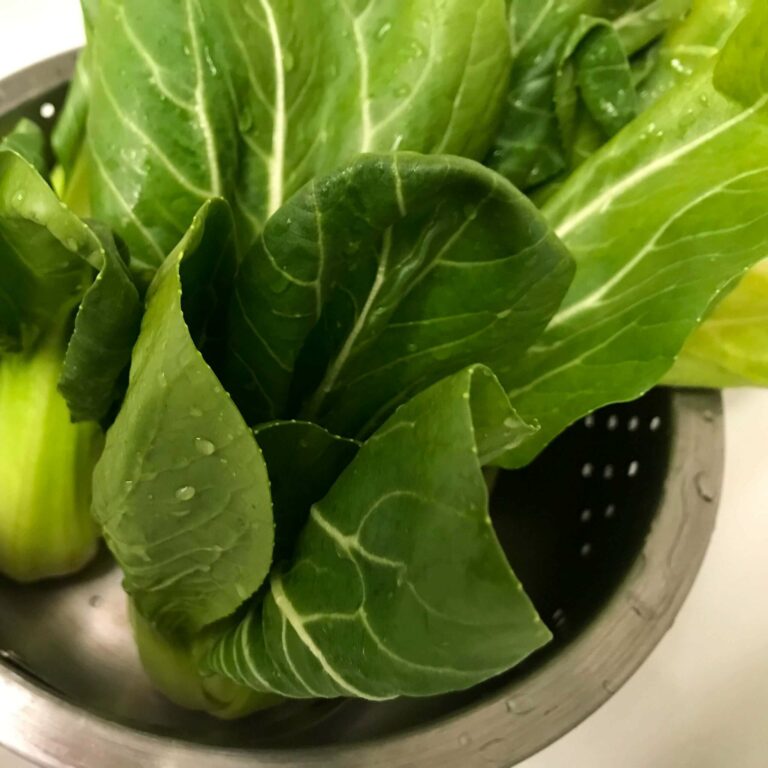
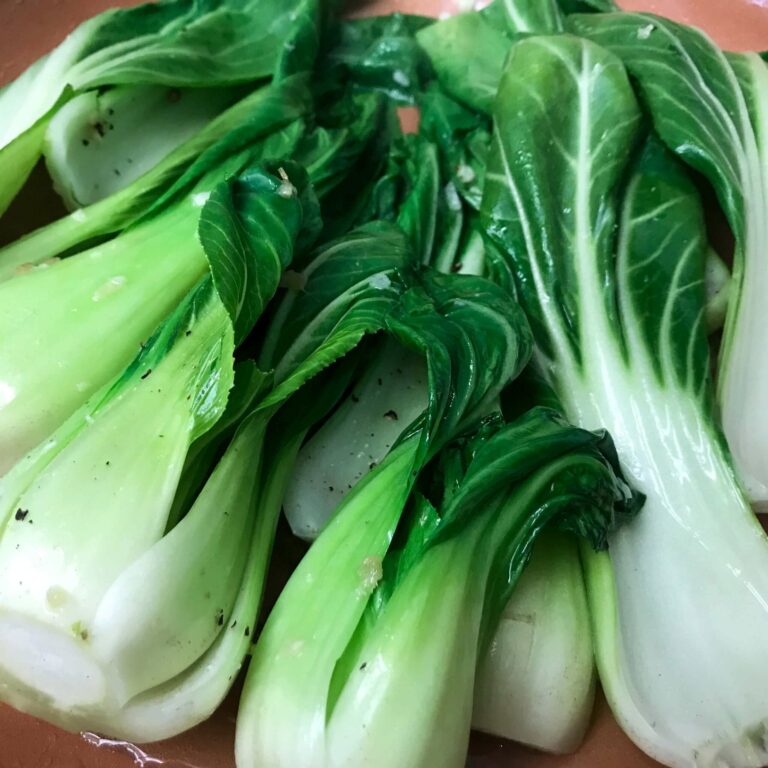
Step 1: Prepare the Bok Choy Begin by washing the bok choy thoroughly under cool running water to remove any loose dirt or debris that might be hiding between the leaves. Gently shake the heads to remove excess water – some moisture remaining is actually beneficial for the cooking process. Using a sharp knife, trim away the tough bottom portion of each stem, but be careful to keep the head intact so the leaves stay connected. For larger heads, cut them in half lengthwise to ensure even cooking. Set the prepared bok choy aside on a clean kitchen towel.
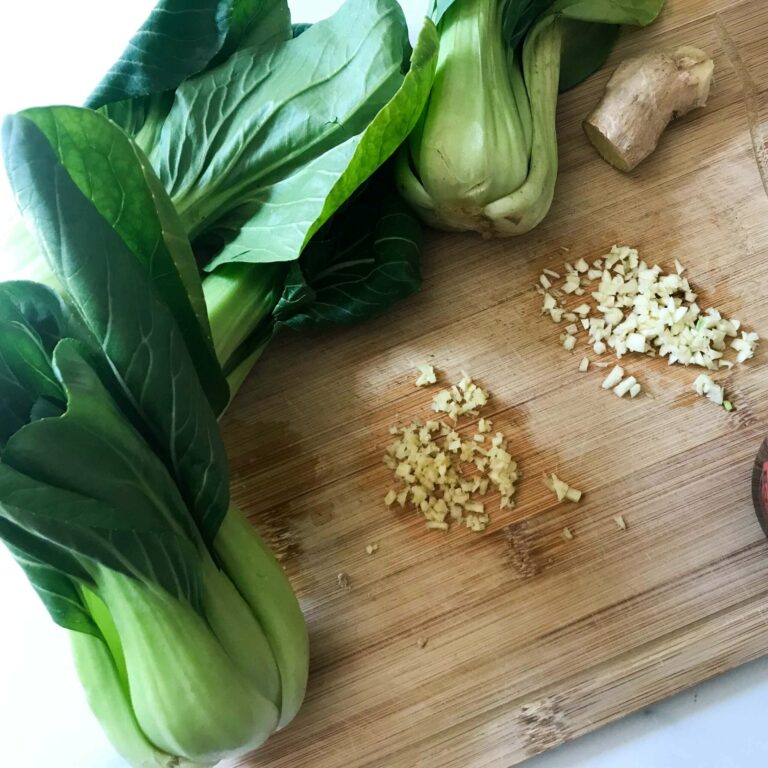
Step 2: Create the Flavor Base In a small mixing bowl, whisk together the oyster sauce, hoisin sauce, soy sauce, seasoned rice vinegar, toasted sesame oil, and confectioners sugar until well combined. Taste the mixture and adjust seasoning with a pinch of kosher salt and freshly ground black pepper as needed. The sauce should balance sweet, salty, and umami flavors. Set this bok choy ginger sauce aside. Mince up your garlic and ginger so you are ready to cook.
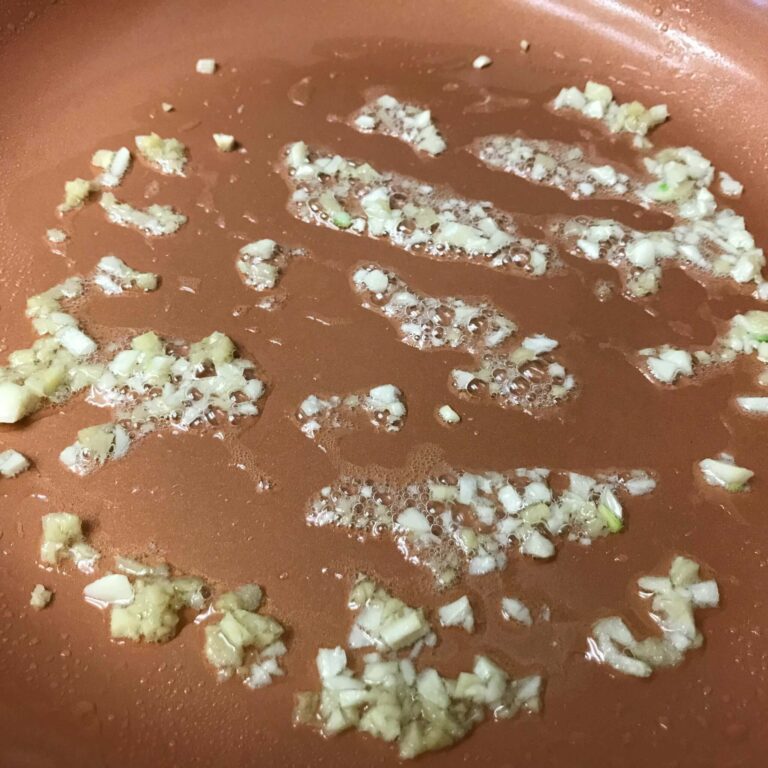
Step 3: Start the Cooking Process Heat one tablespoon of canola oil in a large skillet or wok over medium-high heat. Once the oil shimmers and is hot, add the minced fresh ginger and garlic. Stir constantly for about one minute until the aromatics become fragrant and start to sizzle – this creates the foundation for our bok choy stir fry garlic base. Be careful not to let them brown or burn.
Step 4: Cook the Bok Choy Add the prepared baby bok choy to the skillet, arranging them cut-side down if you’ve halved any. Season immediately with a sprinkle of kosher salt and black pepper. Cook for about 5 minutes, flipping occasionally with tongs to ensure even cooking. The stems should begin to soften while still maintaining some crispness. Add one to two tablespoons of water as needed to create steam, which helps cook the bok choy evenly and prevents the garlic and ginger from burning. Keep the pan moist but not waterlogged.
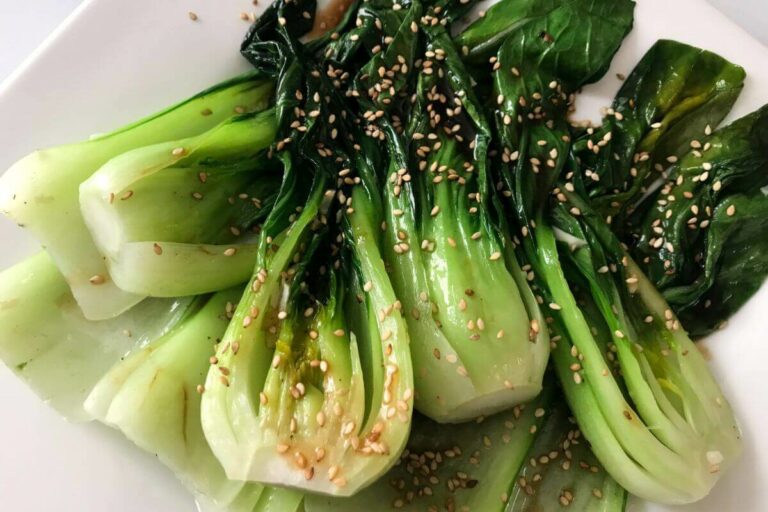
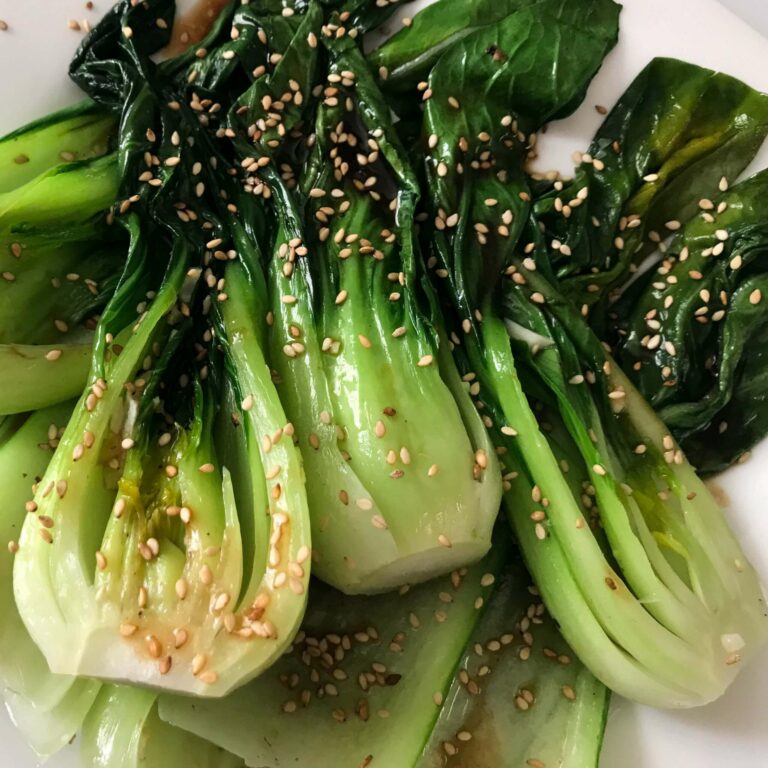
Step 5: Finish and Serve Continue cooking for another 3-5 minutes until the bok choy is tender throughout but still has a slight bite to the stems. The leaves should be wilted and bright green. Remove the cooked bok choy from the heat and arrange on a serving platter. Drizzle the prepared sauce evenly over the vegetables and sprinkle generously with toasted sesame seeds. Taste and adjust seasoning with additional salt and pepper if needed.
Pro Tips for Perfect Baby Bok Choy
From a food blogger’s kitchen: After making this 2025 healthy recipe hundreds of times, here are my insider secrets:
- Don’t overcrowd the pan – Cook in batches if needed for even cooking
- Save the stems and trimmings – They’re great to add to stock
- Timing is everything – The stems should be tender-crisp, not mushy
- Water technique – Adding water creates steam to prevent burning while finishing the cooking
- Taste as you go – The sauce can be adjusted to your preference
- Serve immediately – This dish is best enjoyed hot and fresh
Common Problems & Solutions
Problem: Bok choy is too watery
Solution: Don’t rinse right before cooking; shake off excess water and pat dry
Problem: Garlic burns before bok choy is done
Solution: Add water to create steam and lower heat slightly
Problem: Stems are still tough
Solution: Cut thicker stems lengthwise and cook 2-3 minutes longer
Problem: Sauce is too salty
Solution: Add a pinch more sugar and a splash of rice vinegar to balance
Problem: Leaves are wilted but stems are raw
Solution: Start stems first, then add leaves after 2-3 minutes (you can cut the bok choy rather than cooking it whole)
Frequently Asked Questions
Bok choy is also known as pak choi, pok choi, or Chinese white cabbage. These terms are used interchangeably in different regions.
Fresh bok choy has bright green leaves, firm white stalks, and no yellow or brown spots. The leaves should be crisp and the base should feel heavy for its size.
Yes, baby bok choy can be eaten raw and is delicious in salads. The younger, smaller leaves are more tender and less bitter than mature bok choy.
Properly stored bok choy can last 5-7 days in the refrigerator when kept in the crisper drawer wrapped in damp paper towels.
You can eat the entire bok choy plant – both the white stems and green leaves are edible and nutritious.
While bok choy can be eaten raw, cooking helps break down its fiber and makes it easier to digest. Cooking also enhances its natural sweetness.
Rinse bok choy under cool running water, paying special attention to the base where dirt can accumulate. Separate the leaves gently to ensure all debris is removed.
Yes, bok choy is excellent for weight loss as it’s very low in calories (only 9 calories per cup) but high in nutrients and fiber, which helps you feel full
Yes, but regular bok choy has a stronger flavor and tougher texture. Cut it into smaller pieces and expect a slightly longer cooking time.
Bok choy has a mild, slightly sweet flavor with a crisp texture similar to cabbage but more delicate. The white stems are crunchy while the green leaves are tender.
Baby bok choy takes 8-10 minutes total – 5 minutes for initial cooking and 3-5 minutes with steam to finish.
Baby bok choy cooks faster (8-10 minutes) compared to regular bok choy (12-15 minutes) due to its smaller size and more tender leaves.
This recipe is best served immediately, but you can prep the sauce and wash the bok choy up to 24 hours in advance.
Yes, this roasted baby bok choy recipe is keto-friendly with only 3-4g net carbs per serving.
Roasted baby bok choy pairs perfectly with Ebi Tempura, Chicken Yakitori, or any stir-fry main course like my healthier orange chicken. Try it with my Korean Beef Bulgogi Wraps or Asian Marinated Cod for a complete meal.
How to serve bok choy
I typically serve a platter of bok choy family style but also will plate it with a great piece of salmon. That is one of my go-to meals during the week. I know I’m getting my omega-3s and healthy greens and everything tastes amazing. You can also serve this with any of your favorite Asian inspired entrees, chicken or steak.
If you try this baby bok choy recipe, I’d love to hear how it turned out! Please leave a comment below and rate the recipe – your feedback helps me create more delicious, healthy recipes for you to enjoy.
Looking for more Asian-inspired dishes to round out your meal? Check out these reader favorites:
Happy cooking!

Asian Baby Bok Choy
Nutritional information is only an estimate. The accuracy of the nutritional information for any recipe on this site is not guaranteed.

Ingredients
- 4 Heads of baby bok choy, bottoms trimmed and cabbage washed
- 1 Tbsp. Canola oil
- 2 Cloves of garlic, finely minced
- 1 Tbsp. Fresh ginger, finely minced
- 3 Tbsp. Oyster sauce
- 1 Tbsp. Hoisin sauce
- 2 Tbsp. Soy sauce
- 2 Tsp. Seasoned rice vinegar
- 1/2 Tsp. Toasted Sesame oil
- 1/8 Tsp. Confectioners sugar
- Kosher salt and freshly ground black pepper to taste
- 1 Tsp. Toasted sesame seeds
Instructions
- Wash the boy choy to remove loose dirt and shake dry. (some moisture is fine) Remove some of the hard, bottom of the base leaving the bok choy in tact. If any heads are large, cut them in half. Put to the side
- Make the dressing by mixing the oyster sauce, hoisin sauce, soy sauce, rice vinegar, sesame oil and sugar in a small bowl. Taste. Add salt and pepper to taste (usually a pinch of both). Put to the side.
- Heat the tablespoon of oil in a large skillet over medium high heat. Add the ginger and garlic and stir for about a minute to get fragrant. Add the boy choy and sprinkle with salt and pepper. Cook flipping over occasionally until the bottom stem portion is cooking but still crisp. About 5 minutes. Add a tablespoon or two of water to keep the pan steaming (to help cook the bok choy) and to prevent the garlic and ginger from burning. Don’t let the pan get dry. Cook for another 3-5 minutes.
- When tender and cooked through, remove from the pan and put on a serving platter. Drizzle the sauce over the vegetables and sprinkle with the sesame seeds. Taste. If needed, add more salt and pepper. Enjoy.

Meet Diane
Hi! I’m Diane. I started this site as a passion project. I love to cook, entertain, travel and laugh. (Who doesn’t love a good laugh?) Of course, being from New York, sarcasm rules!
More About Diane
mycuratedtastes@gmail.com
This Week’s Finds
See the latest deals, newest products and fabulous new finds for the kitchen, dining room and beyond.

Jingle Bell Bites 2025
26 Irresistible Christmas Appetizers Made Easy
I love everything about the holiday, from shopping, to decorating, wrapping and putting up the tree. Christmas has always been celebrated in my family with joy, excitement and food! Get my favorite appetizer recipes and let the season begin!

Stay Connected
Sign up for my latest recipes, menu ideas, travel suggestions and promotions sent to your inbox every month….
Featured Recipe