Bailey’s Irish Parfait
The Ultimate St. Paddy’s Day Menu
Updated: March 3, 2026
Published: March 10, 2022
A St. Patrick’s Day Dinner That Goes Beyond the Expected
Every year on March 17th, American kitchens fill with the smell of corned beef and cabbage — and there’s nothing wrong with that. But if you’ve ever wanted to explore what a truly traditional Irish St. Patrick’s Day menu looks like, you’re in the right place. This year, I went deep: researching authentic Irish recipes, calling Irish friends for family recipes, sourcing smoked wild salmon from Connemara, and even sparking an Irish Soda Bread bake-off. The result is a festive, crowd-pleasing St. Paddy’s Day menu that surprises and delights at every course.
Before we get into the food, here’s something I recently learned that I have to share: most of us Americans have been saying “St. Patty’s Day” our whole lives. Turns out, the correct abbreviation is “St. Paddy’s Day” — because St. Patrick was known as Padre, so Paddy is the proper nickname. Who knew? I learned it from Jamie Dornan (yes, the Irish actor from Belfast) and I haven’t looked back.
If you’re planning the full holiday spread, don’t miss my Traditional St. Patrick’s Day Corned Beef & Cabbage Menu for the classic American version — but stay here if you want the real Irish experience.
What’s on This St. Paddy’s Day Menu
Here’s the full lineup for this authentic Irish feast:
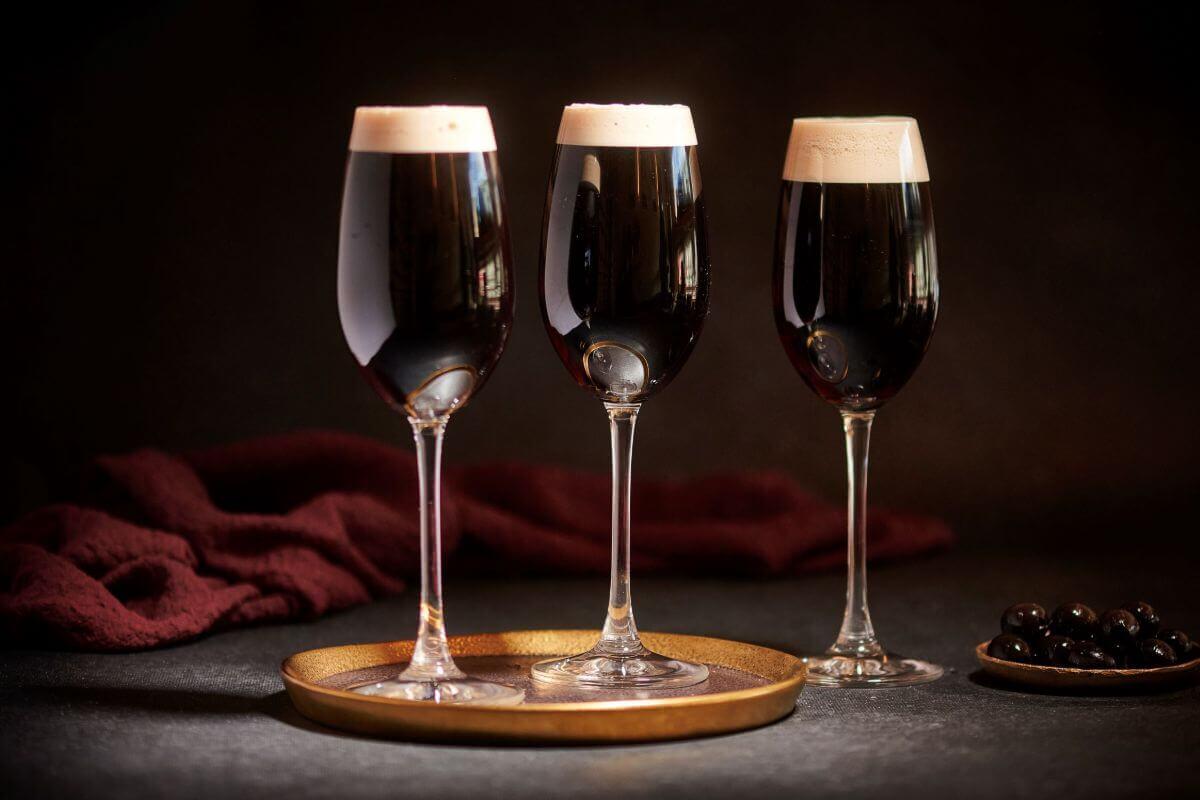
- Cocktail: Black Velvet Cocktail (Guinness + Champagne)
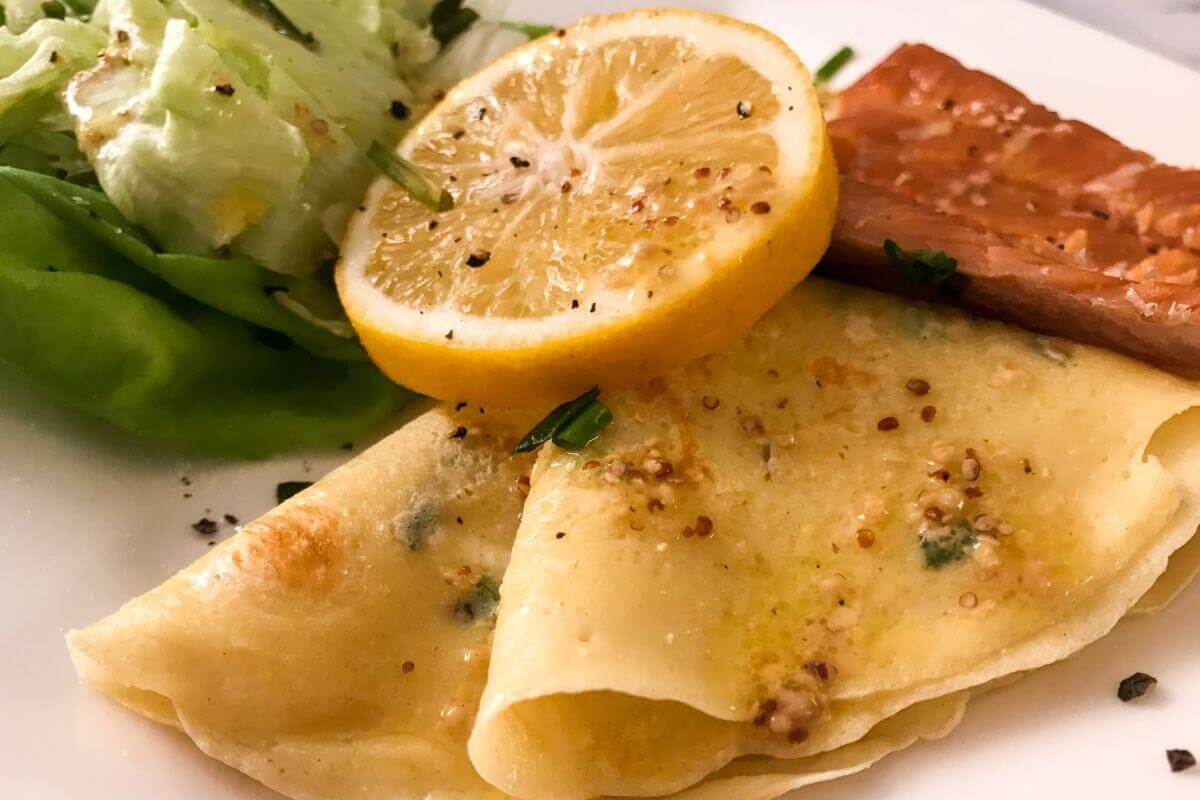
- Starter: Smoked Irish Salmon with Chive Pancakes
- Main Course: Traditional Irish Lamb Stew
- Breads: Irish Soda Bread + Lyons-Dooley Irish Soda Bread + Traditional Irish Barmbrack Bread
- Dessert: Bailey’s Irish Parfait
- After Dinner: Irish Coffee
The Cocktail: Black Velvet — Guinness Meets Champagne
The first thing I wanted for this menu was a cocktail nobody had ever tried. Enter the Black Velvet Cocktail: equal parts Guinness stout and Champagne, poured carefully so they layer in the glass. It sounds unusual — and it is — but it’s elegant, unexpected, and absolutely delicious. Not a single guest at my party had tried it before, which made it the perfect conversation starter for St. Paddy’s Day entertaining.
The Starter: Smoked Irish Salmon with Chive Pancakes
Ireland has an extensive coastline and is renowned for its exceptional wild salmon — particularly smoked wild salmon from the west coast. For this starter, I sourced mine from Connemara Smokehouse, and it was extraordinary. Served atop delicate chive pancakes with a mini side salad, this Smoked Irish Salmon with Chive Pancakes is an elegant, surprising opener that sets the tone for a sophisticated St. Paddy’s Day dinner.
Can’t get imported Irish salmon? No problem — top-quality Alaskan wild smoked salmon works beautifully. I prefer the chunky or flaky style over thin-sliced for this recipe, but all versions are wonderful. If you love smoked salmon as a spread, my Alaskan Smoked Salmon Spread is another fantastic option for the table.
The Main Course: Traditional Irish Lamb Stew
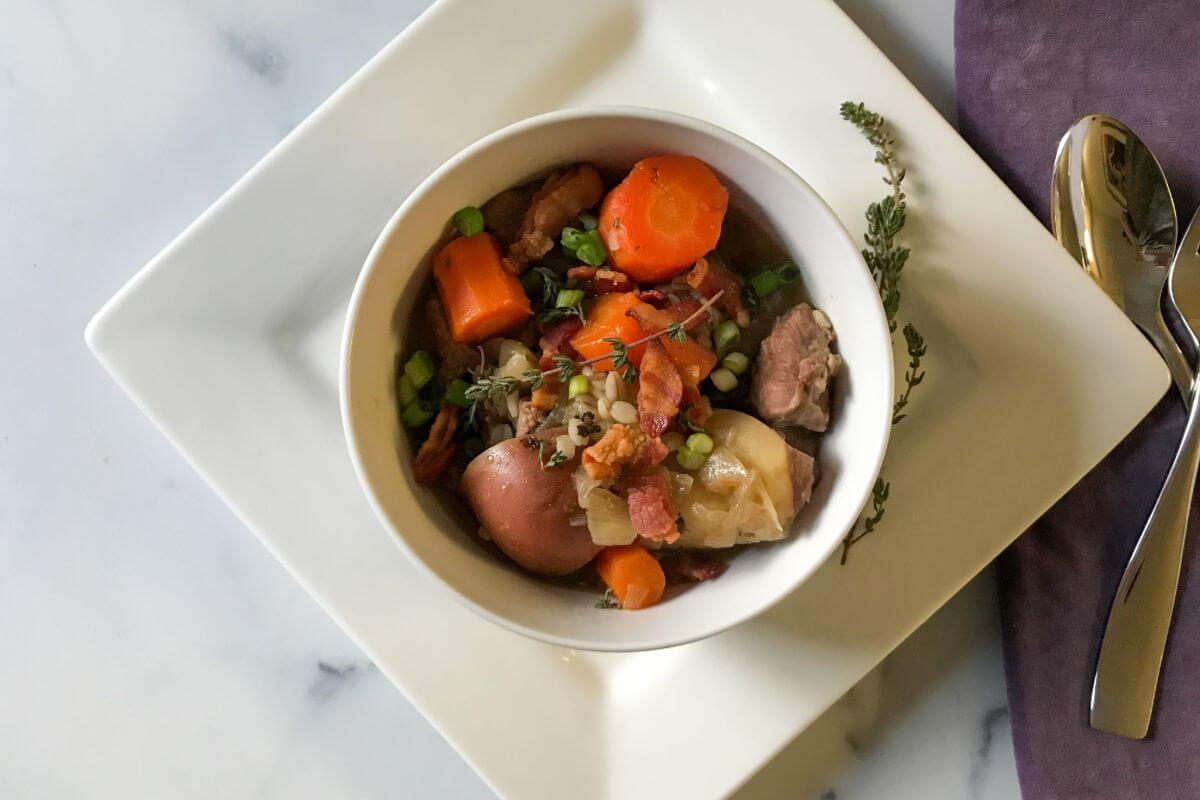
For the centerpiece of a traditional Irish St. Patrick’s Day dinner, it’s hard to beat a hearty Traditional Irish Lamb Stew. Lamb has been central to Irish cuisine for centuries, and this stew honors that tradition. My version is rich, thick, and packed with onions, carrots, and potatoes — but I added two surprise ingredients that take it to another level: lamb demi-glace (available online) and pearl barley. The barley gives the stew a gorgeous body and a heartiness that makes it pure comfort food. This is a big-pot dish, perfect for feeding a crowd.
The Breads: A St. Paddy’s Day Bake-Off Story
Irish Soda Bread — The Great Debate
I made the mistake (or maybe the brilliant move) of posting my Irish Soda Bread on social media and declaring it the best. Within hours, I was flooded with family recipes from friends insisting their version was superior. What followed was a week of baking, tasting, laughing, and debating that I’ll never forget.
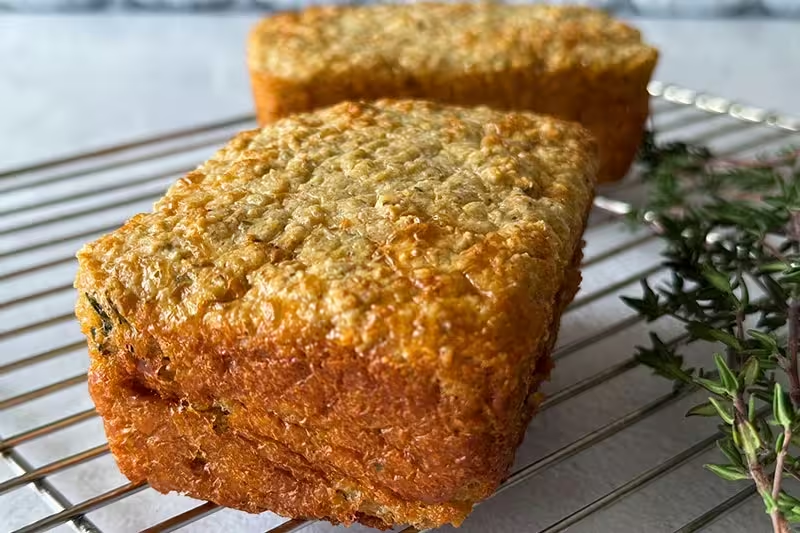
The winner — or at least my new personal favorite — was the Lyons-Dooley Irish Soda Bread. This version leans more toward a sweet cake than a traditional bread, and I ended up using the leftovers to make my dessert (more on that below — two recipes for the price of one!). Try one or both versions and weigh in with your verdict.
Barmbrack: Ireland’s Fortune-Telling Bread
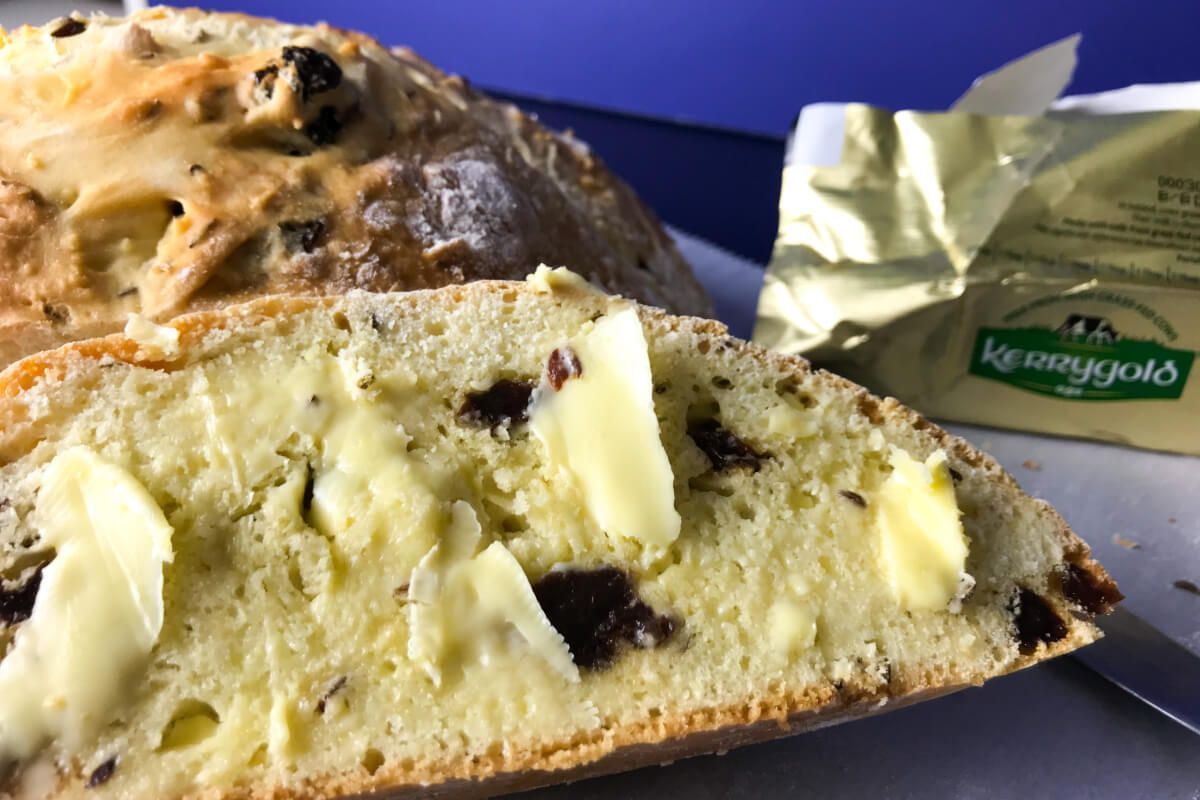
While researching Irish soda bread, I stumbled across a bread I had never heard of: Barmbrack. This yeast-based, fruit-studded loaf — loaded with raisins, golden raisins, candied orange peel, and candied cherries — comes with one of the best food stories I’ve ever encountered.
The Traditional Irish Barmbrack Bread is actually rooted in an old Irish Halloween tradition (yes, the Irish have celebrated Halloween for centuries — they basically invented it). Each loaf was baked with small trinkets hidden inside, and whoever found a trinket in their slice could divine their fortune for the coming year:
- A pea — no marriage in sight for the year
- A stick — an unhappy marriage or arguments ahead
- A piece of cloth — bad luck or financial troubles
- A coin — good fortune and financial success
- A ring — you’ll be wed within the year
- A bean — a future with no money
- A religious medallion — you’d become a nun or priest
Today, commercially sold Barmbracks in Ireland usually just contain a toy ring (safer for the teeth!). It reminds me of New Orleans King Cakes with the tiny plastic Baby Jesus, or British Christmas Pudding with a hidden silver coin — turns out hiding fortunes in baked goods is a global tradition.
I served the Barmbrack toasted and slathered in Irish butter alongside tea, and the story of the bread was as much of a hit as the bread itself. There’s also an old tradition in some parts of Ireland where, on New Year’s Eve, the man of the house would take three bites of the Barmbrack and throw them against the front door to ward off poverty. Then the family ate the rest. (In my house growing up, we had pickled herring at midnight for good luck — I still haven’t tracked down the origin of that tradition.)
The Dessert: Bailey’s Irish Parfait
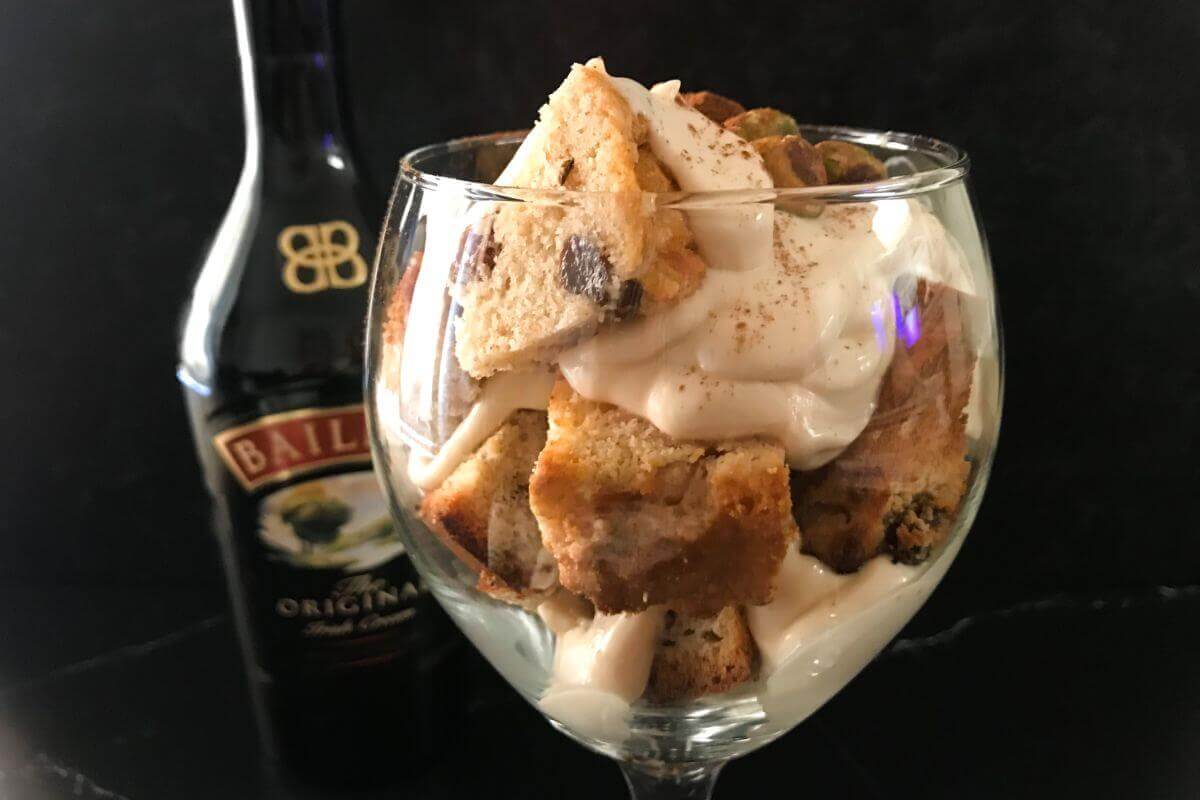
For something playful and festive, I turned the leftover Lyons-Dooley Irish Soda Bread into a showstopping Bailey’s Irish Parfait. Layered with Bailey’s Irish Cream, this dessert is the perfect sweet ending to a big Irish feast. I followed it with Irish Coffee to close out the night in proper style.
Want to go the extra mile? Make my homemade Irish Cream Liqueur and substitute it for the Baileys in any recipe — it’s incredibly good and makes for a wonderful edible gift, too.
The Full St. Paddy’s Day Menu at a Glance
Smoked Irish Salmon with Chive Pancakes
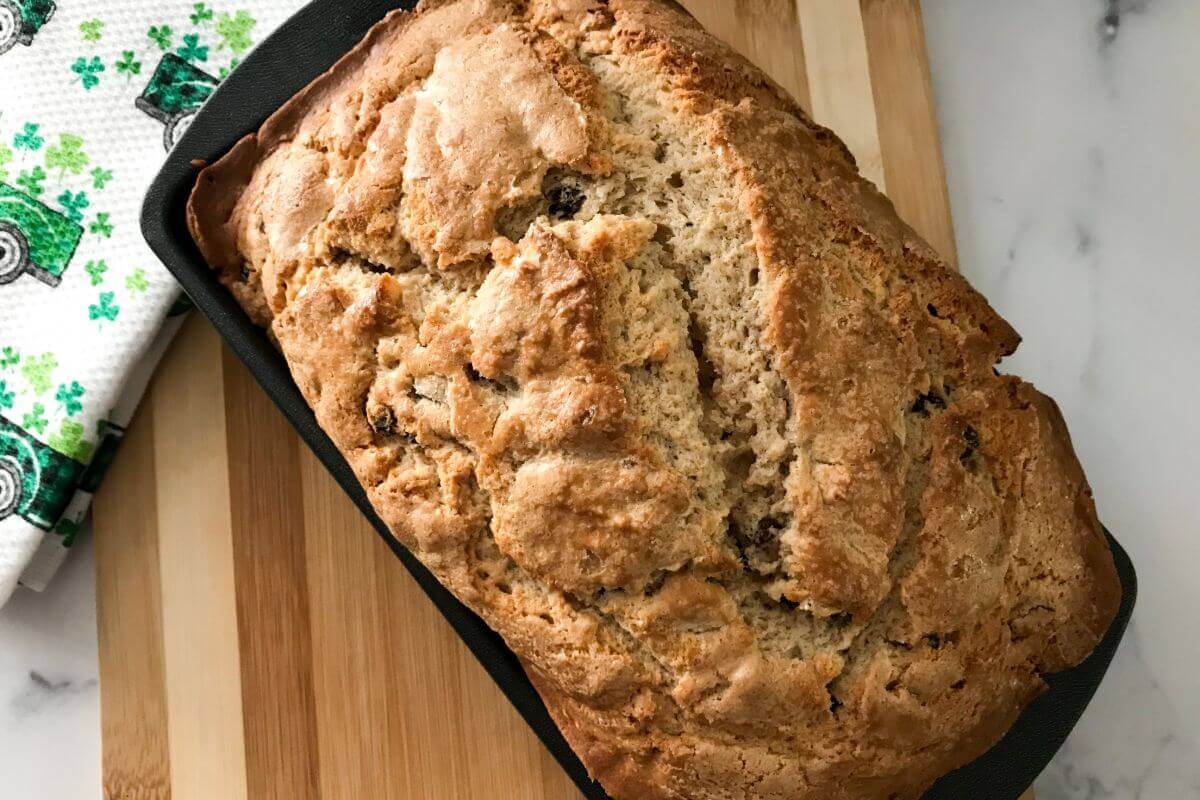
Lyons & Dooley Irish Soda Bread
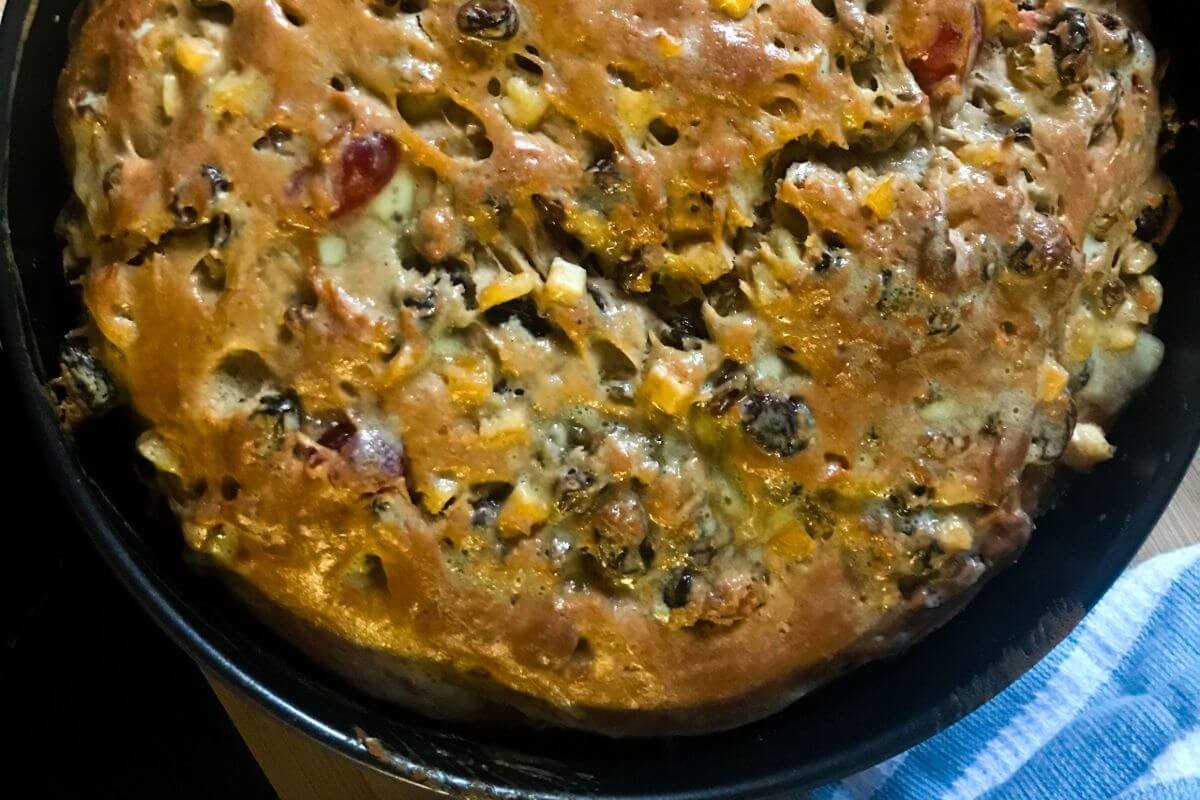
Traditional Irish Barmbrack Bread
Want to share this infographic?
Key Takeaways: Summary of This St. Paddy’s Day Menu
Here are the essential things to know before planning your St. Patrick’s Day feast:
“St. Paddy’s Day” is correct — not “St. Patty’s Day.” St. Patrick was known as Padre, hence Paddy.
Real Irish cuisine isn’t about corned beef. Traditional Irish St. Patrick’s Day food features lamb stew, soda bread, salmon, colcannon, and dishes like Dublin coddle. Corned beef and cabbage is a beloved Irish-American invention.
This menu works beautifully for a crowd. The lamb stew scales easily, the breads can be made a day ahead, and the parfait uses leftover soda bread — making it one of the most efficient dinner party menus around.
The Barmbrack Bread is the conversation starter of the table. Its Halloween fortune-telling tradition is a story worth telling your guests as you serve it — watch their eyes light up as they search for trinkets in their slices.
The Black Velvet Cocktail will be the hit of the party. Nobody will have tried it, and it’s far more elegant and interesting than a plain pint.
Don’t skip the Irish sourcing if you can manage it. The smoked wild salmon from Connemara Smokehouse is exceptional and elevates this menu to a truly special occasion.
If you’re after the more traditional American St. Patrick’s Day spread, head over to my St. Patrick’s Day Corned Beef & Cabbage Menu — and if corned beef is your thing, my Crusted Corned Beef is an absolute game-changer. Craving something lighter? My Baked Fish & Garlic Chips keeps things festive without the heaviness.
Put on some green, pour yourself a Black Velvet, and remember: everyone is Irish on St. Patrick’s Day.
St. Patrick’s Day Recipes — Complete FAQ
Corned beef and cabbage (try my cabbage and carrots for a new twist) is the most popular St. Patrick’s Day food in the United States. Though it’s actually an Irish-American dish rather than a traditional Irish one, it became iconic among Irish immigrants in the 19th century who substituted affordable beef brisket for the bacon they were used to back home. Today it’s the centerpiece of most American St. Patrick’s Day meals, slow-braised until fork-tender and served alongside potatoes and carrots.
In Ireland, St. Patrick’s Day meals tend to feature lamb, bacon and cabbage, colcannon, Irish soda bread, shepherd’s pie, and Dublin coddle — a slow-simmered stew of bacon, sausage, onions, and potatoes that dates back to 1700s Dublin. Corned beef and cabbage, while beloved in America, is rarely the centerpiece of an Irish celebration.
Colcannon is Ireland’s most famous potato dish — a comforting blend of mashed potatoes, shredded cabbage or kale, spring onions, and generous amounts of butter and milk. To make it, boil floury potatoes until tender and mash them with warm milk and butter. Stir in cooked shredded cabbage and sliced scallions. Season with salt and pepper, and serve with a well of melted butter in the center. It’s simple, hearty comfort food that perfectly represents Irish cooking.
A traditional St. Patrick’s Day dinner menu might include: Irish soda bread as a starter alongside Irish butter, a bowl of Irish beef stew (made with Guinness stout) or corned beef and cabbage as the main, colcannon or champ as a potato side dish, roasted carrots, and for dessert, an Irish apple tart or warm chocolate Guinness cake. For drinks, Guinness stout, Irish whiskey, or a classic Irish coffee pair beautifully with any of these dishes.
Corned beef is beef brisket that has been salt-cured using large rock salt crystals — historically called ‘corns’ of salt, which is how the name originated. This curing process gives corned beef its distinctive pink color, salty flavor, and firm-yet-tender texture when cooked. Unlike regular beef roasts, corned beef requires a long, slow braise (typically 3–4 hours) in water or broth to break down the tough brisket fibers and balance out the salt.
Corned beef takes about 3 to 4 hours to cook on the stovetop over low heat. In a slow cooker, plan for 8–10 hours on low or 4–5 hours on high. In an Instant Pot or pressure cooker, corned beef can be done in about 90 minutes. Regardless of method, the key is low, slow cooking — rushing the process results in tough, chewy meat. It’s done when a fork slides in with little resistance.
The flat cut (also called the first cut) brisket is the best choice for most home cooks. It’s leaner, slices more neatly, and looks great on a plate. The point cut has more fat marbling and connective tissue, which makes it juicier and more flavorful but harder to slice cleanly. If flavor is your priority over presentation, go with the point cut. If you want neat slices for a crowd, choose the flat cut.
Yes — both work wonderfully. For the slow cooker, place the brined brisket in with the spice packet, onion, garlic, and enough water to cover. Cook on low for 8–10 hours. For the Instant Pot, add 1 cup of water or broth, place the corned beef on the trivet, seal the lid, and pressure cook on high for 90 minutes followed by a 15-minute natural release. Both methods produce tender, flavorful results with minimal effort.
Leftover corned beef is incredibly versatile. The most classic use is corned beef hash — diced corned beef pan-fried with potatoes and onions until crispy, topped with a fried egg. Other great options include Reuben sandwiches (with Swiss cheese, sauerkraut, and Thousand Island dressing on rye), corned beef egg rolls, corned beef and cabbage soup, corned beef stuffed baked potatoes, or corned beef fried rice. It keeps refrigerated for up to 4 days.
There are many satisfying vegetarian St. Patrick’s Day options: colcannon is naturally vegetarian (just use vegetable broth instead of chicken stock), vegan shepherd’s pie topped with fluffy mashed potatoes, hearty Guinness-style vegetable stew with mushrooms and root vegetables, Irish soda bread, boxty (Irish potato pancakes), and spinach and artichoke dip dyed green for festivity. For dessert, Guinness has a vegan stout option that works in chocolate cake recipes.
Naturally gluten-free St. Patrick’s Day dishes include colcannon, Irish lamb stew (when thickened with cornstarch instead of flour), slow-roasted lamb chops with herbs, roasted cabbage steaks, and classic mashed potatoes. For gluten-free Irish soda bread, substitute a 1:1 gluten-free flour blend — the result is slightly denser but still delicious. Always check that your broth and spice packets are certified gluten-free, as they sometimes contain hidden gluten.
For naturally green St. Patrick’s Day foods without food dye, try: guacamole or avocado toast, green hummus made with spinach or kale, kale and potato soup, green goddess dressing over salad, basil pesto pasta, spinach pancakes, matcha-flavored desserts, green smoothies with spinach or cucumber, and pistachio-crusted salmon. These are festive without artificial coloring and are great for health-conscious guests.
Guinness stout is a fantastic cooking ingredient — its roasted, slightly bitter notes add remarkable depth to savory dishes and a complex richness to desserts. Classic Guinness recipes include: Guinness beef stew, Guinness braised short ribs, Guinness corned beef, Guinness beer cheese dip, Guinness chocolate cake (also called ‘Chocolate Stout Cake’), and Guinness caramel sauce. When cooking savory dishes, the alcohol cooks off and you’re left with a deep, malty flavor that tastes nothing like beer.
For cooking, choose a mid-range Irish whiskey rather than your best bottle. Jameson Irish Whiskey is the most popular choice — it’s smooth, approachable, and widely available. Bushmills Original is another great option. Irish whiskey adds warmth and a subtle sweetness to dishes like Irish whiskey cream sauce for salmon, whiskey glazed carrots, Irish coffee, and whiskey-spiked whipped cream. Avoid overly smoky or peated Scotch whisky, which can overpower a dish.
The easiest full St. Patrick’s Day dinner is a slow cooker corned beef and cabbage. Simply add the brisket, spice packet, potatoes, carrots, and cabbage to your slow cooker in the morning, set it to low, and come home to a complete meal 8 hours later. If you want something even simpler, make sheet pan roasted cabbage wedges and lamb chops — everything goes on one pan and cooks in under 30 minutes at 425°F. Up your game and do my crusted corned beef for an explosion of flavor.
For large groups, choose dishes that scale easily and can be made ahead: a big pot of Guinness beef stew (serve with crusty soda bread), shepherd’s pie baked in a large casserole dish, a slow cooker full of corned beef sliders, an Irish pub-style spread of beer cheese dip, smoked salmon spread with crackers, Irish cheddar board, and boxty bites. For dessert, a Guinness chocolate sheet cake is easy to slice for a crowd. Set up a drink station with Guinness, Irish coffee supplies, and green lemonade for a festive touch.
Irish soda bread is one of the simplest breads in the world, made with just four ingredients: flour, buttermilk, baking soda, and salt. The acid in buttermilk reacts with the baking soda to leaven the bread without yeast, making it a quick bread that requires no rising time. The X or cross cut on top serves a practical purpose — it allows heat to penetrate the dense loaf and helps it bake evenly. Irish folklore adds a charming layer to this: the cross was said to ‘let the fairies out’ and ward off evil spirits. Score deeply, about halfway through the dough, for the best results.
While Guinness chocolate cake is deservedly beloved, there’s a whole world of Irish and St. Patrick’s Day desserts worth exploring: traditional Irish apple tart (similar to pie but shallower and crustier), Baileys Irish Cream cheesecake, barmbrack (a sweet spiced fruit bread), Bailey’s Irish Parfait, Irish Apple Cake,  Irish bread pudding with whiskey caramel sauce, mint Oreo truffles, pistachio fudge, shamrock-shaped sugar cookies with cream cheese frosting, and matcha pound cake. For something truly traditional, try Barm Brack — Ireland’s version of fruitcake, traditionally baked with tokens hidden inside to predict the finder’s future.
Remember — on St. Patrick’s Day, everyone is Irish. Sláinte!

Meet Diane
Hi! I’m Diane. I started this site as a passion project. I love to cook, entertain, travel and laugh. (Who doesn’t love a good laugh?) Of course, being from New York, sarcasm rules!
More About Diane
mycuratedtastes@gmail.com
This Week’s Finds
See the latest deals, newest products and fabulous new finds for the kitchen, dining room and beyond.

Add Us As A Trusted Google Source