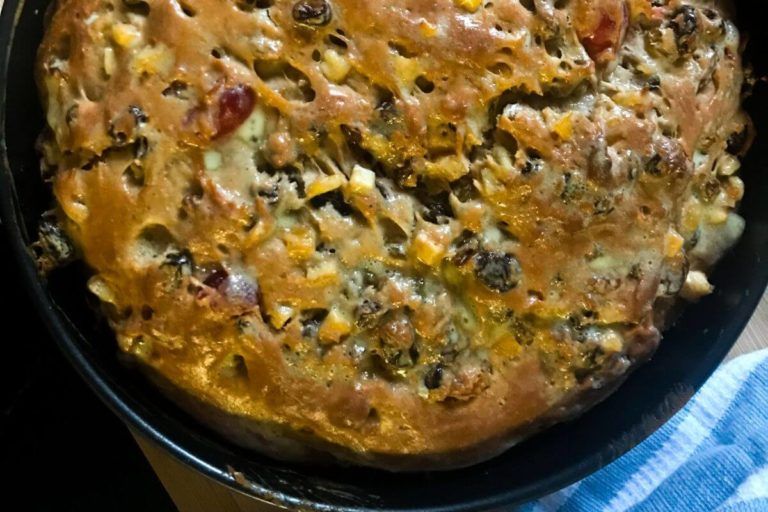
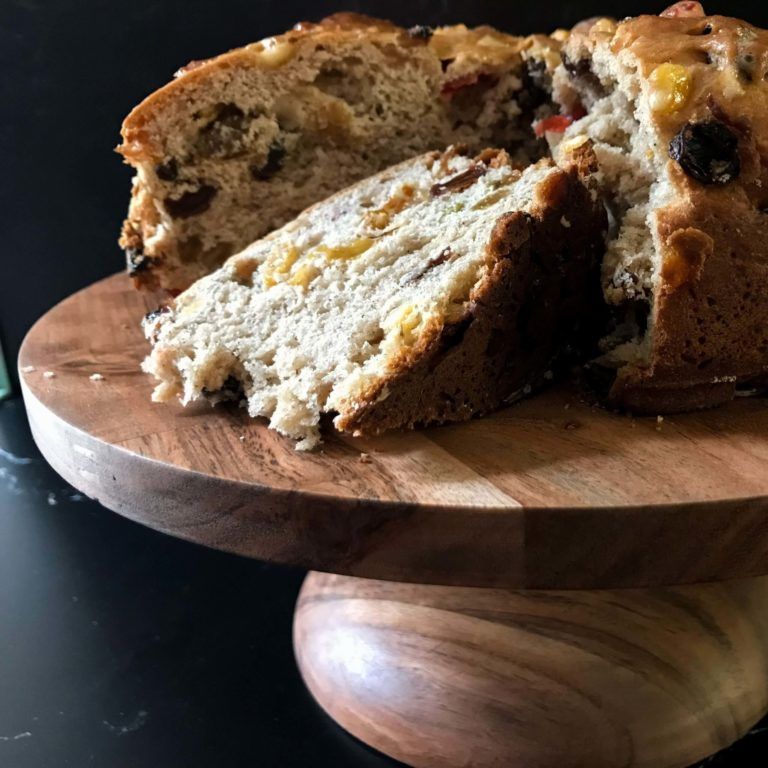
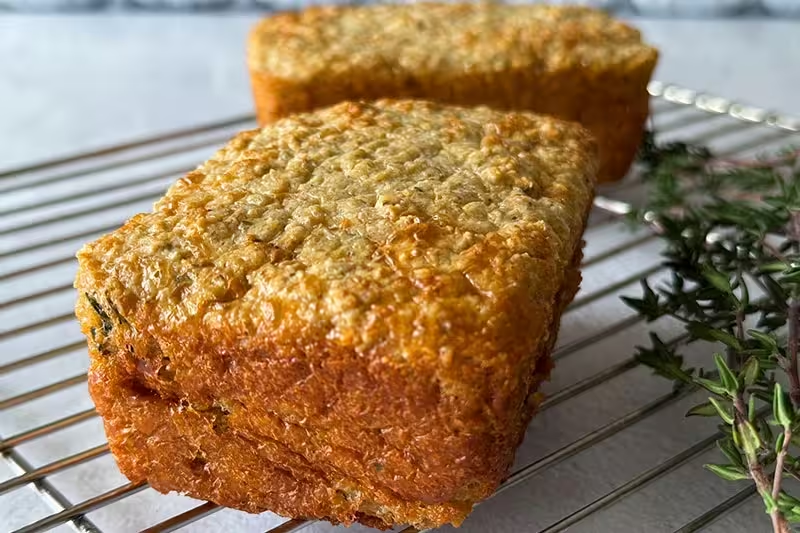
Barmbrack is a traditional Irish yeast bread made with strong flour and leavened with yeast (historically “barm” from beer fermentation), while tea brack is a quick bread that uses baking powder for leavening and has dried fruit soaked in tea. True barmbrack contains less fruit than tea brack and is traditionally shaped into rounds, whereas tea brack is typically baked in loaf pans. Barmbrack is specifically associated with Halloween and may contain fortune-telling trinkets, while tea brack is enjoyed year-round and never contains charms.
Barmbrack comes from the Irish Gaelic “báirín breac,” which translates to “speckled loaf” or “little speckled loaf.” The word “breac” (pronounced “brack”) means “speckled,” referring to the dried fruits dotted throughout the bread. “Barm” refers to the yeasty foam that forms on fermenting ale, which was historically used as a leavening agent before modern packaged yeast became available.
Barmbrack has been linked to the Celtic festival of Samhain (Halloween’s predecessor) for centuries. Traditionally, various trinkets were baked into the bread as part of fortune-telling rituals. Each item predicted the finder’s fate for the coming year: a ring meant marriage, a coin indicated wealth, a pea meant remaining single, a stick foretold an unhappy marriage, and a piece of cloth signified poverty. Today, most commercial barmbracks contain only a ring wrapped in parchment paper for safety.
While traditional authentic barmbrack must be made with yeast (that’s what makes it “barmbrack”), you can make a similar fruit bread called tea brack that uses baking powder as a leavening agent instead. However, tea brack and barmbrack are technically different breads with distinct textures and flavors. Barmbrack has a lighter, bread-like texture due to the yeast, while tea brack is denser and more cake-like.
Store barmbrack at room temperature in an airtight container or plastic bag for up to 4-5 days. Avoid refrigerating it, as this will dry out the bread quickly and accelerate staling. For longer storage, wrap the cooled loaf tightly in plastic wrap, then aluminum foil, and freeze for up to 2-3 months. To serve frozen barmbrack, thaw slices at room temperature and toast them with butter for the best flavor.
Barmbrack is most commonly served sliced and toasted with generous amounts of Irish butter (like Kerrygold) and a cup of hot tea. It can also be enjoyed fresh at room temperature. For a special treat, try making Barmbrack French toast or bread pudding with day-old slices. The bread pairs wonderfully with jam, marmalade, or honey butter.
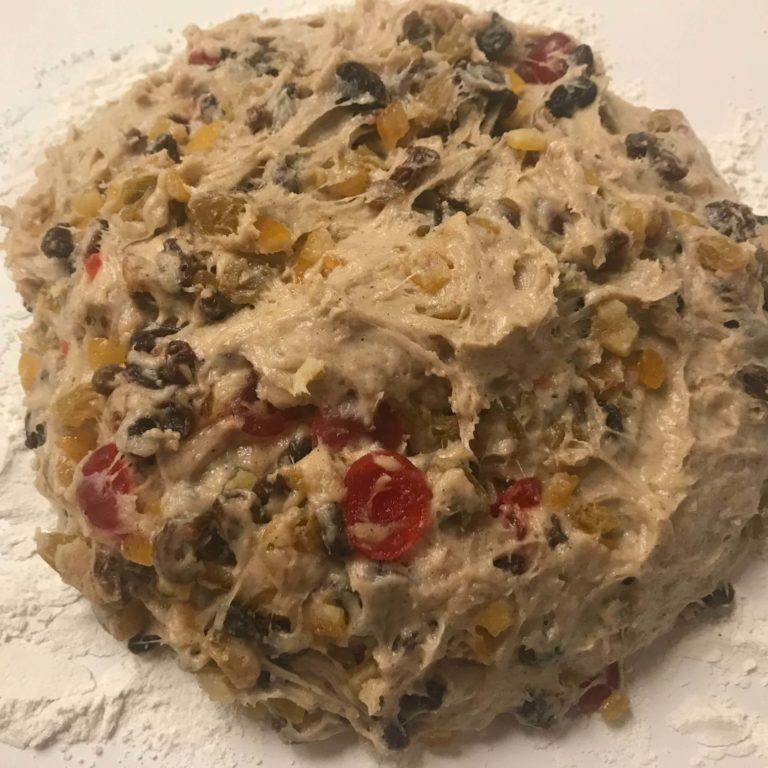
Yes! While traditional barmbrack uses raisins, golden raisins (sultanas), candied orange peel, and glacé cherries, you can experiment with other dried fruits like currants, cranberries, dried blueberries, or chopped apricots. Try to maintain a total of 3-3½ cups of mixed dried fruit for best results. Some bakers also soak the fruit in Irish whiskey or strong black tea for added flavor.
While similar, they are not identical. Both names mean “speckled bread” in their respective languages (Irish and Welsh), and both are fruit-studded breads. However, bara brith is typically made with tea-soaked fruit and uses baking powder (making it similar to Irish tea brack), while authentic barmbrack is a yeast bread. The flavor profiles and textures differ accordingly.
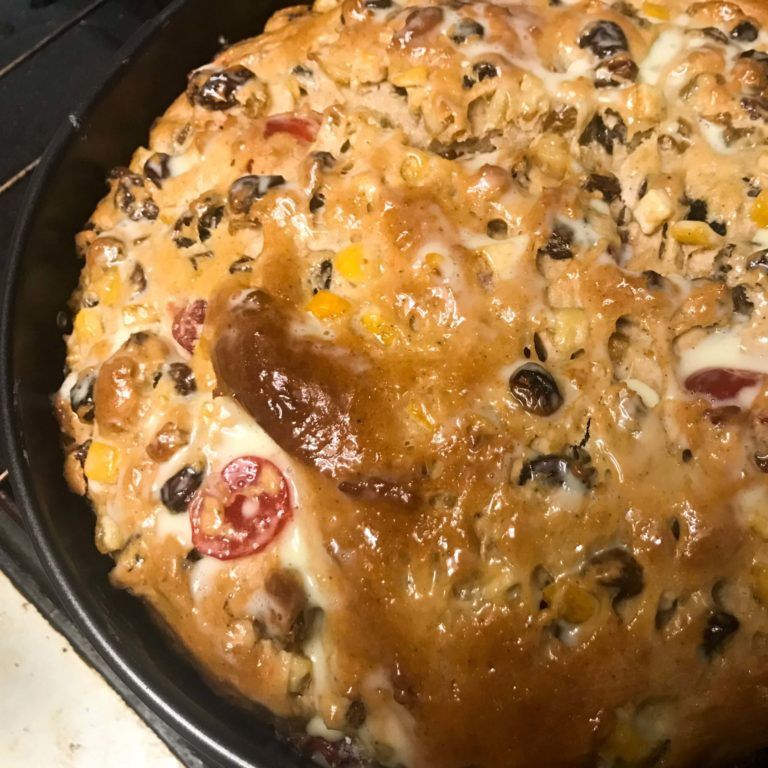
Barmbrack is done when it has a golden-brown color and sounds hollow when tapped on the bottom. You can also insert a toothpick or skewer into the center—if it comes out clean (without raw dough), the bread is fully baked. The internal temperature should reach about 190-200°F. After applying the egg wash glaze, return it to the oven for just 2-3 minutes to set the glaze without overbaking.
A 9-inch round springform pan with a removable bottom is ideal for traditional round barmbrack, as it makes removing the bread easy and maintains the authentic shape. However, you can also use a standard 9-inch round cake pan or even bake it in a loaf pan. If using a loaf pan, adjust the shape during forming and expect slightly different baking times.
Absolutely! Barmbrack actually benefits from resting for a day, as the flavors develop and meld. Make it 1-2 days ahead and store it in an airtight container at room temperature. It’s also an excellent candidate for freezing—bake it up to 3 months in advance, freeze it properly wrapped, and thaw when needed. Many Irish families make extra loaves during Halloween season to enjoy throughout the fall.
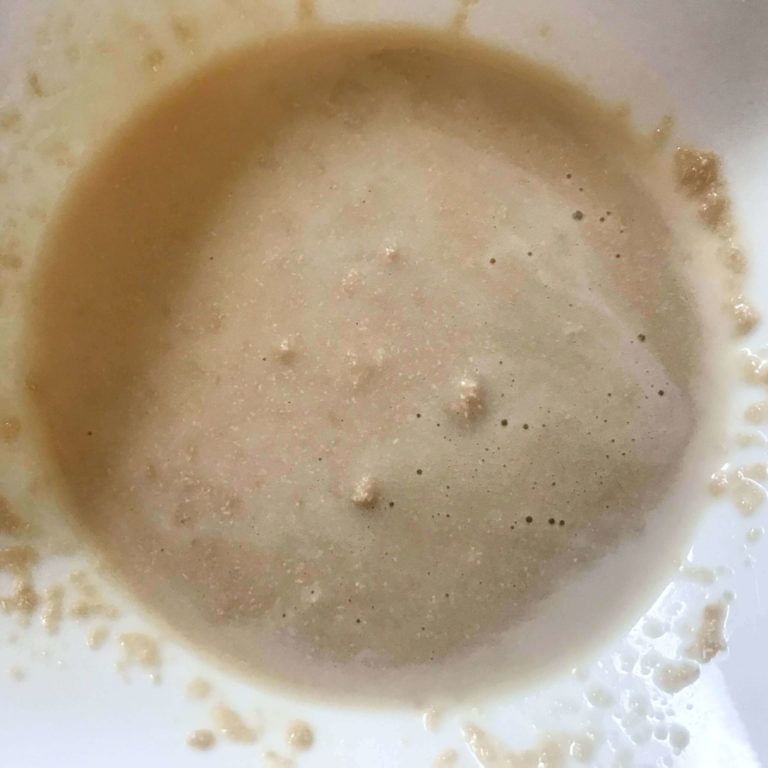
Dense barmbrack can result from several issues: inactive yeast (always proof your yeast first to ensure it’s bubbling), insufficient rising time (the dough should double in size during both rises), too much flour, or over-kneading. Make sure your milk is warm (not hot) when adding to yeast—temperatures above 110°F can kill the yeast. The dough should be smooth and elastic, not stiff.
Barmbrack is more nutritious than many sweet breads because it contains dried fruits that provide fiber, vitamins, and minerals. It’s made with natural ingredients without artificial preservatives. However, it does contain sugar and butter, so enjoy it in moderation as part of a balanced diet. The fruit content provides natural sweetness and nutritional benefits including potassium and antioxidants.
 Add Us As A Trusted Google Source