Lyons-Dooley Irish Soda Bread
Traditional Irish Lamb Stew
Updated: January 25, 2026
Published: March 7, 2022
My Curated Tastes is reader-supported. When you buy through links on our site, we may earn an affiliate commission at no extra cost to you. As an Amazon Associate I earn from qualifying purchases.
Nothing makes me happier than lamb. I love lamb chops, braised lamb shanks and leg of lamb so there was no doubt I’d love a traditional Irish lamb stew too. And nothing screams comfort food more than a stew. While this makes regular appearances at my St. Paddy’s Day events, I’ll make this several times a year for my friends and family. It is just so satisfying.
If you decide to make this as part of an Irish Food extravaganza, be sure to see my recipes for Traditional Irish Barmbrack Bread, Irish Coffee and my Irish Apple cake. Better yet, check out my St. Paddy’s Day Menu for additional recipe ideas.
Why This Recipe Works
This traditional Irish lamb stew delivers rich, deeply satisfying flavor through a few key techniques. Browning the lamb in batches creates a beautiful caramelized crust that adds complexity to every bite, while cooking bacon first infuses the entire dish with smoky depth. The combination of lamb stock (or the concentrated lamb demi-glace) with the fond scraped from the browning pan creates an incredibly flavorful base that beef stock simply can’t match. Layering the potatoes on top allows them to steam while absorbing the aromatic broth below, and finishing with quick-cook barley adds heartiness without requiring extended cooking time. The overnight rest allows all the flavors to meld and deepen, transforming a good stew into an exceptional one. The tender lamb, sweet carrots, and creamy potatoes create perfect harmony in each spoonful.
Ingredients for Irish Lamb Stew
Canola oil – A neutral cooking oil with a high smoke point, perfect for browning meat without burning
Thick cut bacon – Adds a smoky, savory foundation and rendered fat that flavors the vegetables
Boneless leg of lamb – The star of the stew, providing tender, flavorful meat when trimmed properly and cut into chunks
Onions – Sweet and aromatic, they break down during cooking to add depth and body to the broth
Carrots – Add natural sweetness and bright color while holding their shape during the long simmer
Bay leaves – Provide subtle herbal, slightly floral notes that enhance the overall flavor
Fresh thyme – Earthy and slightly minty, thyme is classic in lamb dishes and infuses the broth beautifully
Quick cook pearl barley – Adds wholesome texture and helps thicken the stew without lengthy cooking
Lamb stock – Creates an intensely flavored base that complements the lamb perfectly (can be made from demi-glace concentrate)
Red potatoes – Hold their shape well during cooking and add creamy texture and substance
Butter – A finishing touch that adds richness and glossy appeal to the potatoes
Green onions – Fresh, mild onion flavor for a bright garnish
Kosher salt and black pepper – Essential seasonings that enhance all the other flavors
Fresh thyme for garnish – Adds a final pop of fresh herb flavor and visual appeal
Lorem ipsum dolor sit amet, consectetur adipiscing elit. Ut elit tellus, luctus nec ullamcorper mattis, pulvinar dapibus leo.
Possible Substitute Ingredients
Lamb: Beef chuck or stew meat works well if lamb isn’t available, though the flavor will be different. Keep the same cooking time.
Bacon: Pancetta or salt pork can replace bacon for similar richness. Turkey bacon works in a pinch but won’t provide the same depth.
Lamb stock: Beef stock is the most practical substitute and still produces excellent results. Chicken stock will work but creates a lighter flavor profile.
Quick cook barley: Regular pearl barley can be used but should be added at the beginning with the stock so it has time to cook through (about 45-60 minutes). Farro or wheat berries also work beautifully.
Red potatoes: Yukon gold potatoes are an excellent alternative with similar texture. Russets can work but may break down more during cooking.
Fresh thyme: Dried thyme can substitute at a ratio of 1 teaspoon dried for every tablespoon fresh (about 3 sprigs), but add it with the vegetables rather than removing stems later.
Canola oil: Vegetable oil, grapeseed oil, or any neutral high-heat oil works equally well for browning.
Pro Tips for Making Irish Lamb Stew
There are several things that will make this dinner come out just great. Here are my tips.
1) If you use a boneless leg of lamb be sure to trim off the excess fat and the tough silver skin that you will find on the outside. Using a very sharp knife remove that before cooking. It is very tough when cooked. Also be sure to dry the meat with paper towels so that it browns when seared rather than steams.
2) It is very hard to find lamb stock in a grocery store and it can also be expensive to make. But, I’ve found this fabulous product that is a very concentrated glaze (gel) that can be turned into a stock. More Than Gourmet Glace D ‘agneau Gold Roasted Lamb Stock does the trick and is what I used in this dish.
NOTE: As a substitute, you can always use beef stock in a pinch and the results will be just fine. But I recommend using the lamb stock.
3) Yes, you can use regular pearl barley. But looking for a a few short cuts never hurt anyone. If you decide to use regular barley, add it when you add the stock so it cooks right along with the rest of the stew.
4) This is the perfect make ahead dish. It always tastes better the next day. Isn’t that the golden rule of stews? So do plan ahead. It is the perfect meal for a crowd and since this and a great loaf of Irish soda bread can be made the day before, you’ve got a stress free holiday meal ready to go.
How to Make Irish Lamb Stew
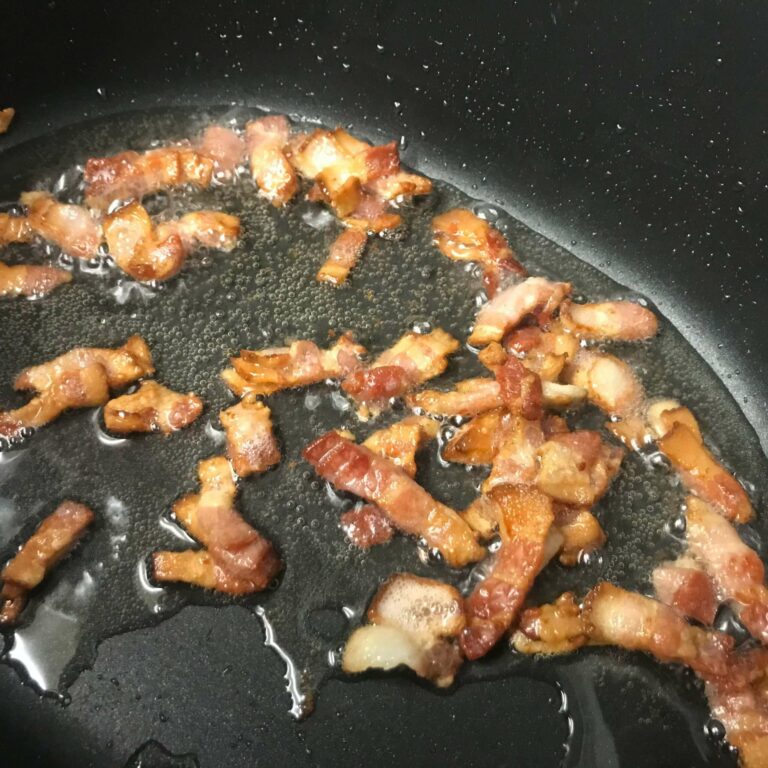
- To get started on this recipe, heat one tablespoon of oil in a large pot or dutch oven on the stove. Add the bacon and cook until the bacon is really crisp. Remove the crispy bacon with a slotted spoon and drain on a paper towel lined plate.
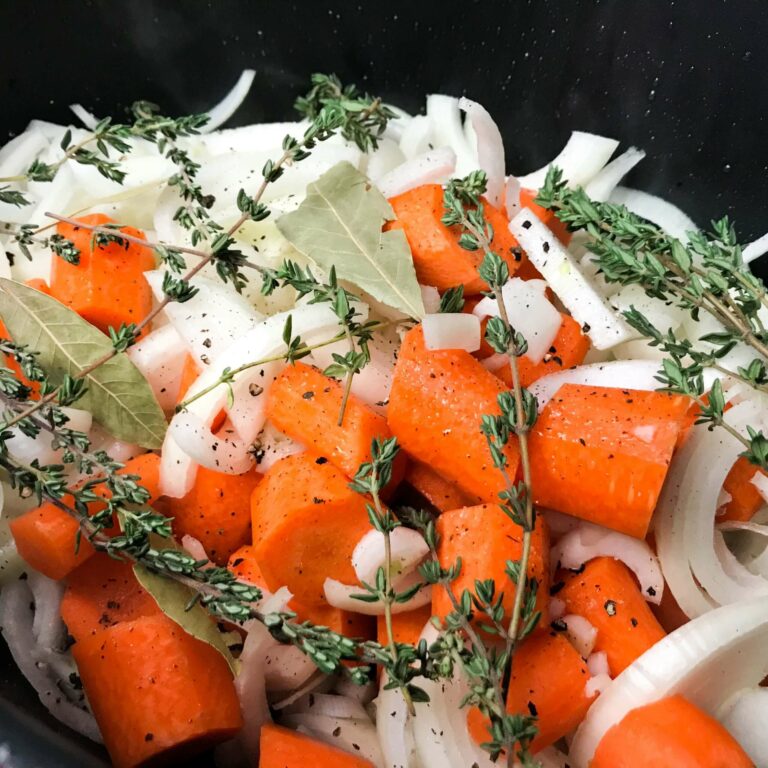
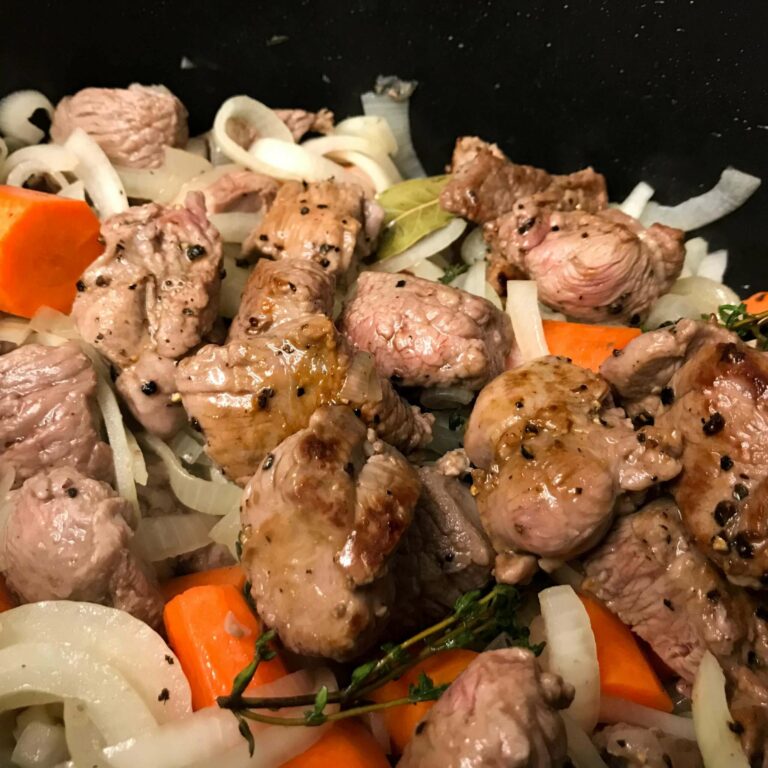
- Leave the bacon fat in the pot and add the carrots, onions, thyme and bay leaves. Sprinkle with kosher salt and fresh ground pepper and let cook 5-8 minutes, stirring occasionally.
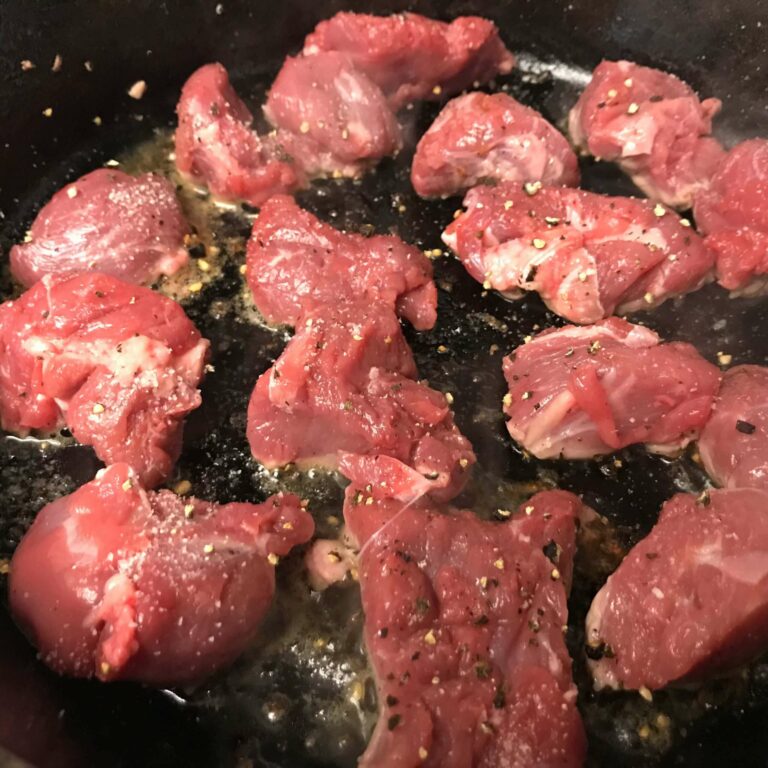
- Meanwhile, in a cast iron pan, add the remaining tablespoon of canola oil. When really hot, but not smoking, add the lamb in an even layer. Sprinkle with salt and pepper. The pieces of lamb shouldn’t touch so they are able to brown all over. Stir so all sides are browned. Note: you may have to do this in a couple of batches.
- Add to the pot with the veggies. Meanwhile, add the lamb demi glaze and four cups of water to a measuring cup and put in the microwave for 1 – 2 minutes. Stir to dissolve the glaze into the water making a stock. Put to the side.
Want to share this infographic?
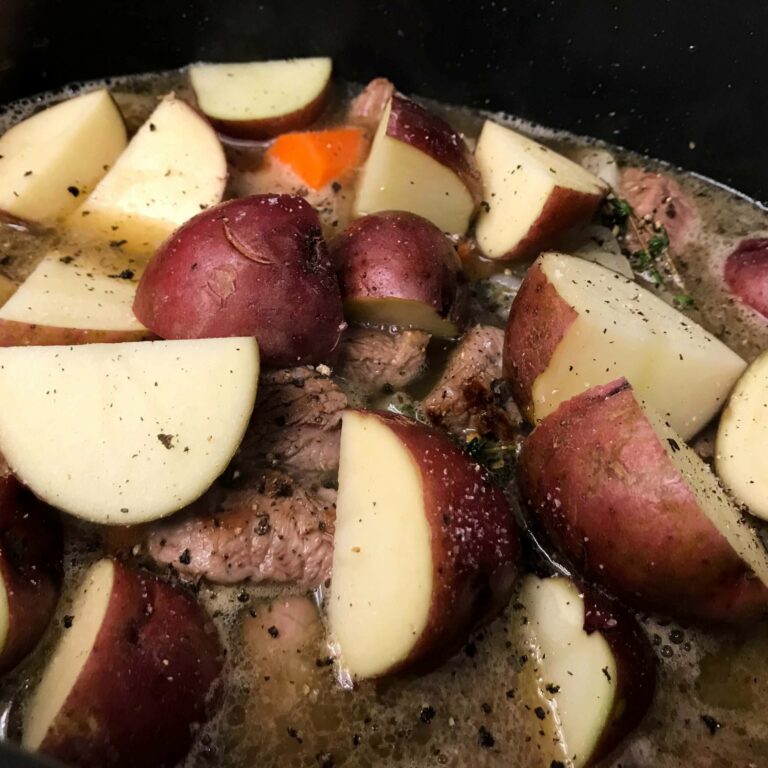
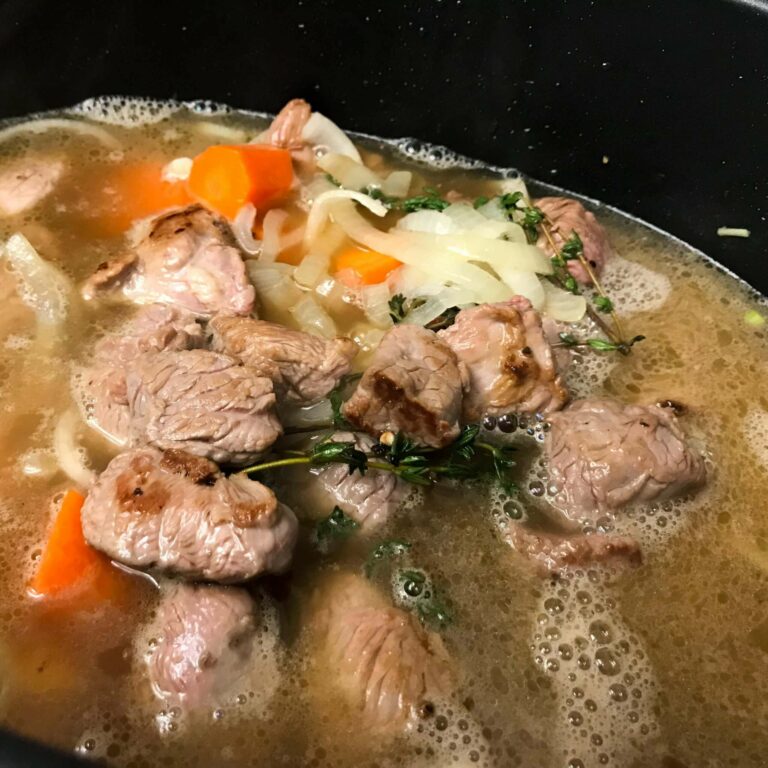
- When all the lamb has been browned and added to the stew pot, pour the stock into the cast iron pan and scrape up all the fond stuck to the bottom of the pan. This will flavor the stock even more. Add the stock to the stew pot and stir. Top with the cut potatoes, sprinkle with salt and pepper and cover the pot.
- Cook for about 1 hour and fifteen minutes until the potatoes are soft and the meat is tender. Be sure to taste for salt and pepper and season again if needed. Remove the thyme stems from the stew and discard.
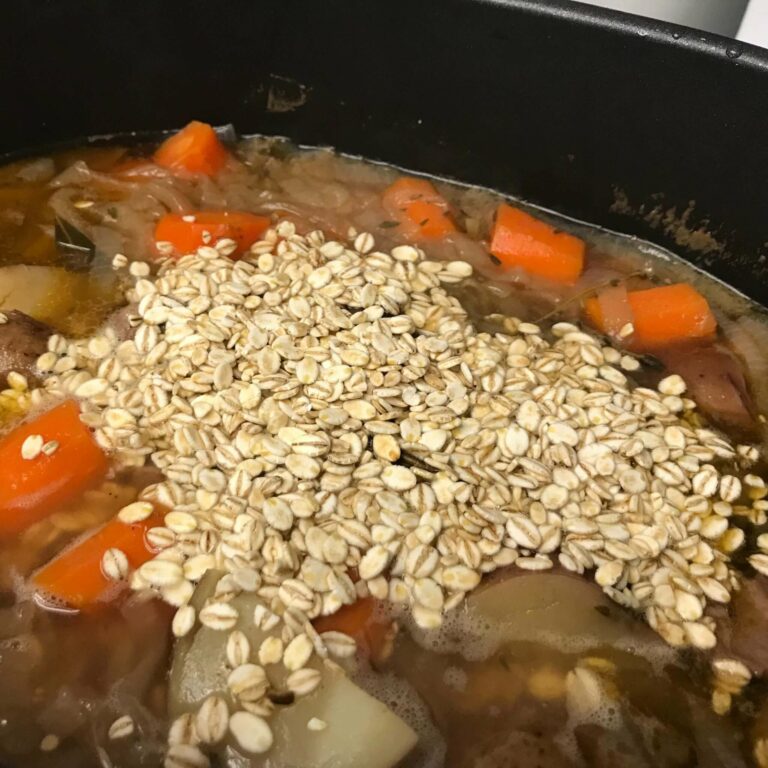
- Add the quick cook barley and stir into the stew. Cover the pot and cook for another 15 – 20 minutes.
- As with most stews, they are better the day after. At this point, you can let the stew cool completely and put in the refrigerator overnight and up to two days. When ready to serve, reheat in the oven or on the stove on low heat until completely heated through (about 35-45 minutes).
How to Reheat Lamb Stew
If you couldn’t wait to let the flavors develop, or have reheated it, put small pieces of the butter on the potatoes. This will keep the potatoes moist and flavorful.
How to Serve Irish Lamb Stew
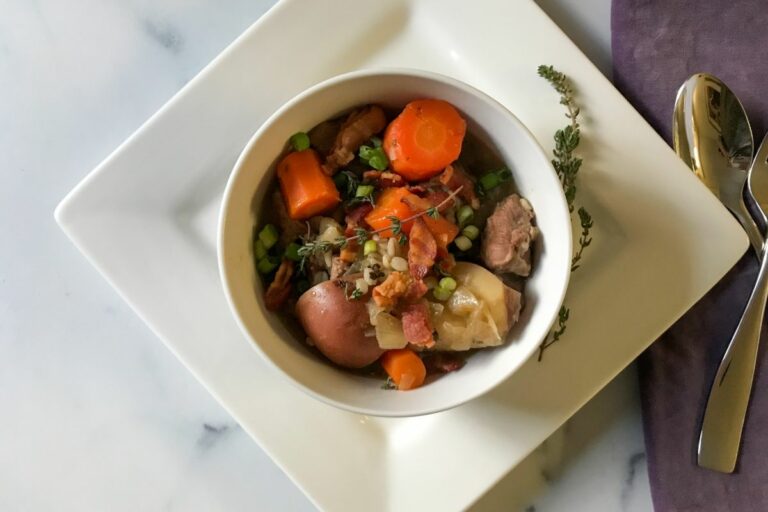
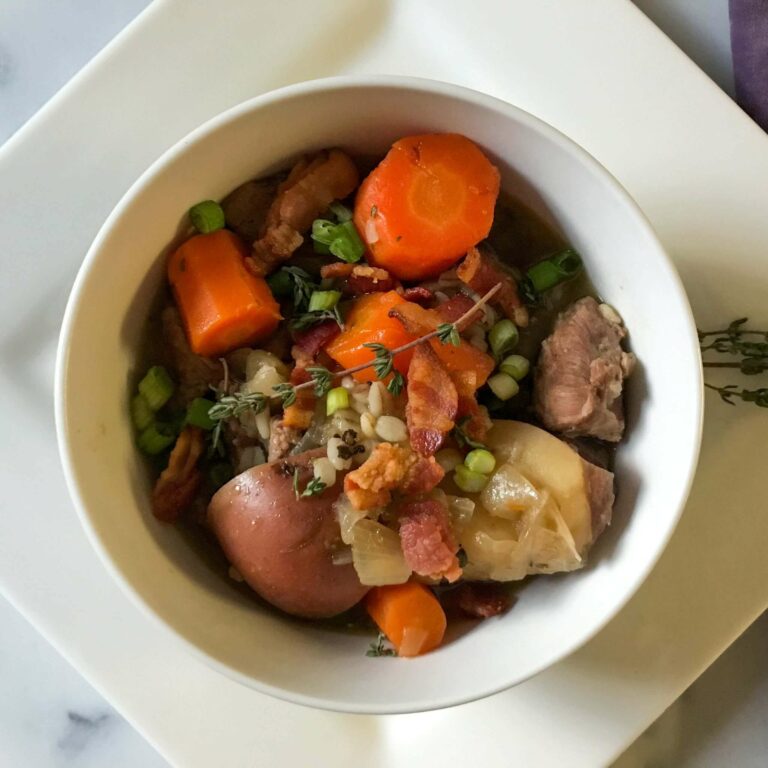
Serve this hearty stew in wide, shallow bowls to showcase all the beautiful vegetables and tender lamb.
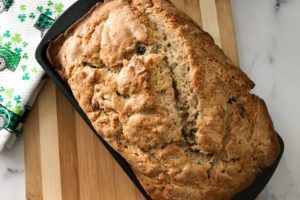
The traditional accompaniment is a thick slice of Irish soda bread for soaking up the rich broth – the bread’s slightly dense texture and subtle sweetness perfectly complement the savory stew. For a complete Irish meal, add a simple side salad with a light vinaigrette to cut through the richness. The stew is substantial enough to be a one-pot meal, but if you’re feeding a crowd, consider offering additional crusty bread or dinner rolls. Don’t forget to garnish each bowl with the crispy bacon, sliced green onions, and a small sprig of fresh thyme just before serving – these finishing touches add both visual appeal and bright flavors that elevate each bite. A pint of Irish stout or a glass of full-bodied red wine makes an excellent pairing for adults.
How to Store Leftovers
This stew stores exceptionally well and actually improves with time. Allow the stew to cool completely at room temperature, then transfer to airtight containers. It will keep in the refrigerator for 3-4 days. For longer storage, freeze the stew in portion-sized containers or freezer bags for up to 3 months – just be sure to leave some headspace as the liquid will expand when frozen. When reheating from the refrigerator, warm gently on the stovetop over low heat, stirring occasionally, until heated through (about 35-45 minutes). You can also reheat in a 325°F oven, covered, for about the same time. From frozen, thaw overnight in the refrigerator before reheating. The potatoes may become slightly softer after freezing and reheating, but the flavor remains excellent. If the stew seems too thick after storage, add a splash of water or stock while reheating. Avoid reheating multiple times – instead, only warm the portion you plan to eat.
FAQ: Traditional Irish Lamb Stew
Traditional Irish lamb stew is made with lamb, potatoes, onions, and carrots simmered low and slow in a flavorful broth. This recipe adds thick-cut bacon, fresh thyme, bay leaves, and pearl barley to build extra depth. The bacon creates a smoky base, the barley adds heartiness, and the lamb stock ties everything together into a rich, satisfying one-pot meal that has been part of Irish culinary tradition since at least the early 1800s.
Boneless leg of lamb or lamb shoulder are the two best cuts for Irish stew. Both have enough fat and connective tissue to become wonderfully tender during the long, slow braise — drying out is not a concern. This recipe uses boneless leg of lamb, which you trim of excess fat and silver skin before cutting into large chunks. Avoid lean cuts like lamb chops, rack of lamb, or loin, which can become tough and dry in a stew.
Authentic, traditional Irish stew is made with lamb (or historically, mutton). Beef became a common substitution over time and is widely used today, but purists — and this recipe — stick with lamb. The flavor of lamb is richer and more distinctive than beef, and it pairs beautifully with the thyme, barley, and potato combination that defines the dish. If lamb isn’t available, beef chuck is the best substitute.
Yes — and you absolutely should. Like most braises, this stew tastes significantly better the next day after the flavors have had time to meld and deepen overnight in the refrigerator. You can make it up to two days ahead, store it covered in the fridge, and then reheat it gently on the stovetop over low heat or in a 325°F oven, covered, for 35–45 minutes. This makes it ideal for St. Patrick’s Day entertaining — no day-of stress required.
This recipe naturally thickens as the barley absorbs liquid and the potatoes release starch during cooking. If you prefer an even thicker stew, you have a few options: mash a few of the cooked potatoes directly in the pot and stir them back in; whisk together 1 tablespoon of cornstarch with 2 tablespoons of cold water and stir it in during the last 10 minutes; or remove a potato at the start of cooking, mash it thoroughly, and stir it back in before adding the other vegetables. Avoid adding flour directly to the broth, as it can create lumps.
Pearl barley serves two important purposes in Irish lamb stew: it adds a wholesome, slightly chewy texture that makes the stew more filling, and it acts as a natural thickener as it absorbs the broth and releases starch during cooking. This recipe uses quick-cook pearl barley added near the end to keep it from getting mushy, but if you use regular pearl barley, add it at the beginning along with the stock so it has the full 45–60 minutes it needs to cook through.
Stored properly in an airtight container, Irish lamb stew will keep in the refrigerator for 3 to 4 days. The flavor actually improves over the first day or two. If you want to store it longer, the stew freezes well for up to 3 months — just leave some headspace in the container to allow for liquid expansion. Thaw overnight in the refrigerator before reheating. A note: the potatoes may soften slightly after freezing, but the flavor remains excellent.
Yes! To use a slow cooker, brown the lamb and sauté the bacon and vegetables on the stovetop first (don’t skip this step — it builds essential flavor), then transfer everything to your slow cooker. Cook on low for 8 hours or high for 4–5 hours until the lamb is fork-tender. Add the barley during the last 30–45 minutes. For an Instant Pot, use the sauté function for the browning steps, then pressure cook on high for about 35 minutes with a natural release. Either method produces delicious results.
Did you enjoy this recipe? I’d love to hear from you. Leave a comment and rating and let me know what you think.
Need or want other Irish recipes? Be sure to try some of my favorites.

Traditional Irish Lamb Stew
Nutritional information is only an estimate. The accuracy of the nutritional information for any recipe on this site is not guaranteed.

Ingredients
- 2 Tbsps. Canola oil
- 1/3 Lb. Thick cut bacon, cut into strips
- 2 Lbs. Boneless leg of lamb, trimmed of excess fat and silver skin, cut into large chunks and dried with paper towels so it browns evenly when seared
- 5 Medium Onions, peeled and sliced
- 6 Carrots, peeled and cut into chunks
- 3 Bay leaves
- 10 Fresh sprigs of Thyme
- 1/2 Cup Quick Cook Pearl barley
- 4 Cups Lamb stock OR 4 cups of water and one 1.5 Oz. Glace d’Agneau Gold Classic Roasted Lamb Stock
- 5-6 Red potatoes, scrubbed and cut into half or quarters depending on size
- 1 Tbsp. Butter
- 4 Green onions, finely sliced
- Kosher Salt and freshly ground black pepper to taste
- Fresh thyme to garnish
Instructions
- Heat one tablespoon of oil in a large pot or dutch oven on the stove. Add the bacon and cook until the bacon is really crisp. Remove the crispy bacon with a slotted spoon and drain on a paper towel lined plate.
- Leave the bacon fat in the pot and add the carrots, onions, thyme and bay leaves. Sprinkle with kosher salt and fresh ground pepper and let cook 5-8 minutes, stirring occasionally.
- Meanwhile, in a cast iron pan, add the remaining tablespoon of canola oil. When really hot, but not smoking, add the lamb in an even layer. Sprinkle with salt and pepper. The pieces of lamb shouldn’t touch so they are able to brown all over. Stir so all sides are browned. Add to the pot with the veggies. Note: you may have to do this in a couple of batches.
- Meanwhile, add the lamb demi glaze and four cups of water to a measuring cup and put in the microwave for 1 – 2 minutes. Stir to dissolve the glaze into the water making a stock. Put to the side.
- When all the lamb has been browned and added to the stew pot, pour the stock into the cast iron pan and scape up all the fond stuck to the bottom of the pan. This will flavor the stock even more. Add the stock to the stew pot and stir. Top with the cut potatoes, sprinkle with salt and pepper and cover the pot.
- Cook for about 1 hour and fifteen minutes until the potatoes are soft and the meat is tender. Be sure to taste for salt and pepper and season again if needed. Remove the thyme stems from the stew and discard.
- Add the quick cook barley and stir into the stew. Cover the pot and cook for another 15 – 20 minutes.
- As with most stews, they are better the day after. At this point, you can let the stew cool completely and put in the refrigerator overnight and up to two days. When ready to serve, reheat in the oven or on the stove on low heat until completely heated through (about 35-45 minutes).
- If you couldn’t wait, or have reheated it, put small pieces of the butter on the potatoes. Serve in bowls and garnish with the chopped green onion, the cooked bacon you saved from the first step and some fresh thyme. Enjoy! St. Paddy’s Day never tasted so good!
Diane Ringler
Recipe Developer
With over 10 years of restaurant experience, Diane has been cooking and developing recipes for over five years, focusing on real-food meals for two that are Weight Watchers-friendly and high in protein. A longtime WW member herself, she brings firsthand experience to every recipe — not just culinary technique, but the practical knowledge of someone who has navigated points, portions, and satisfaction for years. Her recipe for Lollipop Lamb Chops with Pistachio Pesto was selected as a KitchenAid contest winner and published in Taste of Home's "Innovate Your Plate" bookazine. She has developed recipes and created content for brands including Eggland's Best, Sprouts Market, ZenB Pasta, Flannery Beef, The Honey Jar and Marukan Vinegar. She has been cooking for two for 10 years and her recipes focus on well balanced meals that are healthy, protein-focused meals perfectly proportioned for two servings. Based in Southern California she loves fresh, seasonal produce and proteins that nourish the body and soul.

Meet Diane
Hi! I’m Diane. I started this site as a passion project. I love to cook, entertain, travel and laugh. (Who doesn’t love a good laugh?) Of course, being from New York, sarcasm rules!
More About Diane
mycuratedtastes@gmail.com

Add Us As A Trusted Google Source