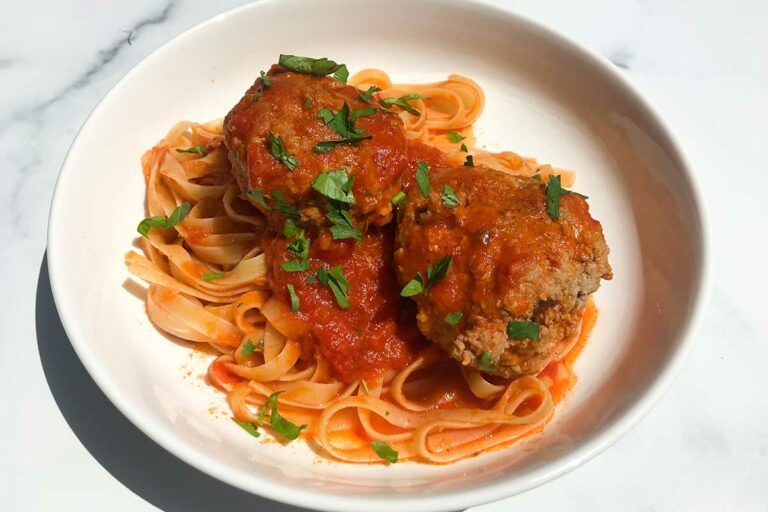
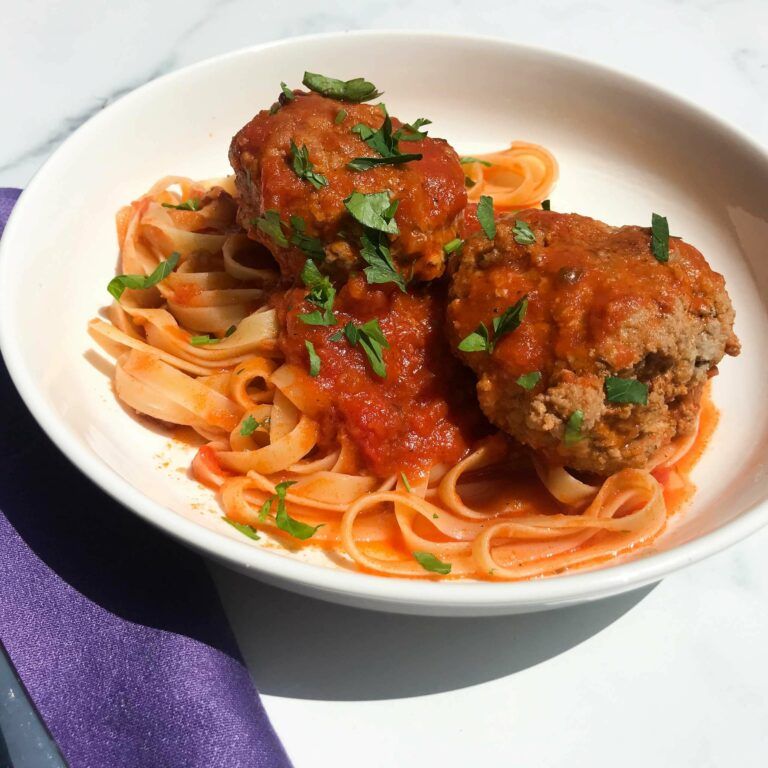
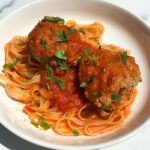
Three-Meat-Meatballs-and-Tagliatelle.

My Curated Tastes is reader-supported. When you buy through links on our site, we may earn an affiliate commission at no extra cost to you. As an Amazon Associate I earn from qualifying purchases.

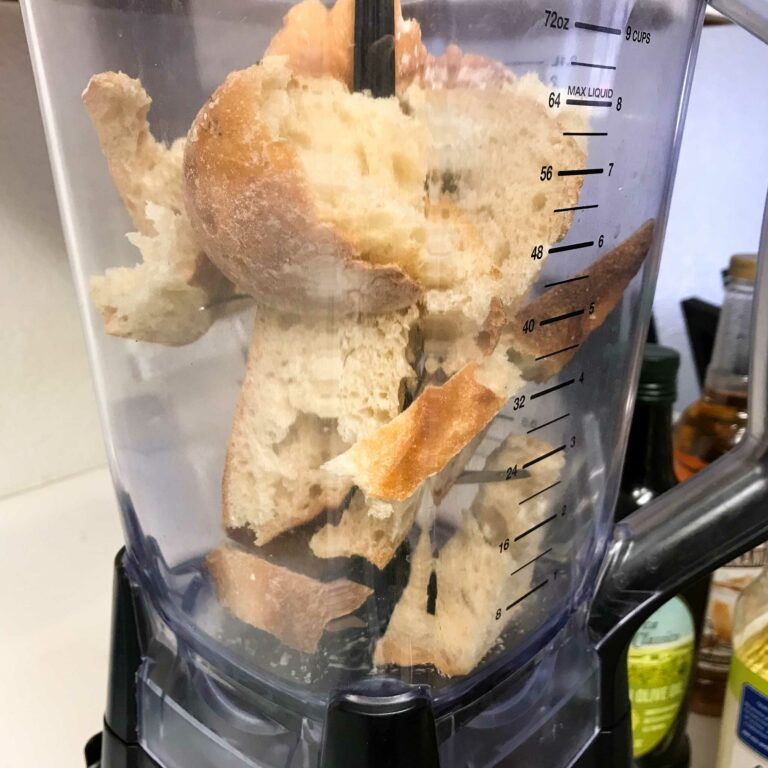
bread in blender.
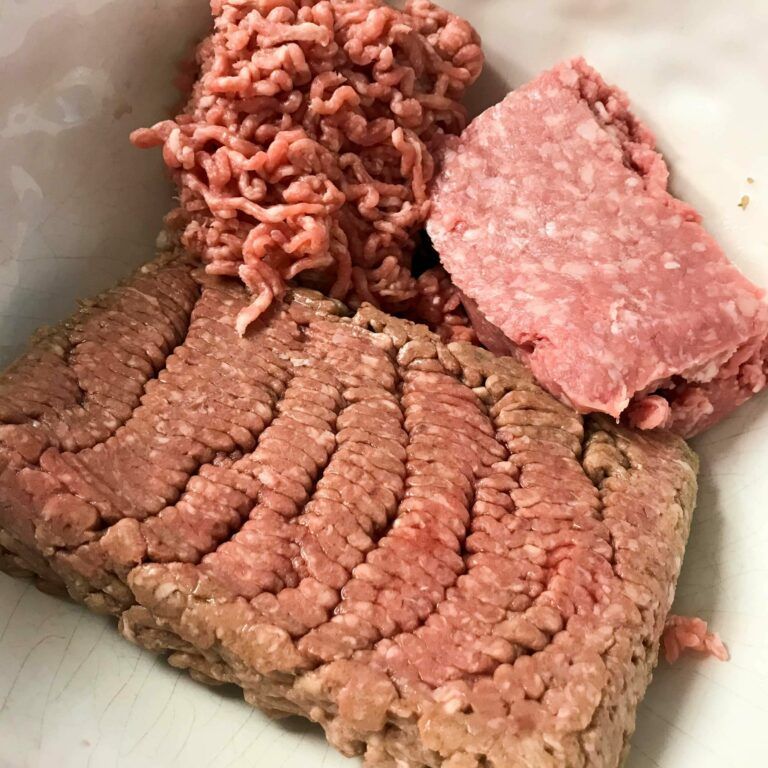
three meats in a bowl.
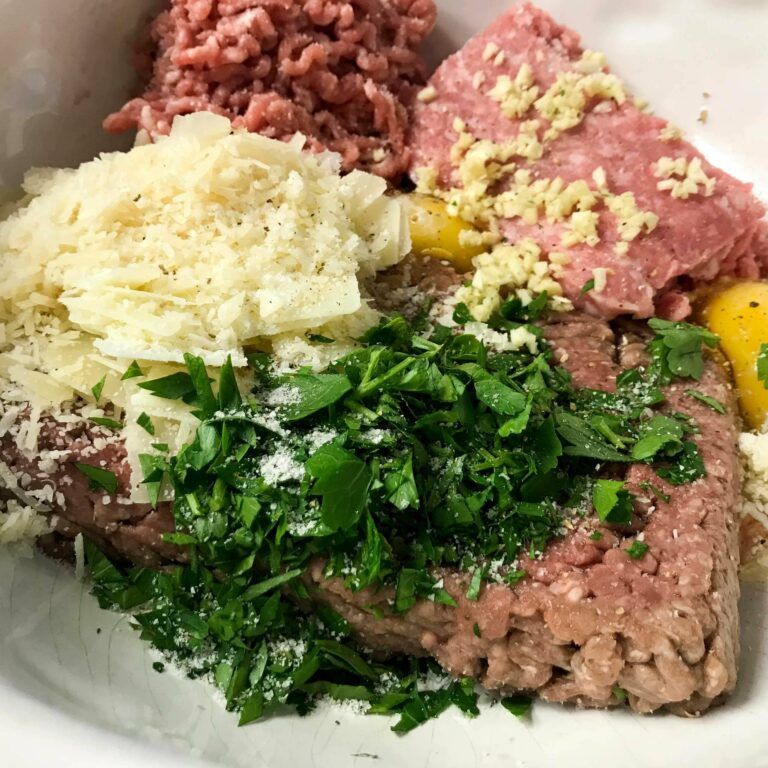
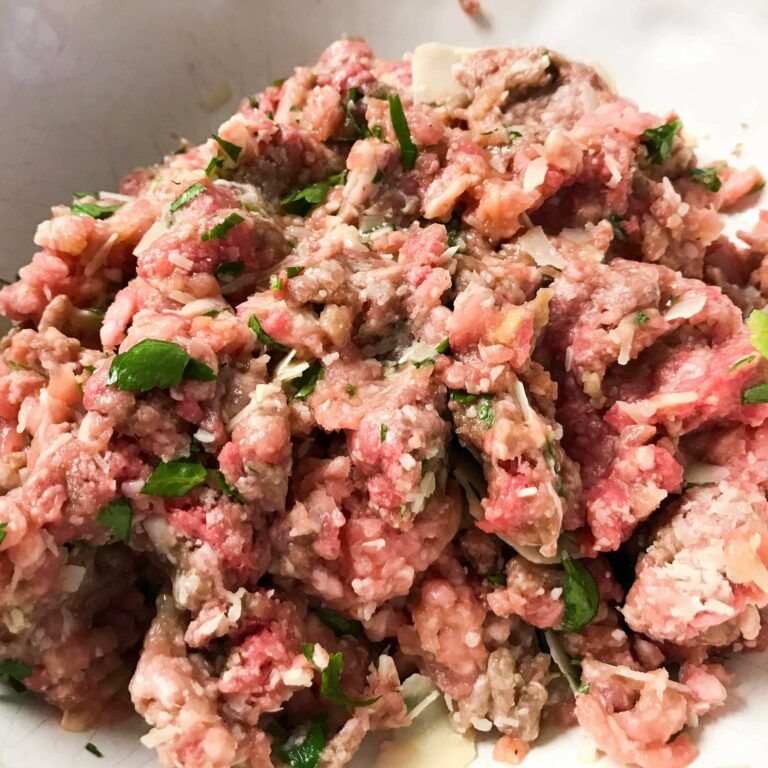
meat and seasonings in a bowl.
mixed meat.
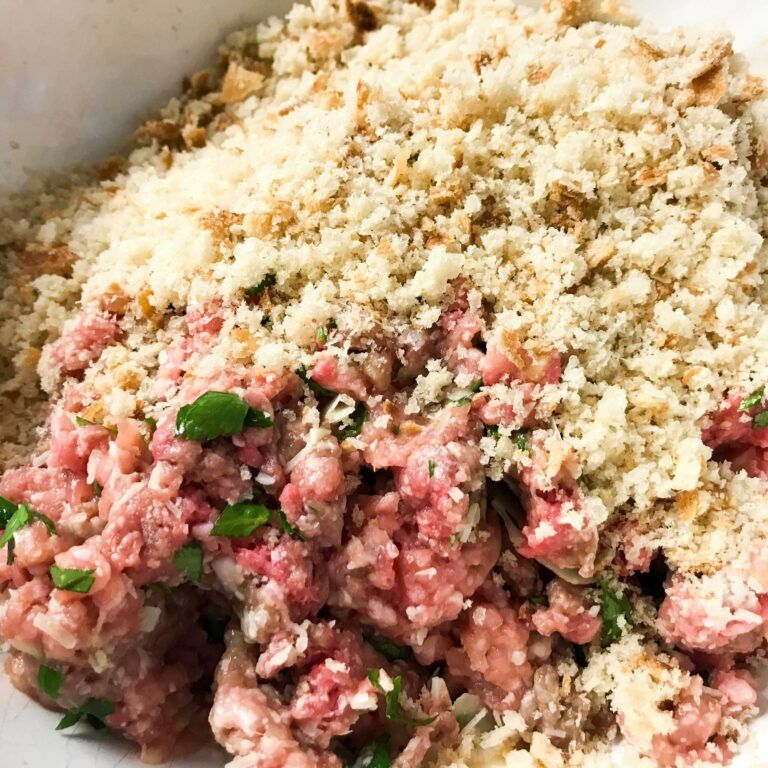
meat and breadcrumbs in a bowl.
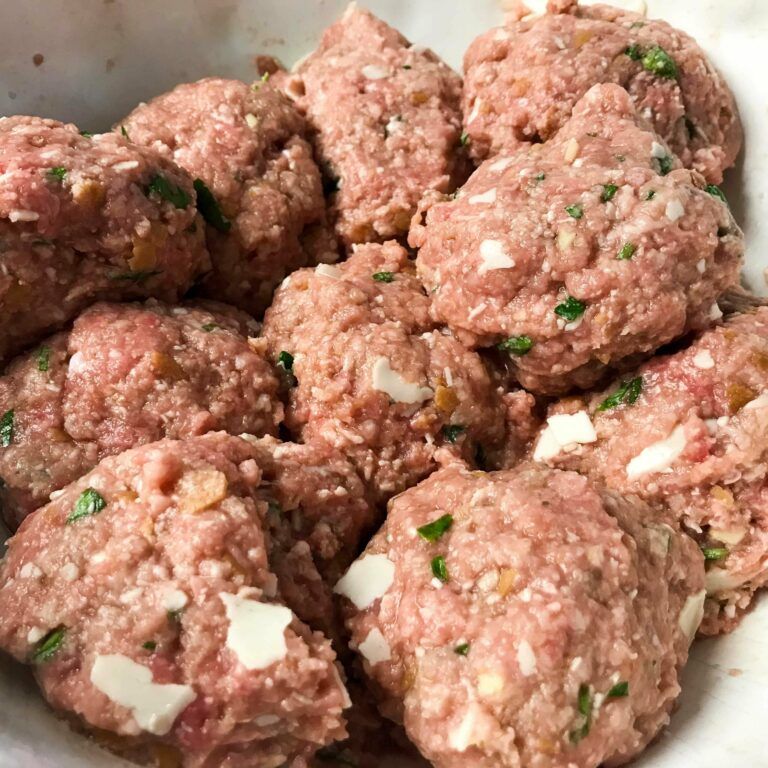
  • Next, roll the mix into 3-inch meatballs. You will get about 12 meatballs.
rolled raw meatballs.
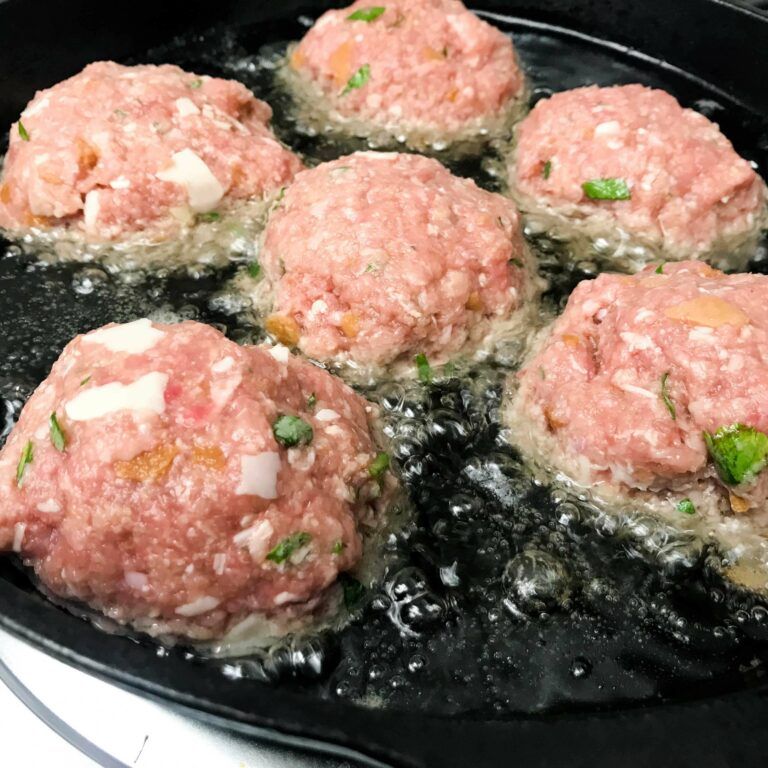
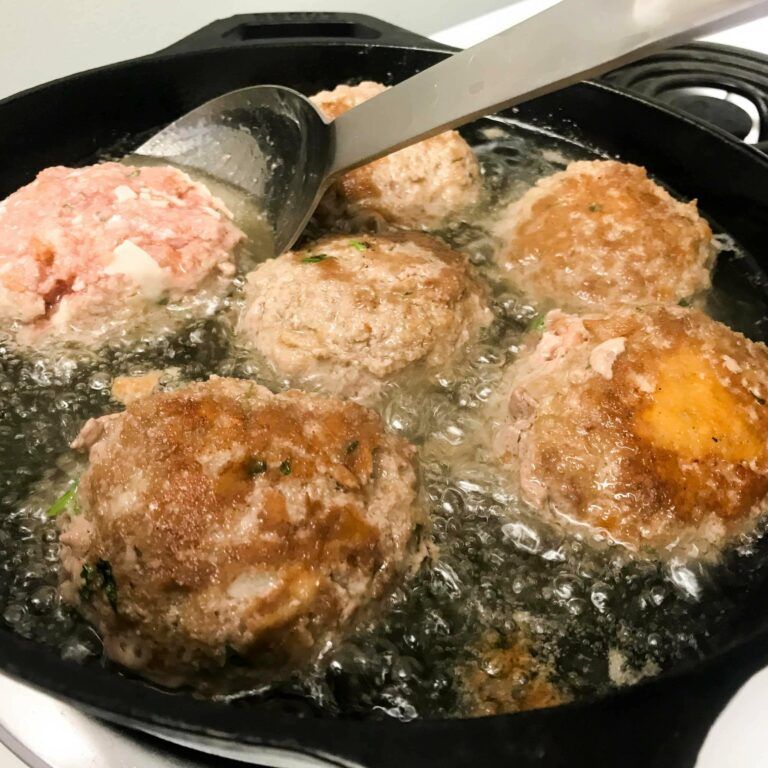
meatballs cooking in skillet.
  • Turn the meatballs two or three times so that they are brown on all sides. They will finish cooking in the sauce, so you are not completely cooking them when frying.
meatballs browning in skillet.
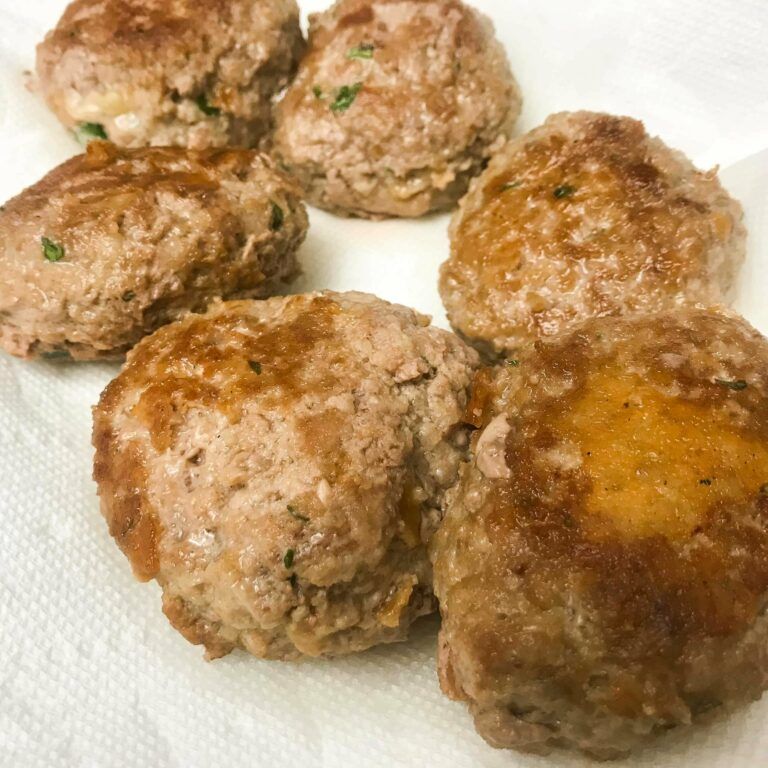
meatballs draining on paper towels.
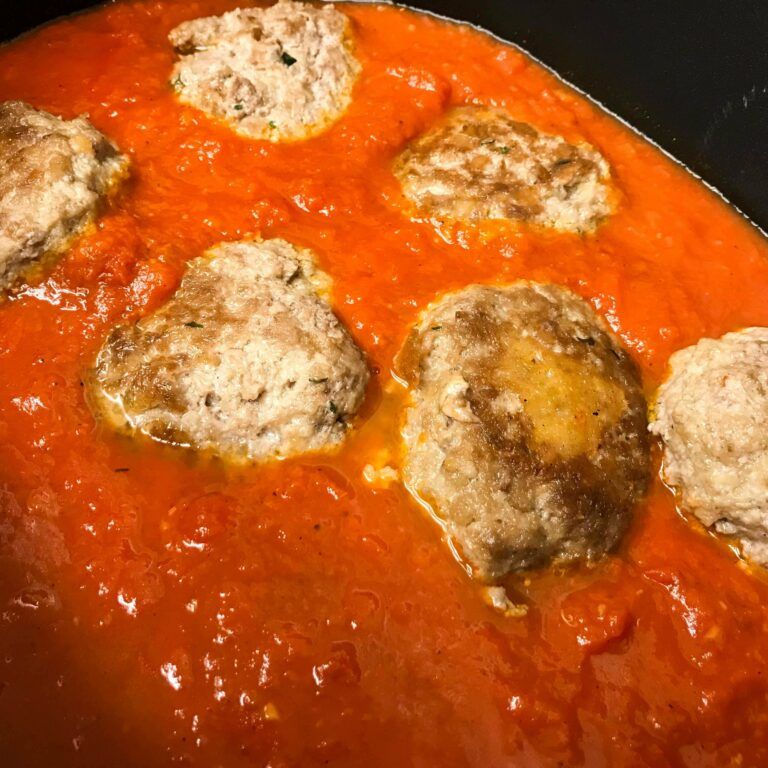
meatballs in sauce.

Frequently asked questions and answers about making three-meat meatballs

The classic combination is ground beef, pork, and veal (often called a “meatloaf mix”). Beef provides flavor and structure, pork adds fat and moisture, and veal contributes tenderness. A typical ratio is 1 pound beef, ½ pound pork, and ½ pound veal. Alternative combinations include beef, pork, and Italian sausage, or beef, pork, and ground turkey.
Aim for about 15-20% fat content overall. If your meats are too lean, the meatballs will be dry and tough. Ground chuck (80/20) for beef and regular ground pork work well. Avoid extra-lean meats unless you’re adding other sources of fat like olive oil or ricotta cheese.
Use a proper binding agent like breadcrumbs soaked in milk or eggs. The mixture should hold together when gently squeezed but not be overly packed. Avoid overmixing, which develops the proteins too much and creates tough meatballs. Chilling the mixture for 30 minutes before rolling also helps them hold their shape.
Browning isn’t necessary but adds flavor through the Maillard reaction. You can brown them in a skillet with oil, bake them at 400°F for 15-20 minutes, or drop them directly into simmering sauce. Raw meatballs cooked directly in sauce will be more tender but won’t have the caramelized exterior flavor.

The Maillard reaction is a chemical reaction between amino acids and reducing sugars that occurs when proteins and carbohydrates are heated together, typically at temperatures above 140°C (285°F). It’s named after French chemist Louis-Camille Maillard, who first described it in 1912.

This reaction is responsible for the browning and complex flavor development in many cooked foods. When you see the golden-brown crust on bread, the caramelized surface of a grilled steak, the rich color of roasted coffee beans, or the appetizing brown of cookies fresh from the oven, you’re witnessing the Maillard reaction at work.

The process creates hundreds of different flavor compounds, which is why Maillard browning produces such rich, complex tastes and aromas. These can range from nutty and toasty to meaty and savory, depending on the specific amino acids and sugars involved, as well as factors like temperature, time, pH, and moisture content.

The Maillard reaction is different from caramelization, which involves only the browning of sugars at higher temperatures. The Maillard reaction requires both proteins (amino acids) and sugars to occur, making it more complex and producing more diverse flavors.

Understanding this reaction helps explain why techniques like searing meat, toasting spices, or baking at the right temperature are so important in cooking – they’re all ways to harness the Maillard reaction to develop deeper, more appealing flavors.

The internal temperature should reach 160°F when measured with a meat thermometer. Visually, they should be firm to the touch and no longer pink in the center when cut open. If cooking in sauce, they typically need 20-25 minutes of simmering. Baked meatballs usually take 18-22 minutes at 400°F.

Overmixing is the main culprit. Mix the ingredients just until combined using your hands or a fork. Packing the meat mixture too tightly when forming balls also creates density. Handle the mixture gently and don’t compress when rolling. Using enough moisture from eggs, milk-soaked breadcrumbs, or grated onion also prevents density.
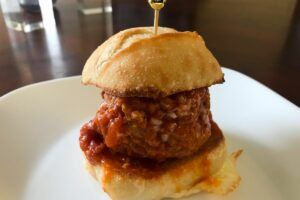
For main dishes, make them about 1½ to 2 inches in diameter (roughly the size of a golf ball). This ensures even cooking while maintaining juiciness. Smaller cocktail meatballs should be about 1 inch, while larger meatballs for sub sandwiches can be 2½ inches. Consistent sizing ensures even cooking.
You can prepare them several ways in advance. Form raw meatballs and refrigerate up to 24 hours or freeze up to 3 months. Alternatively, cook them completely and refrigerate for 3-4 days or freeze for up to 3 months. Cooked meatballs reheat well in sauce, oven, or microwave.
Combine the meats first in a large bowl, breaking up any clumps with your hands. Add other ingredients like breadcrumbs, eggs, and seasonings on top, then gently fold everything together using your hands or a large fork. Mix just until ingredients are evenly distributed—overmixing toughens the texture.
Include moisture-rich ingredients like milk-soaked breadcrumbs, grated onion, or ricotta cheese. Don’t overcook them, and consider finishing them in sauce rather than cooking them completely dry. If baking, you can brush them lightly with oil or broth halfway through cooking to maintain moisture.
Three-Meat-Meatballs-and-Tagliatelle.