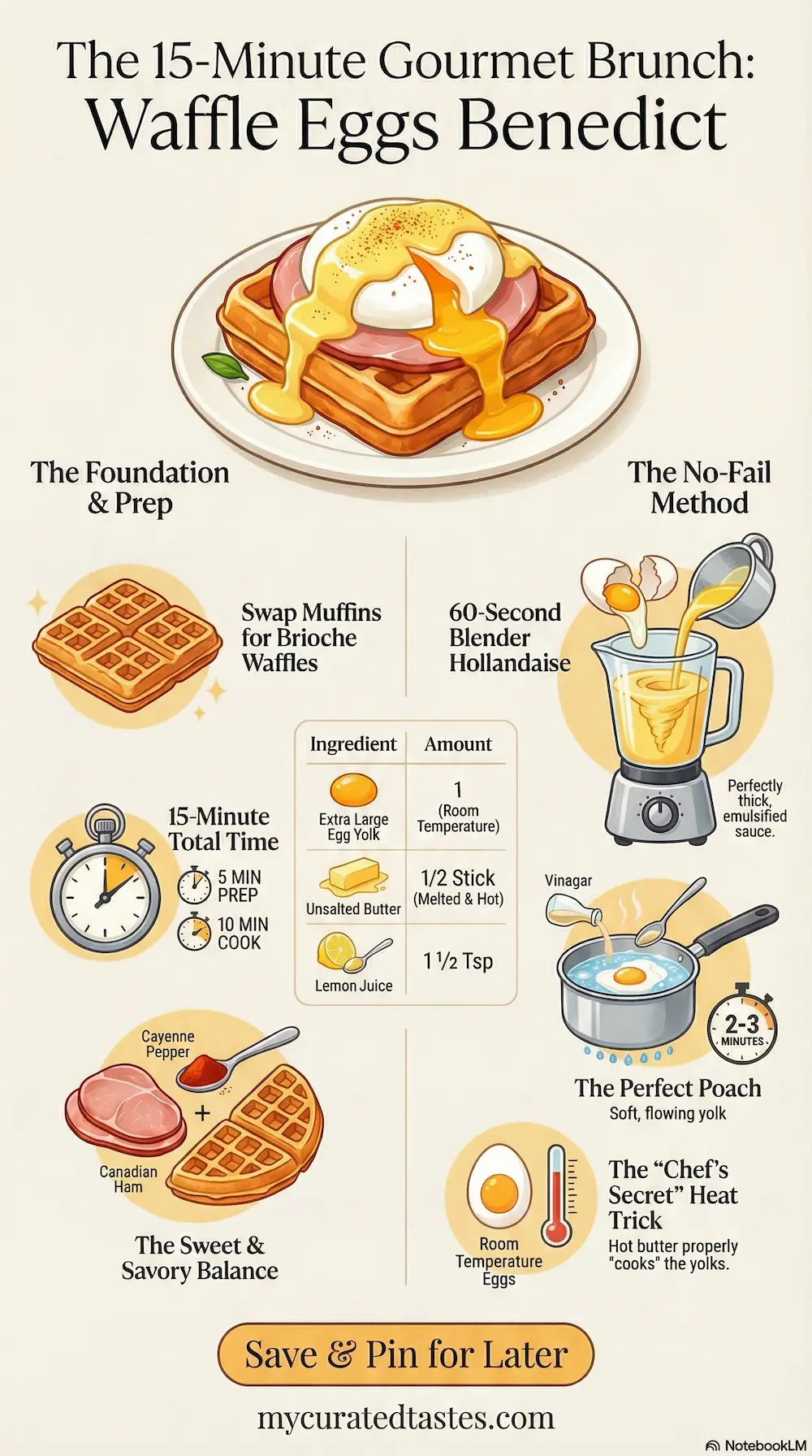
What makes this Eggs Benedict recipe different from traditional Eggs Benedict?
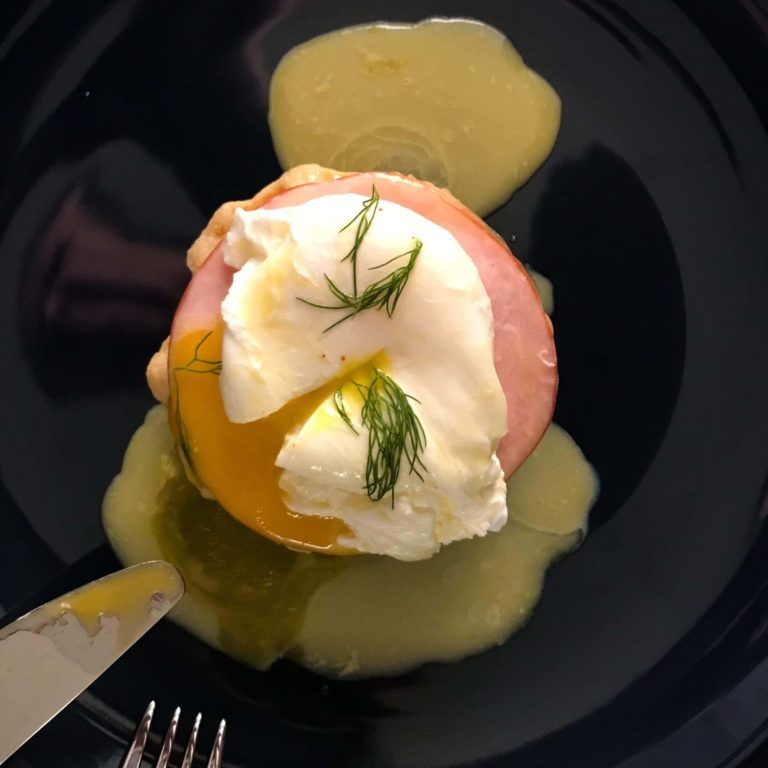
The biggest twist here is the base. Traditional Eggs Benedict is served on a toasted English muffin, but this recipe uses a St. Pierre brioche waffle — a Belgian-style waffle with a sweet, buttery dough and little pearl sugar pockets baked right in. That subtle sweetness plays beautifully against the salty Canadian ham and the savory, tangy hollandaise, creating a more dynamic flavor profile than the classic version. It’s a simple swap that makes a big impression.
What is blender hollandaise sauce and is it really as good as the traditional method?
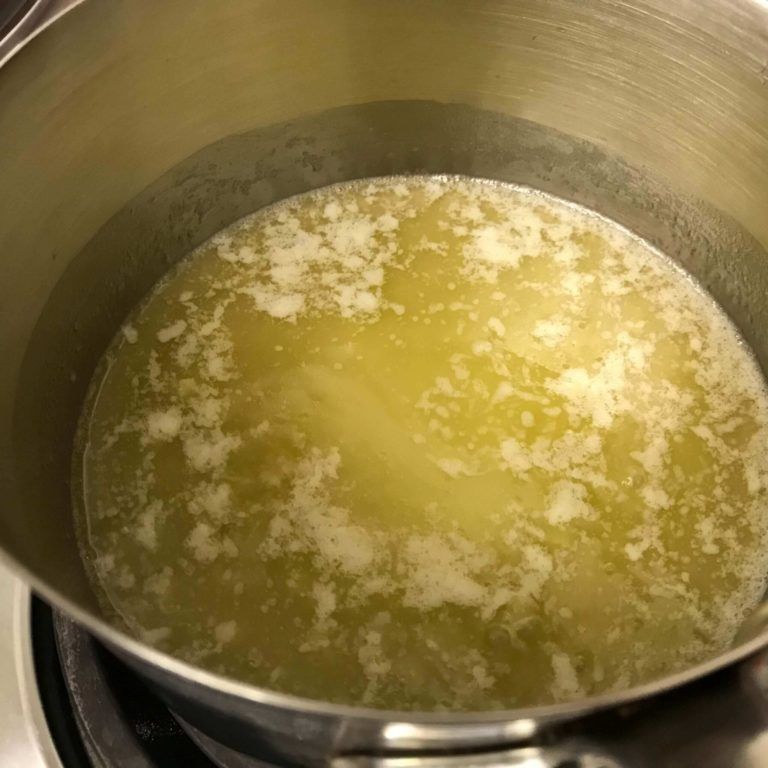
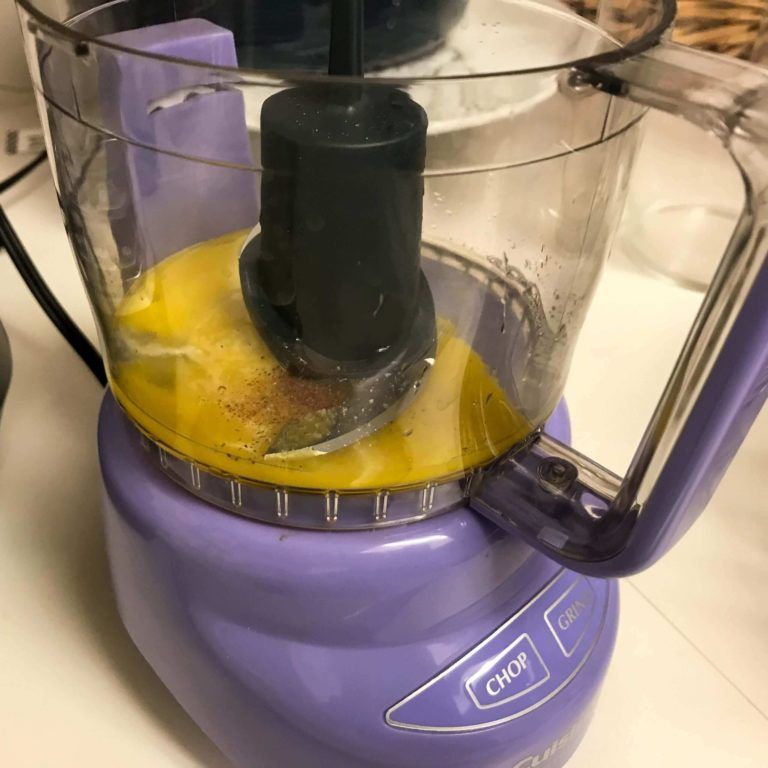
Blender hollandaise is a technique where you make the sauce entirely in a blender rather than whisking it over a hot water bath on the stove. You blend the egg yolks with lemon juice and cayenne, then slowly pour in piping hot melted butter, which gently “cooks” the yolks through the heat and friction of the blender. The result is every bit as rich, creamy, and glossy as the traditional version — and it takes about 90 seconds instead of 15 minutes of constant whisking. It’s one of the best-kept secrets in professional kitchens.
Why do I need to use room temperature egg yolks for hollandaise?
Cold egg yolks won’t emulsify as easily with the hot butter and are at greater risk of not cooking through properly in the blender method. Room temperature yolks blend more smoothly, emulsify faster, and respond better to the heat from the butter, giving you a luscious, stable sauce rather than a broken or grainy one. Pull your eggs out of the fridge 20–30 minutes before you start cooking.
How do I keep the hollandaise sauce warm while I finish cooking everything else?
Once your sauce is made, transfer it to a small heat-safe bowl and set it over a pot of barely simmering water (like a makeshift double boiler). The gentle heat will keep the sauce warm and smooth without cooking it further. Stir it occasionally and serve immediately once the eggs are plated.
My hollandaise sauce turned out too thick — how do I fix it?
Add a splash of very hot tap water to the blender and pulse briefly. The hot water loosens the sauce without breaking the emulsification. Add just a little at a time — you want the sauce to ribbon off a spoon, not run like water.
Can the hollandaise sauce break, and how do I prevent it?
Yes, hollandaise can break (meaning the butter separates from the egg yolks) if the temperatures are off. To prevent this: make sure your butter is fully melted and very hot, your egg yolks are at room temperature, and you add the butter slowly in a thin, steady stream while the blender is running. If it does break, try blending in an extra egg yolk — it can often rescue a broken sauce.
What type of waffle works best for this recipe?
St. Pierre Brioche Waffles are the top choice here because their sweetness and pearl sugar add a unique flavor dimension. However, you can use any Belgian waffle or Liège waffle you find at your grocery store. Liège waffles in particular (which are denser and richer than standard Belgian waffles) are an excellent substitute. Avoid thin or crispy waffle styles — you want something sturdy enough to hold the egg, ham, and sauce without going soggy.
Can I use a different protein instead of Canadian ham?
Absolutely. Canadian ham (also called back bacon) is the classic choice, but this recipe is very flexible. Smoked salmon is a gorgeous swap for a more elegant “Eggs Benedict Royale” style. Crispy prosciutto, regular bacon, or even sautéed spinach (for a vegetarian “Eggs Florentine” variation) all work beautifully on top of the brioche waffle.
Can I add crab to this recipe?
Yes — and you absolutely should if you want to elevate this dish for a special occasion. Simply add a generous spoonful of lump crab meat on top of the poached egg before spooning over the hollandaise. The sweetness of the crab pairs wonderfully with the richness of the sauce and makes this feel like a five-star restaurant dish.
What’s the trick to a perfectly poached egg?
Three things: a gentle simmer (not a rolling boil), a tablespoon of white vinegar in the water, and cracking your egg into a small bowl before adding it to the water. The vinegar helps the egg whites set quickly and stay together. Once the egg is in the water, use a large slotted spoon to gently coax the whites toward the center. Cook for 2–3 minutes for a runny yolk — you want that yolk to flow when you cut into it. After removing the egg, rest it briefly on a paper towel-lined plate to absorb excess water before plating.
Can I make any part of this recipe ahead of time for a brunch party?
The hollandaise is best made fresh and served immediately or held warm for up to 30 minutes over a double boiler. The waffles can be lightly toasted in advance and kept warm in a low oven (200°F). The Canadian ham can be broiled ahead of time and also kept warm. The poached eggs are the trickiest to do ahead, but it is possible: poach them slightly underdone, transfer them to a bowl of cold water, and refrigerate for up to a day. Reheat briefly in hot (not boiling) water for 30–60 seconds before serving.
Is this recipe gluten-free or dairy-free friendly?
As written, this recipe is not gluten-free because of the waffles, and it is not dairy-free because of the butter in the hollandaise. However, you can swap in a certified gluten-free waffle for a GF version. For a dairy-free hollandaise, some home cooks substitute clarified vegan butter with reasonable results, though the flavor and texture will differ from the classic.
What cocktail pairs best with Eggs Benedict with Waffles?
You can’t go wrong with a Bloody Mary or a Mimosa — both are brunch classics for a reason. The acidity and spice in a Bloody Mary echo the lemon and cayenne in the hollandaise beautifully. A Mixed Citrus Mimosa adds brightness and sweetness that complements the richness of the dish. If you want something non-alcoholic, sparkling water with a squeeze of lemon or a fresh-squeezed orange juice are both perfect alongside this meal.
 Add Us As A Trusted Google Source