Add Us As A Trusted Google Source
 Irish Soda Bread
»
We use cookies to give you the best online experience. By agreeing you accept the use of cookies in accordance with our cookie policy.

Updated: December 30, 2025
Published: March 16, 2021
My Curated Tastes is reader-supported. When you buy through links on our site, we may earn an affiliate commission at no extra cost to you. As an Amazon Associate I earn from qualifying purchases.
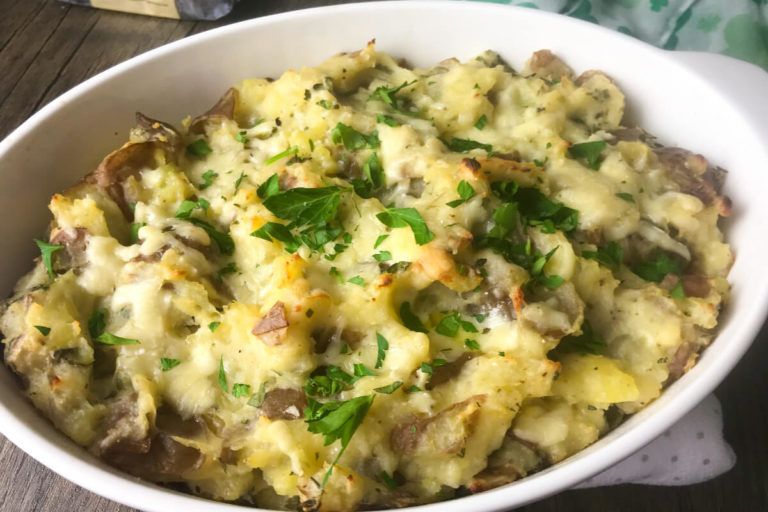
My Irish cheddar potato bake makes use of delicious, high quality ingredients. You don’t have to use the Kerry Gold products but to keep it authentic and to really “up the Irish”, I do. The products are high quality and taste great. I will traditionally make this dish ahead of time and let it sit on the counter while my crusted corned beef is cooking and then pop it in the oven 20 minutes before dinner. If I make this the night before, I keep it refrigerated overnight and then let it sit at room temperature about an hour before putting it in the oven.
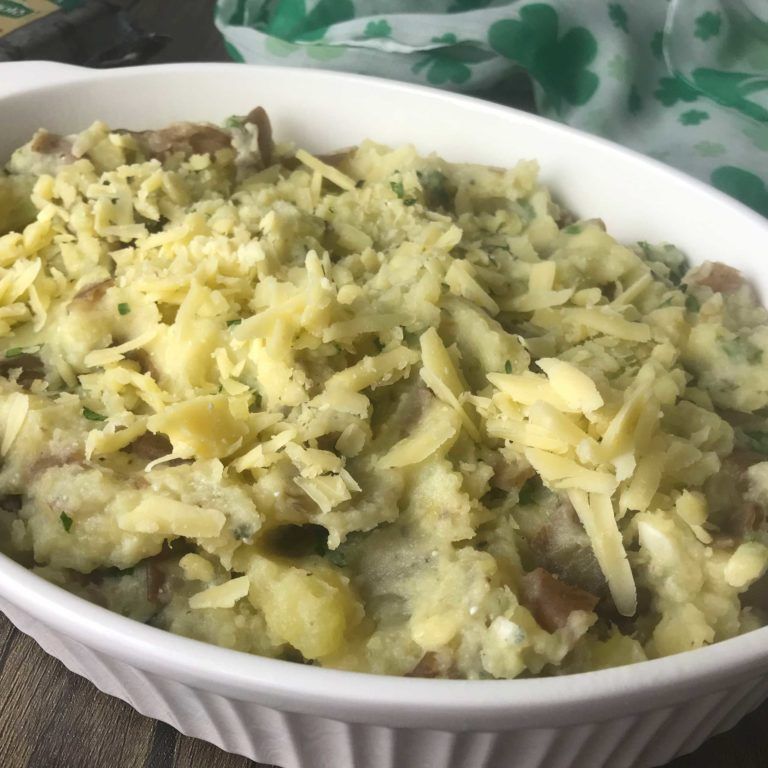
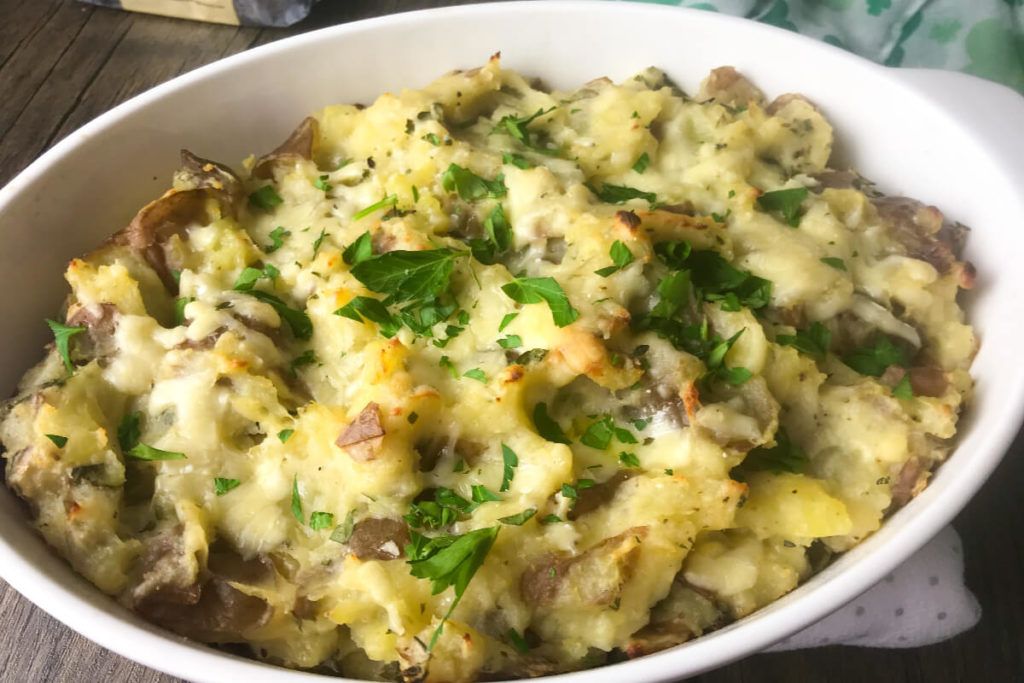
Serving this dish properly ensures every guest gets the best texture and flavor experience. The key is timing and presentation.
After removing the dish from the oven, let it rest for 10 minutes before serving. This resting period is crucial – it allows the melted cheese to set slightly, making the dish easier to cut and serve without falling apart. The potatoes will also absorb any excess liquid, creating the perfect creamy consistency. If you cut into it too soon, it may appear watery and won’t hold its shape on the plate.
This dish is most flavorful when served warm but not piping hot. The ideal serving temperature allows the full flavor of the Irish cheddar to come through without burning anyone’s mouth. If the dish has cooled to room temperature, it’s still delicious – the flavors actually meld beautifully as it cools slightly.
As a side dish, plan for approximately 1 cup (or a 3×3-inch square) per person. This recipe yields 6 generous servings. Use a large serving spoon or spatula to scoop portions, being sure to get some of the golden, crispy cheese top with each serving. For heartier appetites or when serving fewer main courses, increase portions accordingly.
Place a generous scoop of the potato bake alongside your main protein. The creamy texture pairs well with saucy meats – it can actually help soak up and complement gravies and pan sauces. Top each serving with a small sprinkle of fresh parsley for color and freshness. The dish looks particularly attractive when the potato chunks are visible, showing off the rustic, homemade quality.
With Proteins: Corned beef, lamb chops, pork tenderloin, roasted chicken, glazed ham, or grilled steaks
With Vegetables: Roasted Brussels sprouts, cabbage and carrots, sautéed green beans, braised cabbage, or a simple green salad
With Bread: Irish soda bread, crusty baguette, or dinner rolls
With Sauces: Beef gravy, lamb jus, or horseradish cream sauce
Family Dinner: Serve directly from the baking dish at the table for a casual, homestyle presentation
Dinner Party: Plate individually in the kitchen, ensuring each portion has an attractive arrangement with garnish
Buffet: Keep warm in a chafing dish or on a warming tray, with a serving spoon nearby
Potluck: Transport in the baking dish covered with foil, and reheat at your destination if needed
This Irish Cheddar Potato Bake is a stunning addition to any holiday table, bringing both comfort and elegance to your celebration. The golden-brown cheddar top and rustic texture make it as beautiful as it is delicious.
This dish is the perfect centerpiece side for your St. Patrick’s Day feast. Serve it alongside crusted corned beef, braised cabbage and carrots, and Irish soda bread for an authentic Irish celebration. The Kerrygold cheddar and butter add genuine Irish flavor that honors the holiday’s heritage. Garnish with extra fresh parsley for a pop of festive green, and consider serving in a white or cream-colored baking dish to make the colors stand out.
Irish Cheddar Potato Bake pairs beautifully with Easter ham or roasted leg of lamb. The creamy, cheesy potatoes complement the saltiness of ham perfectly, while the garlic and thyme enhance lamb’s natural flavors. Serve family-style in an elegant ceramic baking dish placed directly on the table, allowing guests to help themselves. The rustic, chunky texture fits perfectly with the spring season’s farm-to-table aesthetic.
While not traditional American holiday fare, this potato bake offers a welcomed alternative to standard mashed potatoes or sweet potato casseroles. It’s especially perfect for Christmas dinner when paired with prime rib, beef tenderloin, or roasted turkey. The make-ahead nature means you can prepare it the night before, freeing up oven space and reducing day-of stress. The golden cheese crust adds visual appeal to your holiday spread.
For more relaxed holiday parties, potlucks, or buffet-style meals, this dish shines as a crowd-pleaser. It holds its shape well when served, travels beautifully, and can be enjoyed warm or at room temperature. Cut into squares and serve with a spatula for easy portion control. The hearty, comforting nature makes it perfect for cold-weather gatherings from Halloween through winter holidays.
One of the greatest advantages of this dish is its make-ahead friendly nature, making it perfect for busy entertaining schedules and holiday meal planning.
You can prepare the entire dish 2-3 hours before baking. Simply follow all the instructions through assembling the potatoes in the baking dish and topping with cheese. Cover loosely with plastic wrap or foil and let it sit at room temperature. When you’re ready to serve, remove the covering and bake as directed. This method is ideal when you’re coordinating multiple dishes and need to manage oven timing.
For optimal make-ahead convenience, prepare the dish completely the night before. Assemble everything in the baking dish, cover tightly with plastic wrap, and refrigerate overnight. The next day, remove from the refrigerator and let it sit at room temperature for about 1 hour before baking. This takes the chill off and ensures even cooking. You may need to add 5-10 extra minutes to the baking time since the dish will be colder. Check that the center is heated through and the cheese is fully melted and golden.
While this dish is best made within 24 hours of serving, you can prepare it up to 2 days in advance if needed. Keep it tightly covered in the refrigerator. The longer it sits, the more liquid the potatoes may absorb, so you might notice a slightly drier texture – this is normal and still delicious.
Cool leftover potato bake to room temperature within 2 hours of cooking. Transfer to an airtight container or cover the baking dish tightly with plastic wrap or foil. Properly stored, leftovers will keep in the refrigerator for 3-4 days. The texture remains good, though the cheese topping won’t be as crispy after reheating.
Microwave Method: Place a single portion on a microwave-safe plate and heat for 1-2 minutes, until warmed through. This is the quickest method but won’t restore the crispy cheese top.
Oven Method: Preheat oven to 350°F. Place the portion (or entire dish) in an oven-safe container, cover with foil to prevent over-browning, and heat for 15-20 minutes for individual portions or 25-30 minutes for the whole dish. Remove foil for the last 5 minutes to re-crisp the cheese top.
Air Fryer Method: For individual portions, reheat at 350°F for 5-7 minutes. This method helps restore some of the crispy texture on top.
While you can freeze this dish, be aware that the texture may change. The dairy and potatoes can become slightly grainy after freezing and thawing. If you choose to freeze:
To Freeze: Let the baked dish cool completely. Wrap tightly in plastic wrap, then cover with aluminum foil, or use a freezer-safe airtight container. Label with the date. Freeze for up to 2 months.
To Thaw: Transfer to the refrigerator and thaw overnight (this takes 12-24 hours depending on portion size).
To Reheat from Frozen: Not recommended, as the texture will be uneven. Always thaw first.
Absolutely! You can use sour cream instead of Greek yogurt in equal amounts. Both add tanginess and creaminess. If you prefer a richer dish, use full-fat sour cream. Light sour cream also works well.
While Kerrygold Irish butter and cheddar give this dish authentic Irish flavor, you can use any high-quality butter and a sharp white or yellow cheddar cheese. The key is choosing a flavorful, aged cheddar rather than a mild one.
Yes! Use dairy-free butter, unsweetened almond or oat milk, dairy-free Greek yogurt (or cashew cream), and dairy-free cheddar shreds. Brands like Violife, Daiya, or Miyoko’s work well. The texture will be slightly different but still delicious.
Red potatoes are ideal because they hold their shape well and have a creamy texture when mashed. Yukon Gold potatoes are also excellent. Avoid russet potatoes for this recipe as they can become too fluffy and lose the chunky texture that makes this dish special.
Yes! While thyme and parsley are traditional, you can experiment with rosemary, chives, dill, or even a pinch of sage. Fresh herbs provide the best flavor, but dried herbs work too—use about 1/3 the amount of dried as fresh.
Boiling the potatoes with smashed garlic cloves infuses them with subtle garlic flavor throughout. By the time the potatoes are cooked, the garlic becomes soft and easily incorporates into the mash, distributing flavor evenly rather than having pockets of strong garlic taste.
This is a rustic dish, so leave plenty of texture! After mashing, you should still see distinct potato chunks. Don’t over-mash or the dish will become gummy. A few quick passes with the potato masher is perfect.
No! Red potato skins are thin and tender, adding texture and nutrients (including fiber) to the dish. Just scrub them well before cutting. If you prefer, you can peel them, but it’s not necessary.
Yes! Some delicious additions include sautéed leeks, caramelized onions, roasted garlic, blanched kale, or even crispy bacon bits. Add these when you mix in the cheese and herbs.
The 400°F temperature is optimal for melting the cheese and creating a lightly browned top without drying out the potatoes. If you need to bake at 350°F to accommodate other dishes, increase the baking time to 25-30 minutes.
This can happen if your oven runs cool or the dish was too cold when it went in. Next time, make sure your oven is fully preheated. You can also broil the dish for 1-2 minutes at the end (watch carefully!) to achieve a golden-brown top.
This dish contains nutritious red potatoes with skin for fiber, Greek yogurt for protein, and can be made lighter by using skim milk and reduced-fat cheese. It’s more balanced than traditional au gratin potatoes because it uses less cream and includes protein from yogurt.
Did you enjoy this recipe? If so, leave a rating and comment below. Looking for other Irish recipes? Try one or all of these:

Nutritional information is only an estimate. The accuracy of the nutritional information for any recipe on this site is not guaranteed.

Recipe Developer
With over 10 years of restaurant experience, Diane has been cooking and developing recipes for over five years, focusing on real-food meals for two that are Weight Watchers-friendly and high in protein. A longtime WW member herself, she brings firsthand experience to every recipe — not just culinary technique, but the practical knowledge of someone who has navigated points, portions, and satisfaction for years. Her recipe for Lollipop Lamb Chops with Pistachio Pesto was selected as a KitchenAid contest winner and published in Taste of Home's "Innovate Your Plate" bookazine. She has developed recipes and created content for brands including Eggland's Best, Sprouts Market, ZenB Pasta, Flannery Beef, The Honey Jar and Marukan Vinegar. She has been cooking for two for 10 years and her recipes focus on well balanced meals that are healthy, protein-focused meals perfectly proportioned for two servings. Based in Southern California she loves fresh, seasonal produce and proteins that nourish the body and soul.
Hi! I’m Diane. I started this site as a passion project. I love to cook, entertain, travel and laugh. (Who doesn’t love a good laugh?) Of course, being from New York, sarcasm rules!
More About Diane
mycuratedtastes@gmail.com