Add Us As A Trusted Google Source
 Sausage, Fig and Pine Nut Stuffed Mushrooms
»
We use cookies to give you the best online experience. By agreeing you accept the use of cookies in accordance with our cookie policy.

Updated: August 4, 2025
Published: December 29, 2020
My Curated Tastes is reader-supported. When you buy through links on our site, we may earn an affiliate commission at no extra cost to you. As an Amazon Associate I earn from qualifying purchases.
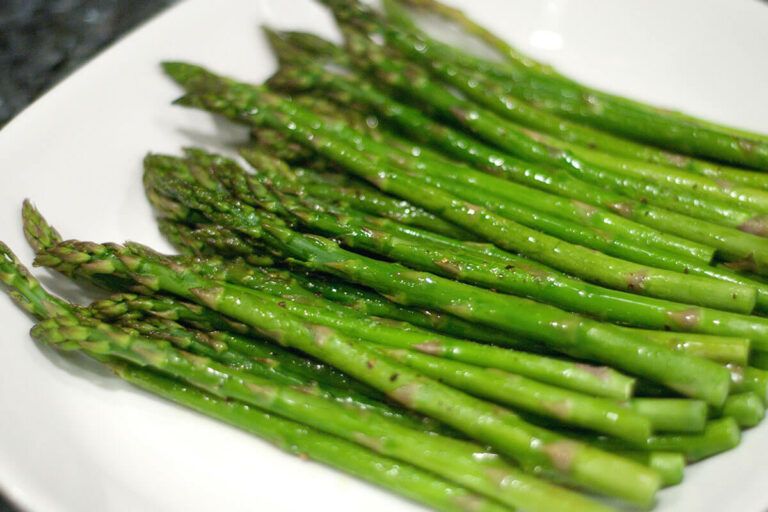
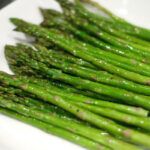
This simple roasted asparagus recipe takes just 20 minutes and uses only 4 basic ingredients to create perfectly tender-crisp asparagus with beautifully caramelized tips. With just 25 calories per serving, it’s Weight Watchers approved and works for virtually any diet including keto, paleo, and Whole30. The high-heat roasting method brings out asparagus’s natural sweetness while maintaining that perfect bite that makes this vegetable irresistible.
Roasted asparagus is a classic side dish that everyone should have in their cooking repertoire. I think everyone should have a basic recipe so that they can make them over and over again with no stress involved. I love asparagus and I like them simple. Sure, I doctor them up for the holidays and special occasions – check out my roasted asparagus with toasted breadcrumbs and almonds – but Monday through Friday, this is my go-to recipe. Nothing fancy—let the veggie be the star.
This Weight Watchers-approved recipe serves two and delivers maximum flavor with minimal effort. Whether you’re looking for a quick weeknight side or want to meal prep healthy vegetables for the week, this roasted asparagus recipe is your answer. Don’t miss my Vadouvan roasted veggies for another flavorful option.
Roasting vegetables transforms ordinary produce into something extraordinary. This cooking method caramelizes the natural sugars in vegetables, creating deep, complex flavors that steaming or boiling simply can’t achieve. The high heat of the oven creates beautifully browned edges while keeping the interior tender-crisp.
Roasting is also incredibly versatile and forgiving. You can roast almost any vegetable using the same basic technique, making it perfect for busy weeknights when you need a reliable side dish. From Brussels sprouts to sweet potatoes, carrots to broccoli, roasting brings out the best in every vegetable. It’s also one of the healthiest ways to prepare vegetables since it requires minimal oil and preserves most of the nutrients.
The flavor development that occurs during roasting is unmatched. As vegetables roast, their moisture evaporates and concentrates, intensifying their natural flavors while developing new, more complex taste notes through the Maillard reaction.
The Maillard reaction is a chemical reaction between amino acids and reducing sugars that occurs when foods are heated, typically at temperatures above 280 degrees F (140°C). It’s named after French chemist Louis-Camille Maillard, who first described it in 1912.
When proteins and sugars are exposed to heat, they undergo a complex series of chemical changes that create:
You encounter the Maillard reaction constantly in cooking:
In the context of your roasted asparagus recipe, the Maillard reaction is what transforms simple asparagus into something much more flavorful. The high heat (400 degrees F) allows the natural amino acids in the asparagus to react with its natural sugars, creating:
This is why roasting at high temperatures produces such superior results compared to gentler cooking methods – you need that heat to trigger the Maillard reaction and develop those rich, caramelized flavors. Are you sorry you asked? LOL. I know this is probably more than you wanted to know, but now you are ready for any food quiz or your next visit to Jeopardy!

Peak Season: Asparagus season runs from early April through June, with peak freshness typically occurring in May. During this time, you’ll find the best quality, most flavorful asparagus at the lowest prices. Local asparagus is often available at farmers markets and will have superior flavor compared to shipped varieties.
Off-Season Shopping: While asparagus is available year-round in most grocery stores, off-season asparagus (July through March) is typically imported and may be more expensive with less intense flavor. However, it’s still perfectly suitable for roasting.
Storage Tips: Fresh asparagus should be used within 2-3 days of purchase for best quality. Store asparagus upright in the refrigerator with the cut ends in a small amount of water, or wrap the ends in a damp paper towel and store in a plastic bag. Avoid washing asparagus until you’re ready to use it, as excess moisture can cause deterioration.
Shopping Tips: Choose asparagus bunches with uniform thickness for even cooking. Avoid asparagus with slimy or dried-out ends, flowering tips, or wrinkled stalks. The cut ends should look fresh and moist, not woody or dried out.

Preventing Soggy Asparagus:
Size Matters for Even Cooking:
Avoiding Common Mistakes:
Storage and Reheating:
Troubleshooting:
When shopping for asparagus, you’ll encounter several varieties and sizes. Understanding these differences will help you choose the best asparagus for roasting.
Asparagus Varieties:
Size Matters: Asparagus comes in thin, medium, and thick stalks. For roasting, I prefer medium-sized stalks. The thin ones tend to shrivel up and almost disappear when roasted, while the really thick ones can be fibrous and tough, even with proper preparation.
Freshness Indicators:
Proper preparation is key to perfect roasted asparagus. Here’s how to prep your asparagus like a pro:
Trimming the Ends: The most important step is removing the tough, fibrous ends. There’s a simple trick: hold an asparagus spear and gently bend it until it naturally snaps. It will break exactly where the tender part meets the tough, woody end. This natural breaking point ensures you’re only cooking the best part of the stalk.
Peeling Thick Stalks: If you’re working with thick asparagus (anything thicker than your thumb), you’ll want to peel the bottom third of each stalk. Use a vegetable peeler to remove the fibrous outer layer, which will help ensure even cooking and better texture.
For Thin Asparagus: Simply trim off about an inch from the bottom of each stalk—no peeling necessary.

While this basic recipe is perfect as written, there are several delicious variations you can try:
Roasted Asparagus and Carrots: Combine asparagus with carrots cut into similar-sized pieces. The sweetness of roasted carrots pairs beautifully with asparagus. Try roasted carrots and asparagus together for a colorful, nutritious side dish.
Roasted Asparagus and Broccoli: Mix asparagus with broccoli florets for a green vegetable medley. Both vegetables roast at similar rates, making this combination foolproof.
Roasted Asparagus and Brussels Sprouts: Halve Brussels sprouts and roast alongside asparagus for a hearty, satisfying side dish.
Flavor Enhancements:
Important Note: When mixing vegetables, ensure they’re all cut to similar sizes for even roasting. Different vegetables may require slight timing adjustments.
Follow these simple steps for foolproof roasted asparagus every time:
2. Prepare the asparagus: Break off the tough ends of the asparagus and, if they’re thick, peel the bottom third of each stalk as described above.
3. Prepare for roasting: Place the asparagus on a baking sheet lined with foil or parchment paper for easy cleanup (it’s the middle of the week and I don’t need another pan to wash!).

4. Season: Drizzle with olive oil, then toss to coat the asparagus completely. Make sure every spear is evenly coated with oil.
5. Arrange: Spread the asparagus in a single layer on the baking sheet. Don’t overcrowd—this ensures even roasting and proper browning.
6. Season again: Sprinkle liberally with kosher salt and freshly ground black pepper.

7. Roast: Place in the preheated oven and roast for 15-25 minutes, depending on the thickness of your asparagus. The asparagus is ready when it’s tender but still has a slight crisp bite.
8. Test for doneness: The best way to know if your asparagus is done is to taste it. If it’s slightly soft but still tender-crisp, it’s perfect.
9. Serve: Transfer to a platter and sprinkle with a little more salt. I love to finish with flaky Maldon salt for extra texture and flavor. A squeeze of fresh lemon or lime will brighten the dish if you want a splash of freshness.

Roasted asparagus pairs beautifully with a wide variety of main dishes. It’s the perfect accompaniment to grilled chicken, honeyed roasted garlic salmon, steak, or baked breaded pork chops with blackberry sauce. The earthy, slightly sweet flavor complements both simple and complex entrees.
For a complete meal, try serving roasted asparagus alongside plum glazed chicken thighs and quinoa, or pair it with pan-seared fish and wild rice. It’s also delicious as part of a vegetarian grain bowl with quinoa, roasted sweet potatoes, and a tahini dressing.
Leftover Ideas: If you have leftovers (though there rarely are any at my house), chopped roasted asparagus is fantastic in salads, omelets, or quiche. It adds wonderful flavor and texture to breakfast dishes and grain salads.
Roasted asparagus is best served immediately, but it can be stored in the refrigerator for up to 3 days. While it won’t be quite as crispy as when freshly roasted, it’s still delicious cold in salads or reheated gently in the oven.
For meal prep, you can prep the asparagus (wash, trim, and dry) up to 2 days ahead and store it in the refrigerator until ready to roast.

If you love this recipe, please rate it and leave a comment below! I’d love to hear how it turned out for you and any variations you tried.
Looking for other easy veggie side dishes? Try these:
Nutritional information is only an estimate. The accuracy of the nutritional information for any recipe on this site is not guaranteed.

Recipe Developer
With over 10 years of restaurant experience, Diane has been cooking and developing recipes for over five years, focusing on real-food meals for two that are Weight Watchers-friendly and high in protein. A longtime WW member herself, she brings firsthand experience to every recipe — not just culinary technique, but the practical knowledge of someone who has navigated points, portions, and satisfaction for years. Her recipe for Lollipop Lamb Chops with Pistachio Pesto was selected as a KitchenAid contest winner and published in Taste of Home's "Innovate Your Plate" bookazine. She has developed recipes and created content for brands including Eggland's Best, Sprouts Market, ZenB Pasta, Flannery Beef, The Honey Jar and Marukan Vinegar. She has been cooking for two for 10 years and her recipes focus on well balanced meals that are healthy, protein-focused meals perfectly proportioned for two servings. Based in Southern California she loves fresh, seasonal produce and proteins that nourish the body and soul.
Hi! I’m Diane. I started this site as a passion project. I love to cook, entertain, travel and laugh. (Who doesn’t love a good laugh?) Of course, being from New York, sarcasm rules!
More About Diane
mycuratedtastes@gmail.com