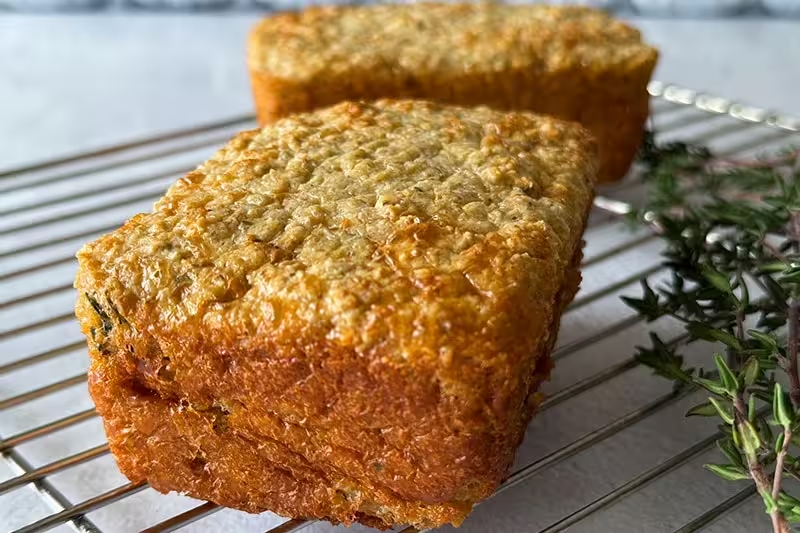
Add Us As A Trusted Google Source
 Sugar Free Raspberry Jam
»


It started with a single restaurant dish. Sometime around 2019, I spotted whipped feta on a menu and ordered it on a whim — and honestly? It changed my entire approach to cooking. Light, fluffy, and impossibly creamy, that one dish sent me down a rabbit hole of whipping everything in my kitchen. Butter, ricotta, avocado, coconut cream, sweet potatoes — if it could be whipped, I was whipping it. And I have never looked back.
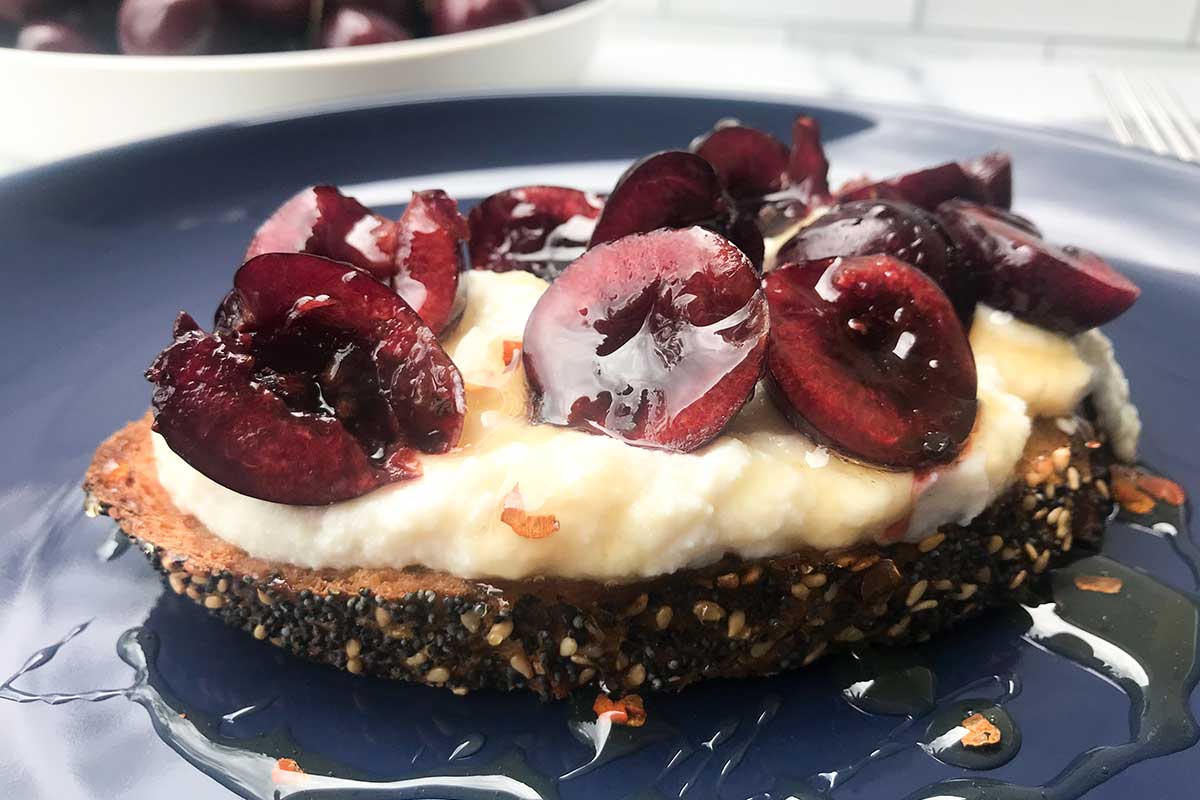
What I discovered is that changing the texture of a food is like giving it an entirely new identity. Take Whipped Ricotta Toast with Cherries and Hot Honey — with a quick spin in the food processor, a humble block of ricotta transforms into a silky, cloud-like spread that works equally well at breakfast or as a show-stopping appetizer. Once you taste it, regular toast feels like a downgrade. That’s the magic of whipping, and it applies across sweet and savory applications alike. Whether you’re entertaining guests or just treating yourself on a Tuesday morning, these eight whipped recipes are going to shake up your kitchen routine in the best possible way.
New to whipping? Here’s everything you need to know before you dive into the recipes:
Beyond the obvious wow-factor, there’s some genuinely fascinating food science happening when you whip dairy — and understanding it makes you a better cook.
When you whip cream, cheese, or butter, you’re incorporating air into the fat structure. That trapped air creates a foam that’s lighter, fluffier, and dramatically different in mouthfeel from the original product. The fat molecules essentially form a stable network around the air bubbles, holding everything in suspension. The result? A product that’s airy and delicate yet still richly flavored — you get all the taste with a completely new texture experience.
Here’s something that might surprise you: whipping dairy can actually make it feel more indulgent while using less of it. When butter is whipped, it increases in volume significantly, which means you naturally spread a thinner layer. Same rich flavor, but you use less. The same principle applies to whipped cream — because it’s so light and fluffy, a small dollop goes a long way toward satisfying your sweet tooth.
Whipping also changes how flavors are perceived on your palate. A whipped cheese like feta or ricotta coats your tongue more evenly than its block or crumbled form, which means the flavors hit all at once in one harmonious note rather than in concentrated pockets. It’s why whipped feta tastes somehow creamier and more complex than plain crumbled feta — even though it’s the exact same cheese.
One of the most exciting things about mastering whipped dairy is the sheer versatility it unlocks. A batch of whipped ricotta can go sweet (drizzled with honey and lemon zest) or savory (seasoned with garlic and tossed with pasta) — sometimes within the same week. Whipped butter becomes an elegant finishing touch for everything from steak to warm bread. Whipped coconut cream opens the door to dairy-free options that don’t feel like a compromise.
The bottom line: whipping is one of the simplest techniques in the kitchen with one of the highest payoffs. You don’t need culinary school training — just the right tool, a cold bowl, and a little patience. Let’s get into the recipes.

If you think you know mashed sweet potatoes, think again. Whipped Roasted Garlic Sweet Potatoes take everything you love about the classic holiday side dish and elevate it to something genuinely extraordinary. By roasting the sweet potatoes first, you coax out a deep, caramelized sweetness that you simply can’t achieve by boiling. Then, whipping them with cream, butter, and roasted garlic creates a texture so silky and light it practically melts on your tongue — no lumps, no heaviness, just pure comfort in a bowl.
This one is a guaranteed showstopper at any holiday table, but it’s honestly weeknight-worthy too. The roasted garlic adds savory depth that keeps it from being too sweet, striking that perfect balance. Plan on making a double batch — you’ll want leftovers to spread on a turkey sandwich the next day.
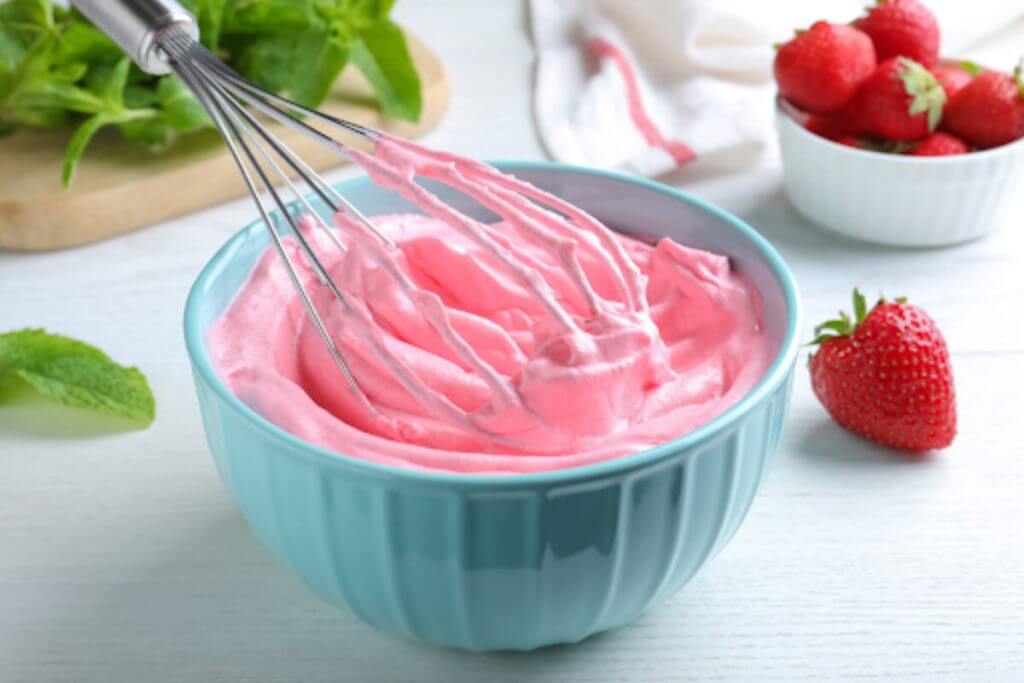
Before we get into the more elaborate recipes, let’s talk about the essential foundation: classic whipped cream. Nail this, and everything else follows naturally. A couple of non-negotiable rules make all the difference:
Ingredients:
Instructions:
Combine sugar and cream in your chilled bowl. Beat with a hand mixer until stiff peaks form. Use immediately or refrigerate for up to 8 hours — just give it a quick 20-second re-whip before serving.
Bonus Variations:
And if you want to go next-level with flavored whipped cream, don’t miss Pistachio Whipped Cream — it might just be the most surprising and delicious thing on this list.

Whipped Ricotta Toast with Berries & Honey is one of those recipes that has earned permanent residence in my weekly rotation. Ricotta transforms beautifully when whipped, losing its grainy texture and becoming this incredibly smooth, pillowy spread that works in so many different directions.
For a sweet application: whip with a little powdered sweetener, top with a drizzle of lemon honey, fresh berries, and a pinch of chili flakes for contrast. For savory: season with salt, pepper, and garlic powder, then toss with warm pasta or smear onto garlic bread.

For anyone who loves coconut — or anyone looking for a dairy-free whipped cream alternative — Whipped Coconut Cream is going to be a revelation. The key is using full-fat canned coconut milk chilled overnight so the cream separates from the liquid. The result is rich, subtly sweet, and pairs beautifully with tropical fruit desserts, hot cocoa, or literally anything you’d normally top with regular whipped cream.

The original inspiration for this entire whipped journey. Whipped Feta with Cucumbers debuted at Thanksgiving and immediately became a year-round staple. The process softens the sharp, salty bite of feta and transforms it into something creamy and luxurious. Paired with a fresh cucumber salsa, it makes a stunning appetizer that looks far more impressive than the effort it requires.
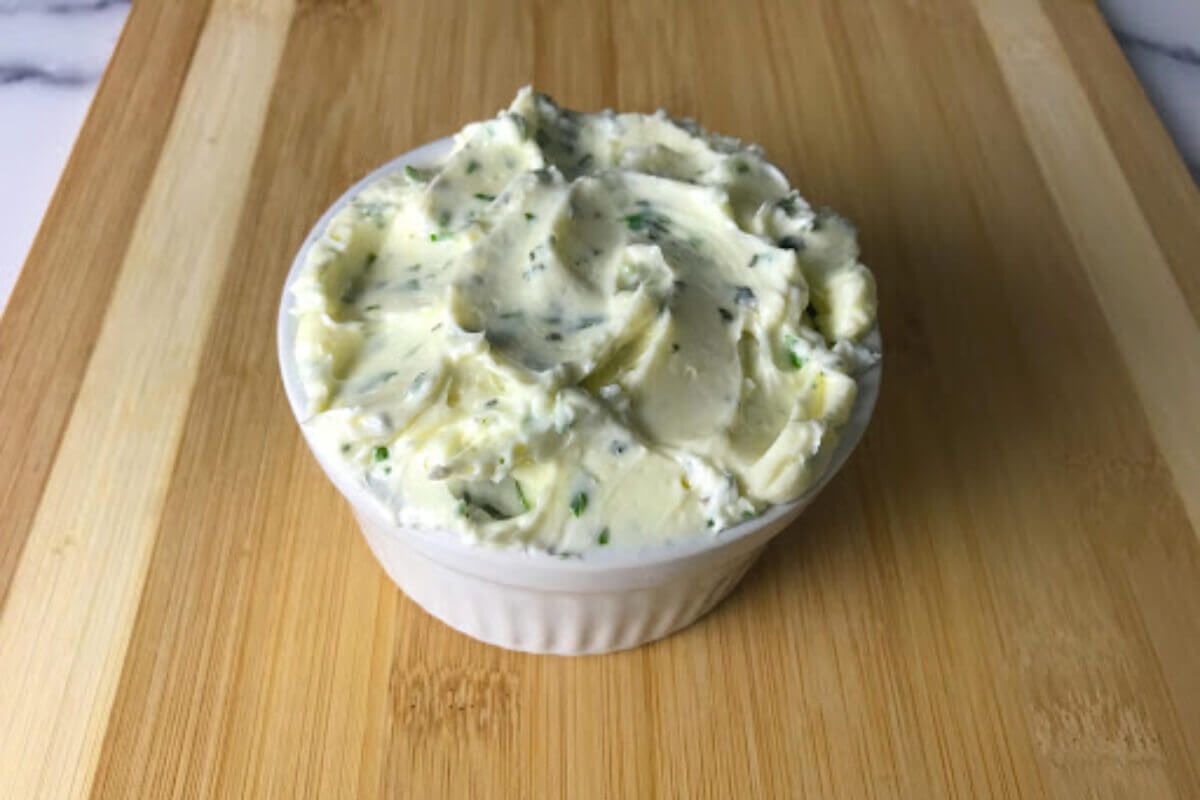
Whipping butter makes it light and airy, easier to spread, and — because it increases in volume — you use a little less per serving. Here’s the formula:
Whip together until light and fluffy. Serve alongside warm bread, grilled steak, or roasted vegetables. If you’re adding rosemary, mince it very finely to avoid tough pieces in the finished butter.
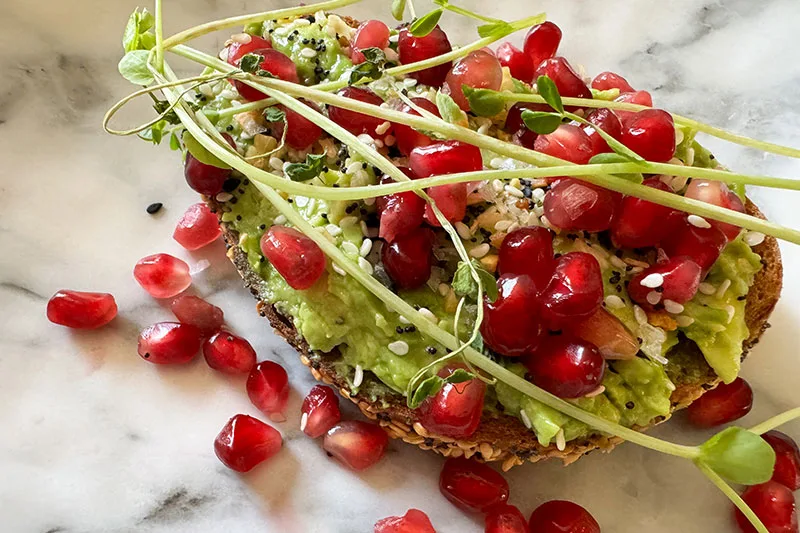
When you whip very ripe avocado in a food processor, you get a mousse-like consistency that’s smooth, incredibly light, and absolutely addictive. It makes the most luxurious spread for sandwiches, wraps, toast, and beyond. Try the Everything Bagel Avocado Toast with Pomegranate and whip the avocado — the texture difference alone will win you over. It also doubles as a stunning salad dressing base when thinned with a little vinegar and seasonings.

If you thought Greek yogurt was already good, wait until you whip it. This brand-new addition to the whipped recipe collection might just be the most versatile — and most surprising — recipe on the entire list.
My Whipped Greek Yogurt with Honey takes humble, everyday Greek yogurt and transforms it into a billowy, mousse-like cloud that feels genuinely indulgent — and it takes just five minutes and a handful of ingredients. The texture changes completely: you go from thick, dense yogurt to velvety, pillowy whipped yogurt with gorgeous soft peaks that hold their shape. Drizzle it with honey, scatter on some chopped pistachios, add fresh strawberries for a pop of color and sweetness, and you have something that works just as well as a beautiful breakfast as it does a no-fuss dessert.
Why it works:
Once you know how to make whipped Greek yogurt, you’ll wonder how you ever ate it any other way. Head over to the full recipe — Whipped Greek Yogurt with Honey — for step-by-step instructions, tips on the best Greek yogurt to use, and ideas for toppings and variations.

While we’re on the subject of whipping and blending, this one deserves a special mention. Eggs Benedict with Blender Hollandaise & Waffles is a total game-changer. Traditional Hollandaise sauce is notoriously fussy. The blender method eliminates all of that anxiety while delivering an equally silky, rich, and perfectly emulsified sauce in a fraction of the time. Add waffles to the mix and you’ve got a brunch that’s both wildly impressive and surprisingly stress-free.

You don’t need a fancy setup to start whipping — but having the right tools makes everything easier. Here’s what gets used most:
Whipping means beating air into a food using a mixer, food processor, or blender until it increases in volume and becomes light, fluffy, and airy. The technique works by forcing air bubbles into a fat or protein structure, which then holds those bubbles in a stable foam. The result is a texture that’s dramatically lighter and creamier than the original ingredient — and often more flavorful, since the airy texture allows flavors to coat your palate more evenly.
The difference is entirely about texture and volume. Whipped versions of these dairy products have had air beaten into them, which increases their volume by 25–50% and gives them a much lighter, fluffier consistency. Whipped butter, for instance, spreads more easily at room temperature and melts more quickly over hot food. Whipped ricotta goes from slightly grainy and dense to silky-smooth and cloud-like. Whipped cream cheese becomes noticeably lighter and less tangy. In every case, the flavor is essentially the same — it’s the mouthfeel that transforms.
You can whip most dairy products that have a meaningful fat content, including heavy cream, butter, cream cheese, ricotta, feta, mascarpone, Greek yogurt, and full-fat coconut milk (which is technically dairy-free). Lower-fat products like skim milk or fat-free yogurt won’t whip well because there isn’t enough fat to trap and hold air bubbles. The higher the fat content, the better and more stable the whipped result will be.
Temperature is everything when it comes to whipped cream. Cold heavy cream whips faster, holds its peaks longer, and creates a more stable foam than cream at room temperature. This is because the fat globules in the cream are firmer when cold, which means they form a stronger network around the trapped air bubbles. Warm fat is soft and can’t hold the structure. A warm bowl will also radiate heat into the cream and prevent it from whipping properly. Always chill your bowl and beaters for at least 30 minutes before whipping for the best results.
Whipped feta is simply feta cheese blended or processed until it becomes smooth, creamy, and spreadable — transforming a crumbly, sharp cheese into a rich, velvety dip or spread. It’s been trending across social media and restaurant menus because it’s incredibly easy to make, wildly versatile, and delivers a wow-factor that belies its simple ingredients. Served with toasted pita, fresh vegetables, or crackers, it makes an effortlessly elegant appetizer. It also works beautifully as a sandwich spread, a base for grain bowls, or a topping for roasted vegetables.
Whipped Greek yogurt has been beaten — often with a small amount of heavy cream — until it becomes airy, fluffy, and mousse-like in consistency. Regular Greek yogurt is thick and dense with a slightly grainy texture. Whipping it transforms the mouthfeel entirely: the result is smooth, velvety, and incredibly light, with soft peaks that hold their shape. It’s still packed with all the protein and probiotics of regular Greek yogurt, but the texture feels more indulgent and the flavor is mellower and more balanced.
Yes! You can whip heavy cream by hand using a balloon whisk — it just requires significantly more elbow grease and takes about 3–5 minutes of vigorous whisking. You can also use a jar: pour cold heavy cream into a mason jar, seal it tightly, and shake vigorously for 3–4 minutes until it thickens. For larger quantities, a food processor or stand mixer will save you a lot of effort. The key in all cases is starting with very cold cream and a chilled vessel.
Homemade whipped cream is best used immediately, but it will keep in an airtight container in the refrigerator for up to 8 hours. After that, it may start to weep (separate) and lose its volume. To revive it, give it a quick 20-second re-whip with a hand mixer. Adding a tablespoon of cream cheese or a teaspoon of powdered milk to the cream before whipping can stabilize it and extend its refrigerator life to 24–48 hours.
Whipped ricotta is one of the most versatile ingredients in the whipping universe. Here are just a few ways to use it beyond toast:
– Toss with hot pasta, a drizzle of olive oil, and fresh herbs for an instant creamy sauce
– Use as a pizza base instead of traditional tomato sauce or mozzarella
– Spread on garlic bread and broil until golden
– Layer into lasagna for a lighter, creamier ricotta filling
– Serve sweetened with honey and lemon zest as a dip for fresh fruit
– Use as a filling for stuffed pasta shells or manicotti
– Dollop over roasted vegetables for a creamy, cool contrast
Not quite. Guacamole is traditionally mashed (leaving some texture) and seasoned with lime juice, cilantro, jalapeño, and onion. Whipped avocado is processed until completely smooth, creating a mousse-like consistency that’s far airier and lighter than guacamole. It can be seasoned in similar ways, but the texture is the key difference: whipped avocado melts on your tongue where guacamole has body and texture. Whipped avocado is better as a spread for toast, sandwiches, and crackers; guacamole is better as a dip for chips.
Absolutely — and the results are often fantastic. Full-fat coconut milk (from a can, not a carton) whips beautifully into a dairy-free whipped cream with a subtle tropical flavor. Cashew cream can be whipped for a neutral, creamy alternative. Some oat milk brands also have high-fat options specifically designed for whipping. The key with all dairy-free alternatives is fat content — the higher the fat, the better the whipped result. Avoid low-fat or watered-down plant milks, as they won’t hold any structure when whipped.
The possibilities for flavored whipped butter are nearly endless. Here are some crowd-favorite combinations to try:
– Herb butter: Fresh thyme, basil, oregano, and parsley with a pinch of sea salt
– Honey cinnamon butter: Honey, cinnamon, and a touch of vanilla — incredible on pancakes and cornbread
– Garlic butter: Roasted garlic, parsley, and a squeeze of lemon for steaks and bread
– Brown sugar bourbon butter: Brown sugar, a splash of bourbon, and cinnamon — a game-changer for sweet potato or warm rolls
– Miso butter: White miso and a little sesame oil for a savory, umami-rich compound butter that’s absolutely stunning on grilled corn or steak
This is one of the most common whipped cream mistakes — and a great illustration of what’s actually happening when you whip dairy. When you whip cream, you’re creating a foam by trapping air in fat. But if you keep going past stiff peaks, the fat globules start to clump together and expel their liquid (buttermilk), essentially forming butter. It happens fast, especially on warm days. The solution: stop as soon as you see firm peaks — the cream should hold its shape but still look smooth and glossy, not chunky or grainy. If you’ve accidentally made butter, congratulations — you’ve got whipped butter!
Whipped Greek yogurt is a beautiful canvas for toppings. Some favorites:
– Sweet: Honey drizzle, chopped pistachios, fresh berries, sliced figs, lemon zest, granola, pomegranate seeds, or a dusting of cinnamon
– Savory: Olive oil, everything bagel seasoning, cucumber slices, za’atar, cherry tomatoes, or roasted peppers
– Dessert-style: Dark chocolate shavings, toasted coconut, caramelized bananas, or a swirl of fruit jam
Most whipped recipes can be made at least partially ahead — here’s a quick guide:
– Whipped cream: Up to 8 hours in the fridge; stabilize with cream cheese for up to 48 hours
– Whipped Greek yogurt: 3–5 days in an airtight container in the refrigerator
– Whipped feta: Up to 5 days refrigerated in an airtight container
– Whipped ricotta: Up to 5 days refrigerated
– Whipped herb butter: Up to 2 weeks refrigerated or 3 months frozen, rolled in parchment
– Whipped avocado: Best used same day; press plastic wrap directly onto the surface to slow browning
– Whipped sweet potatoes: Up to 4 days refrigerated; reheat gently with a splash of cream
Now get whipping — and don’t forget to come back and tell me which recipe became your new obsession!

Hi! I’m Diane. I started this site as a passion project. I love to cook, entertain, travel and laugh. (Who doesn’t love a good laugh?) Of course, being from New York, sarcasm rules!
More About Diane
mycuratedtastes@gmail.com