Add Us As A Trusted Google Source
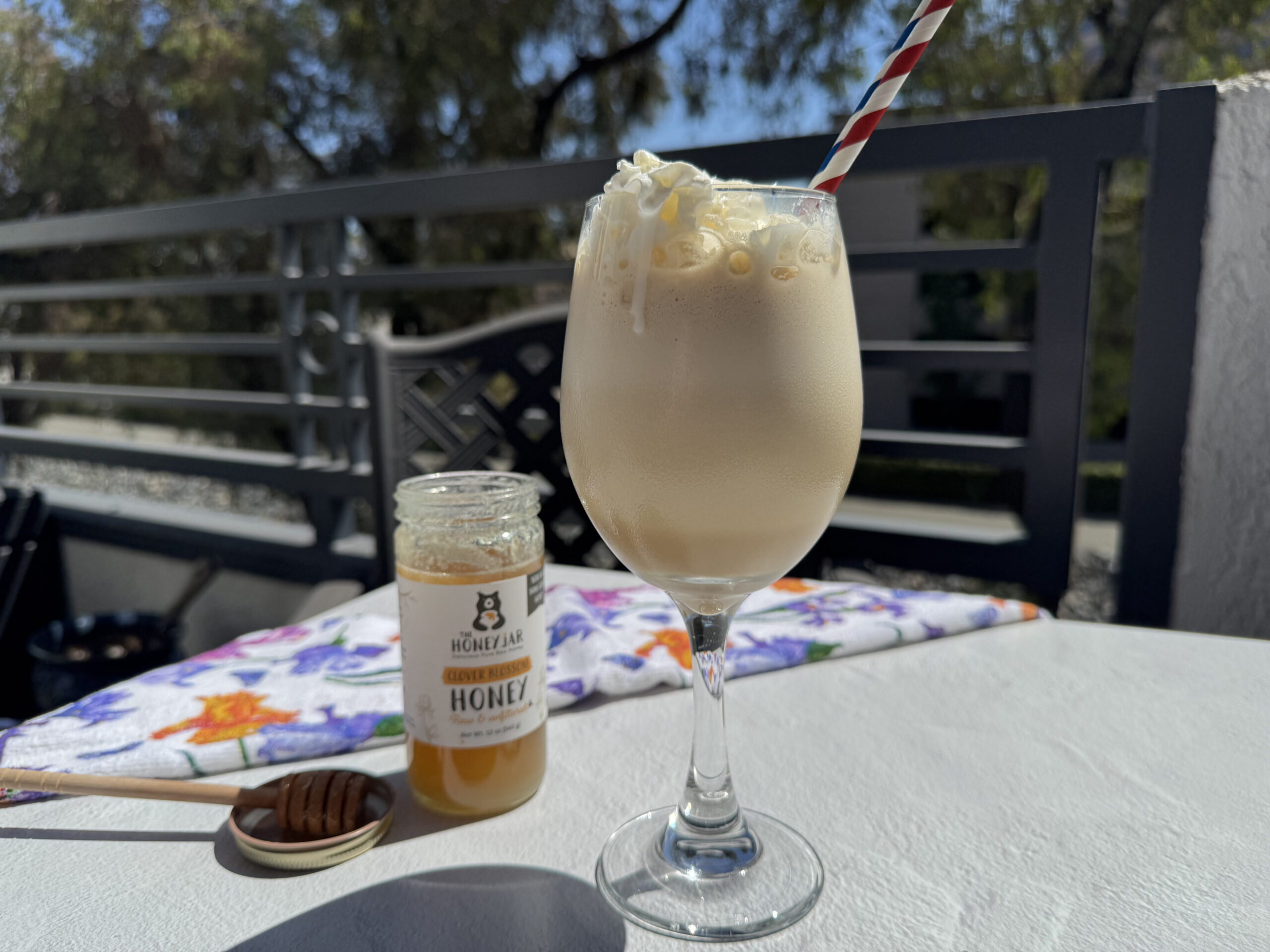
 Whipped Vanilla Honey
»
We use cookies to give you the best online experience. By agreeing you accept the use of cookies in accordance with our cookie policy.

Published: July 31, 2026
My Curated Tastes is reader-supported. When you buy through links on our site, we may earn an affiliate commission at no extra cost to you. As an Amazon Associate I earn from qualifying purchases.
I want to be completely upfront with you: I love a Starbucks Frappuccino. The cold, blended, sweet, caffeinated experience of it — especially in the middle of a Southern California summer when the temperature is refusing to cooperate — is genuinely one of life’s pleasures. I am not here to tell you that you should never have one.
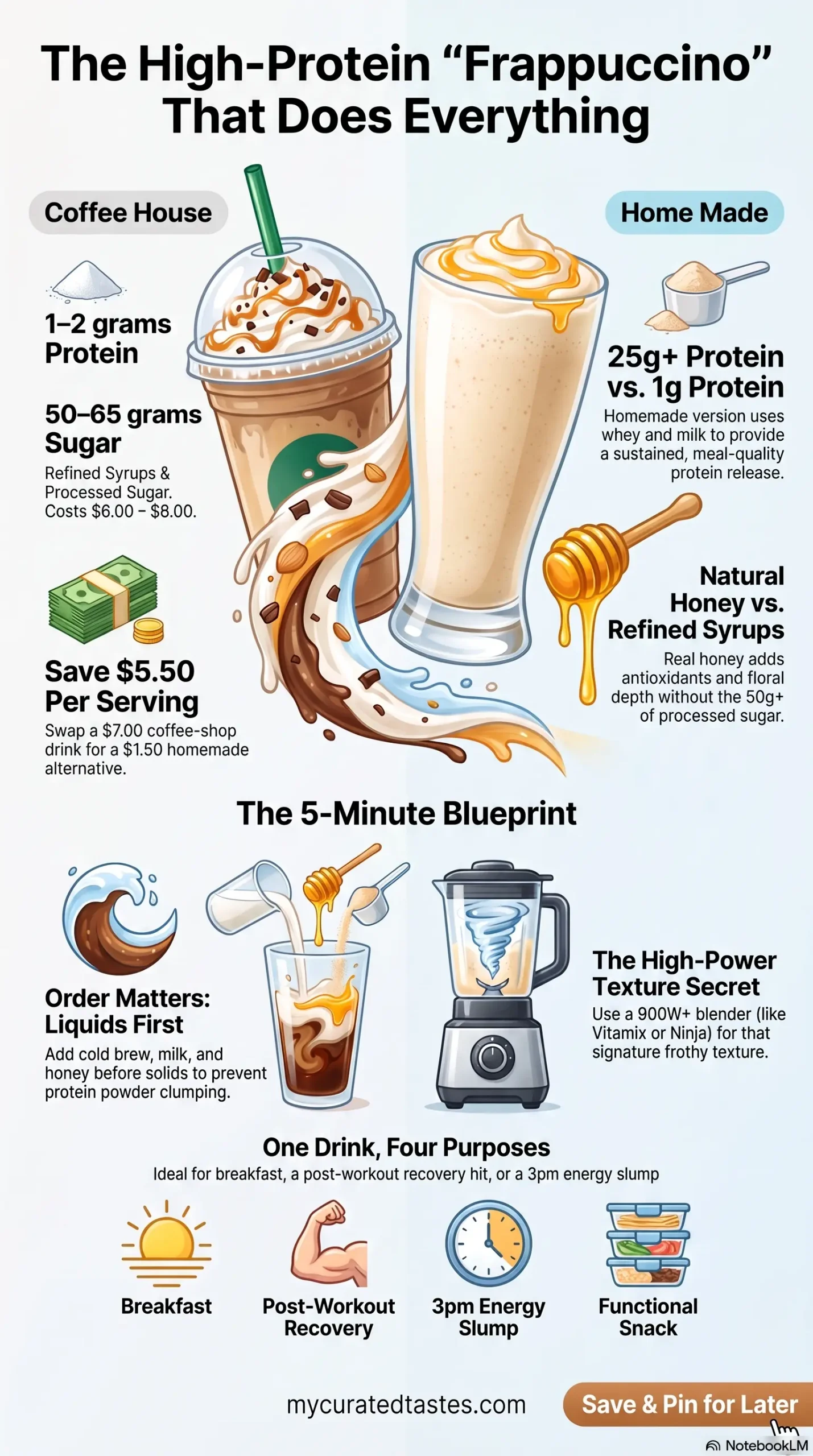
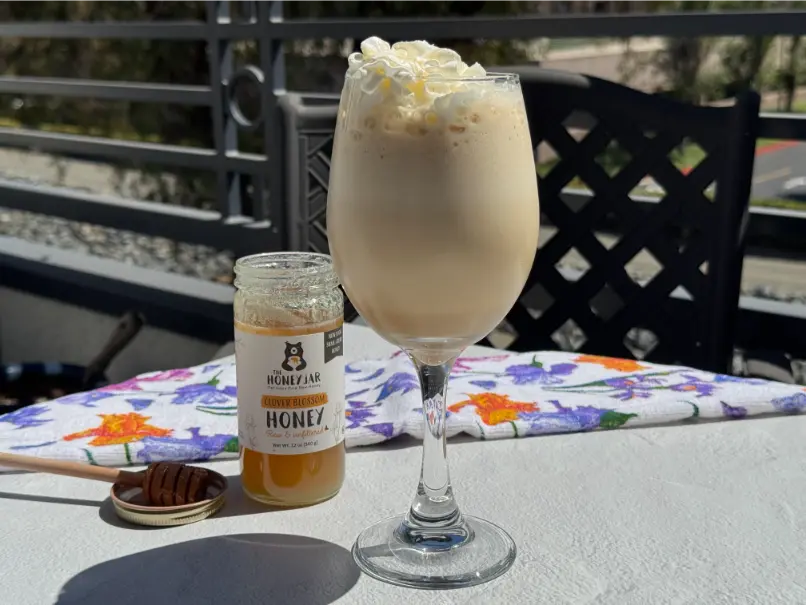
What I am here to tell you is that there is a version you can make at home in five minutes that is cold and sweet and frothy and caffeinated like a Frappuccino, but is also packed with 25+ grams of protein, made with real honey instead of flavored syrups, built on the natural sweetness of fresh or frozen peaches, and sized perfectly for two people. The Starbucks Peach Green Tea Frappuccino is a beautiful thing, but it has zero protein, 50+ grams of sugar, and costs approximately $7 per cup. This recipe is better on every nutritional metric and costs a fraction of the price.
This Honey Vanilla Frappuccino is what I reach for at breakfast when I want something that feels indulgent but fuels my morning, at lunch when I want something cold and satisfying that does not feel like a meal replacement shake, as a post-workout drink when my body needs protein fast and my taste buds want a reward, and as an afternoon treat when the 3pm slump hits and I need caffeine with something to show for it nutritionally. It is all four of those things in one glass. For five minutes of work.
This is a natural fit for the High-Protein Recipes Guide — for more high-protein ideas across every meal of the day. It is also a genuinely WW-friendly recipe; see the WW-Friendly Recipes Guide for the full collection. And since it is sized for exactly two — two tall glasses, perfectly portioned — it fits seamlessly into the Complete Guide to Cooking for Two philosophy.
Let us talk about Starbucks Frappuccinos honestly — because understanding what makes them so good helps you understand why this homemade version works so well as an alternative.
The Starbucks Frappuccino formula is brilliant: coffee or coffee-flavored syrup base, sweetened milk or cream, flavored syrups, ice blended until smooth, whipped cream on top. The result is cold, sweet, caffeinated, and genuinely delicious. It is also typically 300–500 calories, 50–80 grams of sugar, and essentially zero protein. A Grande Starbucks Caramel Frappuccino with whipped cream contains 54 grams of sugar and 4 grams of protein. It is a dessert, and a genuinely expensive one at $6–8 per cup.
| Metric | Starbucks Peach Frappuccino (Grande) | This Recipe (Per Serving) |
|---|---|---|
| Protein | 1–2 grams | 25+ grams |
| Sugar | 50–65 grams (added syrups) | Natural sugars from honey |
| Caffeine | Yes (varies by base) | Yes (cold brew concentrate) |
| Cost | $6–8 per cup | Approximately $1.50 per serving |
| Prep time | Drive-through wait | 5 minutes |
| WW points | 15–20+ points | 7 – 8 points |
| Customizable | Limited | Completely |
The flavor comparison is genuinely favorable to this recipe: cold brew concentrate is more deeply flavored than the Starbucks coffee base, (Star bucks actually sells a really good cold brew concentrate that I used in this recipe) and real honey has a floral complexity that no syrup replicates – and is so much better for you. This drink is not a consolation prize version of a Starbucks Frappuccino. It is a better drink that is also dramatically better for you. For my WW friends, remember you can always use less honey, and/or omit the whipped cream for even less points. Make this drink your own.
I am a honey person. Long-time readers of this site know this — The Honey Jar is one of my brand partners and the honey I use in my own kitchen, from the drizzle over my Pistachio Cottage Cheese Nice Cream to the glaze on my Honey Garlic Shrimp for Two. I use real honey because it tastes genuinely better than any sweetener substitute, and because the research on its health benefits is compelling.
The science on honey’s nutritional value is strong and growing. A comprehensive 2025 review published in MDPI Antioxidants confirms that honey is rich in polyphenols and flavonoids with documented antioxidant, anti-inflammatory, antimicrobial, and cardioprotective properties. Research published in PubMed notes that honey positively affects cardiovascular risk factors by inhibiting inflammation, improving endothelial function, and improving plasma lipid profiles. And a 2025 peer-reviewed study in AccScience’s Microbiology Insights journal describes honey as a nutritional treasure trove of polyphenols, flavonoids, bioenzymes, amino acids, and natural sugars — making it a meaningfully different sweetener from refined sugar or artificial alternatives.
In this frappuccino, the four teaspoons of honey serve three distinct purposes: they sweeten the drink naturally, they add a floral depth of flavor that no flavored syrup replicates, and they contribute genuine nutritional value that sugar and Splenda simply do not. It is a small amount — four teaspoons across two servings is two teaspoons per person, approximately one WW point — but it is doing real work.
There are a lot of ‘protein’ drinks online that have 10 grams of protein and call it high protein. This recipe delivers 25+ grams per serving from two distinct protein sources — and that distinction matters for how the drink fuels you.
The combination of these two protein sources — fast-digesting whey from the protein powder, and the skim milk — creates a sustained protein release that keeps you genuinely satisfied for hours. This is the nutritional architecture of a meal, not a snack.
NOTE: Want an additional protein boost? Add a 1/4 cup of fat-free Greek yogurt to thicken up the drink even more and add even more protein.
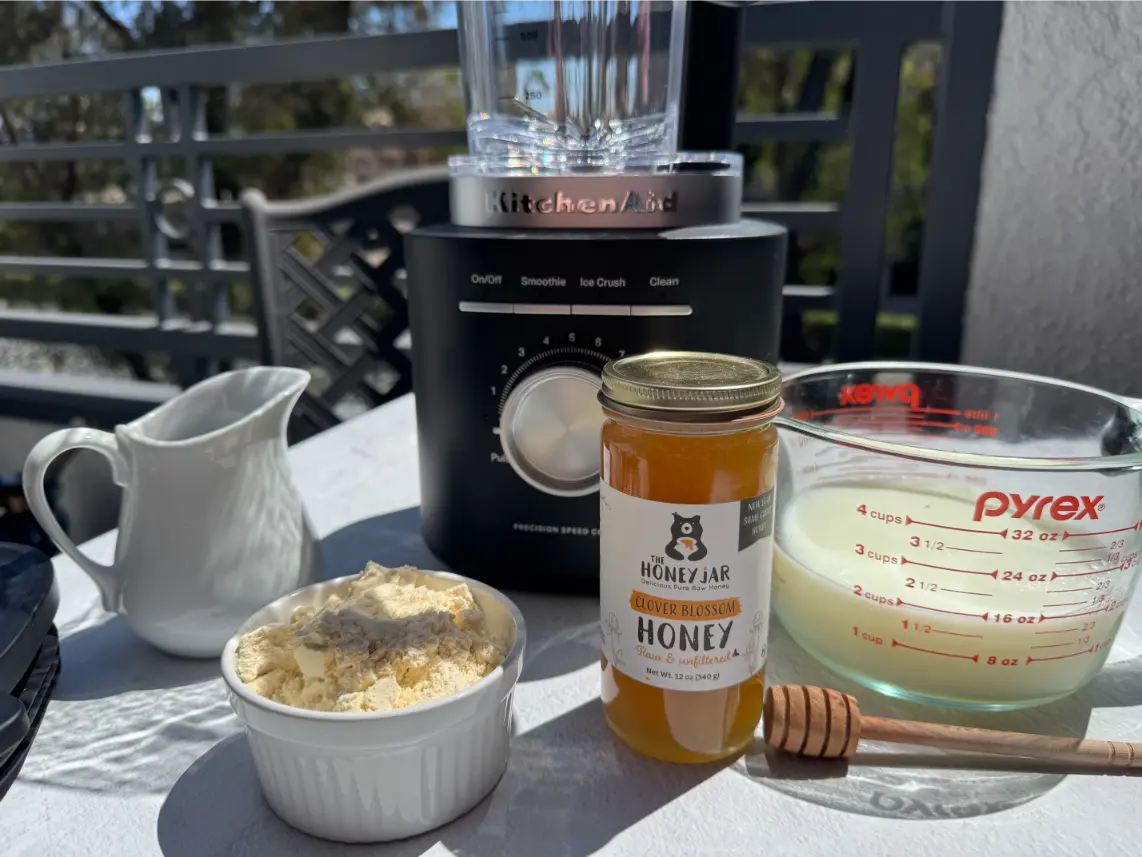
The single most important piece of equipment in this recipe is the blender. A low-powered blender produces a drink with visible ice chunks, unblended protein powder clumps, and a watery texture as the ice melts. A high-powered blender produces a smooth, frothy, genuinely Frappuccino-like result every time. Here is what to look for:
My Favorite — KitchenAid K150 3 Speed Ice Crushing Blender: I’ve never met a KitchenAid appliance I didn’t love. My entire kitchen is equipped with their products and each one is better than then next. Can’t say enough about the brand so if you are looking for long-lasting quality, this is the brand and model I recommend.
Best overall — Vitamix (any model, 64-oz container): The gold standard for blended drinks. Runs at 1,200–1,500 watts, completely obliterates ice and protein powder into a perfectly smooth, frothy texture in under 60 seconds. If you already own a Vitamix, use it for this recipe — the result is extraordinary.
Best value high-power — Ninja Professional (1,000 watts): Produces excellent frappuccino-style texture at a fraction of Vitamix pricing. The Ninja Professional’s blending blades are specifically designed for ice crushing — ideal for this recipe. This is what I use in my own kitchen most often for blended drinks.
Best budget — Nutribullet Pro (900 watts): The personal blender that handles frappuccinos surprisingly well at this price point. Blend in two 30-second pulses rather than one continuous run for the best result. The smaller container means you may need to blend one serving at a time.
Blenders to avoid for this recipe: Any blender under 600 watts will struggle with the combination of ice, frozen peaches (if using), Greek yogurt, and protein powder. The result will be chunky and inconsistent. If your blender is underpowered, let the ice sit for two minutes before blending and use partially thawed frozen peaches rather than fully frozen.
A Note on the Ingredients
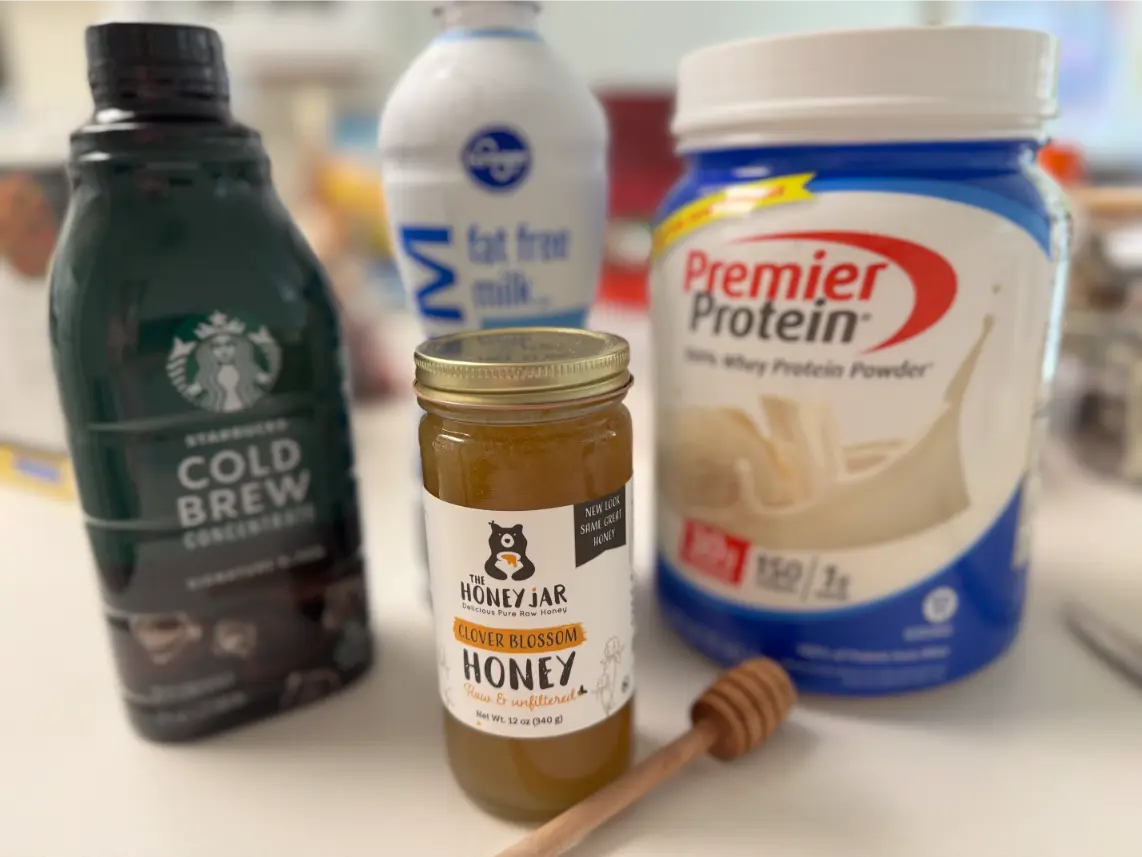
Cold brew concentrate — the coffee foundation: Two ounces of cold brew concentrate, not regular brewed coffee. Cold brew concentrate is available in small cans in the coffee aisle of most grocery stores — look for Starbucks, Chameleon, Stumptown, or Trader Joe’s brands. The concentrate is more than twice the strength of regular cold brew, which means two ounces delivers a genuine coffee hit without watering down the drink. Regular brewed coffee can substitute in a pinch — use four ounces and reduce ice slightly.
Vanilla protein powder — use one you love: Three scoops across both servings. The vanilla protein powder carries through in the finished drink, so use a brand you genuinely enjoy on its own. Unflavored protein powder works but will produce a less sweet, more neutral result — add an extra teaspoon of honey if using unflavored.
Skim milk: Eight ounces. Zero saturated fats. The liquid base that brings everything together and gives the drink its coffeehouse milk flavor.
Fat-free Greek yogurt: OPTIONAL ADD IN: One quarter to half a cup. Zero WW points. Creates body, adds protein, contributes a subtle tang that balances the sweetness of the honey beautifully.
Honey: Four teaspoons across both servings — two per person. Real honey only. The quality is detectable in a recipe where honey is a primary flavor. Use the best honey you have. Drizzle additional honey over the whipped cream at serving for the most beautiful garnish and an intensified honey note.
Ice: Two cups. Use standard ice cubes rather than crushed ice — the blender creates the texture, and starting with crushed ice often produces a too-watery result as the smaller pieces melt faster during blending. NOTE: for thicker consistency, add more ice…you won’t hurt my feelings!
Sugar-free whipped cream: Optional garnish but strongly recommended. It transforms the visual presentation from a smoothie in a glass to a genuine coffeehouse-style frappuccino. Reddi Whip Original or sugar-free versions both work beautifully and add minimal points.
1. Add all ingredients except the garnishes. To the blender: add the cold brew concentrate, skim milk, fat-free Greek yogurt (if using), vanilla protein powder, honey, and ice. Add in this order — liquids first, solids last — so the blender engages smoothly without the motor straining against dry protein powder on the bottom.
2. Blend until frothy. Blend on high for 60–90 seconds until completely smooth and frothy. The mixture should be uniform in color — no visible ice chunks, no protein powder clumps, no streaks of yogurt (if using). The froth is what distinguishes a great protein frappuccino from a smoothie — if your blender allows it, increase to the highest speed for the final 15 seconds to maximize aeration.
3. Pour into two tall glasses. Divide evenly between two tall glasses — a 16-ounce glass or a large cup with a lid (exactly like a Starbucks cup) is the ideal format. Pour slowly to preserve the froth on top.
4. Garnish and serve immediately. Top with a swirl of sugar-free whipped cream. Drizzle with a small amount of additional honey over the whipped cream. Serve immediately with a wide straw — the drink is best at peak froth.
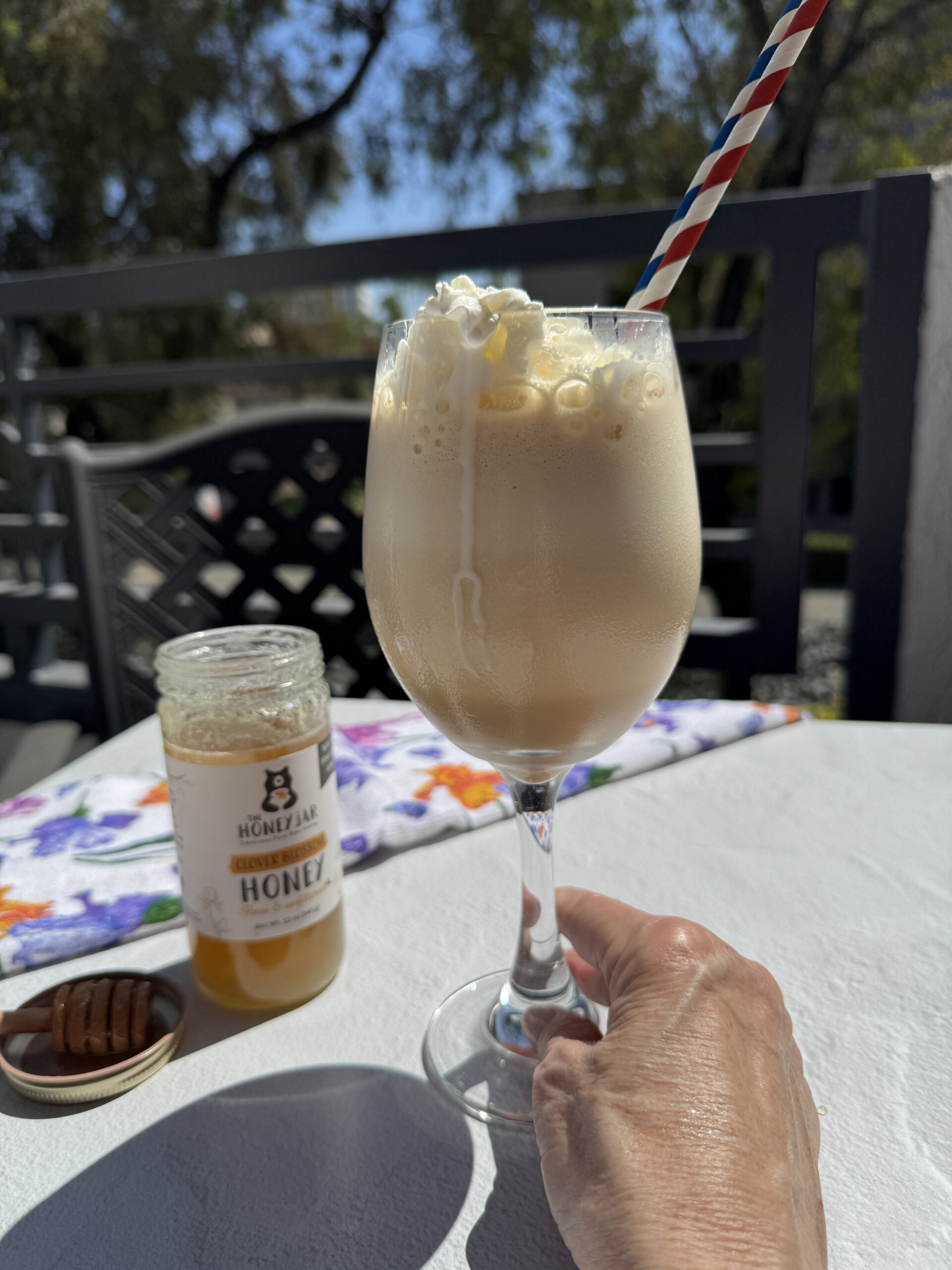
Presentation elevates this frappuccino from a protein shake to a genuine treat. Here is how to serve it for maximum impact:
25+ grams of protein at breakfast is the nutritional foundation that sets up your entire day. The cold brew concentrate delivers the caffeine hit that morning requires. The honey provides natural energy from carbohydrates that metabolize cleanly. If using, the Greek yogurt adds probiotics that support digestive health first thing in the morning. This is a complete breakfast in a glass — not a meal replacement in the sense of something you eat reluctantly, but a genuinely delicious thing you look forward to.
The post-workout window — the 30–60 minutes after exercise when muscles are most receptive to protein for repair and growth — is one of the best possible times for this frappuccino. The protein profile (25+ grams from three sources) delivers what muscles need. The natural carbohydrates from honey replenishes glycogen stores. The cold temperature is exactly what your body wants after a workout. And the caffeine from the cold brew has documented benefits for workout recovery and alertness. This is genuinely superior post-workout nutrition in an enjoyable format.
The 3pm slump is real and the urge to reach for something sweet and caffeinated is completely understandable. This frappuccino addresses that urge with protein and real nutrition rather than a sugar spike and crash. The cold brew provides caffeine. The protein keeps you full until dinner. The honey provides the sweetness your afternoon is asking for. It is the snack that does not undermine everything you ate well all day.
On days when a sit-down lunch is not happening and something quick, portable, and genuinely sustaining is needed, this frappuccino works as a complete lunch option for the same reasons it works as breakfast — the protein content is substantial enough to constitute a meal when combined with the natural carbohydrates from the honey.
| Ingredient | Substitution and Notes |
|---|---|
| Skim milk | Unsweetened almond milk (reduces protein slightly, reduces points too). Oat milk for a creamier texture. Whole milk for the richest result at higher points. |
| Vanilla protein powder | Chocolate protein powder for a chocolate-coffee combination that is extraordinary. Unflavored protein powder — add extra honey to compensate for the lost sweetness. |
| Fat-free Greek yogurt | (optional ingredient but a great add in) Low-fat Greek yogurt for a slightly creamier result at 1–2 additional points. Regular full-fat Greek yogurt for maximum creaminess. |
| Honey | Agave nectar (similar sweetness, slightly more neutral flavor). Lakanto Simple Syrup (zero points, zero sugar — the WW purist option). Maple syrup for a warm, earthy sweetness variation. |
| Cold brew concentrate | 2 oz espresso (similar strength, slightly different flavor profile). 4 oz regular cold brew (less concentrated — reduce ice by 1/4 cup). Omit entirely for a caffeine-free honey vanilla protein smoothie. |
| Sugar-free whipped cream | Coconut whipped cream for a dairy-free option. (see how I make it in my whipped coconut cream with pineapple & macadamia nuts recipe) A scoop of vanilla frozen yogurt blended in for extra creaminess. Simply omit for the lowest-point version or use a low point topping of your choice. |
Yes, with adjustments. If your blender is under 600 watts, these techniques help: let your ice cubes sit at room temperature for 3 minutes before blending so they are slightly softened; use partially thawed frozen peaches rather than fully frozen; blend in two 30-second pulses with a 10-second rest in between rather than one continuous run. The result will not be quite as smooth and frothy as a Vitamix or Ninja Professional produces, but it will be perfectly good and delicious. For the best blender for frappuccino-style drinks at home, the Ninja Professional (1,000 watts, approximately $90) is the best value high-power option and produces professional results.
The exact protein content depends on your specific protein powder brand, but this recipe is designed to deliver about 30 grams of protein per serving from two sources: vanilla protein powder (typically 15-20 grams per scoop — check your brand), (add one quarter to half a cup of fat-free Greek yogurt - approximately 10 grams total across both servings, so 5 grams per serving for another boost of protein), and eight ounces of skim milk (approximately 8 grams total across both servings, so 4 grams per serving). Most quality vanilla protein powders with 20+ grams of protein per scoop will put this drink at 25–30 grams of protein per serving — a genuinely high-protein breakfast or post-workout drink.
Yes — with specific ingredient choices. The zero-point ingredients are: fat-free Greek yogurt, skim milk, and sugar-free whipped cream. The point-bearing ingredients are: vanilla protein powder (check your specific brand in the WW app — points vary significantly by brand), honey (approximately 1 point per teaspoon, so 2 points for the 2 teaspoons per serving), and any additional honey drizzled at serving. Total estimated WW points per serving: 3–5 points, with most of those coming from the protein powder. Always verify in the WW app recipe builder with your exact brands and quantities.
This frappuccino is best made immediately before serving — the froth dissipates, the ice melts, and the texture changes within 15–20 minutes of blending. However, you can do all the prep work in advance: measure and freeze the peach chunks in a zip-lock bag up to a week in advance; pre-measure the protein powder into individual portions; store the cold brew concentrate in the refrigerator. When you are ready to make the drink, everything goes in the blender in under two minutes and you are drinking it in five. This is genuinely the fastest prep-to-glass recipe on this site.
For the frothiest, smoothest high protein frappuccino, whey protein isolate or whey protein concentrate in vanilla flavor blends most cleanly and creates the most Frappuccino-like froth. Casein protein creates a thicker, creamier result — excellent if you prefer a richer texture. Plant-based protein powders (pea, rice, hemp blends) work but can be slightly grainier — blend for 90 seconds rather than 60 if using plant-based, and add an extra half-cup of liquid. Whatever protein powder you choose, use one you enjoy drinking on its own — the vanilla flavor is prominent in the finished drink. Avoid protein powders with artificial sweetener aftertastes, as they are more detectable in a drink than in a baked good.
No — cold brew concentrate is significantly stronger than ready-to-drink cold brew. Cold brew concentrate is typically a 1:1 to 1:2 coffee-to-water ratio during brewing, producing a very strong coffee extract that is then diluted before drinking. Ready-to-drink cold brew is already diluted to drinking strength. In this recipe, two ounces of cold brew concentrate delivers the caffeine and coffee flavor of approximately four to six ounces of regular cold brew. If you substitute ready-to-drink cold brew for the concentrate, use four ounces and reduce your ice by a quarter cup to compensate for the additional liquid. Store-bought cold brew concentrate is available in small cans at most grocery stores — look for it in the coffee aisle rather than the refrigerated section.
The comparison is dramatic. A Starbucks Grande Peach Frappuccino contains approximately 300–400 calories, 50–70 grams of sugar from flavored syrups, and 1–2 grams of protein. This High Protein Honey Peach Frappuccino contains approximately 220–280 calories depending on protein powder brand, natural sugars from real honey and fresh peach, and 25–30 grams of protein. The Starbucks version delivers a pleasant experience and then leaves you hungry 30 minutes later. This version delivers the same pleasant experience and then keeps you genuinely fueled for two to three hours. The cost comparison is equally significant: approximately $7 per Starbucks cup versus approximately $1.50 per serving for this recipe.
Three things distinguish a protein frappuccino from a protein smoothie: the coffee component (cold brew concentrate provides the caffeine and coffee flavor profile that makes this a frappuccino rather than a fruit smoothie), the texture (blending with ice at high speed creates the frosty, frothy consistency of a blended coffeehouse drink rather than the thicker, more viscous texture of a smoothie), and the serving format (poured into a tall glass or cup with whipped cream on top rather than served in a smoothie cup). The protein frappuccino concept is specifically about taking the indulgent format of a coffeehouse blended coffee drink and making it nutritionally purposeful — same experience, completely different fuel profile. This recipe achieves all three: coffee flavor, frappuccino texture, and 25+ grams of protein per serving.
If this High Protein Honey Vanilla Frappuccino has you in a coffee-drink mood, here are the other coffee-inspired drinks from this site:
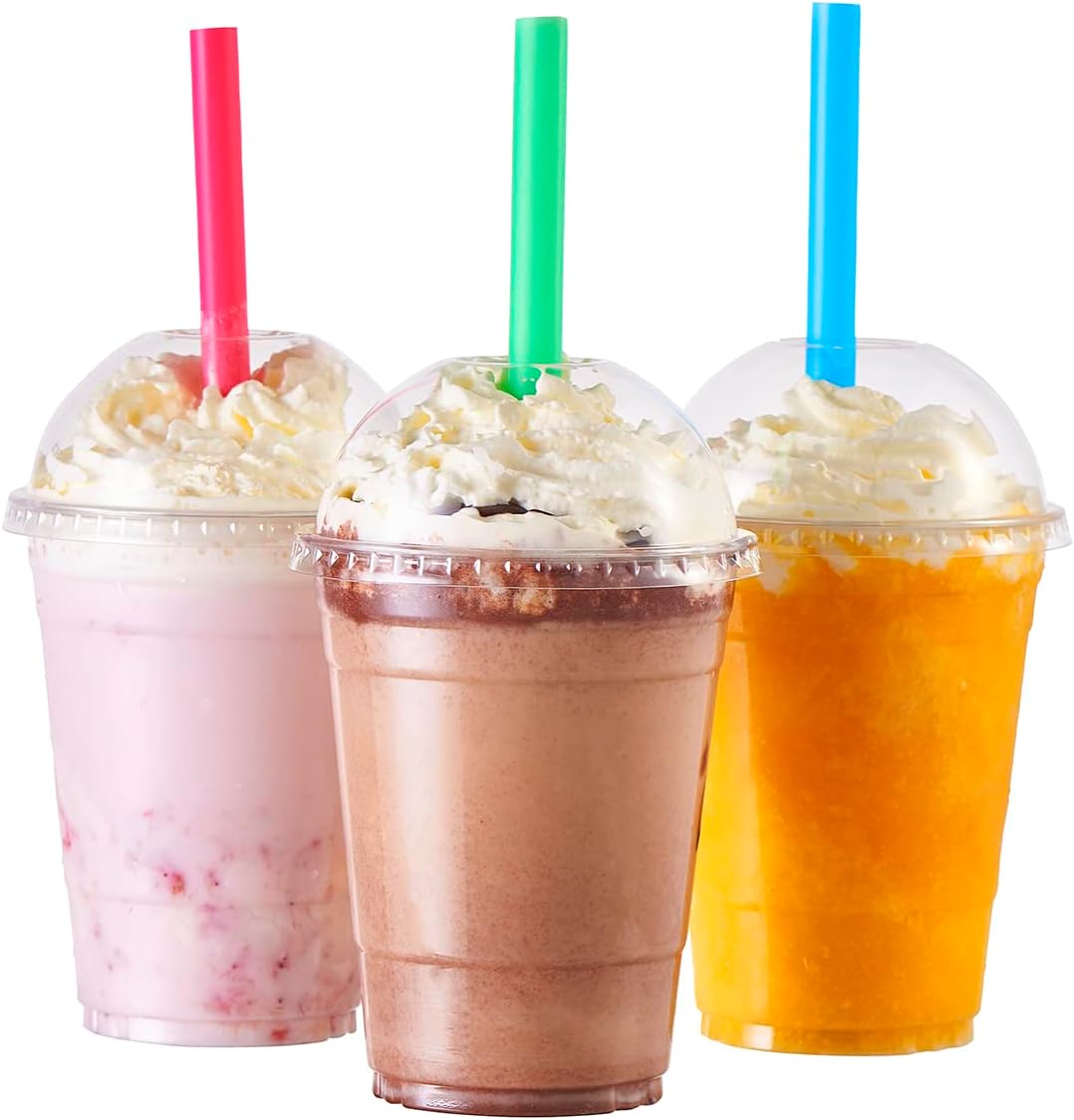
I want to know how your High Protein Honey Vanilla Frappuccino turned out. Did you use fresh peaches or frozen? Did you try a flavor variation? Did you serve it in a proper Starbucks-style cup with a dome lid and a wide straw? (I highly recommend this — it genuinely changes the experience.)
Leave a rating and a comment below — it takes sixty seconds and helps other readers find this recipe. I read every comment and respond personally. If something did not go as expected, I can almost always help troubleshoot. And if it turned out beautifully, I want to celebrate that with you.
If you share a photo on Instagram or Pinterest, tag @mycuratedtastes. There is nothing I love more than seeing this frappuccino on someone else’s counter on a Tuesday morning — proof that the five-minute routine actually happens. Tag me and I will share it.
Nutritional information is only an estimate. The accuracy of the nutritional information for any recipe on this site is not guaranteed.

Recipe Developer
With over 10 years of restaurant experience, Diane has been cooking and developing recipes for over five years, focusing on real-food meals for two that are Weight Watchers-friendly and high in protein. A longtime WW member herself, she brings firsthand experience to every recipe — not just culinary technique, but the practical knowledge of someone who has navigated points, portions, and satisfaction for years. Her recipe for Lollipop Lamb Chops with Pistachio Pesto was selected as a KitchenAid contest winner and published in Taste of Home's "Innovate Your Plate" bookazine. She has developed recipes and created content for brands including Eggland's Best, Sprouts Market, ZenB Pasta, Flannery Beef, The Honey Jar and Marukan Vinegar. She has been cooking for two for 10 years and her recipes focus on well balanced meals that are healthy, protein-focused meals perfectly proportioned for two servings. Based in Southern California she loves fresh, seasonal produce and proteins that nourish the body and soul.
Hi! I’m Diane. I started this site as a passion project. I love to cook, entertain, travel and laugh. (Who doesn’t love a good laugh?) Of course, being from New York, sarcasm rules!
More About Diane
mycuratedtastes@gmail.com