Add Us As A Trusted Google Source
 Healthy Seafood Recipes for Two — Restaurant-Quality Recipes from Your Own Kitchen
»

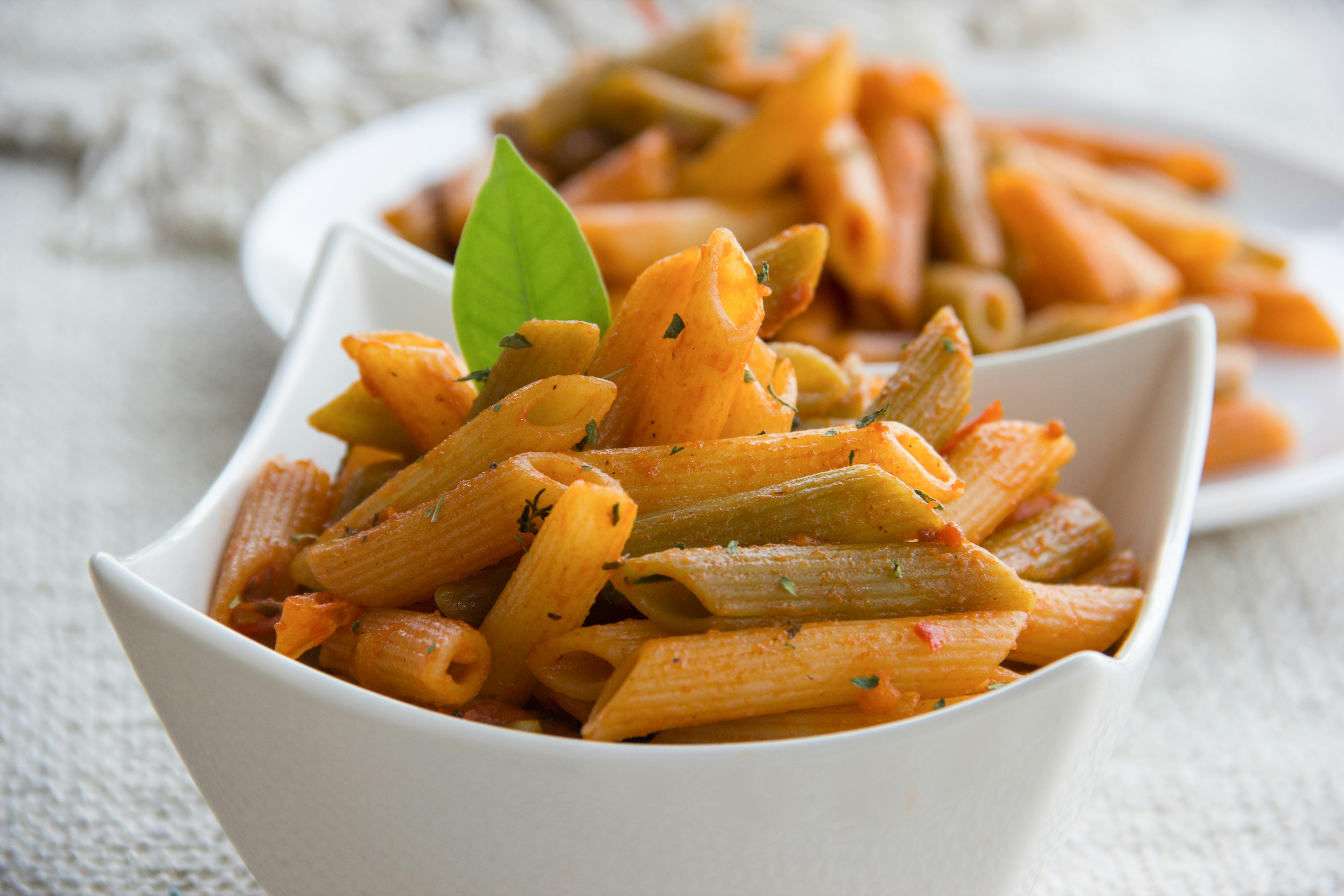
Seven WW-friendly pasta recipes built for exactly two people — organized from quickest to most elaborate — plus the complete WW pasta strategy that makes every recipe in this collection work. Here is what makes this post different from WW.com’s 22-recipe list, LaaLoosh’s pasta collection, or Insanely Good’s 20 picks:
Let me say something that the WW community has been circling around for years without quite saying directly: pasta is not the problem. The portion, the sauce, and the pasta type are the variables. Pasta itself — even regular semolina pasta — is not why WW plans fail. The research backs this up. A 2020 meta-analysis published in BMJ Open found that pasta consumption as part of a low glycemic index diet was associated with modest weight loss — not weight gain. Pasta, eaten in appropriate portions, with the right sauce, and ideally with a higher-protein base, is a completely compatible WW food.
WW itself says this clearly — the 22 pasta recipes on WW.com are proof enough. The issue is not whether you can eat pasta on WW. The issue is whether you can eat it in a way that satisfies you at the right point cost. And for a two-person household, there is a third challenge: making a genuinely great pasta dish for exactly two people without half a pot of leftovers and without the scaling errors that come from halving a family recipe on the fly. Yes, I meal prep, and yes I make batches of sauces (like my marinara sauce). But I also, package them in servings for two and freeze them so I always have a healthy, great pasta sauce ready to go. You can too!
This collection solves all three: the points, the satisfaction, and the two-person scale. Every recipe was built from scratch for two portions, every sauce strategy was developed with WW points in mind, and every recipe has been personally tested to the standard that I actually want to eat it again.
For the complete WW recipe philosophy and smart swap system, visit the WW-Friendly Recipes Guide. For the two-person cooking framework that makes these recipes work at small scale, see the Complete Guide to Cooking for Two. For the WW-for-couples system, see the Cooking for Two on Weight Watchers guide.
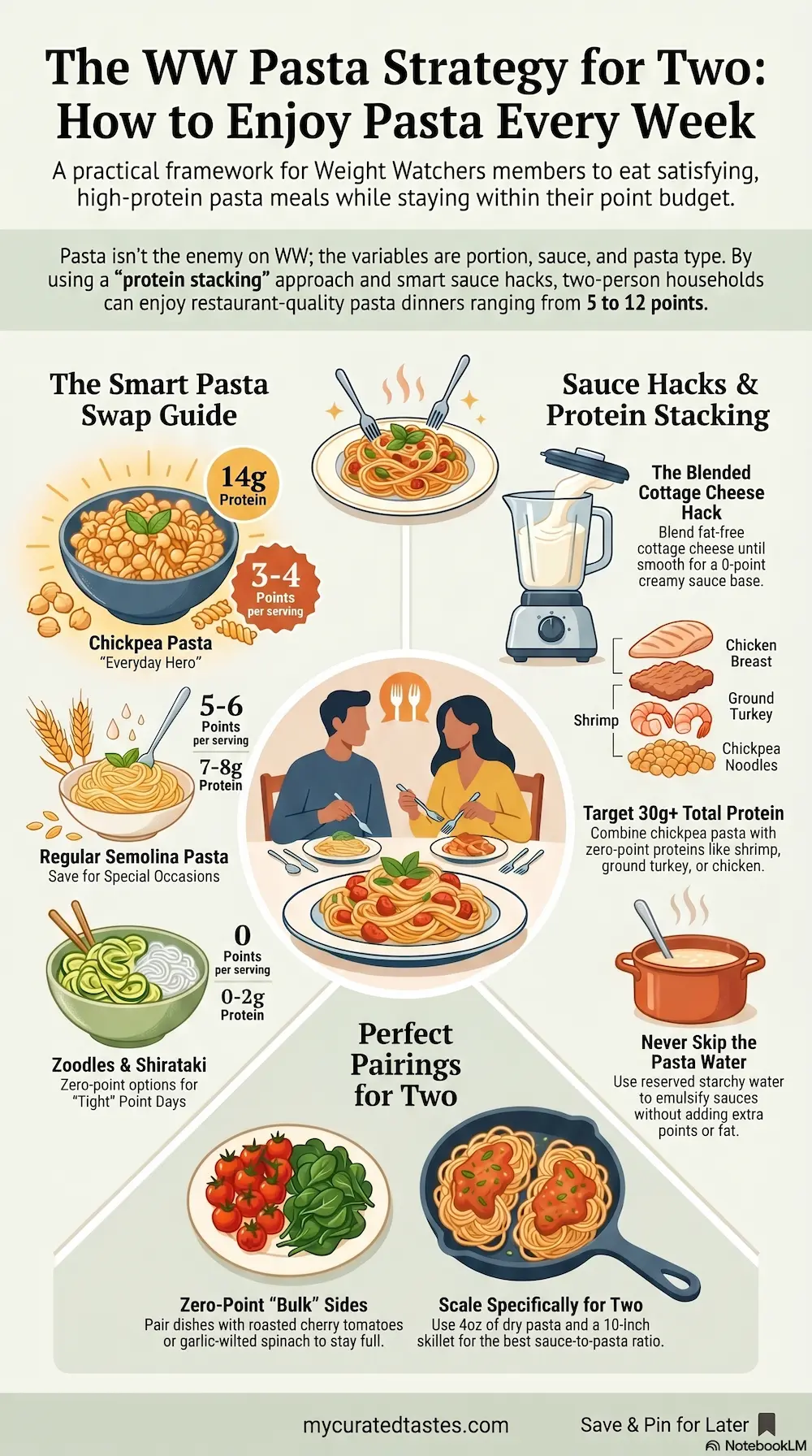
The pasta swap conversation in the WW world is dominated by two extremes: people who say regular pasta is fine in small portions, and people who insist on zoodles for everything. The honest answer is: it depends on the dish, your daily budget, and your protein goals. Here is the complete guide:
| Pasta Type | Points (per 2 oz dry) | Honest Assessment |
|---|---|---|
| Regular semolina pasta (white) | 5–6 points | Best texture and flavor. Works in every dish. Use when points allow. |
| Whole wheat pasta | 5 points | Slightly more fiber, similar points. Earthier flavor — works better in robust sauces, less well in delicate cream sauces. |
| Chickpea pasta (Banza) | 3–4 points | Diane’s most-used WW pasta. 14g protein per serving. Slightly denser — pair with bold sauces. Excellent in every recipe in this collection. |
| Lentil pasta | 3–4 points | Similar to chickpea pasta. Good protein. Slightly earthier flavor. Works well with tomato and meat sauces. |
| ZenB Yellow Pea Pasta | 3–4 points | One of the cleanest-tasting alternative pastas. Holds up well in all preparations. A brand Diane has worked with. |
| Edamame pasta | 2–3 points | Highest protein of any pasta alternative (24g/serving). Distinctive green color. Works best in Asian-profile dishes. |
| Shirataki noodles | 0 points | The zero-point option. Very different texture — rubbery if not prepared correctly. Dry thoroughly in a hot pan before using or the dish becomes watery. |
| Zucchini noodles (zoodles) | 0 points | Zero points, genuinely good in some dishes. Must be salted and pressed to remove moisture before using. Not a substitute in hot pasta sauces — add after sauce is plated. |
| Hearts of Palm pasta | 0–1 point | Increasingly available, mild flavor, reasonable texture. Best cold in pasta salad applications. |
Diane’s honest recommendation: Use chickpea pasta (Banza) as your everyday WW pasta — it has the best combination of texture, flavor, protein, and points of any alternative. Use regular pasta when you want the best possible dish and have the points for it. Use zoodles or shirataki when the daily budget is tight and the sauce is bold enough to carry them. Never use zoodles in a hot cream sauce — they turn to mush. But do try my zucchini zoodles with shrimp scampi for a great application. Still in the “veggie” mode, don’t forget about spaghetti squash…a great stand in when points are low or you are just trying to get more veggies into your diet. My spaghetti squash with seafood marinara is a family favorite and packed with protein too.
The sauce is where most WW pasta points come from — and where the most significant savings are possible. Here is the framework I use for every WW pasta dish:
The Zero-Point Sauce Foundation
Build every pasta sauce on a zero-point foundation: canned whole San Marzano tomatoes (zero points), low-sodium broth (zero points), roasted garlic (zero points), fresh herbs (zero points), lemon juice (zero points), balsamic vinegar (zero points), and fresh or dried chili flakes (zero points). These ingredients, properly cooked, produce a sauce with extraordinary depth and complexity before a single point-bearing ingredient is added. The difference between a good WW pasta sauce and a bland one is not the addition of cream or butter — it is the proper development of these zero-point aromatics.
The Cottage Cheese Cream Sauce Technique
This is the technique that transforms WW pasta cooking. Blended fat-free cottage cheese — whipped completely smooth in a blender for 60 seconds — replaces cream, heavy cream, and cream cheese in pasta sauces at zero to near-zero points per serving. The technique: blend the cottage cheese before it touches anything hot. Add it to the sauce off the heat or on the lowest possible heat. Toss with pasta water to bring it to the right consistency. The result is genuinely creamy, genuinely rich, and genuinely indistinguishable from a cream sauce to anyone eating it without advance knowledge. This technique is central to the High-Protein Pasta and the Sun-Dried Tomato Pasta in this collection.
The Pasta Water Secret — The Ingredient You Are Pouring Down the Drain
Starchy pasta cooking water is the most underused ingredient in WW pasta cooking. A quarter cup of pasta water added to a sauce at the end of cooking does three things simultaneously: it loosens the sauce to the perfect coating consistency, it helps the sauce cling to the pasta, and the starch it contains creates an emulsification that gives the final dish a glossy, restaurant-quality finish. This is how Italian restaurants achieve that glossy, perfectly-coated pasta — not with extra oil or cream, but with pasta water. Reserve a full cup before draining. You may not use all of it, but you will want it available. This technique is used in every recipe in this collection.
Traditional pasta dishes are not high-protein. A bowl of spaghetti with marinara delivers 8–10 grams of protein. The WW pasta collection on this site is built around protein stacking — combining two or more protein sources in a single dish to reach 25–50 grams per serving. Here is the framework:
| Protein Stack Combination | Combined Protein Per Serving |
|---|---|
| Chickpea pasta (14g) + ground turkey (18g) + cottage cheese sauce (7g) | ~39g — the High-Protein Pasta formula |
| Shrimp (20g) + chickpea pasta (14g) + Boursin (4g) + mushrooms (2g) | ~40g — the Boursin Pasta with Shrimp formula |
| Regular pasta (8g) + shrimp (20g) | ~28g — the Shrimp Linguine formula |
| Chickpea pasta (14g) + cottage cheese sauce (7g) + sun-dried tomatoes (2g) + pignoli (4g) | ~27g — the Sun-Dried Tomato Pasta formula |
| Chickpea pasta (14g) + ground turkey (18g) + pumpkin/ricotta (5g) | ~37g — the Pumpkin Turkey Cocotte formula |
| Regular pasta (8g) + whole eggs (12g) + Parmesan (4g) | ~24g — the Carbonara formula for future development |
The practical rule: always start with chickpea or lentil pasta as your base — the 14 grams of protein per serving it provides is essentially free protein that costs fewer points than regular pasta. Then add a protein-forward sauce ingredient (shrimp, ground turkey, cottage cheese base) and you are at 30+ grams without additional effort. For the complete high-protein approach across all recipes on this site, see the 30 Grams of Protein Dinners for Two guide.
Organized from quickest to most elaborate. Every recipe is from My Curated Tastes, sized for two servings, and tested personally.
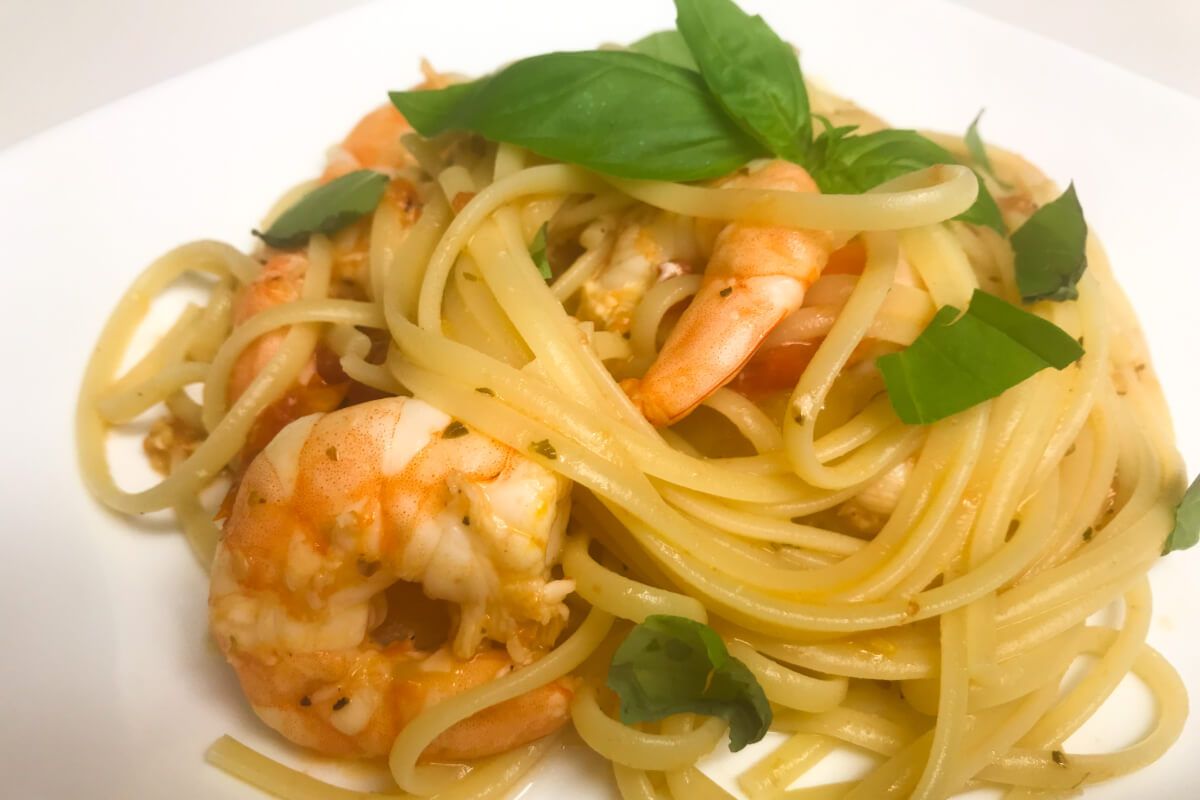
🦐 Shrimp, Linguine & Fresh Tomato Sauce
⏱ 20 minutes total 🥩 28g+ per serving ⭐ WW: 7–9 points
The fastest genuinely extraordinary pasta in this collection — and the most seasonal. Fresh tomatoes cooked for exactly four minutes with garlic, a splash of white wine, fresh basil, and olive oil, then tossed with perfectly cooked shrimp and linguine. The freshness of the sauce is everything: it demands ripe, in-season tomatoes and it rewards them with a brightness that no canned product can replicate. Twenty minutes from cold pan to bowl. The shrimp goes in last — 90 seconds per side — and the timing makes this dish genuinely exciting to cook. A small-pot of linguine, a separate pan for the sauce — parallel cooking, both done at once, everything comes together in the final minute.
💡 Pasta Tip: Use ripe in-season cherry or heirloom tomatoes only — the sauce has nowhere to hide inferior tomatoes. When good fresh tomatoes are not available, swap for one can of San Marzano whole tomatoes (zero points) and the dish remains excellent year-round.
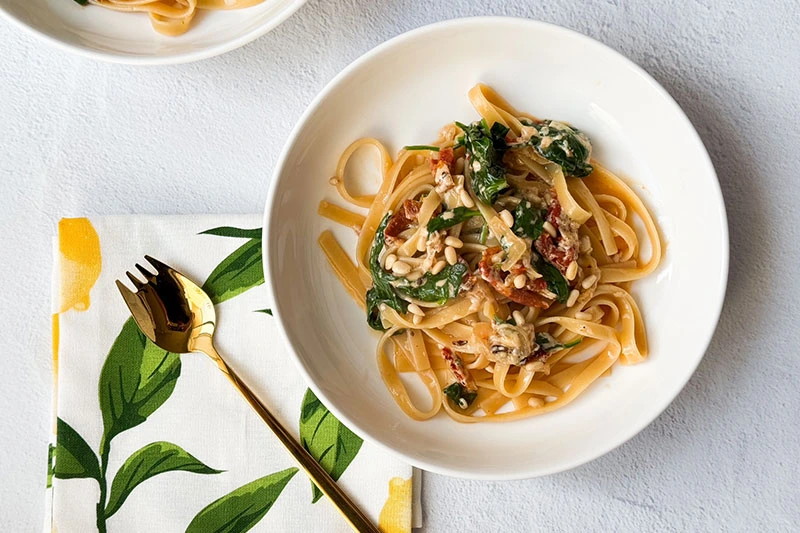
🍝 Sun-Dried Tomato Pasta with Spinach and Pignoli Nuts
⏱ 30 minutes total 🥩 18g+ per serving ⭐ WW: 6–8 points
A showstopping pasta that arrives at the table looking and tasting far more elegant than 30 minutes of cooking should produce. Sun-dried tomatoes, wilted fresh spinach, and toasted pignoli nuts in a silky sauce built from chicken broth and blended cottage cheese — rich and creamy without any actual cream. The pignoli add a toasted, buttery crunch that elevates every bite. This is one of the most visually beautiful pasta dishes on this site: the deep red of the sun-dried tomatoes, the bright green of the wilted spinach, the golden pignoli. A WW-friendly pasta that reads as sophisticated cooking rather than healthy adaptation.
💡 Pasta Tip: Toast the pignoli in a completely dry pan over medium heat for 2–3 minutes — watch them constantly, they go from golden to burnt in seconds. Remove from heat the moment they start to color and transfer to a plate immediately to stop cooking.

⏱ 25 minutes total 🥩 50g+ per serving ⭐ WW: 8–12 points — the Friday night treat
The pasta dish that earns the most astonished ‘this is WW?’ reactions of anything on this site. Boursin cheese — herbed, garlicky, unmistakably Boursin — melted into skim milk and pasta water to create a sauce so velvety and rich it seems impossible. Shrimp seared separately and returned to the pan. Mushrooms and sun-dried tomatoes contributing depth. Everything tossed through high-protein chickpea pasta for a final protein count of 50+ grams per serving. This is the pasta that the Friday WW points bank was specifically designed to fund. The parallel cooking makes it genuinely 25 minutes: pasta boiling on one burner, shrimp and sauce on another, everything comes together in the final two minutes.
💡 Pasta Tip: Cook the chickpea pasta one full minute less than the package directions — it finishes cooking in the sauce and absorbs the Boursin flavor far more deeply than fully-cooked pasta added at the end. The sauce also thickens perfectly as the slightly undercooked pasta releases its remaining starch.
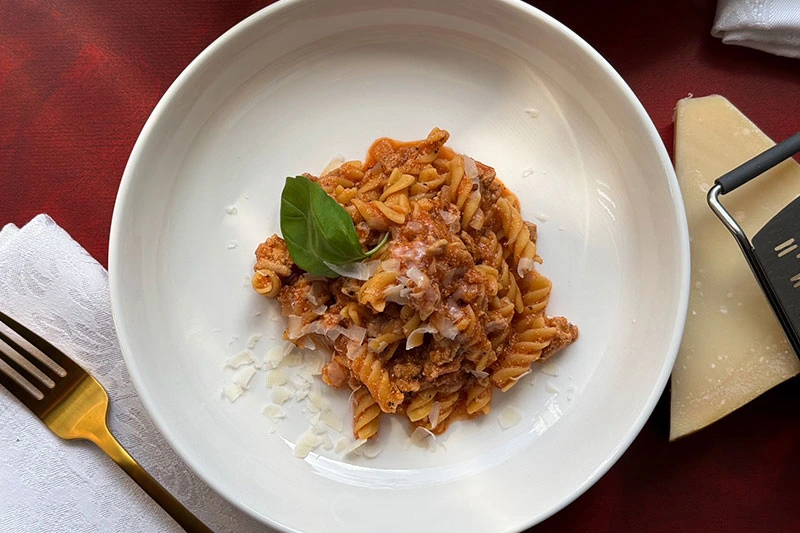
⏱ 30 minutes total 🥩 30g+ per serving ⭐ WW: 5–7 points
The pasta recipe that represents the WW pasta philosophy at its most complete: a blended fat-free cottage cheese tomato sauce — silky, creamy, deeply flavored — coating chickpea pasta with a ground turkey addition that brings the protein to 30+ grams per serving, all for 5–7 points. This is the weeknight pasta that proves the cottage cheese cream sauce technique definitively. The sauce takes five minutes to build: canned tomatoes, garlic, Italian seasoning, and blended cottage cheese combined in the skillet. The pasta and turkey are added in the final minutes. The pasta water is the finishing ingredient — added tablespoon by tablespoon until the sauce reaches the perfect coating consistency. This is the pasta I make most often on WW, and the one I recommend first to anyone who tells me they miss pasta on the program.
💡 Pasta Tip: The pasta water is non-negotiable — add it slowly after combining everything, tablespoon by tablespoon, until the cottage cheese sauce clings to every strand of pasta rather than pooling at the bottom. The starch in the water is what creates this emulsification.
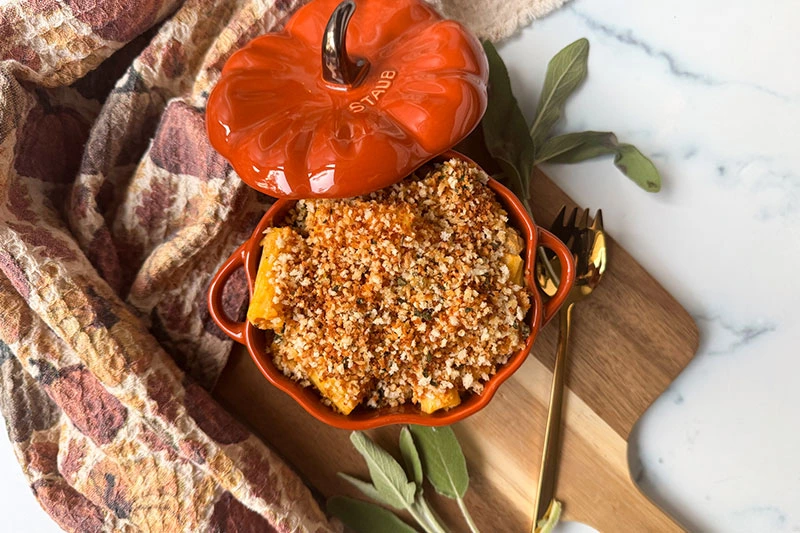
🎃 Pumpkin, Turkey and Pasta Cocotte en Fonte
⏱ 50 minutes (mostly hands-off baking) 🥩 30g+ per serving ⭐ WW: 5–7 points
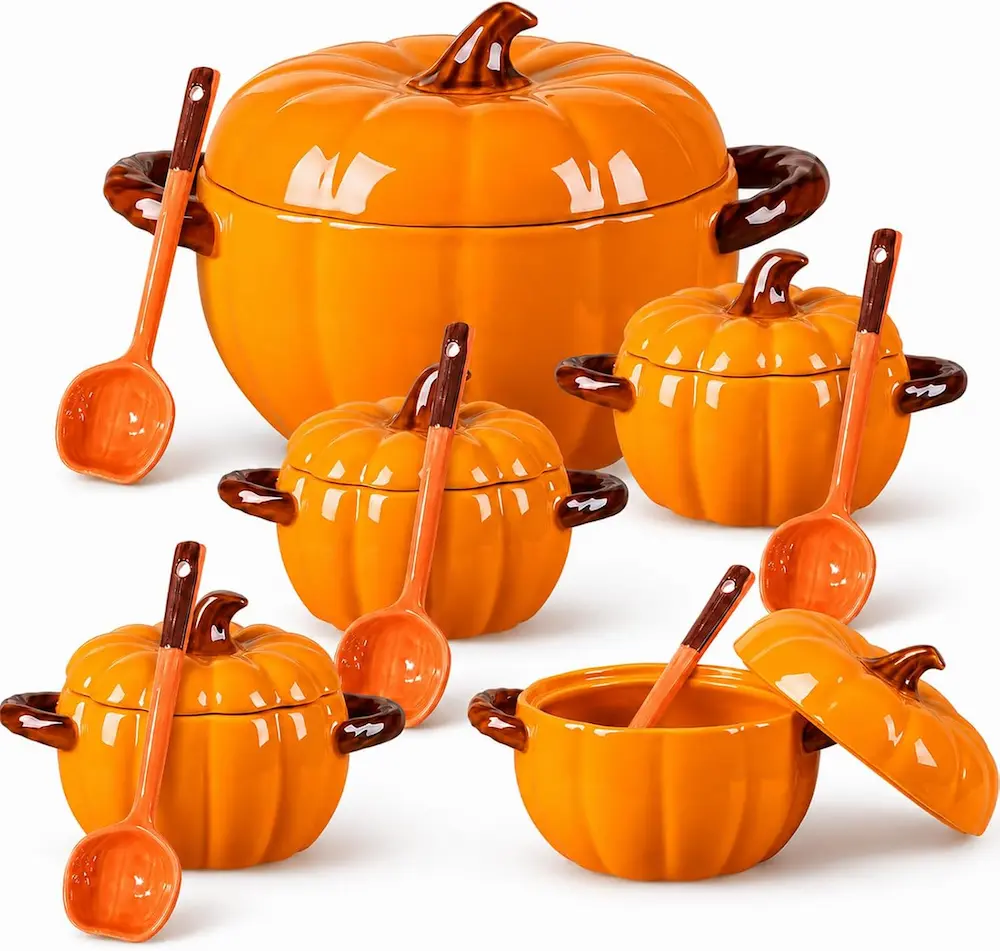
The most distinctive and visually memorable WW pasta dish in this collection — and the one that best represents what cooking for two makes possible. Individual cocottes (small Dutch ovens or ramekins) filled with ground turkey, fresh spinach, short-cut pasta, and a pumpkin-ricotta sauce, topped with a sage-browned panko crust and baked until bubbling and golden. One individual serving per person, delivered right in the cocotte at the table. The pumpkin adds a subtle sweetness and extraordinary nutrition — beta-carotene, fiber, and vitamins — at zero WW points. The panko crust adds the kind of crunch that makes this feel genuinely special. This is a Tuesday night celebration meal in a pot.
💡 Pasta Tip: Season the panko generously with fresh or dried sage before browning — the sage-panko combination is the flavor note that makes this dish taste like autumn in a bowl. Brown the panko in a dry pan separately before topping the cocotte, so it stays crispy through the baking.
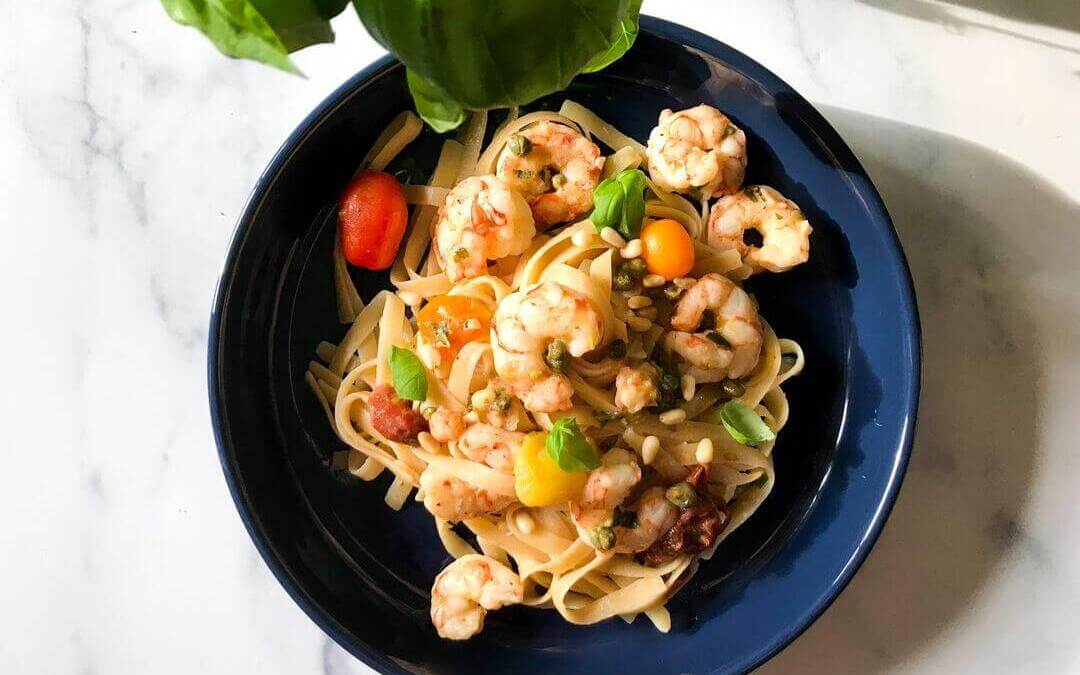
🍋 Lemon Tagliatelle with Spinach and Pine Nuts
⏱ 25 minutes total 🥩 14g+ per serving ⭐ WW: 8–11 points — the indulgent treat pasta
The most elegant and unapologetically rich pasta in this collection — and the one where I recommend using regular tagliatelle rather than a substitute, because the delicate cream and lemon sauce deserves the best pasta available. Shallots sautéed in lemon zest and olive oil, cream added and reduced, pine nuts toasted, fresh spinach wilted through — then tossed with tagliatelle and a generous amount of Parmigiano-Reggiano grated fresh at the table. This is the pasta I make when I want something that tastes like a restaurant in the South of France. The points are higher than the other recipes in this collection — this is the planned weekly indulgence rather than the everyday option. Serve in smaller portions as a starter or alongside a simple salad to manage the overall meal budget.
💡 Pasta Tip: Use real Parmigiano-Reggiano and grate it yourself at the table — the pre-grated variety in a can is a different product entirely and produces a grainy sauce rather than a silky one. Reserve pasta water generously: a full cup minimum. You will use most of it to achieve the right consistency.
🧀 Boursin Pasta for Two (Vegetarian Version)
⏱ 20 minutes total 🥩 25g+ per serving ⭐ WW: 6–9 points
The vegetarian adaptation of the Boursin Pasta with Shrimp — every element of the sauce remains identical (Boursin, skim milk, pasta water, mushrooms, sun-dried tomatoes, garlic) but the shrimp is replaced by cherry tomatoes blistered in olive oil and a generous additional amount of mushrooms for meatiness and umami depth. The chickpea pasta carries the protein load with 14+ grams per serving; the mushrooms and sun-dried tomatoes add the savory intensity that makes the absence of shrimp genuinely unnoticeable. This is the pasta I make for vegetarian guests — and no one has ever asked where the meat was. The Boursin sauce is that compelling on its own.
💡 Pasta Tip: Use a mix of mushroom varieties for the vegetarian version — cremini for earthiness, shiitake for depth, oyster for texture. Sauté over high heat in a very hot pan without stirring for the first 2 minutes: you want them to brown deeply rather than steam, which produces dramatically more flavor.
Not every WW pasta should be a Friday treat. Here is how to fit each recipe into a well-planned WW week:
| Recipe | Points Range | Best Night |
|---|---|---|
| Shrimp Linguine & Fresh Tomato Sauce | 7–9 points | Tuesday — quick, adventurous, fresh |
| Sun-Dried Tomato Pasta with Spinach & Pignoli | 6–8 points | Wednesday — midweek elegance |
| High-Protein Pasta | 5–7 points | Monday or Thursday — clean, filling, low-point anchor |
| Boursin Pasta with Shrimp | 8–12 points | Friday — the points bank treat |
| Pumpkin Turkey Cocotte en Fonte | 5–7 points | Sunday — slow cook, satisfying, makes the kitchen smell incredible |
| Lemon Tagliatelle with Spinach & Pine Nuts | 8–11 points | Saturday date night — the indulgent occasion pasta |
| Boursin Pasta (Vegetarian) | 6–9 points | Any night — the flexible weeknight option |
For the complete weekly framework that places pasta night in the context of the full week’s points strategy, see the WW-Friendly Meal Plan for Two — 7 Days. For the points bank strategy that makes Friday pasta nights guilt-free, see the Cooking for Two on Weight Watchers guide.
A pasta dinner is only as good as its accompaniments. These zero-point or near-zero-point sides balance the richness of the pasta without adding meaningful points:
Yes — completely. WW.com itself lists 22 pasta recipes on their official site, and pasta is explicitly included in the program. A 2020 meta-analysis in BMJ Open found that pasta as part of a low glycemic index diet was associated with modest weight loss, not weight gain. The key for WW members: choose higher-protein pasta alternatives (chickpea, lentil, or ZenB pea pasta) to reduce points while adding protein; build sauces on zero-point foundations (tomatoes, broth, garlic, herbs) rather than cream and butter; and use the pasta water technique to create creamy, restaurant-quality sauces without adding any point-bearing ingredients. Every recipe in this collection follows these principles and delivers a genuinely satisfying pasta dinner within a manageable WW point budget.
The lowest-point pasta options for WW members are shirataki noodles (0 points) and zucchini noodles (0 points), followed by hearts of palm pasta (0–1 point), then chickpea pasta, lentil pasta, and ZenB yellow pea pasta at 3–4 points per 2-ounce serving. Regular whole wheat pasta is typically 5 points per 2 ounces; regular semolina pasta is 5–6 points. For the best combination of low points, good texture, and high protein, chickpea pasta (Banza) is the practical everyday recommendation — 14 grams of protein per serving at 3–4 points makes it a genuinely nutritional upgrade over regular pasta rather than just a caloric trade-off. See the complete Pasta Swap Guide in this post for the full comparison with honest notes on where each option works and where it does not.
The most effective technique is the blended cottage cheese method: blend fat-free cottage cheese completely smooth for 60 seconds, then add it to the sauce off the heat or on the lowest possible setting. The blended cottage cheese creates a sauce with genuine creaminess — identical in texture to a cream-based sauce when properly made — at zero points per serving. The key supporting technique is pasta water: reserve a cup of starchy cooking water before draining the pasta, and add it tablespoon by tablespoon to bring the cottage cheese sauce to the perfect coating consistency. A second technique is the Boursin method (used in the Boursin Pasta with Shrimp in this collection): a small amount of Boursin cheese melted into skim milk and pasta water creates an extraordinarily creamy sauce for 3–4 points of cheese per serving. Both techniques are demonstrated in recipes in this collection.
WW-friendly pasta dinners for two run between 5 and 12 points per person, depending on the pasta type, sauce, and protein choice. The lightest options (5–7 points): High-Protein Pasta with cottage cheese tomato sauce and ground turkey over chickpea pasta, and the Pumpkin Turkey Pasta Cocotte. Mid-range (6–9 points): Sun-Dried Tomato Pasta, Shrimp Linguine with Fresh Tomato Sauce, and the Boursin Pasta Vegetarian version. Higher-point planned indulgences (8–12 points): Boursin Pasta with Shrimp, Lemon Tagliatelle with Spinach and Pine Nuts. The pasta itself accounts for 3–6 points; the sauce accounts for 0–4 points; the protein adds 0–2 points. The protein on most current WW plans (shrimp, chicken, ground turkey) is zero points, so the point investment is primarily the pasta and sauce. Always verify in the WW app recipe builder with your specific brands.
For everyday WW cooking, chickpea pasta is the best option: 3–4 points per 2-ounce serving, 14 grams of protein per serving, good texture in both hot and cold applications, and widely available at major grocery stores (Banza is the most accessible brand). For special occasion pasta where texture and flavor are the priority, regular semolina pasta at 5–6 points delivers the best dining experience. For the lowest-point option when the daily budget is tight, shirataki noodles (zero points) work well in bold Asian-profile sauces and need to be dried in a hot pan before using. For the most versatile new alternative, ZenB yellow pea pasta delivers clean flavor, good texture, and 3–4 points per serving. See the complete Pasta Swap Guide in this post for the full breakdown.
This is the most common practical failure in WW pasta cooking for two-person households: standard pasta recipes are written for 4–6 servings, and even when you try to halve them, the sauce quantity, cooking times, and pan sizes all require recalibration. The most reliable approach is using recipes written specifically for two servings from the start — like every recipe in this collection. When you must scale down a larger recipe, use these two-person conversion rules: use a 10-inch skillet rather than a large Dutch oven (sauce reduces more quickly and clings more aggressively at small scale), cook pasta in a smaller pot of lightly salted water (use 1–1.5 quarts for 4 ounces of pasta rather than a full large pot), and start with 4 ounces of dry pasta (2 ounces per person) rather than attempting to eyeball a half-box. For the complete scaling guide, see the How to Scale Any Recipe for Two guide.
Every pasta in this collection is genuinely delicious on its own merits — not ‘pretty good for WW pasta’ but actually excellent pasta by any standard. The practical approach for a mixed WW and non-WW household: make the recipe as written for both people. Serve any higher-point additions (extra Parmesan, a drizzle of truffle oil, a larger portion) in separate bowls at the table that the non-WW partner adds to their own plate. The WW member tracks their measured portion; the other person adds to theirs as desired. The Boursin Pasta with Shrimp, the Lemon Tagliatelle, and the Pumpkin Turkey Cocotte all meet the ‘would pay restaurant prices for this’ standard that makes the one-recipe approach work for both people. For the complete mixed-household WW cooking system, see the Cooking for Two on Weight Watchers guide.
Chickpea and lentil pasta work beautifully in most applications but have specific failure modes worth knowing. They perform best in: bold, robust sauces (tomato-based, meat sauces, spiced sauces) where their slightly denser, earthier flavor profile is complementary or hidden; warm pasta dishes where they are served immediately after saucing; and protein-forward dishes where their nutritional profile is the point. They perform less well in: very delicate cream sauces where their earthiness competes with the lightness of the sauce (the Lemon Tagliatelle is a case where regular tagliatelle is genuinely worth the extra 2 points); cold pasta salads (they can become mealy when refrigerated and then brought back to room temperature); and dishes where visual appearance of the pasta matters (lentil pasta is typically dark green/brown, chickpea pasta is golden — both are beautiful in some presentations and work against others). The safe rule: use chickpea or lentil pasta in every recipe in this collection except the Lemon Tagliatelle, where the sauce delicacy warrants regular pasta.
I have been eating pasta on WW for years. Not occasionally, not as a special treat, and not by eating sad portion-controlled helpings of something that barely qualifies as a meal. I eat genuinely great pasta — creamy, bold, satisfying pasta — that I look forward to all day. The difference between WW pasta that works and WW pasta that fails is almost entirely technique: the right pasta base, the right sauce strategy, and the one technique (pasta water) that no one talks about enough.
Start with the High-Protein Pasta this week. It is the most reliable, the most nutritionally complete, and the one that will most completely change your understanding of what WW pasta can be. From there, work your way through the collection in whatever order appeals — there is a pasta here for every night of the week and every point budget.
For the complete WW recipe collection: WW-Friendly Recipes Guide. For the high-protein approach across all recipes: 30 Grams of Protein Dinners for Two. For the WW 7-day meal plan that incorporates pasta night: WW-Friendly Meal Plan for Two — 7 Days. For the complete 30-minute dinner collection that includes several of these pastas: 30-Minute Dinners for Two.

Hi! I’m Diane. I started this site as a passion project. I love to cook, entertain, travel and laugh. (Who doesn’t love a good laugh?) Of course, being from New York, sarcasm rules!
More About Diane
mycuratedtastes@gmail.com