Add Us As A Trusted Google Source
 Whipped Ricotta Toast With Berries & Honey
»

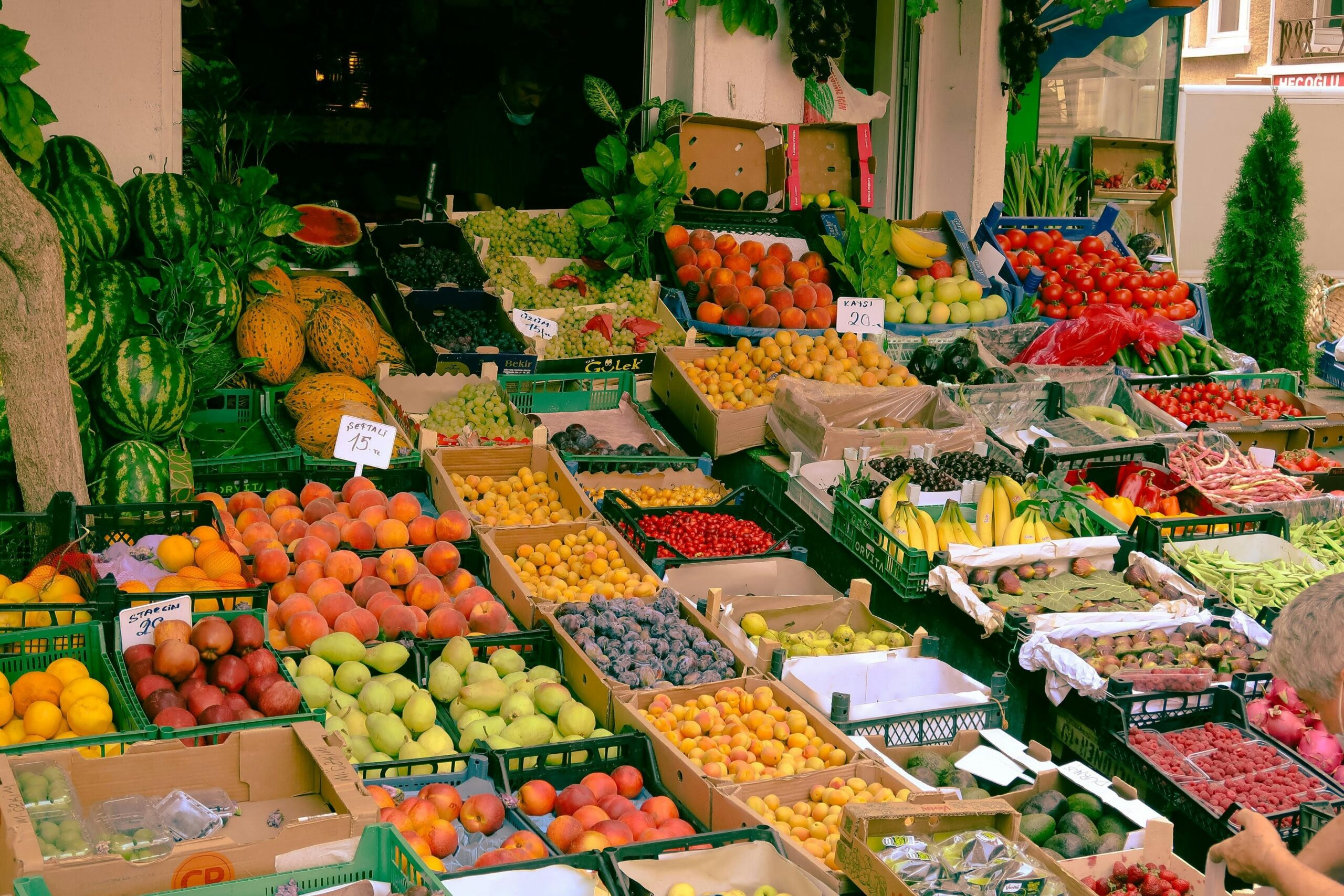
This is a practical guide to zero-point cooking for two people — written by someone who has lived the WW program through every program change for decades. Here is what makes this post different from every other zero-point roundup:
I have been a Weight Watchers member for more years than I want to admit — through every program change, every rebranding, every new zero-point food list update. I have watched the zero-point list grow from a handful of vegetables and lean proteins to the expansive 350+ food collection it is today. And through all of it, I have watched the same misconception trip people up every single time the program evolves.
Here it is, stated as plainly as I know how: Zero points does not mean zero calories. It does not mean free food. It does not mean eat as much as you want without consequence.
I am going to spend real time on this in a moment, because understanding it is the difference between making zero-point eating work for you and wondering why you are not losing weight despite ‘following the rules.’ But first, let me tell you what zero-point cooking actually is — and why, when you understand it correctly, it becomes one of the most powerful tools in your kitchen.
For the complete picture of how I approach WW-friendly cooking in a two-person household, visit my WW-Friendly Recipes Guide. And if you are building a high-protein approach alongside your WW plan — which I strongly recommend — see the High-Protein Recipes Guide.
Let me start with something WW itself acknowledges on its own website: zero-point foods are foods you do not need to assign points to, but they are not calorie-free. A grilled chicken breast is zero points. It is also 180–250 calories. A cup of fat-free Greek yogurt is zero points. It is also 130–150 calories. A medium banana is zero points. It is also approximately 100 calories. A cup of black beans is zero points. It is also 240 calories.
Eat all four of those things in one sitting and you have consumed 650–740 calories without tracking a single point. Your body does not know or care that the WW app assigned those foods a zero. It processes every calorie the same way.
Weight Watchers does not assign zero points to foods because they are calorie-free. It assigns zero points because these foods are nutritional powerhouses — high in protein, fiber, vitamins, and minerals — that most people will not and should not restrict. As we often say in meetings, “no one is here because they ate to many bananas”. LOL The zero-point designation is a behavioral tool designed to encourage you to build meals around these foods rather than tracking and rationing them the way you might track a cookie or a slice of bread.
The underlying goal: fill most of your plate with zero-point foods so that you are genuinely nourished and satisfied, and then spend your daily point budget on the things that add enjoyment — a drizzle of olive oil, a piece of bread, a glass of wine, a proper dessert — without having to white-knuckle through the whole day.
WW’s own guidance is to eat zero-point foods to ‘gentle satisfaction.’ That phrase is doing a lot of work. It does not mean eat until you are full. It does not mean eat unlimited quantities. It means eat a reasonable portion — the kind of portion you would have eaten before you knew the food was zero points — stop when you are comfortably satisfied, and move on.
The people who struggle with zero-point eating are almost always eating portions that are two to three times larger than they would have eaten otherwise, precisely because the food is ‘free.’ A serving of chicken becomes a whole roasted bird. A serving of Greek yogurt becomes an enormous bowl. A serving of fruit becomes an unlimited grazing session throughout the day. Every one of those choices is healthy on its own. In aggregate, they easily represent a calorie surplus — which is why the scale does not move despite perfect point tracking.
In 2025, Weight Watchers finally added what I thought was long needed: a way to track macro nutrients (including calories, protein, fiber, carbs, fat, saturated fats, added sugar and sodium). Now, you have a way to see exactly what your are inhaling in every category every day. Knowledge is power, and understanding what you are eating above and beyond points, is incredibly beneficial to healthy eating.
It might be zero points, but I track everything and that includes zero point foods. I make sure I know how much of a food I’m eating too. So, if I have 6 ounces of chicken breast (typically two servings) in one sitting, I account for it and it shows in my protein and calorie counts too. Make tracking a way of life and you learn so much about yourself, food and healthy nutrition.
| Zero-Point Food | Calories Per Serving | What ‘Gentle Satisfaction’ Looks Like |
|---|---|---|
| Chicken breast (skinless) | 165 cal per 4 oz | 4–6 oz — about the size of your palm |
| Fat-free Greek yogurt | 130 cal per cup | ¾ cup — about the size of a baseball |
| Eggs | 70 cal each | 2–3 eggs for most adults |
| Black beans | 240 cal per cup | ½ cup — a generous side portion |
| Banana | 100 cal each | 1 medium banana |
| Fresh strawberries | 50 cal per cup | 1–1.5 cups — a full bowl |
| Oatmeal (dry) | 150 cal per ½ cup | ½ cup dry — makes a full bowl cooked |
| Sweet potato (medium) | 130 cal each | 1 medium potato — about the size of a fist |
| Cottage cheese (fat-free) | 110 cal per ½ cup | ½ cup — a good-sized scoop |
| Salmon (skinless) | 180 cal per 4 oz | 4–6 oz — a standard fillet for one |
This table is not meant to discourage you from eating zero-point foods. It is meant to help you eat them with eyes open so that the program actually works. Zero-point foods are genuinely excellent choices. Eating them in realistic portions, built into satisfying meals, is the whole point.
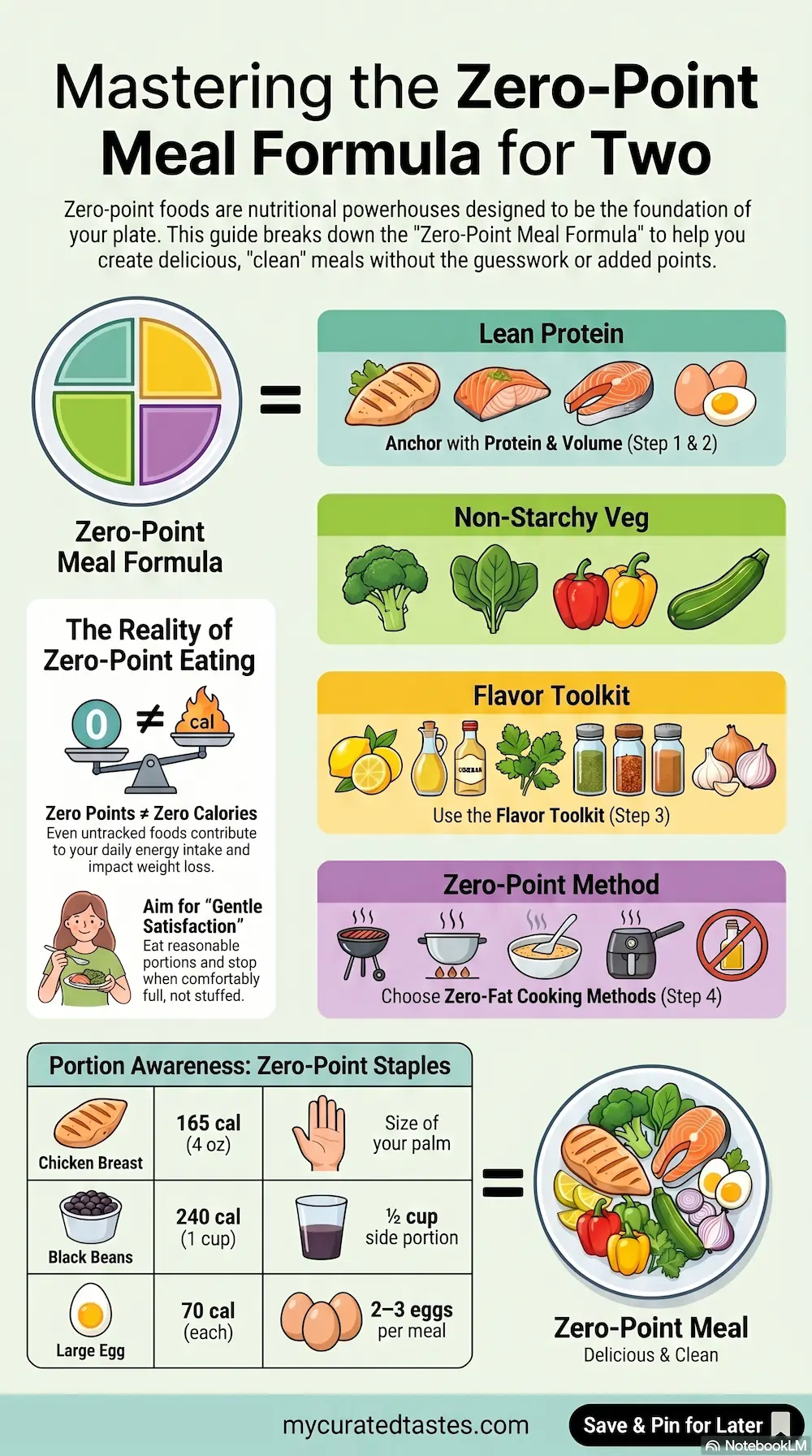
Here is the insight that changes how you approach zero-point cooking: you do not need individual recipes as much as you need a formula. Once you understand the formula, you can build a zero-point meal from whatever zero-point ingredients you have on hand — without looking anything up, without following a specific recipe, with complete confidence that the result will be zero points and genuinely good.
LEAN PROTEIN + NON-STARCHY VEGETABLES + FLAVOR TOOLKIT + ZERO-POINT COOKING METHOD = ZERO-POINT MEAL
Add fruit or starchy zero-point vegetables (oats, potatoes, sweet potatoes, corn) for breakfast or as a side.
Keep cooking fats out of the equation — or use cooking spray only — and the meal stays at zero.
Every zero-point meal starts with a lean protein as its foundation. This is what makes the meal genuinely satisfying rather than just a pile of vegetables. Your zero-point protein options in 2026 include:
Non-starchy vegetables are the volume element — they fill the plate, add fiber and micronutrients, and create visual satisfaction without adding points. All non-starchy vegetables are zero points on WW. The key is not to restrict them but to use them generously:
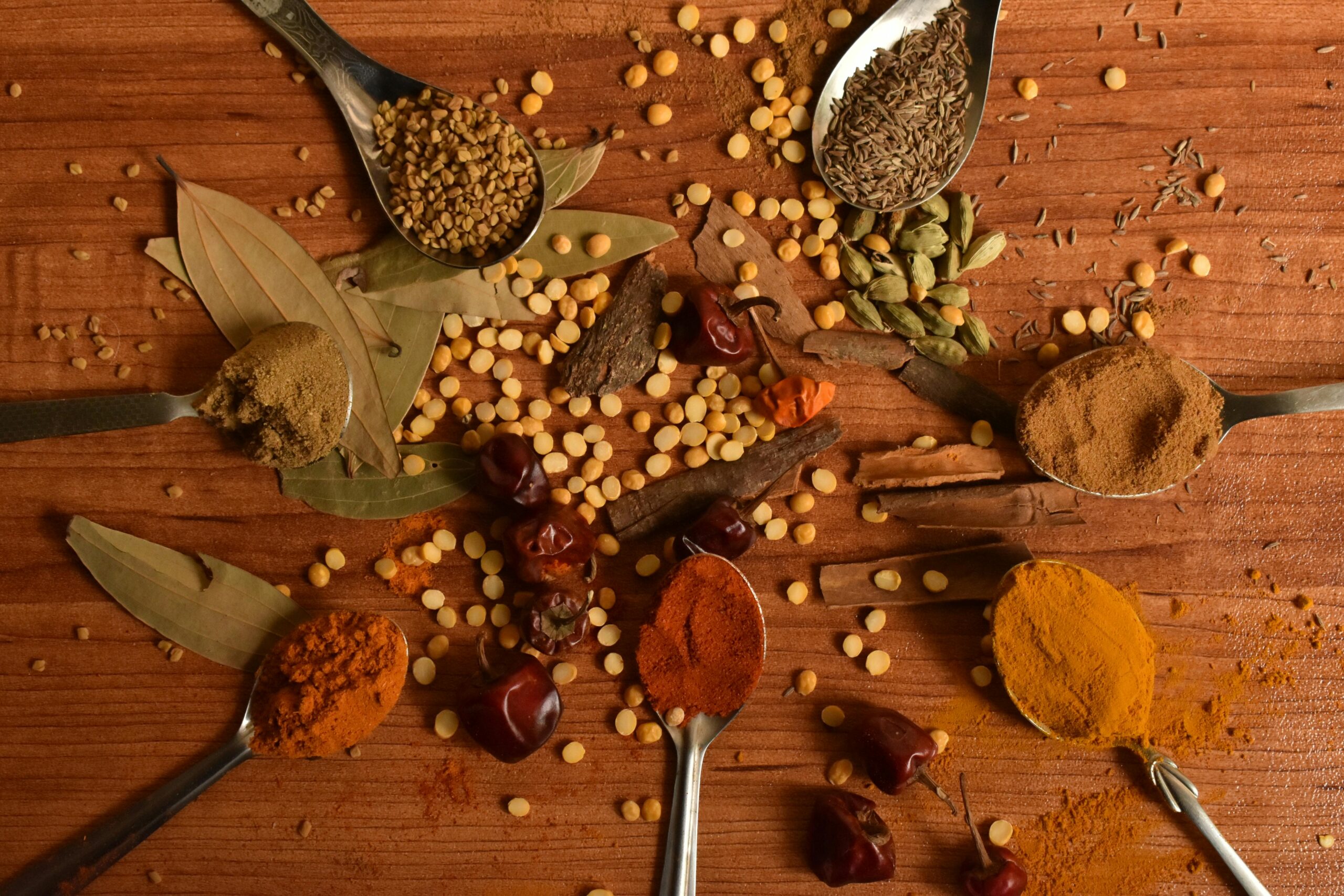
This is where most zero-point cooking fails. People assemble the protein and vegetables correctly, then panic about how to make it taste like something worth eating without adding oil, butter, or sauce. The answer is a flavor toolkit built from zero-point or negligible-point flavor makers:
Acids: Fresh lemon juice, fresh lime juice, apple cider vinegar, white wine vinegar, red wine vinegar, balsamic vinegar (check your brand — most are zero or near-zero at 1 tablespoon), rice wine vinegar. Acids are the single most powerful flavor tool in zero-point cooking. A squeeze of fresh lemon over grilled fish transforms it. A splash of red wine vinegar in a salad makes dressing unnecessary.
Fresh Herbs: Basil, cilantro, parsley, mint, dill, thyme, rosemary, oregano, tarragon, chives, scallions. Fresh herbs add color, aroma, and flavor complexity that cooked food desperately needs. I keep a mix of fresh herbs growing in pots on my kitchen windowsill — they are the ingredient that turns a meal from ‘fine’ to genuinely good.
Dry Spices and Seasonings: Cumin, smoked paprika, garlic powder, onion powder, chili powder, coriander, turmeric, Italian seasoning, herbes de Provence, everything bagel seasoning (homemade with seeds for extra nutrition), za’atar, Chinese five spice, curry powder. These are all zero points. They are the entire flavor engine of zero-point cooking.
Aromatics: Fresh garlic, fresh ginger, fresh chili peppers. Minced or sliced and used to season the protein before cooking, these add depth that no bottled sauce can match.
Condiments (use carefully): Hot sauce (most are zero points — check the label), mustard (zero or near-zero), salsa (most are zero points — check for added sugar), lemon zest, lime zest. These should finish a dish, not saturate it. WARNING: condiments can be dangerous…LOL. BBQ sauce, Hoisin Sauce, Duck Sauce, etc. are loaded with sugar, additives and calories and are NOT zero points. They also tend to be over processed, so when eating a zero point meal, or eating clean, those will be off limits.
Citrus zest: One of the most underused tools in home cooking. The zest of a lemon or lime contains intensely concentrated citrus flavor with essentially no calories. Grated over fish, chicken, or vegetables, it elevates the entire dish. NOTE: I use oranges, clementines and grapefruit the same way. All citrus works!
This is the element of zero-point cooking that most guides do not address explicitly: the way you cook your food determines whether a meal stays at zero points or accidentally picks up points from added fat. The following cooking methods keep everything on the right side of the ledger:
Frying or sautéing in oil or butter — even a tablespoon of olive oil adds 4 points. Braising in cream or full-fat coconut milk. Roasting with oil. Pan-searing with butter. Adding these to otherwise zero-point ingredients is not wrong — it is often delicious — but it makes the dish no longer zero points. Know the line and choose consciously. REMEMBER: nothing is off limits on a Weight Watcher plan, but if you are looking to do a zero-point meal, stick with the methods noted in element 4 and skip the butter and oil.
Here is a reframe that I find genuinely useful: zero-point cooking on WW is, at its core, essentially what the wellness world calls ‘eating clean.’ It is whole, minimally processed food cooked simply, with real ingredients, without manufactured sauces, without added sugars, without refined oils doing all the flavor work.
The ‘clean eating’ movement and WW’s zero-point philosophy arrive at the same place from different directions. Clean eating says: eat food as close to its natural state as possible, cook it simply, flavor it with herbs and spices and acids rather than with processed condiments and heavy sauces. WW’s zero-point list says: these foods do not need to be tracked because they are nutritionally dense, minimally processed, and foundational to a healthy diet.
NOTE: Here is where I deviate from WW. I still track it, measure and weigh it so I can see everything going in my body and to ensure I hit my protein goals for the day. It is still zero-points if I track, and I want to see how many calories, etc. I’ve consumed. FYI: Just hit 4 1/2 years of tracking every single meal, every single day! Don’t want to break my streak!!!
The flavor toolkit — lemon, vinegar, fresh herbs, dry spices — is the same toolkit used by clean eating cooks, Mediterranean diet followers, and professional chefs who are focused on letting ingredients speak for themselves. A grilled salmon fillet with fresh dill, a squeeze of lemon, and a pile of steamed asparagus is zero points on WW. It is also a meal you would find in a high-end restaurant. It is also what a clean eating nutritionist would serve. These three food philosophies, pointing at the same plate.
Yes. Not because the food is restriction and sacrifice, but because the food is genuinely delicious when cooked well. The mistake most people make with zero-point eating is treating it as a punishment — plain, unseasoned, boring food endured in service of a number on the scale. That approach fails every time, for every person, without exception.
The version that works — and that I have been cooking for over a decade — is zero-point food cooked with real technique and real flavor: charred on a grill, seasoned with a spice blend I made myself, finished with fresh herbs I grew on my windowsill, acidified with a squeeze of lemon that brightens everything. That is not deprivation food. That is dinner. How do you think this blog came to be? I was serving healthy, protein rich, Weight Watcher meals and no one ever said, “is this diet food”. And I don’t dodge dessert either…I embrace it and look forward to it every day. Be sure to check out my WW-friendly desserts that actually satisfy.
Cooking zero-point meals for two is actually easier than cooking them for a family of four or six. Here is why:
For more on the philosophy and technique of cooking for exactly two, visit the Complete Guide to Cooking for Two.
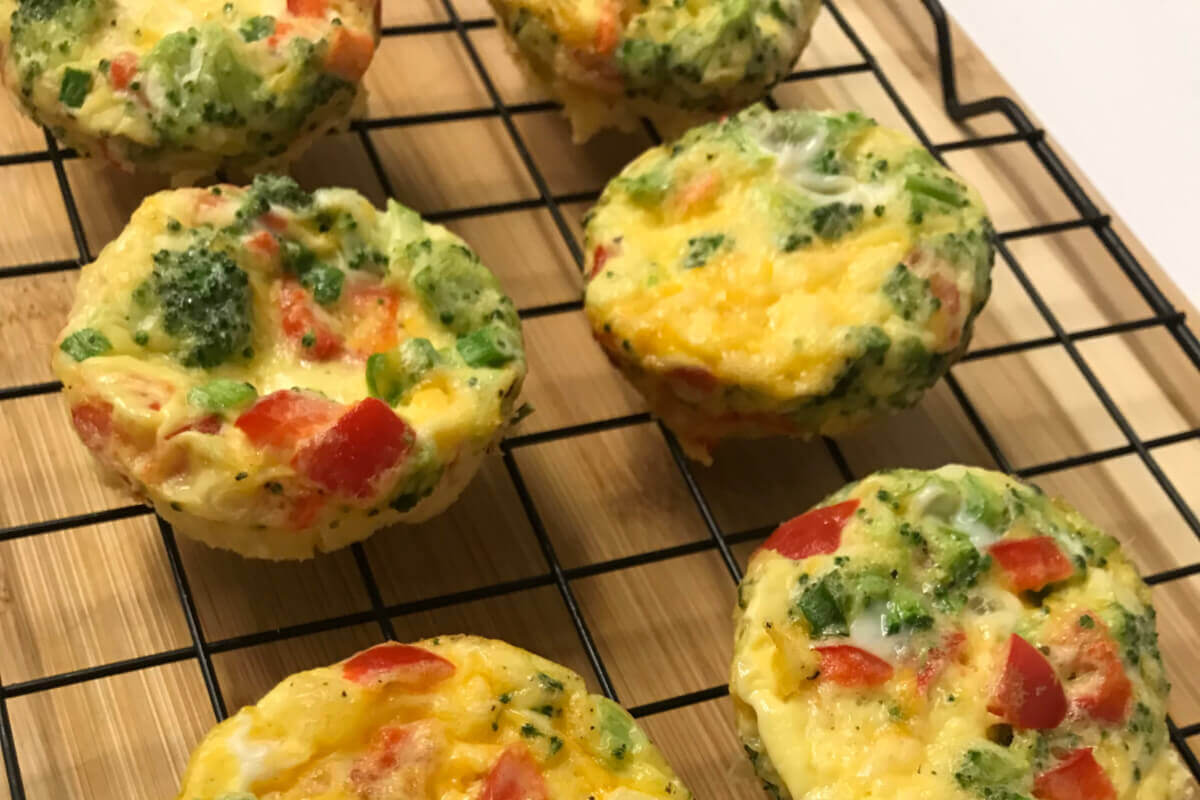
Every idea below follows the Zero-Point Meal Formula: lean protein + non-starchy vegetables + flavor toolkit + zero-point cooking method. All are sized for two servings.
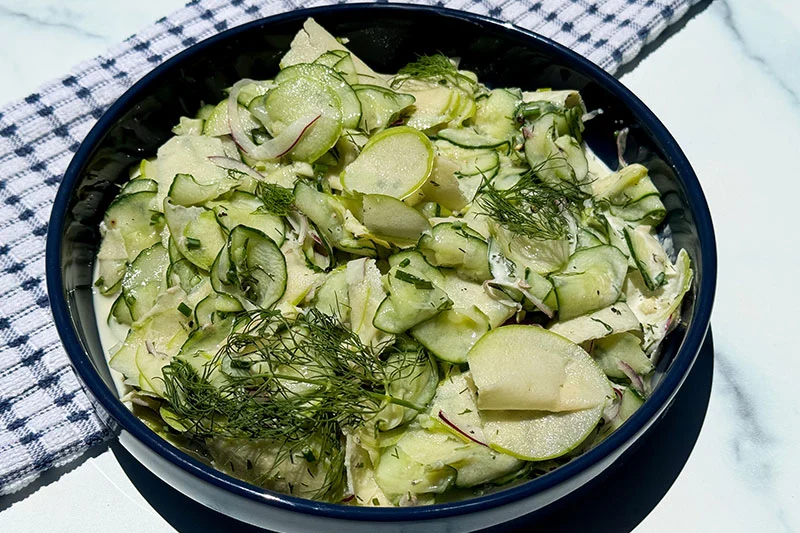
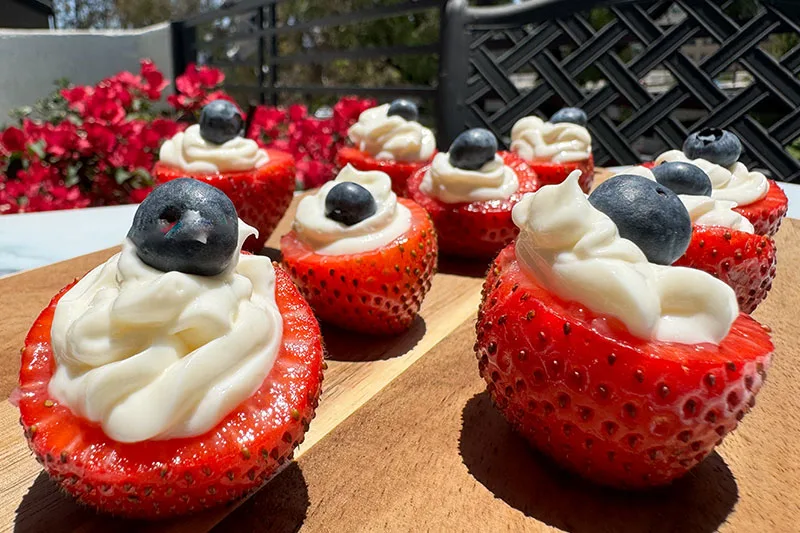

Try these Sugar-Free Meringue Cookies. Made with egg whites and a sugar substitute, these delicate cookies are genuinely zero points on WW — a perfect example of a treat that satisfies the sweet tooth without breaking your daily budget. They also prove the point I make below in the FAQ: a truly zero-point dessert does exist. It just takes the right ingredients and approach.
Here is what a real zero-point day looks like for two people — not a punishing restriction plan, but a genuinely satisfying day of eating built entirely from the formula:
| Meal | What It Is | Why It Works |
|---|---|---|
| Breakfast | Two-egg scramble with spinach, cherry tomatoes, garlic, and fresh basil. One cup fat-free Greek yogurt with fresh berries on the side. | Protein from eggs and yogurt keeps you full until lunch. Volume from the vegetables. Sweetness and vitamins from the fruit. Flavor from the garlic and fresh basil. |
| Lunch | Shredded chicken (leftover from last night or rotisserie) over a big bowl of mixed greens, cucumber, cherry tomatoes, red wine vinegar, fresh parsley, and cracked black pepper. | High protein from the chicken. Maximum volume from the salad. The vinegar makes dressing unnecessary. |
| Snack | One apple. Two hard-boiled eggs with everything bagel seasoning. | Fruit for sweetness and fiber. Eggs for protein between meals. |
| Dinner | Grilled salmon with lemon zest, fresh dill, and a squeeze of lemon. Steamed asparagus with garlic and lemon juice. Baked sweet potato. | Complete, satisfying dinner. Lean protein, vegetables, a starchy zero-point carb for genuine fullness. |
| After Dinner | One baked cinnamon apple with a sprinkle of cinnamon. | Sweet, warm, genuinely satisfying. Zero points. |
This is not a day of deprivation. It is a day of real, satisfying food — protein at every meal, plenty of volume, genuine flavor, and a sweet finish. It is also entirely zero points, which means your full daily point budget is available for whatever you want to add: a drizzle of olive oil on the salad, a glass of wine with dinner, a piece of bread, a piece of dark chocolate or whatever brings you joy. That is the program working exactly as intended.
The 2025/2026 WW program includes 350+ zero-point foods. The main categories are: all non-starchy vegetables; all fruits (except avocado, plantains, olives, and a few others — check the app); lean proteins including skinless chicken and turkey, all fish and shellfish, eggs, fat-free Greek yogurt, fat-free cottage cheese, tofu, tempeh, beans, lentils, and chickpeas; whole grains including oatmeal; starchy vegetables including potatoes, sweet potatoes, and corn; and certain lean cuts of beef and pork (new additions in 2025). The diabetic WW plan has a different, more restricted zero-point list. Always verify current zero-point status in the WW app, as the list is updated periodically.
No. Zero points means you do not have to track these foods, not that they are calorie-free or unlimited. WW’s own guidance is to eat zero-point foods to ‘gentle satisfaction’ — a realistic portion size that leaves you comfortably full, not overfull. A grilled chicken breast is zero points but still contains 165–250 calories depending on size. A cup of black beans is zero points but contains 240 calories. Eating large amounts of zero-point foods can absolutely stall weight loss because your body processes every calorie regardless of its point value. The zero-point designation is a behavioral tool to encourage healthy food choices, not a license for unlimited eating.
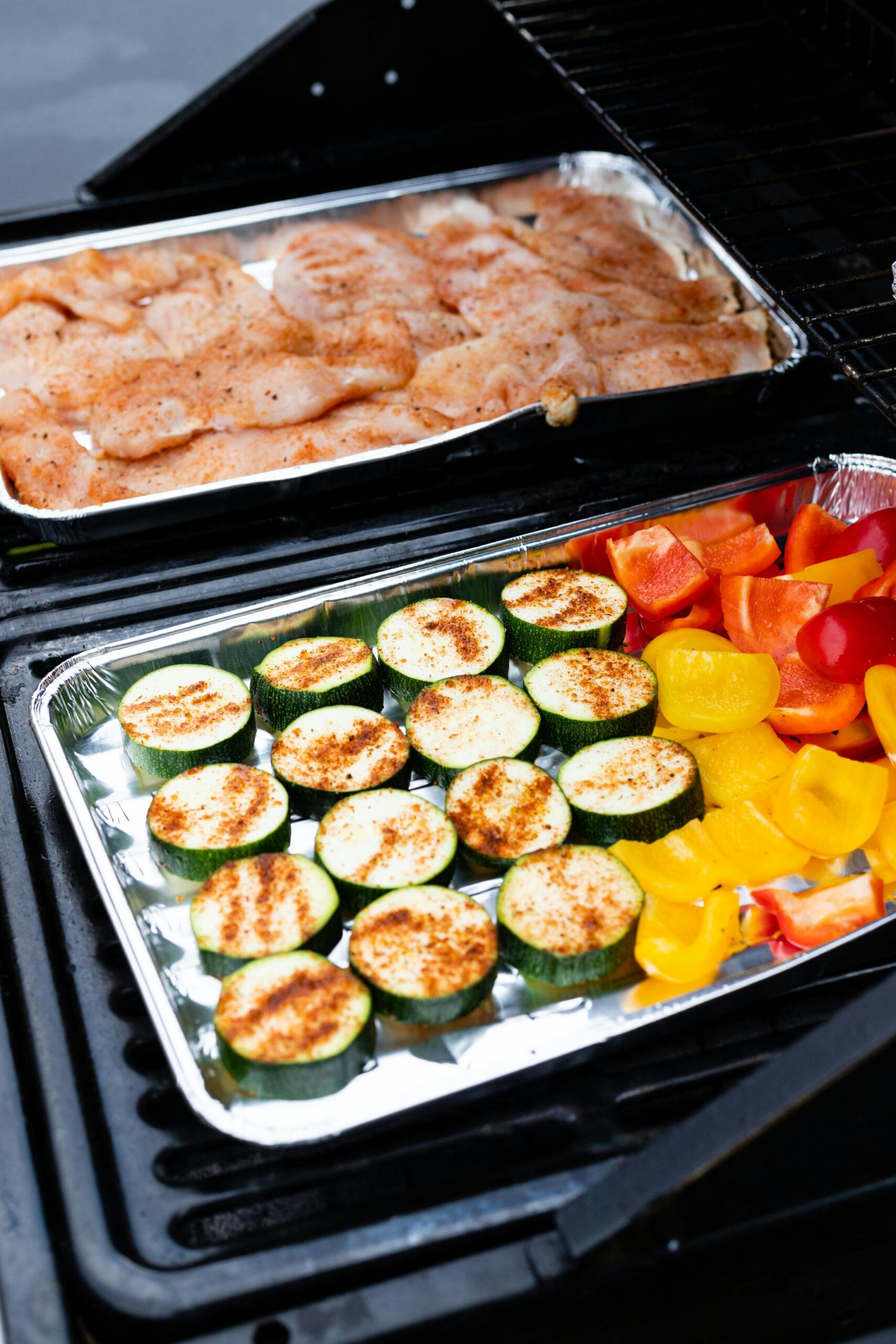
Yes, absolutely. The Zero-Point Meal Formula makes this straightforward: lean protein + non-starchy vegetables + a flavor toolkit of herbs, spices, acids, and aromatics + a zero-point cooking method (grilling, baking, steaming, broiling, poaching) = zero-point meal. A grilled chicken breast seasoned with smoked paprika, garlic powder, and cumin, served over steamed broccoli and zucchini with a squeeze of lemon and fresh parsley — every component is zero points. The key is using the flavor toolkit aggressively to create genuine satisfaction without adding oil, butter, or sauces with point values.
The cooking methods that reliably keep food at zero points are: grilling (no added fat needed), baking on parchment paper or a silicone mat, steaming, broiling, poaching in broth or water with aromatics, air frying with a light cooking spray, and dry sautéing in a nonstick or well-seasoned cast iron pan with water or broth instead of oil. The methods that add points are frying in oil or butter, sautéing with oil, and braising in cream or high-fat liquids. Cooking spray adds negligible points at typical use levels — effectively zero.
The answer is the flavor toolkit: fresh acids (lemon juice, lime juice, vinegars), fresh herbs (basil, dill, cilantro, parsley, thyme), dry spices (smoked paprika, cumin, garlic powder, Italian seasoning, za’atar, curry powder), aromatics (garlic, ginger, shallots, fresh chili), and citrus zest. These ingredients are all zero points or negligible points and they are the actual flavor engine of zero-point cooking. A squeeze of fresh lemon over grilled fish replaces butter. A spice rub on chicken before grilling replaces marinade. Fresh herbs stirred into a cooked vegetable dish replace a cream sauce. The food does not need fat to taste good — it needs acid, salt, and aromatics, all of which are available at zero points.
Largely yes. Both zero-point WW cooking and clean eating philosophy emphasize whole, minimally processed foods; lean proteins; abundant vegetables and fruit; whole grains; and flavor from herbs, spices, and acids rather than from processed condiments, heavy sauces, or added fats. Both discourage ultra-processed foods, added sugars, and excessive saturated fat. The main practical difference is that WW’s zero-point system provides a specific framework (a defined food list, points tracking for non-zero foods) while clean eating is more loosely defined. But if you are cooking zero-point WW meals, you are eating clean — the two are essentially describing the same plate from different angles.
The formula approach is your answer: because zero-point meals are built from a formula rather than fixed recipes, you can vary every element to create a completely different meal each day. Change the protein (chicken today, salmon tomorrow, shrimp the day after). Change the vegetables (broccoli, then asparagus, then zucchini, then a mixed salad). Change the flavor toolkit (Italian herbs today, Mexican spices tomorrow, Asian-inspired ginger and rice vinegar the day after). Change the cooking method (grilled one night, baked the next, steamed after that). With 350+ zero-point foods and a flexible formula, you can eat differently every day for months without any repetition. The two-person advantage: cooking for two means small quantities, which means you can try something new every single night without committing to a large batch.
The most common reason is portion size. Zero-point foods are not calorie-free, and eating large portions of them can create a calorie surplus even while staying within your daily point budget. A ‘zero-point’ meal that includes 8 ounces of chicken, a large bowl of beans, and unlimited Greek yogurt throughout the day may contain 800–1,200 untracked calories. WW’s guidance to eat to ‘gentle satisfaction’ is the key correction: eat a realistic, normal portion of each zero-point food and stop when comfortably satisfied, not when overfull. If you have been eating large portions of zero-point foods and not seeing results, try measuring your protein servings (4–6 ounces per serving), monitoring your portions of high-calorie zero-point foods like beans, and eating slowly enough that your satiety signals can register before the plate is empty.
The best zero-point meals for two are those that take advantage of the two-person scale: smaller proteins that cook faster and more evenly (two salmon fillets versus a full side of fish), single portions of vegetables that require no leftovers, and the flexibility to cook something different every night without large-batch commitment. Ideal two-person zero-point meals include: grilled salmon fillets with lemon and herbs (cooks in 8–10 minutes), shrimp stir-fry with any vegetables you have on hand (ready in 10 minutes), baked chicken thighs with a spice rub (30 minutes hands-off in the oven), a big composed salad with shredded chicken and a vinegar dressing, and a veggie-loaded egg scramble for dinner when you need something fast. Each of these works perfectly for exactly two servings with no waste. See the full collection on this page for more ideas, and visit the Complete Guide to Cooking for Two for the complete two-person cooking framework.
A genuinely zero-point dessert absolutely exists. The secret is using zero-point ingredients creatively: fruit-based desserts (baked cinnamon apple, fresh berry bowl, frozen banana ‘nice cream’ made from blended frozen banana), egg-white-based treats (meringue cookies made with sugar substitute and egg whites deliver actual satisfaction at zero points — see the recipe on this site), and fat-free Greek yogurt with berries and cinnamon layered like a parfait. The Sugar-Free Meringue Cookies on this site are a genuine zero-point WW treat — light, crispy, sweet, and made from just egg whites and sugar substitute. They prove that treating yourself on WW does not have to mean spending points. As more zero-point recipes are developed for this site, they will be added to the dessert section above.
Frame it as eating clean or eating real food. Zero-point WW cooking is whole, minimally processed food — lean proteins cooked simply, abundant vegetables, fruit, whole grains — flavored with herbs, spices, lemon, and vinegar rather than manufactured sauces or heavy fats. If someone is not a WW member but wants a framework for healthier eating, the zero-point food list is an excellent starting point for building a whole-food diet. They do not need to track points to benefit from the philosophy: build meals around lean protein and vegetables, flavor with the toolkit, and cook with methods that do not add unnecessary fat. The WW zero-point list was designed based on national and international nutrition guidelines — it is not a diet gimmick. It reflects what nutrition science has consistently recommended for decades: eat whole food, mostly plants, lean protein, not too much fat.
You do not need to redesign your entire approach to eating to start using zero-point meals effectively. You need one meal tonight.
Open your refrigerator. Find the leanest protein in there — chicken, fish, eggs, leftover shrimp, whatever you have. Find the vegetables — any of them. Season the protein with whatever spices you have on hand. Squeeze a lemon over everything. Grill it, bake it, or steam it. Top with fresh herbs if you have them.
That is the formula. That is zero-point cooking. That is also, not coincidentally, a genuinely good dinner.
As I develop more zero-point recipes specifically for two people, I will be adding them to this collection — in each category above, linked directly from this post. Subscribe to the newsletter to be notified when new zero-point recipes go live. And in the meantime, visit the WW-Friendly Recipes Guide for the full picture of how I approach Weight Watchers cooking — not as a restriction plan, but as a philosophy for eating real food, well.

Hi! I’m Diane. I started this site as a passion project. I love to cook, entertain, travel and laugh. (Who doesn’t love a good laugh?) Of course, being from New York, sarcasm rules!
More About Diane
mycuratedtastes@gmail.com