What is a limequat and how does it taste?
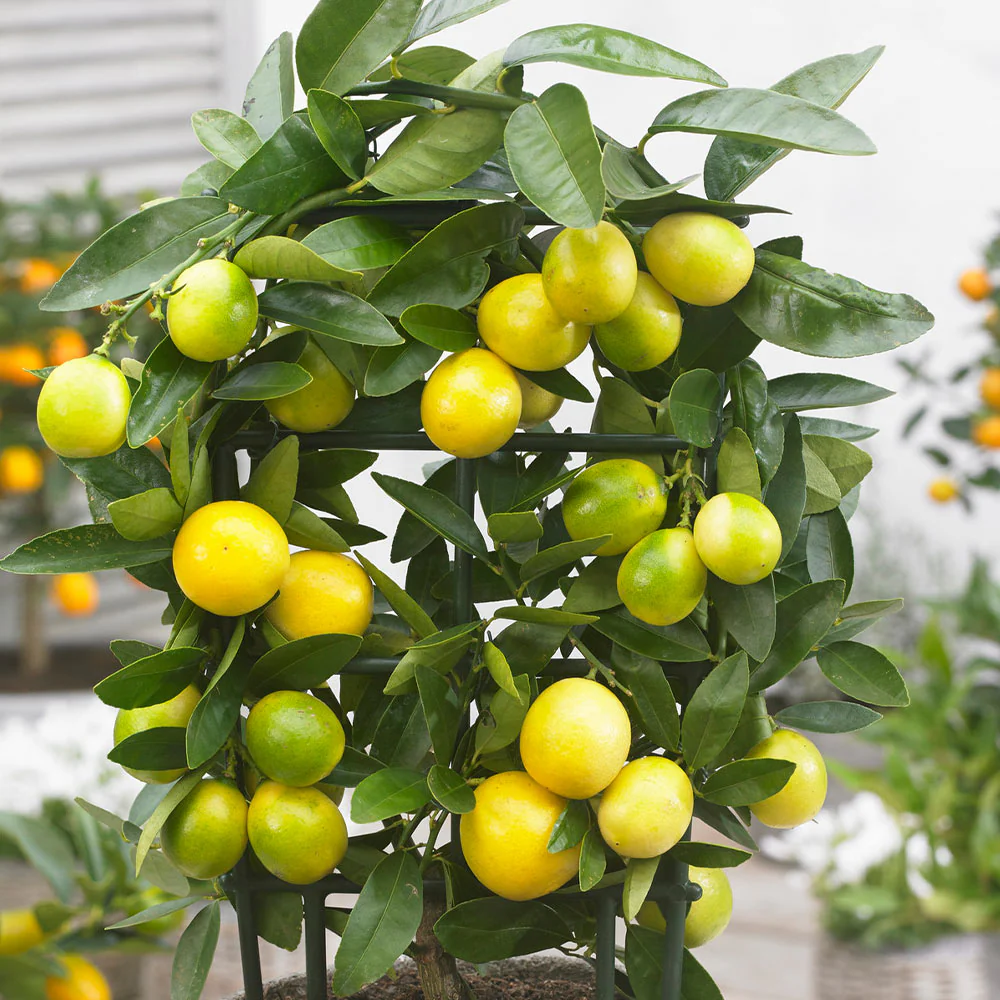
A limequat is a hybrid citrus fruit — a cross between a Key lime and a kumquat, first developed in 1909 by botanist Walter Tennyson Swingle. The flavor is bright, tart, and subtly sweet, with a complexity that a regular lime simply can’t match. The peel is edible and slightly sweet (like a kumquat), while the flesh delivers classic zesty lime acidity. In this martini, the result is a gorgeous balance of sour, sweet, and aromatic citrus notes.
Where can I buy limequats?
Limequats are seasonal, typically available from November through March. Look for them at specialty grocery stores like Whole Foods, Sprouts, and Trader Joe’s, as well as local farmers markets and Asian grocery stores during winter months. Some online specialty produce retailers also ship fresh limequats during peak season.
Can I substitute regular limes if I can’t find limequats?
Yes, though the flavor will be different. Limequats are sweeter and more aromatic than a standard Persian lime. For the closest substitute, use fresh-squeezed Key lime juice and increase your simple syrup slightly to account for the missing natural sweetness from the limequat peel. It will still make a delicious cocktail — just a different one.
How do I juice a limequat?
Limequats are small — about the size of a large grape — so you’ll need several to get enough juice. Roll them firmly on the counter to loosen the juice, slice in half crosswise, and squeeze by hand or with a small citrus press. Remove seeds before juicing. It typically takes about 5–6 limequats to yield 0.75 oz of fresh juice for one cocktail.
Why do I need to remove the seeds?
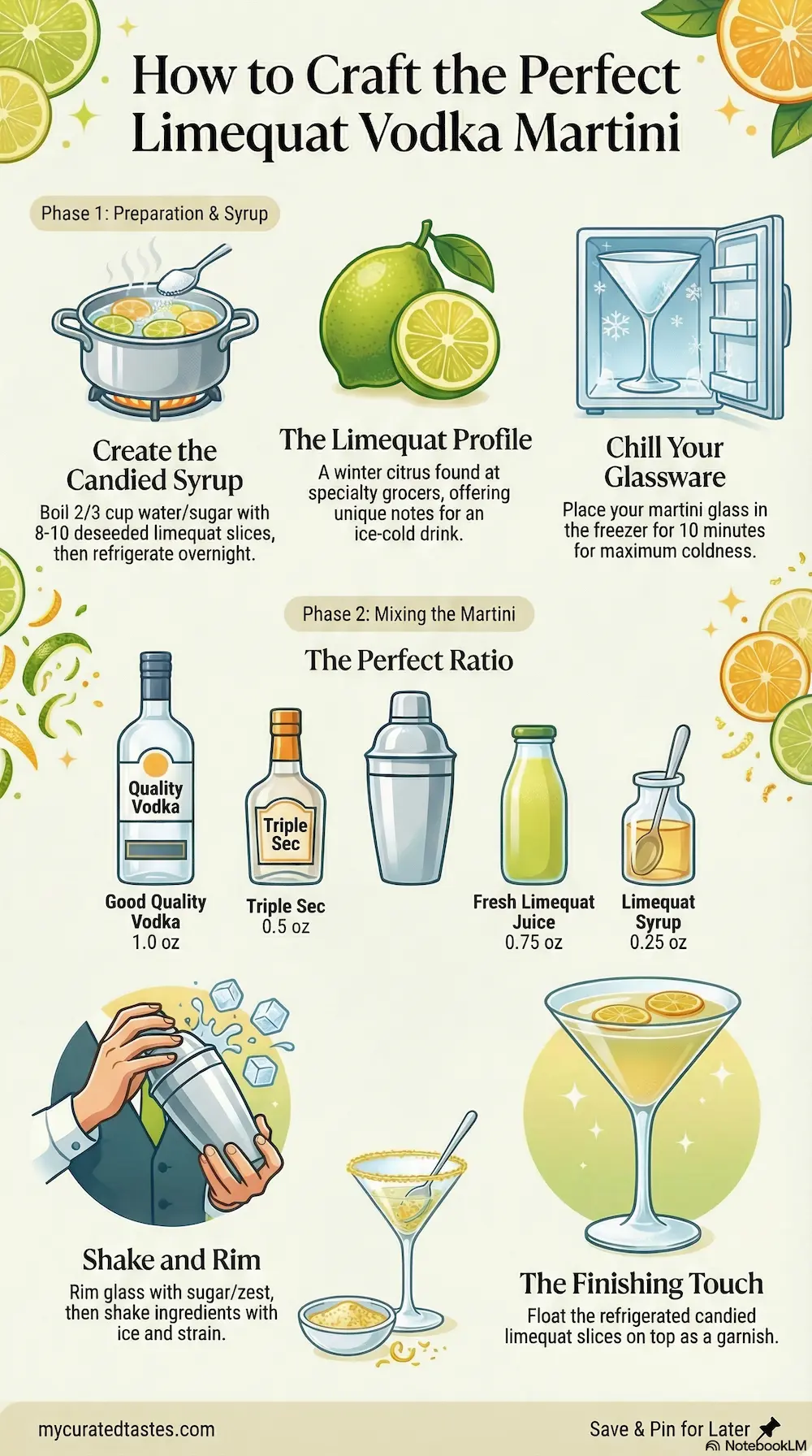
Limequat seeds contain bitter compounds that transfer into both the syrup and the juice. Unlike the peel, which is sweet and completely edible, the seeds are the one part of the limequat you want to discard. Take care to remove them as you slice, especially when making the simple syrup, since the seeds will steeps in the hot liquid and amplify bitterness throughout the batch.
What is the best vodka to use?
Because this is a straight-up martini with delicate citrus flavors, the quality of your vodka genuinely matters. Choose a clean, smooth vodka with minimal burn — Grey Goose, Belvedere, Ketel One, and Tito’s Handmade Vodka all work beautifully. Avoid heavily flavored vodkas, which will compete with the limequat. Citrus-forward vodkas like Absolut Citron can be a fun variation, but the classic recipe is best showcased with a premium unflavored spirit.
What can I use instead of triple sec?
Triple sec adds orange brightness and a touch of sweetness. Great substitutes include Cointreau (slightly higher quality, cleaner orange flavor), Grand Marnier (adds a richer, cognac-forward note), or Combier (a classic French triple sec with lovely floral citrus notes). For a lighter version, a small splash of fresh-squeezed orange juice plus a dash of simple syrup also works.
How do I properly chill my martini glass?
Place your martini glass in the freezer for 10–15 minutes before serving. Alternatively, fill the glass with ice water while you shake the cocktail, then dump it out just before pouring. A properly chilled glass keeps the martini cold longer and makes a dramatic difference in the overall experience. Never skip this step for a straight-up martini.
How long should I shake the martini?
Shake hard for 15–20 seconds over ice. You want the shaker to become uncomfortably cold to hold — that’s your cue that the drink is properly chilled and slightly diluted (in a good way). Strain immediately to avoid over-dilution.
Can I make a pitcher of these for a party?
Absolutely! Multiply the ingredient amounts by your desired number of servings and combine everything in a pitcher. Refrigerate for at least 2 hours until very cold. Do NOT add ice to the pitcher — it will dilute the cocktail over time. Instead, pour individual servings over ice in a shaker, shake briefly, and strain to order. The pre-mixed base will keep refrigerated for up to 24 hours.
Can I make a mocktail version?
Yes! Replace the vodka with sparkling water or premium tonic water, and swap the triple sec for a splash of fresh orange juice. Use the same limequat juice and limequat syrup. Serve in a chilled, sugar-lime-zested martini glass with the candied limequat garnish for the full elegant presentation. It’s just as festive without the alcohol.
What food pairs well with a limequat martini?
The bright, citrus-forward flavor pairs beautifully with seafood (shrimp cocktail, oysters, ceviche, smoked salmon crostini), light appetizers (goat cheese bruschetta, herbed ricotta crostini), Asian-inspired bites (dumplings, spring rolls, edamame), and anything with a touch of spice. It also works wonderfully as an aperitif before dinner — the citrus stimulates the appetite without overwhelming the palate.
How is a limequat martini different from a lemon drop or lime drop martini?
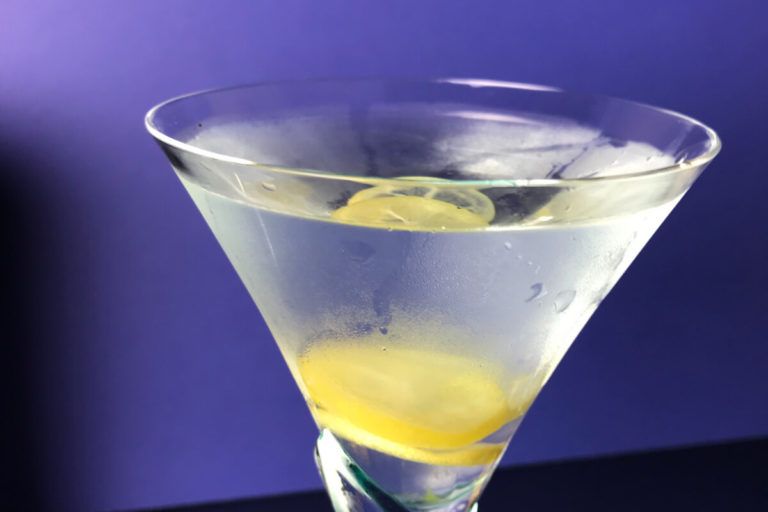
While a lemon drop or lime drop uses standard citrus juice and simple syrup, this limequat martini uses fresh limequat juice plus a housemade limequat syrup infused with the actual fruit slices. This gives the cocktail a more layered, aromatic flavor with natural sweetness from the fruit peel — something no bottled mixer can replicate. The candied limequat garnish also gives it a stunning presentation that sets it apart from any standard citrus martini.
How is a limequat different from a Key lime?
A limequat has an edible sweet peel, can be eaten whole, is small and oval-shaped, and has a sweeter, more aromatic flavor profile. A Key lime has an inedible bitter peel, more intense acidity, and is primarily juice-focused. In cocktails, limequats offer a more complex, layered citrus flavor that is more nuanced than Key lime alone.
Is this martini very strong?
This recipe uses 1 oz of vodka and 0.5 oz of triple sec, making it lighter than a traditional 2–3 oz spirit-forward martini. It’s designed as a well-balanced, flavorful cocktail where the limequat shines alongside — not behind — the spirit. For a stronger version, increase the vodka to 1.5–2 oz and reduce the syrup slightly. For a lighter option, use 0.75 oz of vodka and add a splash of sparkling water.
Can I use bottled lime juice instead of fresh limequat juice?
No — and this matters. Bottled lime juice contains preservatives and lacks the volatile aromatic compounds that give fresh citrus its brightness. In a martini where the limequat is the star, fresh juice is non-negotiable. The difference between fresh and bottled in a cocktail this simple is dramatic and immediately noticeable.
 Add Us As A Trusted Google Source