My Curated Tastes is reader-supported. When you buy through links on our site, we may earn an affiliate commission at no extra cost to you. As an Amazon Associate I earn from qualifying purchases.

Testimonial

“So good! I even used some of the leftover sauce and veggies in a scrambled egg concoction the next day!” ~ Ed

How to make Minnesota beef stew

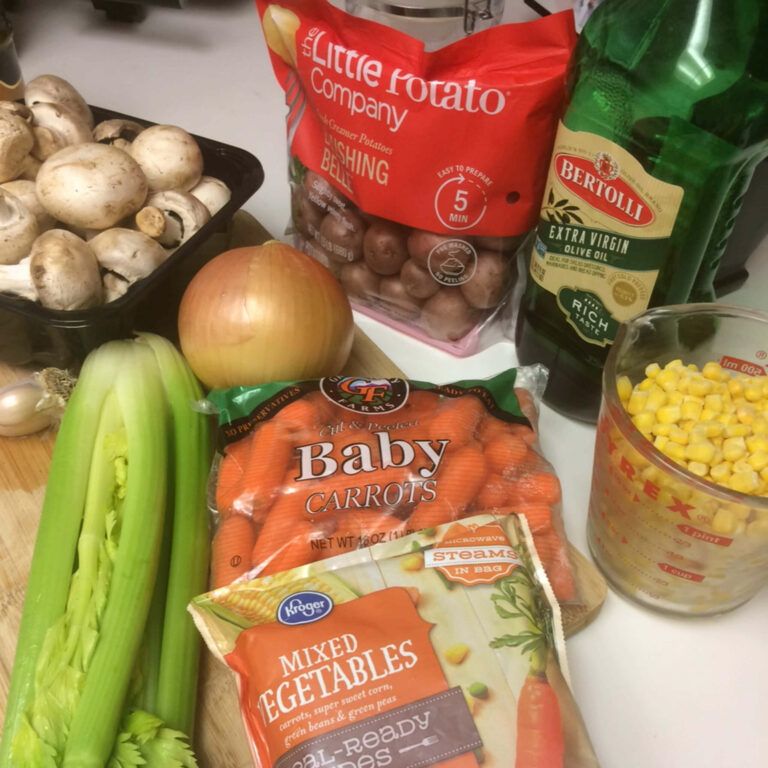
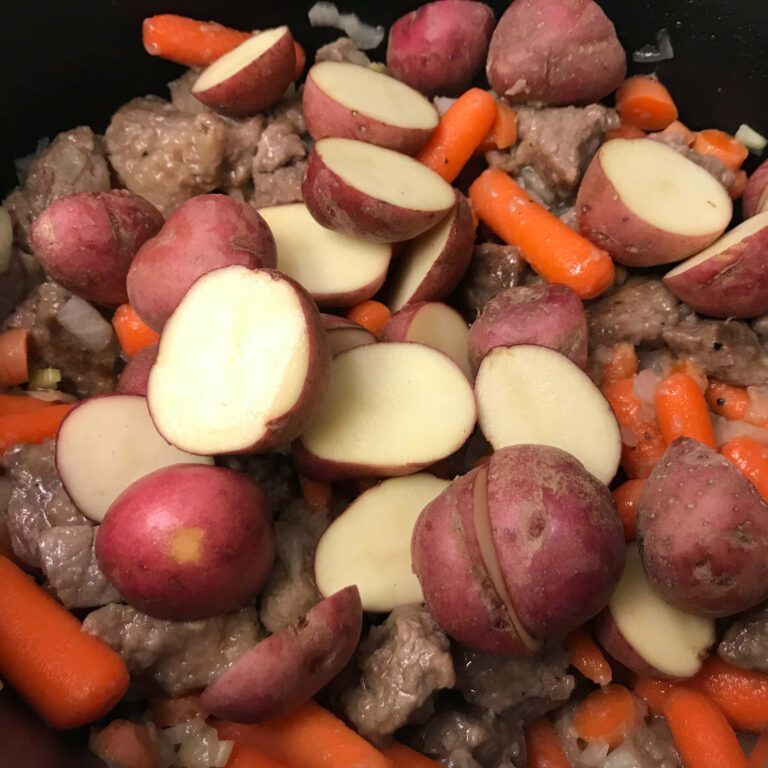
  • To get started, pull together all your ingredients.  I prep my vegetables first:  chop your carrots, celery and onion.  Finely mince your garlic. Cut your potatoes and peel and cut your carrots if you aren’t using baby carrots.  I’ll grab a bag of those baby carrots in the produce department to save some time.  Cut your mushrooms in half or slice them.  Another time saver is to buy the mushrooms already sliced.  Beef mushroom stew is a delicious mix and I’ll often add a lot more mushrooms to really increase that flavor.  That’s what makes this stew recipe so great.  It is very versatile and you can add, remove or swap any veggies you like. So keep that in mind when checking what you have on hand.
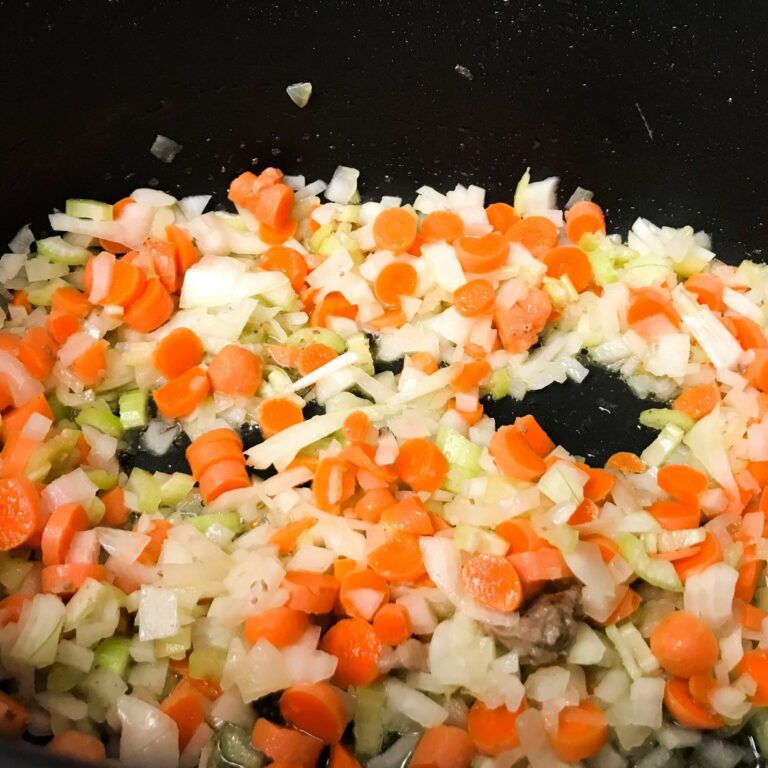
  • Once you are done browning the meat, add a tablespoon of olive oil IF NEEDED.  It there is still oil in the pot, there is no need to add more.  Add the chopped celery, chopped carrots and celery to the same pot.  Stir to coat in the drippings.  Let cook for several minutes until the veggies start to soften.  Add in the garlic and stir into the mix.  Cook one minute.
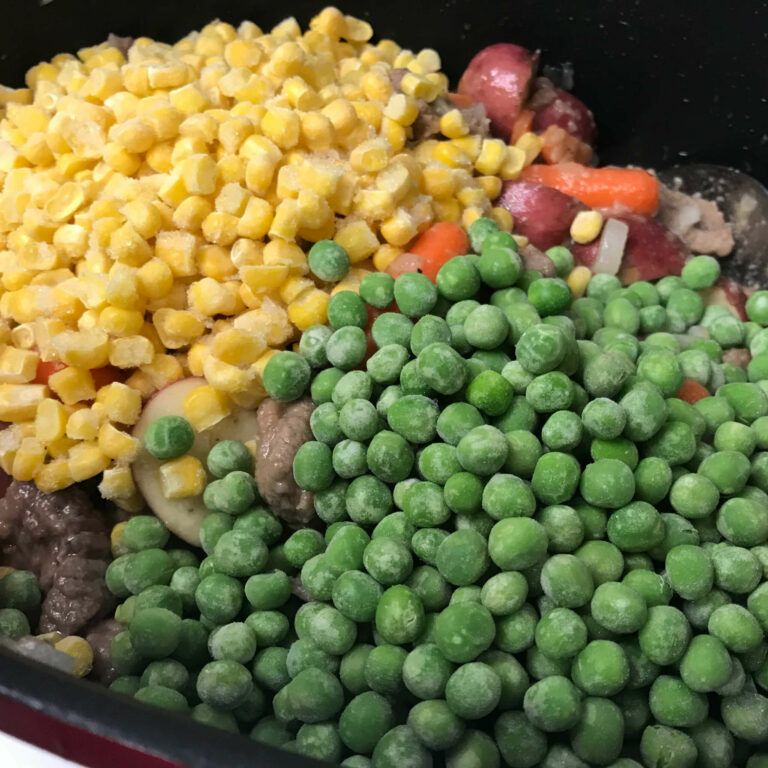
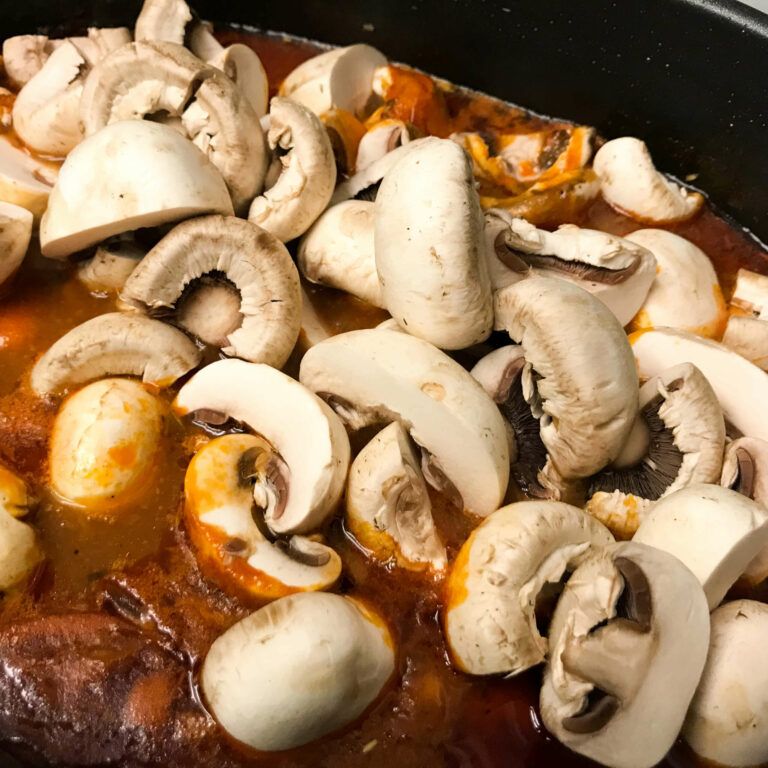
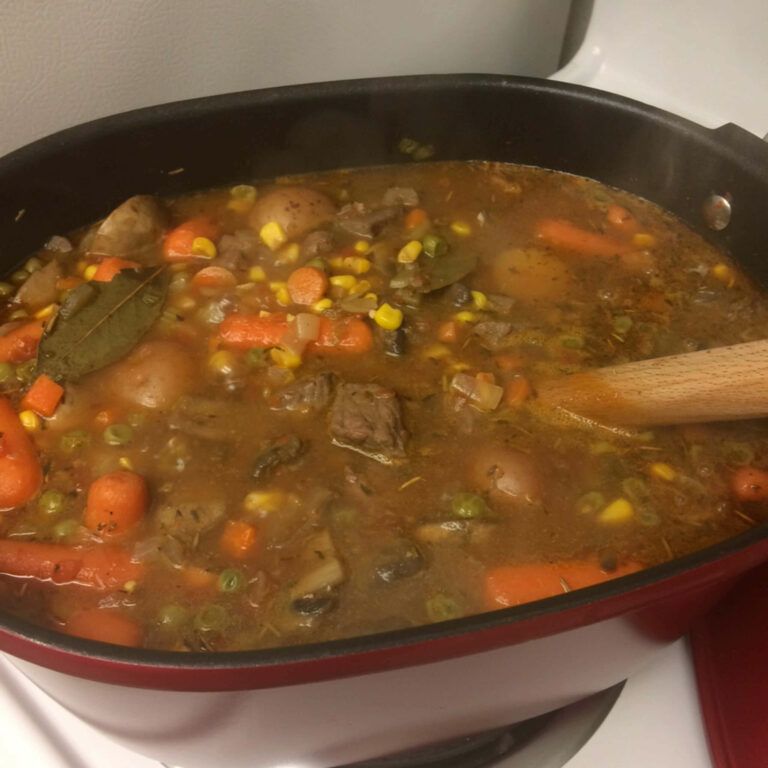
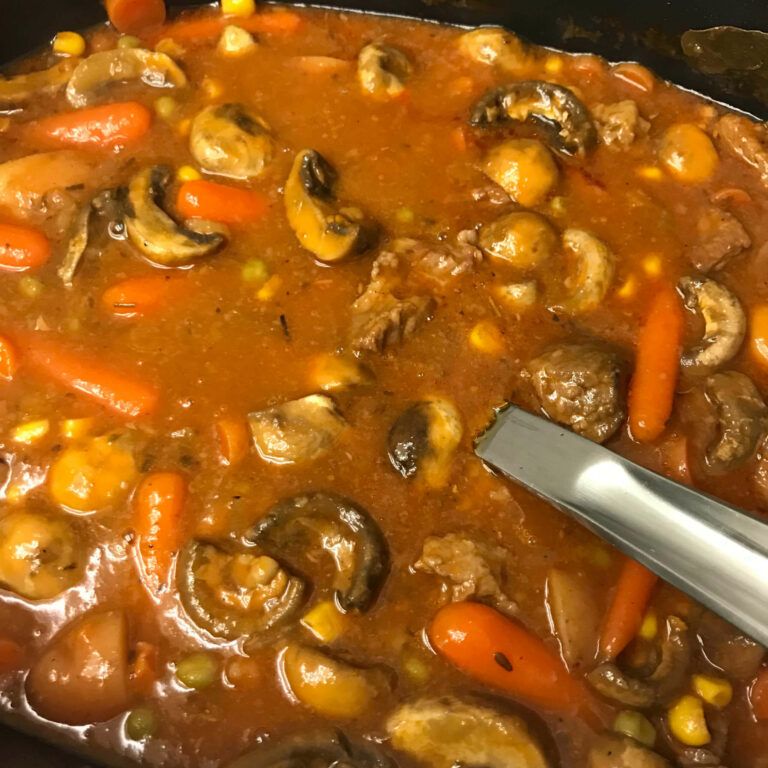
  • Add your corn and peas.  Note, you don’t have to thaw them.  You can if you like, but it isn’t necessary.  Also add the cut or sliced mushrooms.  Note, if I have some frozen pearl onions on hand, I’ll add those two.  They aren’t necessary, but I like to add them if I have them.  Your choice. I also add in the remaining teaspoon of thyme and teaspoon of rosemary.  I taste for salt and pepper, and adjust if needed.  Bring the stew back a gentle bubble, then lower the heat.  Let simmer for 1 1/2 – 2 hours until the meat just falls apart and all the veggies are easily pierced with the tip of a knife.
  • During this time, you want to be sure everything is covered with liquid, so add  more stock if needed.  I cook this uncovered.  Check your meat at the 1 1/2 hour mark and note it can take another 1/2 hour to 1 hour depending on the thickness of your meat.

PRO TIP

I’ve seen a lot of cooks panic thinking their meat is “tough” or that they’ve “overcooked” the meat.  That is not the case.  You want the low, slow braise to break down the tendons in the meat.  It will break down and fall apart when it is ready, so give it time.  Trust me, let it cook until the meat falls apart. 

  • Be sure you taste the stew at that 1 1/2 hour mark.  Adjust seasoning if needed (add more salt and pepper).  When the stew is tasting great and the meat is really tender, you want to finish the stew by mixing the cornstarch in a small dish with some of the liquid from the pot.  Stir to combine and then add it back to the stew.  Mix to totally combine and then raise the heat and let the stew come to a bubbling simmer again.  Let it cook several minutes to let the stew thicken.

Frequently Asked Questions: Minnesota Beef Stew

Minnesota beef stew typically features heartier, cold-weather ingredients that reflect the state’s Scandinavian and German heritage. It often includes root vegetables like rutabagas or turnips alongside the standard carrots and potatoes, and may incorporate wild rice as a nod to Minnesota’s state grain. The stew tends to be thicker and more robust to provide warmth during harsh winters, and some recipes include a splash of beer or a bay leaf for depth. Experiment and make it your own.
Chuck roast is the ideal cut for beef stew because it contains enough marbling and connective tissue to become tender and flavorful during long, slow cooking. Cut the meat into 1.5 to 2-inch cubes for optimal texture. Other excellent options include beef round or brisket. Avoid lean cuts like sirloin, as they’ll become tough and dry rather than melt-in-your-mouth tender.
For stovetop cooking, simmer your beef stew for 2 to 3 hours on low heat until the meat is fork-tender. In a slow cooker, cook on low for 7 to 8 hours or on high for 4 to 5 hours. For oven braising at 325 degrees F, plan for 2.5 to 3 hours covered. The key is low, slow heat that breaks down the collagen in the meat into gelatin, creating that signature melt-in-your-mouth texture.
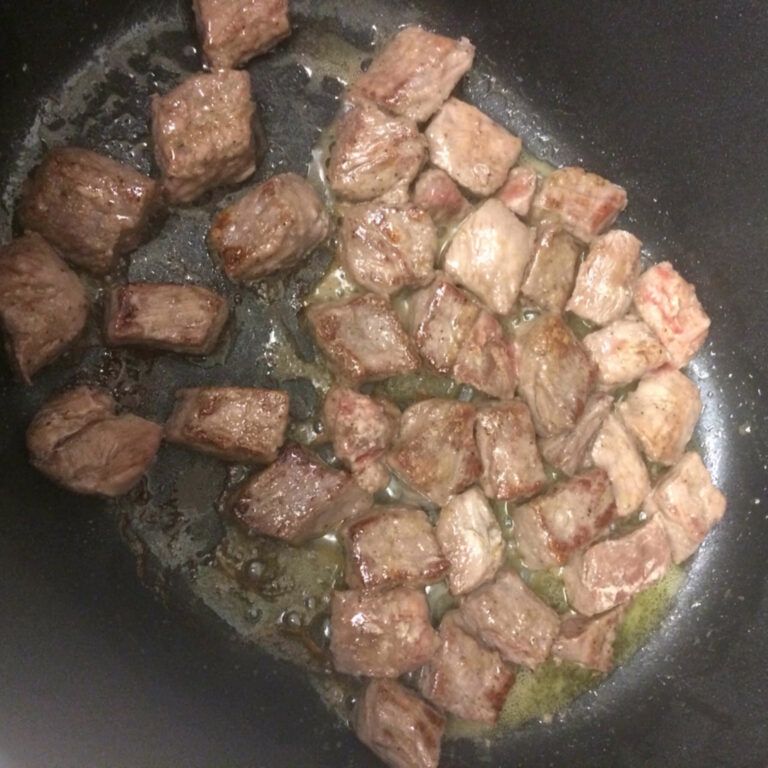
Yes, browning the beef is essential for developing deep, complex flavors through the Maillard reaction. Sear the beef cubes in small batches over medium-high heat until they develop a rich, caramelized crust on multiple sides. This step adds layers of savory flavor that can’t be achieved through simmering alone. Don’t skip this step, and avoid overcrowding the pan, which causes steaming instead of browning.
Watery stew results from too much liquid, not enough thickening agent, or insufficient cooking time. To thicken your stew, toss the beef cubes in flour before browning them, or create a slurry by mixing 2 tablespoons of cornstarch with 2 tablespoons of cold water and stirring it into the stew during the last 15 minutes. Alternatively, mash some of the cooked potatoes against the side of the pot to release their starch, or simmer uncovered for the final 30 minutes to reduce excess liquid.
Absolutely. Brown the beef using the sauté function, then add your vegetables, liquid, and seasonings. Pressure cook on high for 35 to 40 minutes with natural release. The pressure cooker significantly reduces cooking time while still producing tender meat and well-developed flavors. If the stew is too thin after cooking, use the sauté function with the lid off to reduce and thicken the liquid.
Traditional Minnesota beef stew includes carrots, potatoes, onions, and celery as the base vegetables. Many Minnesota cooks also add rutabagas or turnips, which reflect Scandinavian culinary traditions. Pearl onions, parsnips, and mushrooms are popular additions. Add heartier vegetables like potatoes and rutabagas early in the cooking process, but wait to add quicker-cooking vegetables like peas or green beans during the last 20 to 30 minutes to prevent them from becoming mushy.
Cut your vegetables into larger, uniform chunks (about 1.5 to 2 inches) so they can withstand long cooking times. Add root vegetables like carrots, potatoes, and turnips at the beginning since they take longer to cook, but hold delicate vegetables like peas, green beans, or zucchini until the last 20 to 30 minutes. Avoid stirring the stew excessively, which can break down the vegetables. If you prefer firmer vegetables throughout, consider adding them in stages based on their cooking times.
Yes, beef stew freezes exceptionally well for up to 3 months. Let the stew cool completely before transferring it to airtight, freezer-safe containers, leaving about an inch of headspace for expansion. For best results, slightly undercook the vegetables if you plan to freeze the stew, as they’ll continue cooking when reheated. Thaw overnight in the refrigerator and reheat gently on the stovetop. In the refrigerator, beef stew will keep for 3 to 4 days in an airtight container.
The secret lies in layering flavors at every step. Brown the beef properly for caramelization, sauté your aromatics until fragrant, deglaze the pan with wine or beer to capture the fond (browned bits), use homemade or high-quality beef stock, and add fresh herbs like thyme and bay leaves. Season throughout the cooking process rather than just at the end, and finish with a splash of Worcestershire sauce and a pat of butter for richness and shine. Finally, let the stew rest for 10 to 15 minutes before serving to allow the flavors to meld together.
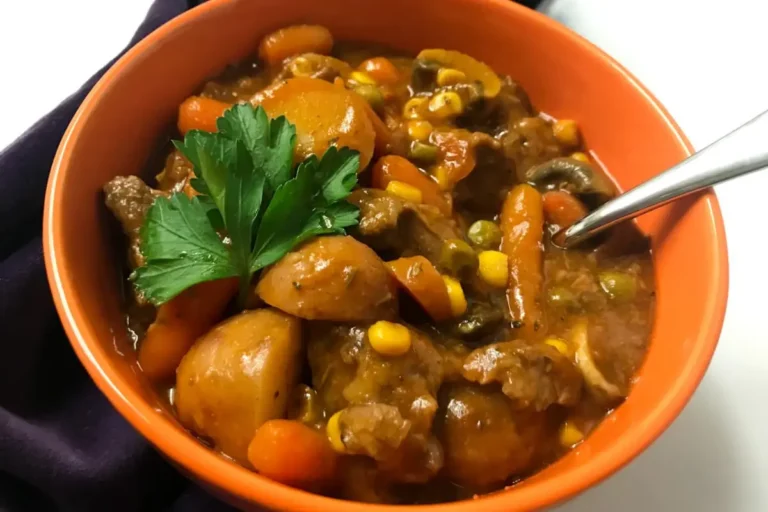
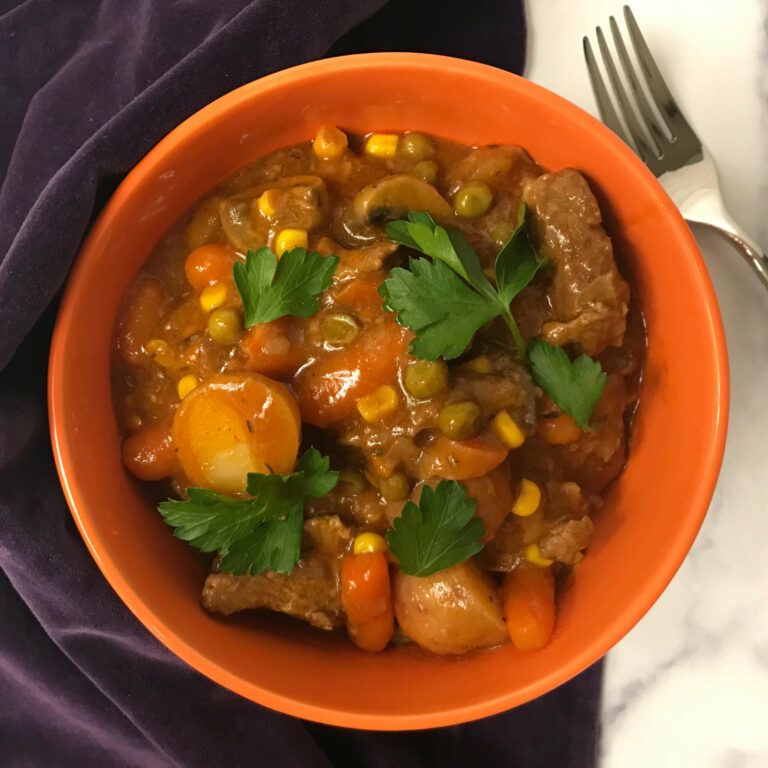
bowl of Minnesota beef stew.

Minnesota Beef Stew

This is a rich beef stew packed with vegetables and can be served as is or over egg noodles. Great on a cold winter night.
5 from 3 votes
Prep Time 1 hour
Cook Time 3 hours
Total Time 4 hours
Course Dinner
Cuisine General
Servings 10 Served

Nutritional information is only an estimate. The accuracy of the nutritional information for any recipe on this site is not guaranteed.

Ingredients


  • 2 Lbs. Beef Stew cubes
  • 2 Tbsp. of flour
  • 1 – 2 Tbsp. Olive Oil
  • 2 Chopped Carrots
  • 2 Chopped Celery Stalks
  • 1 Chopped Yellow Onion
  • 3 Chopped Garlic Cloves
  • 1 Lb. Bag of baby carrots
  • 14 Red baby potatoes cut in half
  • 1 Lb. of button mushrooms cut in half
  • 2 Cups of Frozen Corn
  • 1 Cup of Frozen Peas
  • 32 – 48 Oz. of Beef Stock
  • 1 6 Oz. Can of tomato paste
  • 2 Tbsp. Maple Syrup
  • 2 Bay Leaves
  • 1 Tbsp. Dried Thyme (divided)
  • 1 Tbsp. Dried Rosemary – crushed in hand and divided
  • ½ Tbsp. Red Pepper Flakes
  • 2 Tbsp. Cornstarch
  • Salt & Pepper to taste

Instructions
 

  • Sprinkle 2 Tsp. of Salt and 1/2 Tsp. of Pepper on beef and toss beef cubes with flour.
  • Heat 1 Tbsp. olive oil in a large pot or dutch oven on stove. Brown the beef cubes in batches until browned all over. (add olive oil as needed) Remove to a bowl while browning other batches.
  • Once all beef has been browned, add one tbsp. of olive oil and sauté the chopped carrots, celery and onion until soft. Then add chopped garlic and sauté for one minute.
  • Add back the beef and all accumulated juices. Add 32 oz. of stock. Add potatoes and whole carrots. Add can of tomatoes paste and as much stock as is needed to cover everything in pot.
  • Add maple syrup, bay leaves, 2 Tsp. of thyme, 2 Tsp. of rosemary, red pepper flakes and salt and pepper to taste. Stir everything so it is all incorporated.
  • Bring mixture to a bubbling simmer than lower to a low simmer. Add corn and peas and cut mushrooms. I also add the last Tsp. of rosemary and thyme and check for salt and pepper.  Cook for about 1-½ hours.
  • Taste and adjust seasoning to your liking. You may have to add more stock to keep everything covered in liquid.
  • Continue to cook until the meat is super tender. This can be 1/2 – 1 hr. longer depending on the size of the beef cubes. Test meat and vegetables for tenderness and seasoning along the way.
  • Mix the cornstarch with some warm stock from the pot and stir until it is well combined. Add to the stew and allow the stew to bubble and thicken.
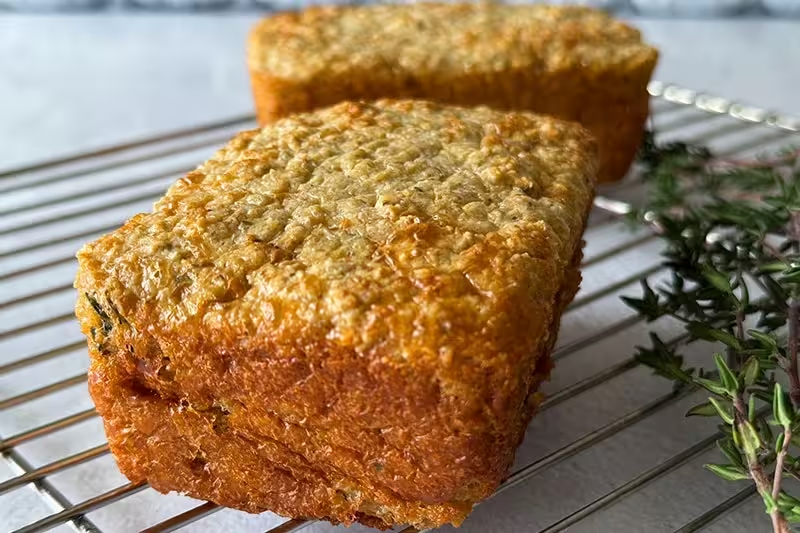
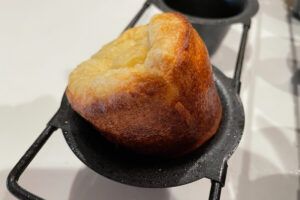
  • Serve in big bowls with warm popovers and Cinnamon Honey Butter.
Keyword beef, dinner
Tried this recipe?Let us know how it was!