Add Us As A Trusted Google Source
 Limequat Margarita
»
We use cookies to give you the best online experience. By agreeing you accept the use of cookies in accordance with our cookie policy.

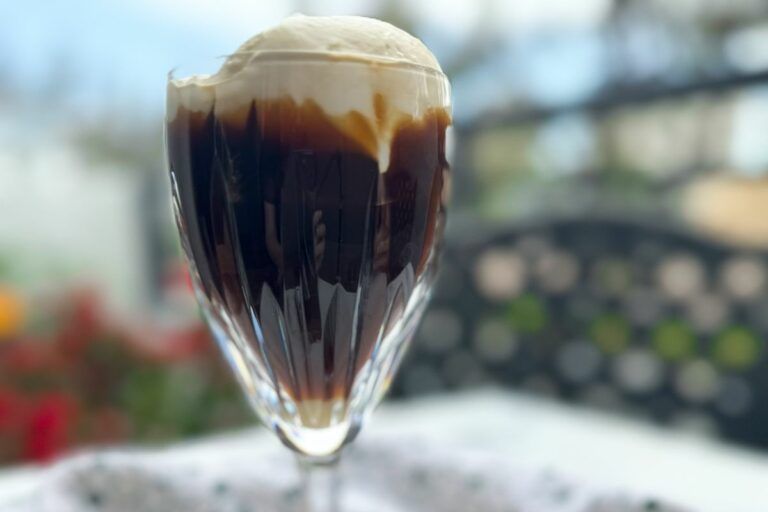
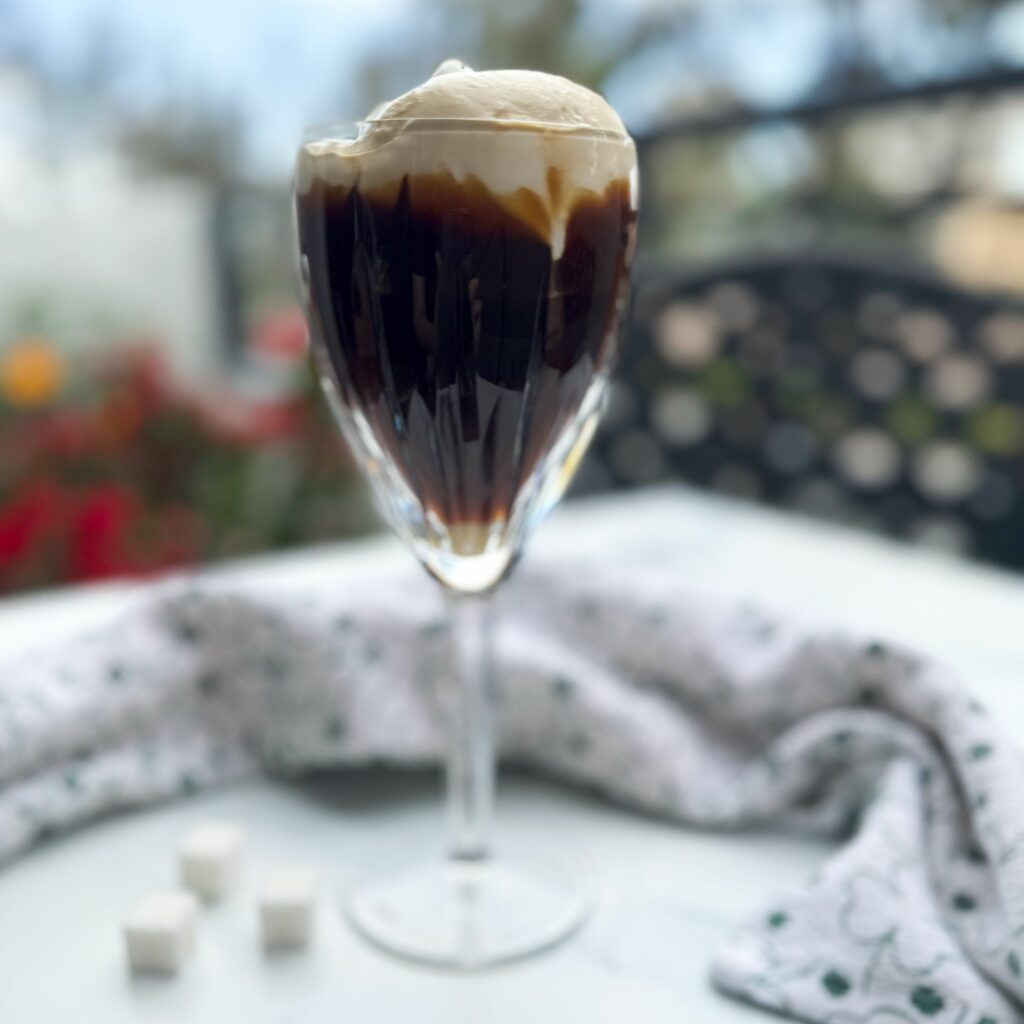
If you get the opportunity to go to San Francisco, make sure Buena Vista is on your agenda. This great old bar serves the best Irish Coffee in the world! Watching them make 8-10 at a time is a show all its own. This classic cocktail combines rich, hot coffee with smooth Irish whiskey, a touch of sweetness, and a luxurious crown of lightly whipped cream. Whether you’re celebrating St. Patrick’s Day or simply warming up on a cold evening, this Irish Coffee recipe brings the magic of that iconic San Francisco experience right to your home. Enjoy it with a slice of Irish Apple Cake for the perfect ending to any meal.
This recipe is inspired by the legendary Buena Vista Cafe’s method, refined over decades of serving thousands of Irish Coffees daily. The key to success lies in the balance of four simple ingredients and the proper technique for creating those beautiful, distinct layers. The hot coffee dissolves the sugar perfectly while creating the thermal gradient needed for the cold cream to float on top. Using quality Irish whiskey ensures a smooth, warming finish that complements rather than overpowers the coffee. The unsweetened whipped cream provides a rich, cool contrast to the sweet, boozy coffee beneath, creating that signature Irish Coffee experience with every sip.
Irish Whiskey (1 1/3 oz): The heart and soul of this drink. I personally like Jameson, but I’ve read that Buena Vista uses Tullamore Dew Irish whiskey. Use the one that makes you happy! Choose a smooth blended Irish whiskey rather than a single malt, as it won’t overpower the coffee. The whiskey adds warmth and complexity while helping create the density needed for the cream to float.
Sugar Cubes (2) or Sugar (2 teaspoons): While I’m not sure you HAVE TO use sugar cubes, Buena Vista does, so I follow their lead. You can always substitute 2 teaspoons of granulated sugar if that’s easier. The sugar sweetens the drink and helps balance the bitterness of the coffee and the bite of the whiskey. It must be fully dissolved in the hot coffee before adding the cream.
Hot Coffee (about 4-5 oz): Use dark, rich coffee that is piping hot for a true Irish coffee experience. The coffee needs to be strong enough to stand up to the whiskey and sweet enough when combined with the sugar to balance the drink. Freshly brewed coffee at around 160-170°F is essential for both dissolving the sugar and creating the temperature difference that allows the cream to float.
Heavy Whipping Cream (2 heaping tablespoons, whipped): I know lots of people sweeten their whipped cream, but the Buena Vista doesn’t, so neither do I. The contrast between the sweet coffee mixture and the unsweetened cream is what makes this drink special. The heavy cream shouldn’t be whipped too much—it should still be soft and slightly pourable. On my visits to Buena Vista, they always pour the heavy whipped cream on the back of a spoon onto the coffee, which is a tip in itself. I might be known to add large dollops of the whipped cream!
Heat-Resistant Glass Mug: Not an ingredient, but critical! Using a clear 6-8 oz. glass mug that has been preheated with hot water prevents cracking and showcases the beautiful layers of your Irish Coffee.
1. Preheat Your Mug: Fill your clear glass coffee mug with very hot water and let it sit for about a minute. This prevents the glass from cracking when you add the hot coffee and keeps your drink at the ideal temperature. Drain the water completely just before assembling your drink.
2. Add the Sugar: Place two sugar cubes (or 2 teaspoons of sugar) in the bottom of your heated glass.
3. Pour the Whiskey: Add 1 1/3 ounces of Irish whiskey to the glass.
4. Add the Hot Coffee: Pour hot, freshly brewed coffee into the glass, leaving about an inch of space at the top for the cream. Stir briefly to ensure the sugar is completely dissolved
5. Whip the Cream: Using a hand mixer, whip the heavy cream to soft peaks. It should be thickened but still have a slight pour to it—not stiff like frosting. The cream should be cold for the best floating effect.
6. Float the Cream: Hold a spoon upside down just above the surface of the coffee, with the edge touching the rim of the glass. Slowly pour the whipped cream over the back of the spoon, allowing it to gently cascade onto the coffee surface. Add 2 heaping tablespoons of the whipped cream to create a beautiful, thick layer on top.
7. Serve Immediately: Irish Coffee should be enjoyed fresh, within 90 seconds of preparation, while the coffee is still piping hot and the layers are distinct.
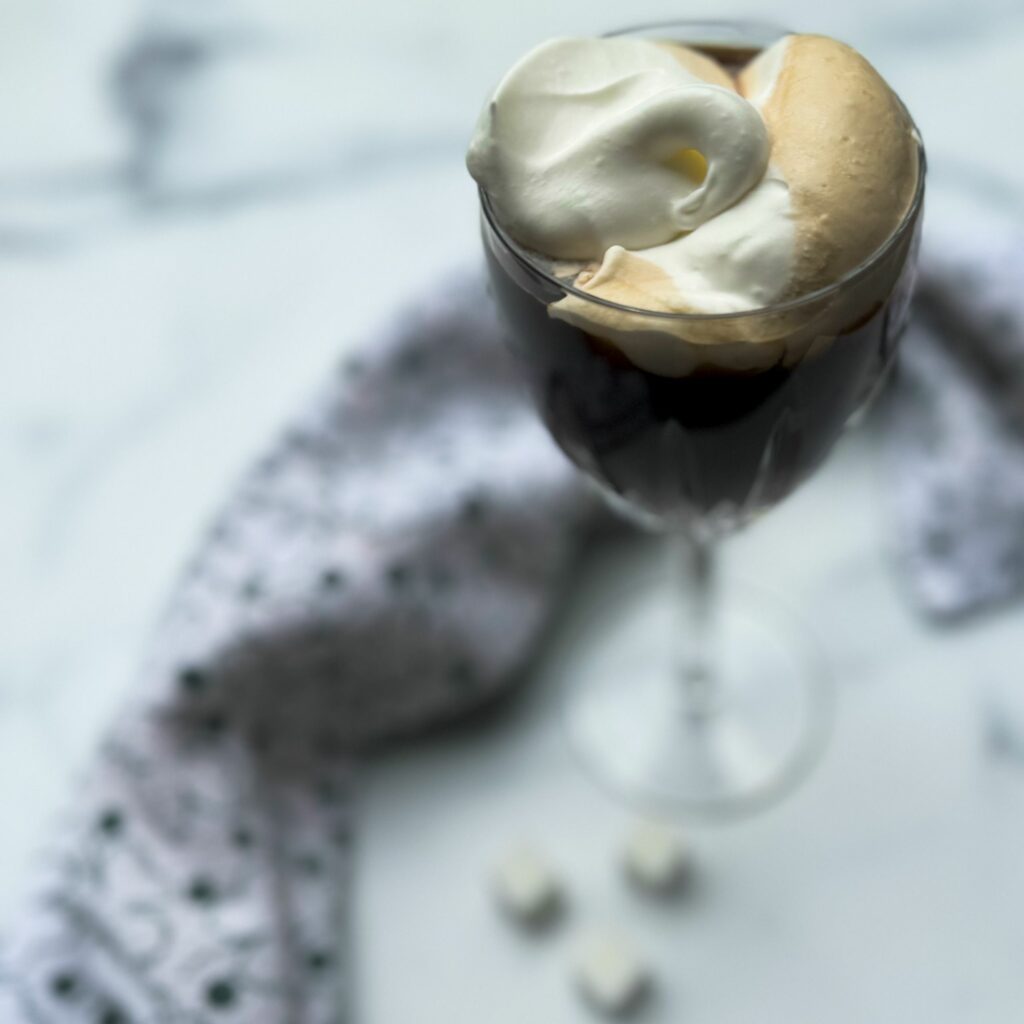
Serve your Irish Coffee immediately in the preheated glass mug. Do not stir—the magic of Irish Coffee lies in sipping the hot, sweetened coffee-whiskey mixture through the cool, rich cream. The contrast of temperatures and textures is what makes this drink so special.
Irish Coffee makes a wonderful after-dinner drink or cozy nighttime treat, especially during the colder months or for St. Patrick’s Day celebrations. For a truly memorable Irish-themed experience, pair your Irish Coffee with my Irish Apple Cake or my decadent Baileys Irish Parfait. The warm spices in the apple cake complement the coffee beautifully, while the Baileys parfait offers a cool, creamy contrast that’s perfect after savoring the warmth of your Irish Coffee.
For a complete Irish menu experience, check out my St. Paddy’s Day Menu or my St. Patrick’s Day Dinner Menu, which feature traditional Irish dishes to accompany your cocktails.
Cream sinks in Irish Coffee due to several common mistakes: The cream may be over-whipped (too stiff) or under-whipped (too thin). The coffee might not be hot enough—it needs to be 160-170°F to create the proper thermal gradient. You may be using ultra-pasteurized cream, which has altered proteins that resist proper floating. Insufficient whiskey (less than 1 oz) or sugar also affects the density of the coffee base. To fix this, use pasteurized heavy cream with at least 38% fat, whip to soft peaks only, ensure your coffee is piping hot, and pour very slowly over the back of a spoon. Adding one drop of cold whole milk to the cream just before pouring can help stabilize the layer.
A dark roast coffee works best for Irish Coffee because it has a bold flavor that can stand up to the whiskey and cream without being overpowered. Brew your coffee stronger than usual—use slightly more grounds than normal. The coffee must be freshly brewed and piping hot (around 160-170°F) to properly dissolve the sugar and create the temperature gradient needed for the cream to float. Avoid instant coffee, as it lacks the depth of flavor needed. Medium roast can work if you prefer a more balanced drink, but avoid light roasts as they’re too delicate. You can use coffee from a drip maker, French press, pour-over, or espresso machine—just ensure it’s strong and hot.
The Buena Vista Cafe uses two sugar cubes (each cube equals 1 teaspoon), and this is the traditional method. However, brown sugar or demerara sugar is preferred by many because it adds rich, caramel notes that complement the whiskey beautifully. You can use: 2 sugar cubes (white), 2 teaspoons of brown sugar, 2 teaspoons of demerara sugar, or 2 teaspoons of 2:1 simple syrup (preferably made with demerara or brown sugar). The key is ensuring the sugar fully dissolves in the hot coffee before adding the whiskey. Brown sugar’s molasses notes enhance the drink’s complexity, making it the superior choice for a more flavorful Irish Coffee.
No, traditional Irish Coffee uses unsweetened whipped cream. The Buena Vista Cafe does not sweeten their cream, and this is considered the authentic method. The contrast between the sweet coffee-whiskey mixture and the unsweetened cream is an essential part of the drink’s flavor profile. The cream should be lightly whipped to soft peaks using only heavy cream (38% fat or higher) with no added sugar. However, if you prefer a sweeter version, you can add up to 1 teaspoon of sugar per 4-6 ounces of cream, but this deviates from the traditional recipe.
Irish Coffee and coffee with Baileys are completely different drinks. Authentic Irish Coffee is made with Irish whiskey, hot coffee, sugar, and topped with lightly whipped heavy cream—it’s a structured cocktail with distinct layers. Coffee with Baileys (sometimes called Baileys Coffee) uses Baileys Irish Cream liqueur instead of whiskey, which is already sweetened and contains cream. Baileys Coffee is sweeter and creamier throughout, while Irish Coffee has a more complex flavor with the bitter coffee, sweet-boozy base, and rich cream topping that you sip through. Irish Coffee without whiskey is simply coffee with cream and sugar—the Irish whiskey is what makes it “Irish Coffee.”
Yes, you can make Irish Coffee with non-dairy alternatives, though the results differ from traditional cream. The best option is coconut cream—use the thick, solid cream from the top of a chilled can of full-fat coconut milk. Chill it to 40°F and whip it lightly before pouring over the back of a spoon. It will float similarly to dairy cream but requires patience. Other non-dairy creamers don’t float as reliably due to different fat compositions. For best results with coconut cream, chill the can for at least 12 hours, use only the solidified top layer, and whip to soft peaks before carefully layering over the coffee.
Irish Coffee is traditionally enjoyed as an after-dinner drink or nightcap, perfect for cold evenings. However, it’s also popular as a brunch cocktail, especially on weekends and holidays like St. Patrick’s Day, Christmas morning, or Black Friday. The warming combination of hot coffee and whiskey makes it ideal for winter gatherings. While there’s no “wrong” time to enjoy Irish Coffee, it’s best served when you can savor it slowly—the drink should be consumed fresh within 90 seconds of preparation while the coffee is still hot and the cream remains floating.
The proper way to drink Irish Coffee is to sip the hot coffee through the cold cream layer without stirring—do not mix them together. The experience is about enjoying the contrast of the hot, sweetened coffee-whiskey mixture with the cool, rich cream in each sip. Never use a straw. The drink should be served in a clear, heat-resistant glass so you can see the beautiful layers. As you drink, the cream will naturally mix slightly with the coffee, but the goal is to maintain the layered effect throughout most of the drink. Some people add a small amount of grated dark chocolate on top for garnish, though this isn’t traditional.
Irish Coffee should be served in a clear, heat-resistant glass mug with a handle that holds 6-8 ounces. The traditional Irish Coffee glass (Libbey model 8054 is the authentic style used by the Buena Vista Cafe) allows you to see the beautiful layers of dark coffee topped with cream. The glass must be heat-resistant to withstand boiling hot coffee without cracking. If you don’t have an Irish Coffee glass, use any clear, heat-resistant glass or mug—the transparency is important to showcase the drink’s visual appeal. Regular ceramic coffee mugs will work but you’ll miss the visual presentation that’s part of the Irish Coffee experience.
The standard amount of Irish whiskey in an Irish Coffee is 1.25 to 1.5 ounces (about 35-45ml). The Buena Vista Cafe uses 1.33 ounces as their standard measure. This amount provides the perfect balance—enough to taste the whiskey without overpowering the coffee or making the drink too boozy. Using less than 1 ounce may not give you enough whiskey flavor and can affect the density needed for the cream to float. Using more than 1.5 ounces can make the drink too strong and throw off the balance. If you prefer a stronger drink, you can increase to 2 ounces, but adjust the coffee amount accordingly.
No, Irish Coffee should not be made ahead of time. The drink must be assembled fresh and served immediately—ideally within 90 seconds of brewing the coffee. Reheating destroys the thermal gradient needed for the cream to float and can oxidize the whiskey’s volatile compounds while denaturing cream proteins. The coffee needs to be piping hot (160-170°F) when served. However, you can prepare components in advance: whip the cream and store it covered in the refrigerator, preheat your glasses, brew fresh coffee, and have your whiskey and sugar measured and ready. Then assemble each drink individually just before serving.
Irish Coffee contains approximately 1.25-1.5 ounces of 40% ABV whiskey in a 6-8 ounce drink, making it moderately alcoholic—similar in alcohol content to a standard cocktail. The hot coffee and sugar help mellow the alcohol’s burn, making it taste less strong than it actually is. However, because it’s served hot and sipped slowly, the warming effects of the alcohol may be more noticeable than in a cold cocktail. Irish Coffee is not meant to be a strong, “stiff” drink—it’s designed as a comforting, balanced beverage where you can taste all the components: coffee, whiskey, sugar, and cream.
It’s called Irish Coffee because it was invented in Ireland and contains Irish whiskey as a key ingredient. The name came from the famous exchange when Chef Joe Sheridan first served the drink in 1943 at Foynes Airport in Ireland. When an American passenger asked if it was Brazilian coffee, Sheridan replied, “No, it’s Irish coffee!” The name stuck, highlighting both the drink’s Irish origin and its distinctive Irish whiskey component, setting it apart from other coffee drinks around the world.
The Buena Vista Cafe in San Francisco serves approximately 2,000 to 2,500 Irish Coffees per day, and over 250,000 annually. Since introducing Irish Coffee in 1952, they’ve served more than 40 million Irish Coffees. On their busiest day ever—Super Bowl Sunday 1982 when the 49ers played Miami—the cafe served over 6,177 Irish Coffees in a single day, going through 213 bottles of Irish whiskey. The cafe uses about 100 bottles of Irish whiskey daily during normal times and has been serving Irish Coffee using Joe Sheridan’s original recipe for over 70 years.
Have you tried this Irish Coffee recipe? I’d love to know how it turned out for you! Please leave a rating and comment below to share your experience. Did you use a different Irish whiskey? Did you master the floating cream technique? Your feedback helps other readers and helps me continue sharing the recipes you love.
If you enjoyed this Irish Coffee, be sure to explore my other Irish-inspired cocktails:
Don’t forget to save this recipe for later and share it with friends who love a good Irish Coffee! Sláinte!
Nutritional information is only an estimate. The accuracy of the nutritional information for any recipe on this site is not guaranteed.

Recipe Developer
With over 10 years of restaurant experience, Diane has been cooking and developing recipes for over five years, focusing on real-food meals for two that are Weight Watchers-friendly and high in protein. A longtime WW member herself, she brings firsthand experience to every recipe — not just culinary technique, but the practical knowledge of someone who has navigated points, portions, and satisfaction for years. Her recipe for Lollipop Lamb Chops with Pistachio Pesto was selected as a KitchenAid contest winner and published in Taste of Home’s “Innovate Your Plate” bookazine. She has developed recipes and created content for brands including Eggland’s Best, Sprouts Market, ZenB Pasta, Flannery Beef, The Honey Jar and Marukan Vinegar. She has been cooking for two for 10 years and her recipes focus on well balanced meals that are healthy, protein-focused meals perfectly proportioned for two servings. Based in Southern California she loves fresh, seasonal produce and proteins that nourish the body and soul.
Hi! I’m Diane. I started this site as a passion project. I love to cook, entertain, travel and laugh. (Who doesn’t love a good laugh?) Of course, being from New York, sarcasm rules!
More About Diane
mycuratedtastes@gmail.com