Add Us As A Trusted Google Source
 Leftover Mashed Potato Cakes
»
We use cookies to give you the best online experience. By agreeing you accept the use of cookies in accordance with our cookie policy.

Updated: October 17, 2025
Published: November 29, 2021
My Curated Tastes is reader-supported. When you buy through links on our site, we may earn an affiliate commission at no extra cost to you. As an Amazon Associate I earn from qualifying purchases.
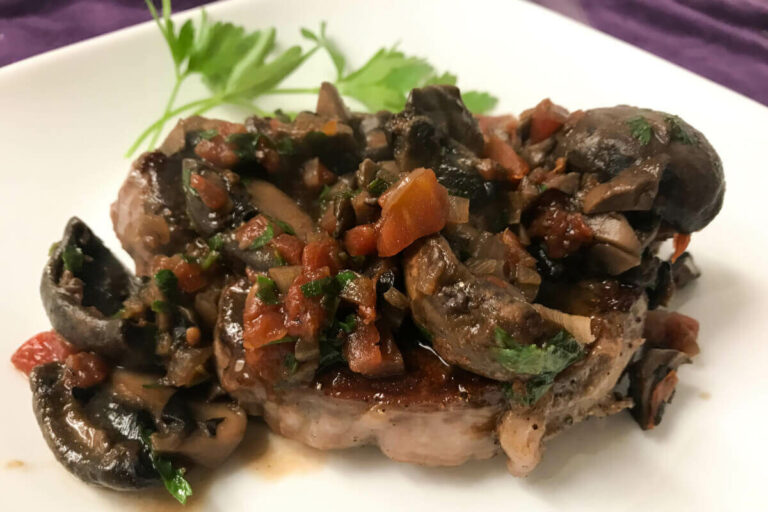
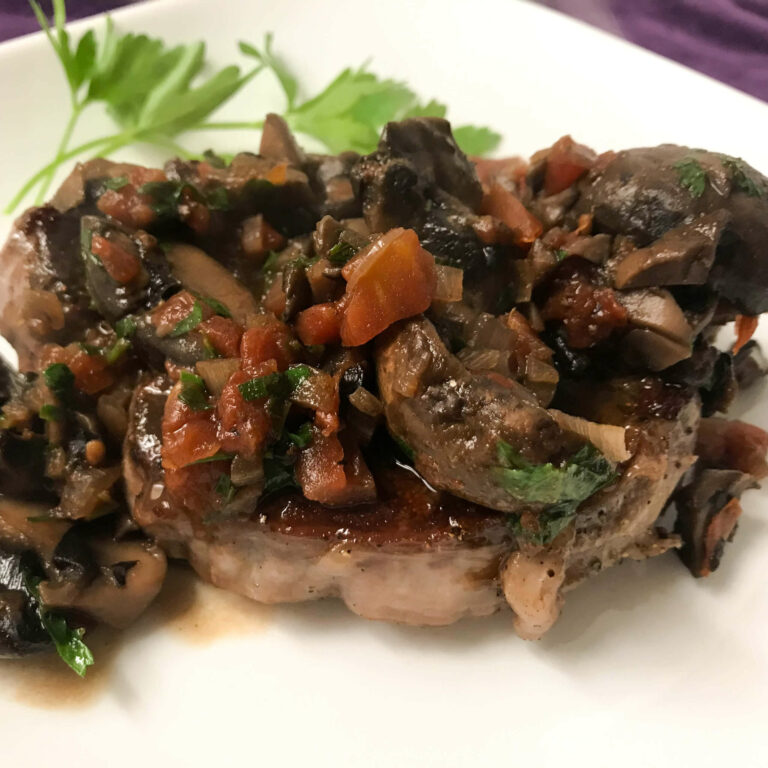
There’s something truly special about a perfectly cooked filet mignon topped with a rich, flavorful sauce. While filet mignon is incredibly tender, it’s also quite lean and benefits from a luxurious sauce that adds moisture and depth. That’s where sauce chasseur comes in. This classic French hunter’s sauce combines earthy mushrooms, aromatic shallots, wine, brandy, and tomatoes to create the perfect complement to beef.
Sauce chasseur is a classic French hunter’s sauce made with mushrooms, shallots, wine, tomatoes, and herbs. The name means “hunter’s sauce” and traditionally features ingredients a hunter would have on hand. This rich, savory sauce is perfect for beef, chicken, and game meats.
Years ago, I discovered this chasseur sauce recipe and, over time, adapted it to make it my own. Originally served over a sirloin roast, I switched to filet mignon for Christmas dinner one year, and it became an instant family favorite. The combination of Better than Bouillon, wine, brandy, and mushrooms creates a chasseur sauce for steak that’s simply divine. You can also substitute a cup of veal demi-glace for the bouillon and water to give this beef chasseur another amazing dimension. Whether you’re looking for the ultimate filet mignon sauce or want to master how to cook filet mignon on cast iron skillet, this recipe delivers restaurant-quality results at home.
I love serving this dish with my Cheesy Duchess Potatoes or Horseradish Potato Souffle—both pair beautifully with the rich sauce and tender beef.
Sauce chasseur, which translates to “hunter’s sauce” in French, is one of the classic French mother sauces that has been beloved for centuries. This rustic yet elegant sauce originated as a way for hunters to prepare game meats using ingredients they could forage or had readily available—mushrooms from the forest floor, shallots from the garden, wine from the cellar, and tomatoes from the field.
Traditionally, sauce chasseur is built on a foundation of sautéed mushrooms and shallots, deglazed with wine (white wine is traditional, though red wine versions like this one are increasingly popular), and finished with tomatoes and fresh herbs like tarragon or parsley. Some versions include demi-glace for added richness and body. The result is a deeply savory, slightly tangy sauce with earthy mushroom notes and aromatic complexity.
What makes chasseur sauce for steak so exceptional is its perfect balance of flavors. The mushrooms provide earthiness, the wine adds depth and acidity, the brandy contributes warmth and complexity, and the tomatoes bring brightness that cuts through the richness of beef. The shallots add a sweet, subtle onion flavor that ties everything together. While sauce chasseur is most commonly paired with beef, it’s equally delicious with chicken, pork, veal, and game meats like venison or wild boar.
The beauty of this chasseur sauce recipe is its versatility. While purists might insist on white wine and specific herbs, the sauce adapts beautifully to different ingredients and preferences. Using a full-bodied red wine like Cabernet Sauvignon creates a more robust sauce that stands up beautifully to the bold flavor of filet mignon. Adding a flambé step with brandy introduces another layer of sophistication and flavor complexity that elevates this beef chasseur to restaurant quality.
Having the right tools makes this recipe easier and ensures better results:
This recipe uses simple, quality ingredients that come together to create something extraordinary:
Other Cuts of Beef: While this recipe is perfect for filet mignon, it’s equally delicious on ribeye, New York strip, sirloin, top sirloin, flank steak, or even a standing rib roast. The sauce is so versatile that it elevates any cut of beef you choose. For tougher cuts, consider braising them in the sauce for a more traditional beef chasseur preparation.
Wine Substitutions: If you don’t have Cabernet on hand, try Merlot, Pinot Noir, Malbec, or any full-bodied red wine. For a more traditional approach, use a dry white wine like Chardonnay or Sauvignon Blanc. Avoid wines that are too sweet or too light—you want something with body and character that can stand up to the beef and mushrooms. In a pinch, you can substitute additional beef broth plus a tablespoon of balsamic vinegar for the wine, though the flavor won’t be quite as complex.
Mushroom Options: Cremini mushrooms are ideal, but white button mushrooms work well too. For a more luxurious version, add some shiitake or porcini mushrooms, or use a blend of wild mushrooms for extra depth.
Bouillon Alternative: As mentioned, you can use one cup of veal demi-glaze instead of the Better than Bouillon and water combination for an even richer, more traditional chasseur sauce. Beef demi-glaze also works beautifully.
Brandy Substitute: Cognac is the classic choice and can be used interchangeably with brandy. If you don’t have either, you can use additional wine, though you’ll miss some of the depth that the brandy provides.
Prepare the Filet Mignon:
Remove the steaks from the refrigerator 30-45 minutes before cooking to bring them to room temperature. This ensures even cooking throughout.
Heat one tablespoon of butter and one tablespoon of olive oil in a cast iron pan over medium-high heat. While the pan heats, liberally sprinkle the filets with salt and pepper on all sides—don’t be shy with the seasoning. Press the seasoning into the meat gently.
Once the butter is melted and the pan is hot (the butter should be foaming but not brown), carefully place the filets in the pan, leaving space between them. Pan sear the beef on both sides until well browned, developing a beautiful crust—about 3-4 minutes per side. Don’t move the steaks around; let them sit undisturbed to develop that gorgeous crust.
Continue cooking, turning as needed, until the internal temperature reaches 130 degrees Fahrenheit for medium-rare, or until it reaches your preferred doneness (see temperature guide in FAQ). Use a meat thermometer inserted into the thickest part of the steak for accuracy. Remove the steaks from the pan and let them rest on a cutting board or plate, covered loosely with aluminum foil, for 10 minutes. This resting time allows the juices to redistribute throughout the meat, ensuring every bite is tender and juicy.
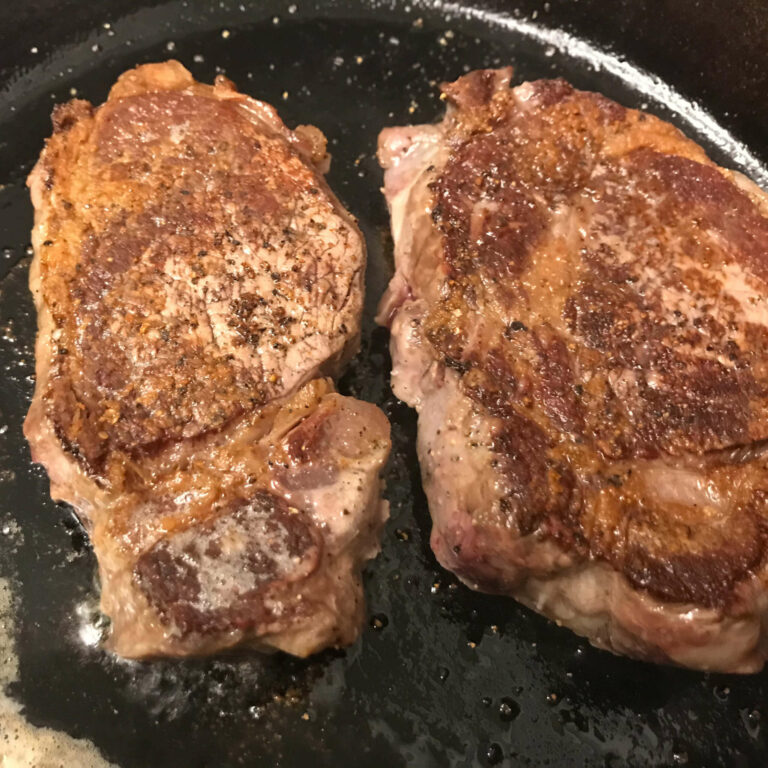
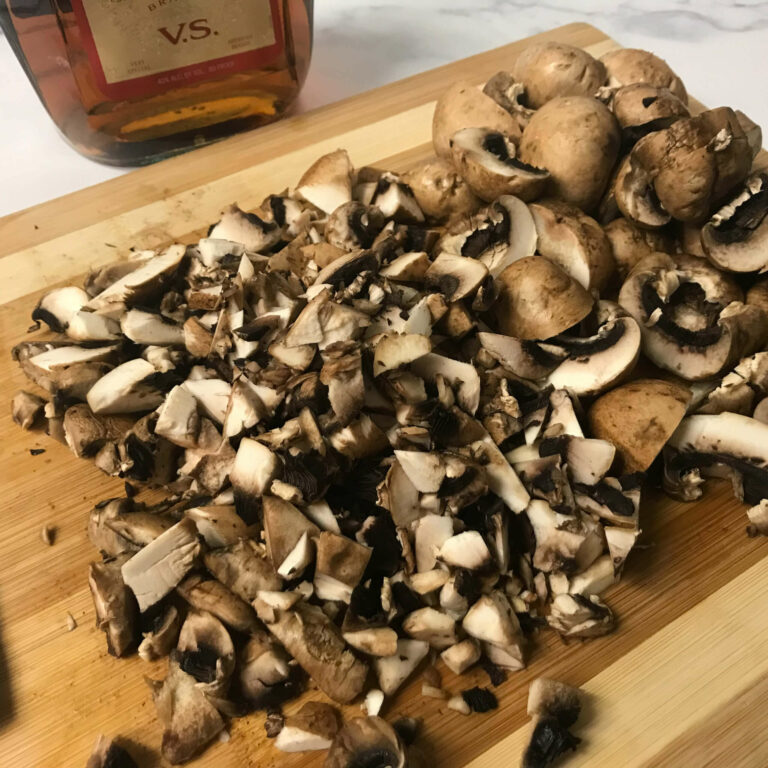
Make the Sauce Chasseur:
Meanwhile, prepare the sauce chasseur. Start by chopping your mushrooms.
In a large saucepan over medium heat, melt the remaining tablespoon of butter and add the diced shallots and sliced mushrooms. Sauté for 3-4 minutes until the mushrooms begin to release their moisture, shrink in size, and turn golden brown, and the shallots turn translucent and fragrant.
Add the Cabernet wine and bring the mixture to a boil, scraping up any browned bits from the bottom of the pan. Then reduce the heat to maintain a gentle simmer. Cook for about 8 to 10 minutes, stirring occasionally, to reduce the liquid by about a third. This concentrates the flavors and cooks off the harsh alcohol while leaving the wine’s complexity.
Add the brandy to the pan and carefully ignite it with a long lighter or match, standing back as it flames. The flames may reach 12-18 inches high, so ensure there’s nothing flammable nearby. This flambé technique burns off the alcohol while leaving behind the complex flavor of the brandy. Once the flames have died down naturally (about 30-60 seconds), add the Better than Bouillon dissolved in hot water and bring the sauce back to a simmer.
Stir in the petite diced tomatoes with their juices and fresh parsley. Let the sauce simmer for 4-5 more minutes to marry all the flavors and allow it to thicken slightly. Taste and adjust the seasoning, adding more salt and pepper as needed. The chasseur sauce for steak should be rich, savory, and well-balanced.
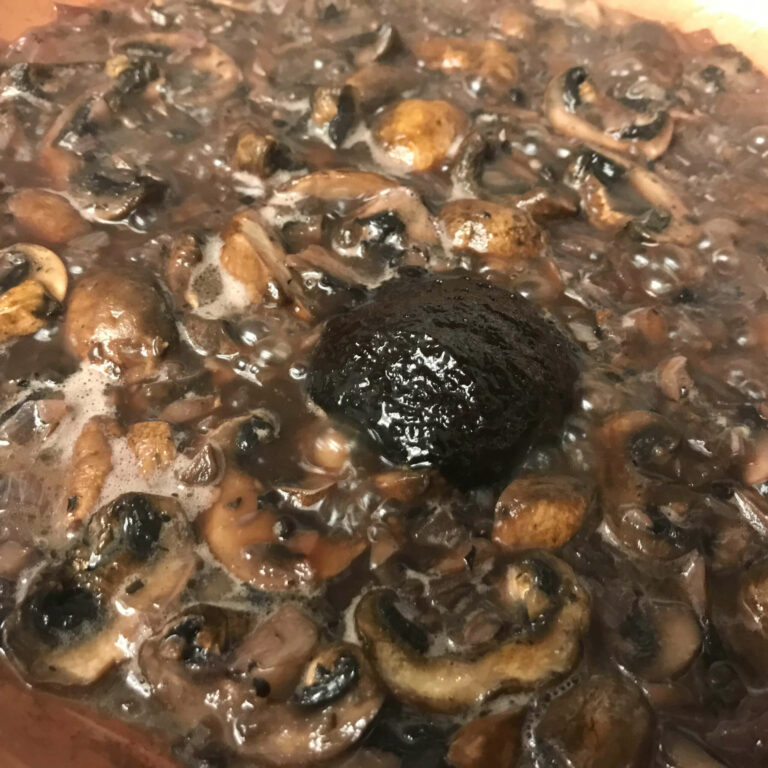
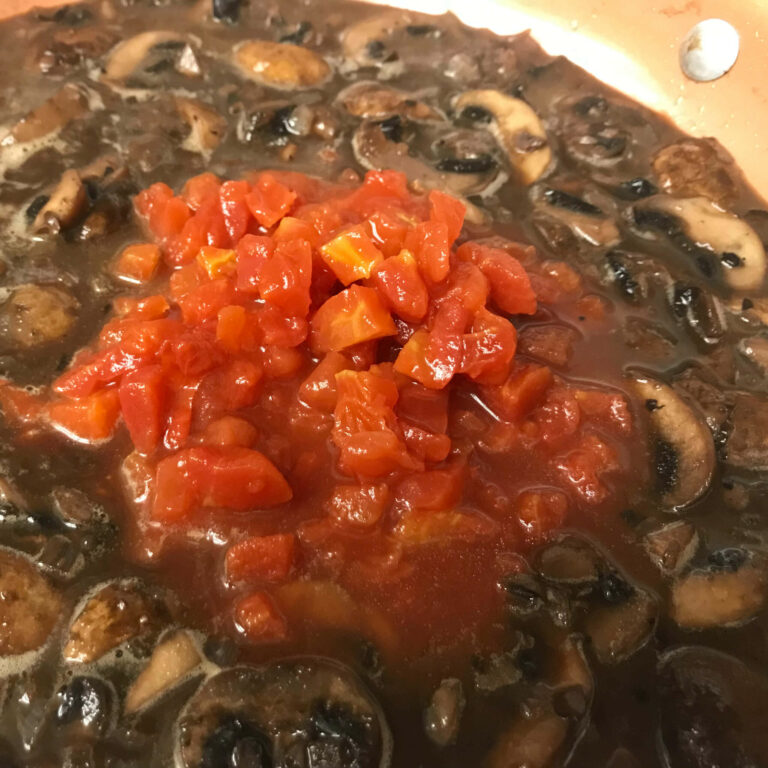
Serve:
Arrange the rested filet mignon steaks on a serving platter or individual plates and generously spoon the sauce chasseur over the top. Transfer any extra sauce to a gravy boat with a serving spoon so guests can help themselves to more of those delicious mushrooms and tomatoes.
For the Steaks:
For the Sauce Chasseur:
Timing Tips:
Prep Ahead: You can slice the mushrooms and dice the shallots up to a day in advance. Store them in airtight containers in the refrigerator. You can also make the entire sauce chasseur ahead of time—it actually tastes even better the next day as the flavors meld. Store it in a covered container in the refrigerator for up to 3 days. Reheat gently on the stovetop over low heat, adding a splash of water, wine, or beef broth if it’s too thick.
Day-of Strategy: If you’re entertaining, you can make the chasseur sauce recipe a few hours ahead and keep it warm on very low heat, stirring occasionally. Some people prefer to make the sauce completely, refrigerate it, and then reheat it while the steaks rest. This takes pressure off during the meal and ensures perfect timing. Cook the steaks just before serving for the best texture and temperature.
Freezing the Sauce: The sauce freezes beautifully. Let it cool completely, then transfer to freezer-safe containers or heavy-duty freezer bags. Freeze for up to 3 months. Thaw overnight in the refrigerator before reheating on the stovetop.
Store any leftover filet mignon and sauce chasseur separately in airtight containers in the refrigerator for up to 3 days. The beef is best reheated gently in a low oven (250°F) for 10-15 minutes to prevent it from overcooking, or you can slice it thinly and use it cold in sandwiches or over salads. Alternatively, slice the leftover steak and reheat it briefly in the sauce for a quick and elegant lunch.
Reheat the chasseur sauce for steak on the stovetop over low heat, stirring occasionally and adding a splash of broth or water if needed. The sauce also freezes beautifully for up to 3 months—just thaw overnight in the refrigerator before reheating.
Leftover sauce is incredibly versatile. Use it over chicken breasts, pork chops, pasta, rice, or even as a topping for baked potatoes.
Sauce chasseur has a rich, savory, earthy flavor from the mushrooms, with wine-forward depth and subtle sweetness from the shallots. The tomatoes add brightness and acidity that balances the richness, while the brandy contributes warmth and complexity. It’s hearty without being heavy, and the combination of flavors complements beef beautifully without overpowering it.
While both feature mushrooms, sauce chasseur is more complex. A basic mushroom sauce is typically just mushrooms cooked in butter with cream or stock. Chasseur sauce includes wine, tomatoes, shallots, and herbs, creating a more layered flavor profile. It’s also a recognized classic French sauce with a specific ingredient list and preparation method, whereas “mushroom sauce” can refer to many different preparations.
Yes! Sauce chasseur and hunter sauce are the same thing. “Chasseur” is the French word for “hunter,” so hunter sauce is simply the English translation. Both names refer to the same classic French sauce made with mushrooms, shallots, wine, tomatoes, and herbs.
Absolutely! In fact, sauce chasseur often tastes better when made ahead because the flavors have more time to meld together. You can make it up to 3 days in advance and store it covered in the refrigerator. Reheat it gently on the stovetop, adding a splash of liquid if needed. The sauce also freezes well for up to 3 months.
“Chasseur” is the French word for “hunter.” The sauce got its name because it was traditionally made with ingredients a hunter would have available—wild mushrooms foraged from the forest, shallots from the garden, wine from the cellar, and tomatoes from the field. It was often served with game meats like rabbit, venison, or wild boar.
While cast iron is ideal for achieving a perfect sear and even heat distribution, you can use a heavy-bottomed stainless steel skillet if that’s what you have. Avoid nonstick pans as they typically can’t handle the high heat needed for a proper sear and won’t give you the same quality crust.
You can skip the flambé step if you prefer—just add the brandy and let it simmer for 2-3 minutes to cook off the alcohol. The flambé adds drama and slightly concentrates the flavor, but it’s not essential to the chasseur sauce recipe. If you’re uncomfortable with open flames in your kitchen, the simmer method works perfectly well.
Use an instant-read meat thermometer inserted into the thickest part of the steak. For rare, aim for 120-125°F; medium-rare is 130-135°F; medium is 135-145°F; and medium-well is 145-155°F. Remember that the internal temperature will rise another 5 degrees during the resting period, so pull your steaks off the heat about 5 degrees before your target temperature.
Absolutely! Sauce chasseur is incredibly versatile and delicious on chicken breasts, chicken thighs, pork chops, or pork tenderloin. For chicken breasts, cook them to an internal temperature of 165°F. For pork chops or tenderloin, aim for 145°F. You can even use the sauce with veal, lamb, or game meats like venison.
This filet mignon with sauce chasseur is perfect for special occasions and holiday entertaining. The elegant presentation makes it ideal for Christmas dinner, New Year’s Eve, Valentine’s Day, anniversaries, or any time you want to impress your guests with a restaurant-quality meal at home.
Side Dishes: Pair this beef chasseur with Cheesy Duchess Potatoes for a classic steakhouse experience, or try my Horseradish Potato Souffle for something a bit different. The creamy, rich potatoes complement the savory sauce beautifully. Roasted asparagus, green beans almondine, or garlic butter Brussels sprouts also work wonderfully. For a lighter option, a simple arugula salad with lemon vinaigrette or a wedge salad with blue cheese dressing provides a nice contrast to the hearty main course. Creamy polenta or garlic mashed potatoes are also excellent choices for soaking up the extra sauce.
Wine Pairing: Since you’re cooking with Cabernet Sauvignon, it’s a natural choice for serving as well—the flavors will harmonize beautifully. Other excellent options include Bordeaux blends, Malbec, a robust Syrah/Shiraz, or Zinfandel. The bold flavors in this chasseur sauce recipe can stand up to full-bodied red wines with good tannin structure. If you prefer something slightly lighter, try a Pinot Noir or Sangiovese.
Presentation: For an impressive presentation, arrange all the filets on a large platter and pour the sauce over them, garnishing with additional fresh parsley. This family-style serving is perfect for holidays and creates a stunning centerpiece for your table. Alternatively, plate each serving individually if you prefer a more formal, restaurant-style presentation. Either way, make sure to serve the extra sauce on the side in a gravy boat with a serving spoon—guests will definitely want more of those delicious mushrooms and tomatoes!
Bread Service: Consider serving crusty French bread or garlic bread on the side to soak up every last drop of the sauce chasseur. It’s too good to waste!

Have you tried this filet mignon with sauce chasseur? I’d love to know how it turned out! Please leave a comment below and rate the recipe. Did you make any substitutions? How did your family react? Your feedback helps other home cooks and helps me know what recipes you love most. If you share your creation on social media, be sure to tag me so I can see your beautiful results!
If you enjoyed this recipe, you’ll love these other beef favorites:
Nutritional information is only an estimate. The accuracy of the nutritional information for any recipe on this site is not guaranteed.

Recipe Developer
With over 10 years of restaurant experience, Diane has been cooking and developing recipes for over five years, focusing on real-food meals for two that are Weight Watchers-friendly and high in protein. A longtime WW member herself, she brings firsthand experience to every recipe — not just culinary technique, but the practical knowledge of someone who has navigated points, portions, and satisfaction for years. Her recipe for Lollipop Lamb Chops with Pistachio Pesto was selected as a KitchenAid contest winner and published in Taste of Home's "Innovate Your Plate" bookazine. She has developed recipes and created content for brands including Eggland's Best, Sprouts Market, ZenB Pasta, Flannery Beef, The Honey Jar and Marukan Vinegar. She has been cooking for two for 10 years and her recipes focus on well balanced meals that are healthy, protein-focused meals perfectly proportioned for two servings. Based in Southern California she loves fresh, seasonal produce and proteins that nourish the body and soul.
Hi! I’m Diane. I started this site as a passion project. I love to cook, entertain, travel and laugh. (Who doesn’t love a good laugh?) Of course, being from New York, sarcasm rules!
More About Diane
mycuratedtastes@gmail.com