1. Are these cookies truly gluten-free?
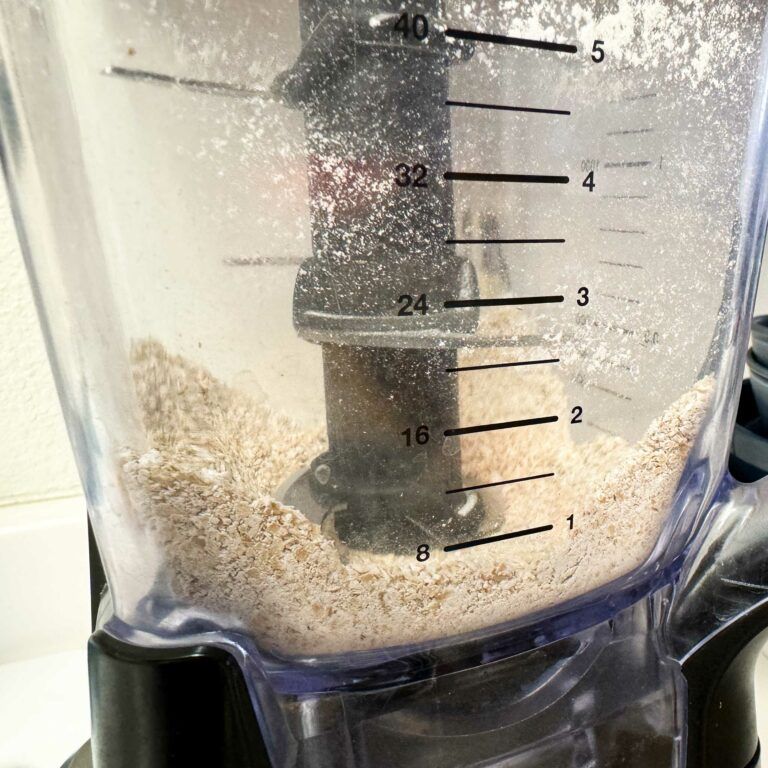
Yes! These cookies contain no all-purpose flour. The flour base is made by grinding oats into a fine oat flour, and xanthan gum acts as the binder in place of gluten. If you have celiac disease or a serious gluten sensitivity, make sure to use certified gluten-free oats, as some oats are processed in facilities that also handle wheat.
2. What does xanthan gum do in baking, and can I skip it?
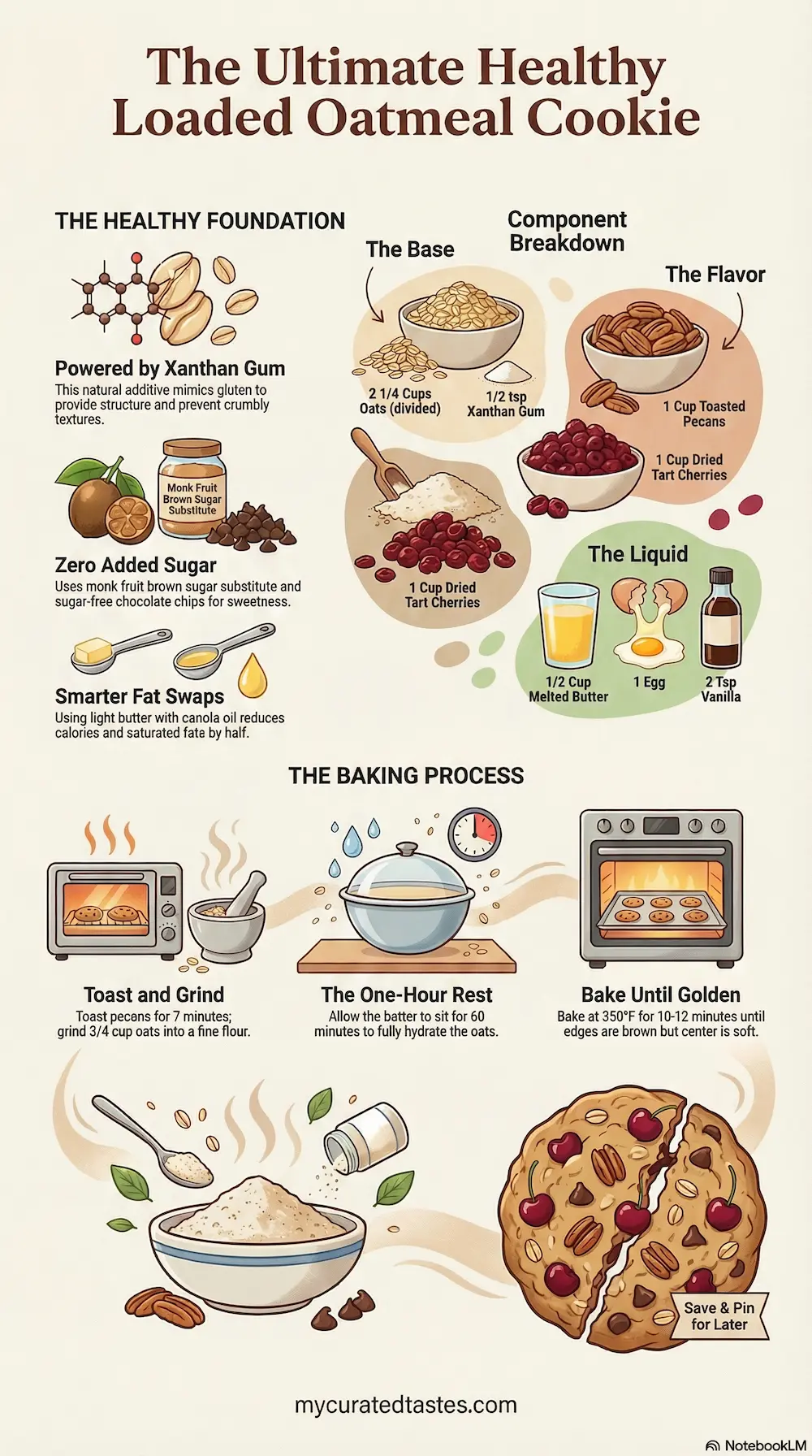
Xanthan gum is a natural food additive that acts as a thickener, stabilizer and binder — essentially mimicking the role that gluten plays in traditional baking. In gluten-free recipes, it’s what prevents baked goods from being dense, crumbly or falling apart. I would strongly recommend not skipping it in this recipe. Without it, the cookies may not hold together properly. A little goes a long way — only ½ teaspoon is needed for the whole batch.
3. Are these oatmeal cookies sugar-free?
Yes — there is no added sugar in this recipe. The sweetness comes entirely from Lakanto brown monk fruit sugar substitute and Lakanto sugar-free chocolate chips. These monk fruit-based products deliver genuine sweetness without the glycemic impact of regular sugar and without the unpleasant aftertaste of older artificial sweeteners. The dried cherries do contain natural fruit sugar, but no refined sugar is added anywhere in the recipe.
4. Can I make these oatmeal cookies without xanthan gum?
If you can’t find xanthan gum or prefer not to use it, you can try substituting with psyllium husk powder (use the same amount) or ground flaxseed (use double the amount with a little extra water). Both act as binders in gluten-free baking, though the texture may vary slightly. That said, xanthan gum is widely available online and at most grocery stores, and it’s the ingredient that gives these cookies the best results.
5. Why do I need to let the batter rest for an hour?
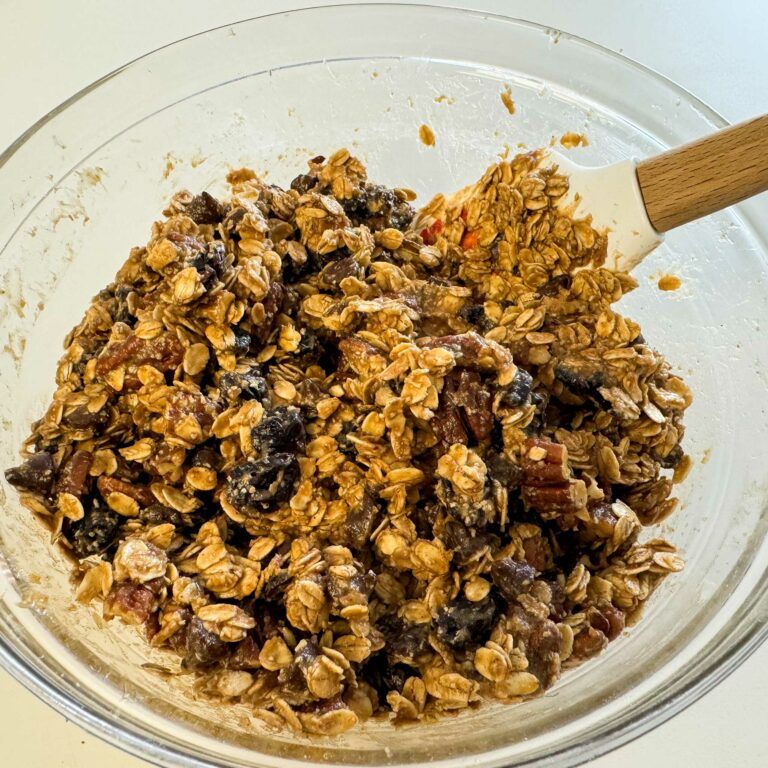
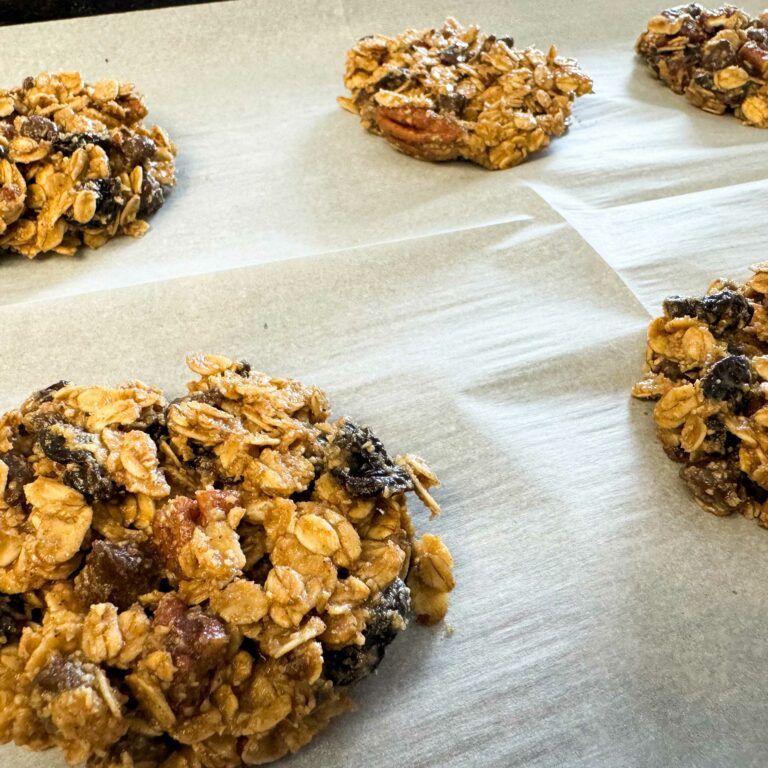
The resting time is important because the whole oats need time to absorb all the liquid in the batter. Skipping this step can result in cookies that spread too much during baking or have a wetter, less set texture. The rest also gives the xanthan gum time to fully hydrate and develop its binding properties. Plan ahead and use that hour to clean up your kitchen or prep for whatever’s next!
6. Can I use quick-cooking oats instead of old-fashioned oats?
Old-fashioned oats are recommended for this recipe because they provide more texture and structure than quick oats, which are more finely cut and tend to produce a mushier result. If old-fashioned oats are all you have, quick oats can work in a pinch, but the cookies will have a slightly softer, less chewy texture and may bake up a bit flatter.
7. Are these cookies good for people on Weight Watchers (WW)?
These cookies are a great option for Weight Watchers (WW) members. The use of Land O’ Lakes light butter with canola oil (which has half the calories and half the WW points of regular butter) and the Lakanto sugar substitute instead of real sugar makes these significantly lighter than traditional oatmeal cookies. Always calculate points based on the specific brands and portions you use.
8. How do I get my cookies to look perfectly round?
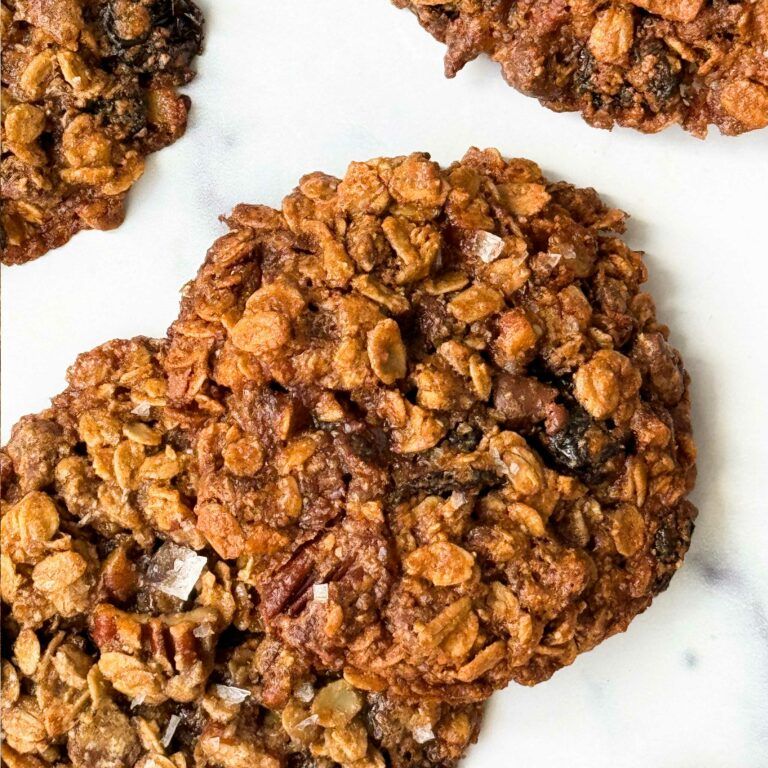
Right after the cookies come out of the oven, use the back of a spoon to gently nudge any uneven edges inward into a neat circle. You have about 60 seconds while the cookies are still warm and pliable. Let them rest on the baking sheet for 10 minutes after shaping before transferring them to a rack. This technique is completely optional but gives you that bakery-style, uniform look.
9. Can I freeze these cookies?
Absolutely! Baked cookies freeze well for up to 3 months in an airtight container. You can also freeze unbaked scooped cookie dough balls on a baking sheet until solid, then transfer to a freezer bag. Bake from frozen at 350°F, adding 2–3 extra minutes to the bake time.
10. What is monk fruit sweetener and is it safe?
Monk fruit sweetener is a natural, zero-calorie sweetener derived from monk fruit, a small melon native to Southeast Asia. It’s recognized as generally safe (GRAS) by the FDA and has been used in Asian cooking for centuries. Unlike some artificial sweeteners, it has no known negative side effects and produces no bitter aftertaste. The Lakanto brand uses a blend of monk fruit extract and erythritol for a texture and taste that closely mirrors real sugar.
 Add Us As A Trusted Google Source