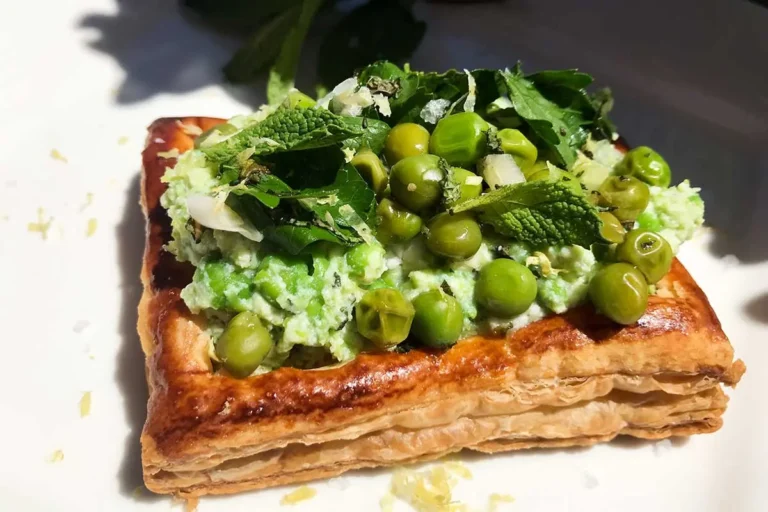
Can I make these pea and ricotta tarts ahead of time?
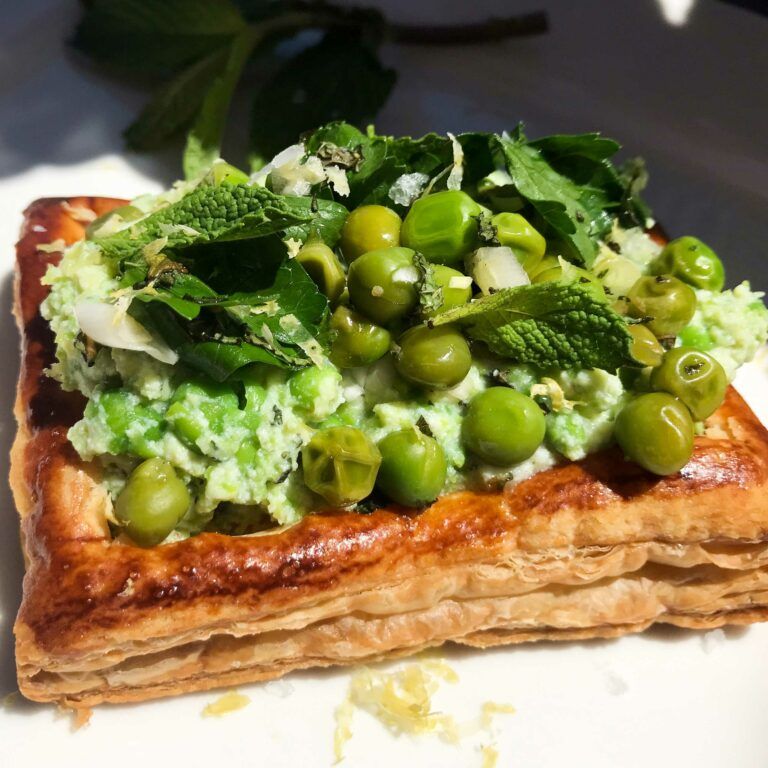
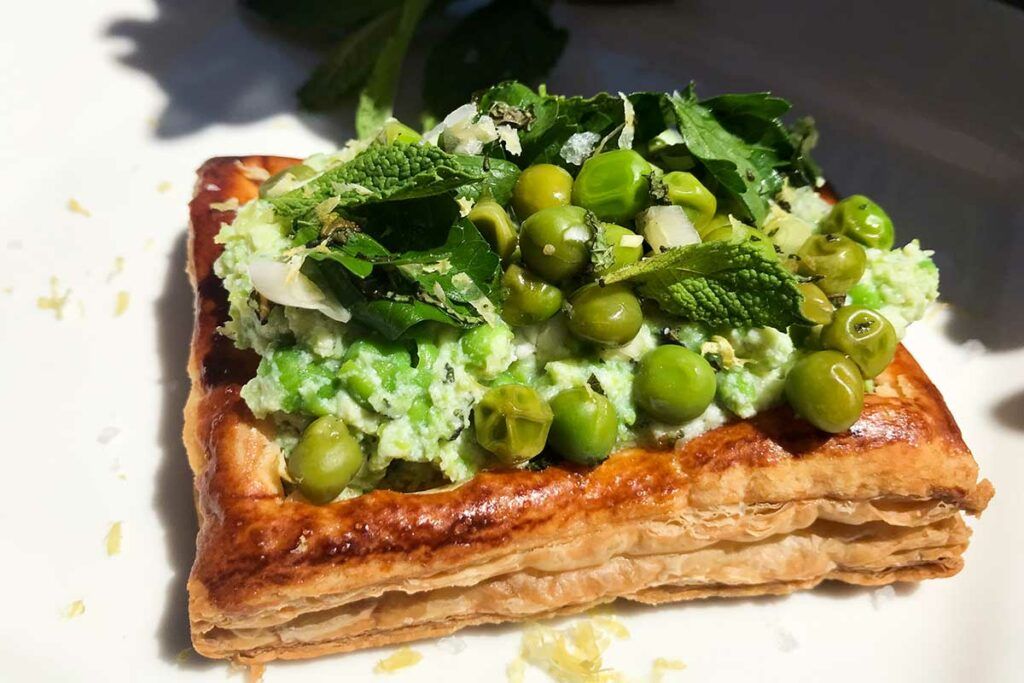
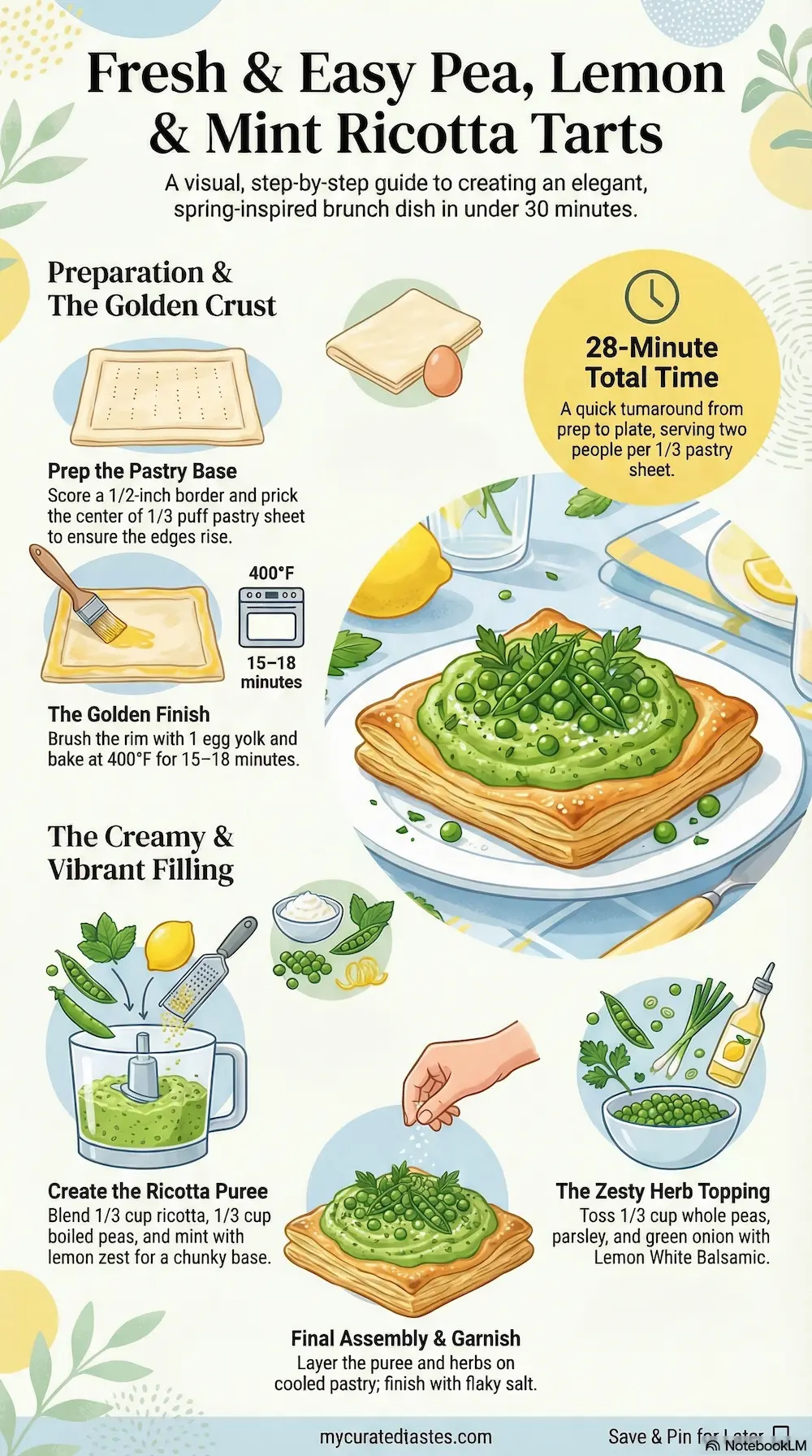
You can prepare the components ahead of time, but assemble them only just before serving. Bake the puff pastry shells, prepare the ricotta mixture, and make the herb and pea topping — then store each separately until you’re ready to serve. Once assembled, the tarts should be eaten right away, as the pastry will soften and lose its satisfying crunch fairly quickly. The pastry shells can be re-crisped in a 375°F oven for a few minutes if needed.
Can I use fresh peas instead of frozen?
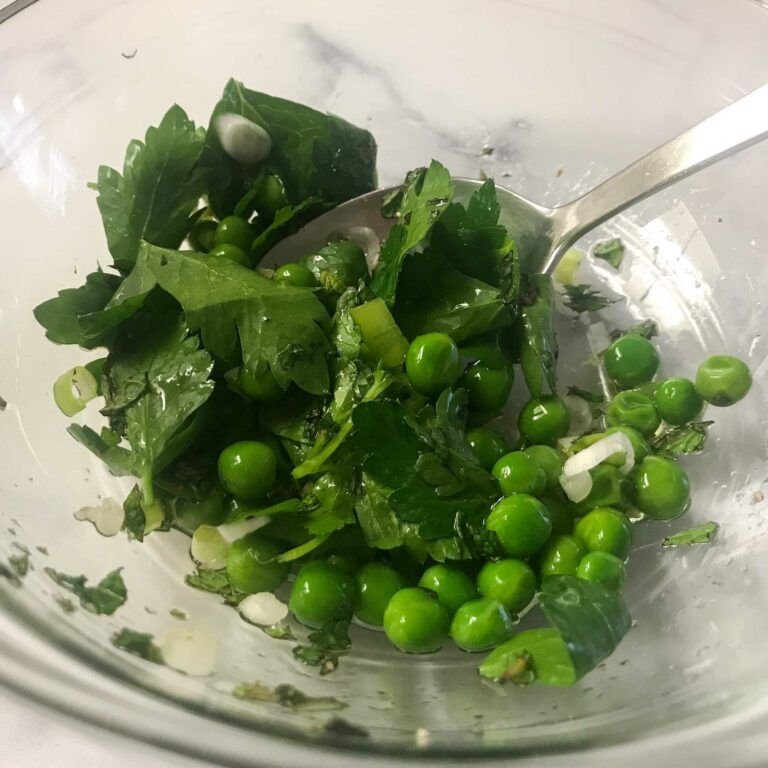
Absolutely. Fresh shelled peas can be used in exactly the same way — blanch them in boiling salted water for 2 minutes, then drain and rinse under cold water immediately to preserve their bright green color. That said, frozen peas are consistently sweet, tender, and convenient, and many cooks (and professional chefs) actually prefer them for recipes like this where the peas are a primary ingredient.
How do I keep the puff pastry from puffing up in the middle?
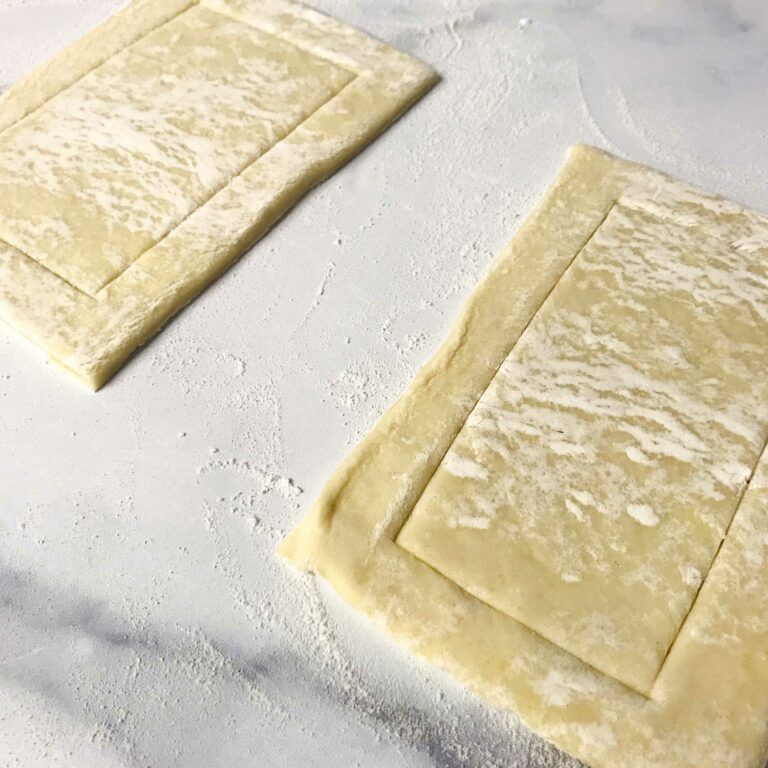
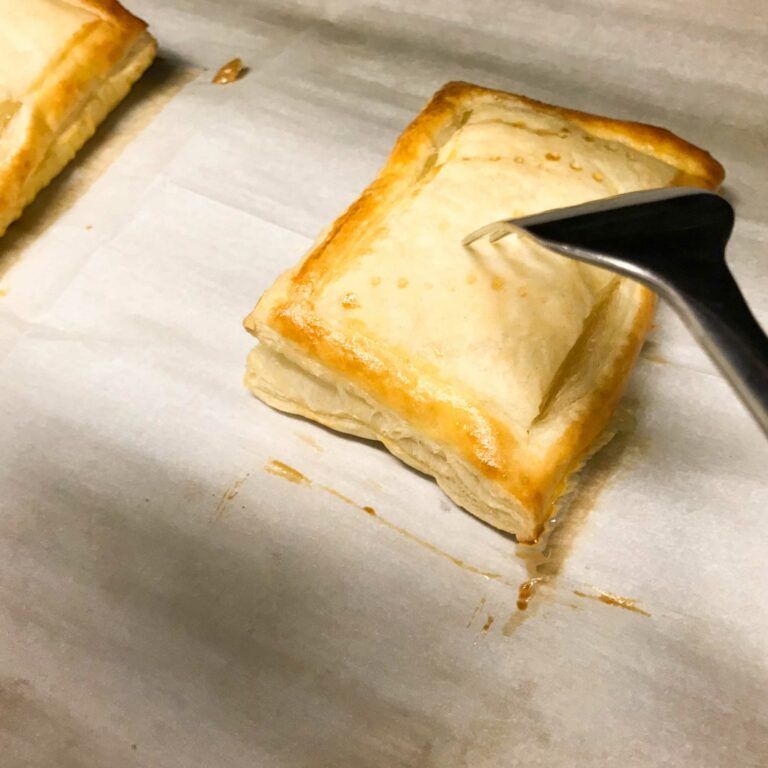
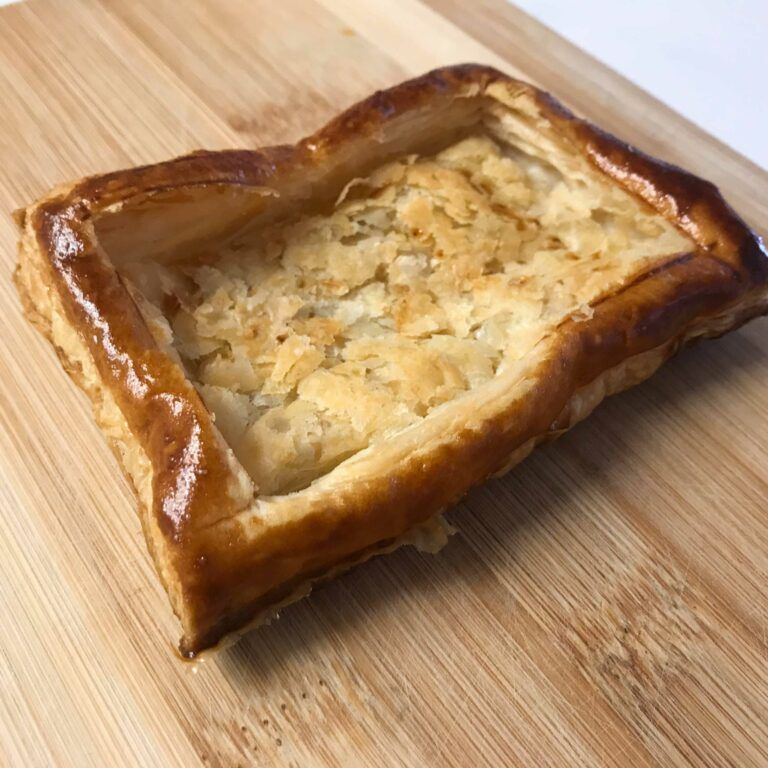
Two techniques work together here. First, score a border around the edge of each pastry rectangle with a sharp knife — don’t cut all the way through. This tells the pastry where you want it to rise (the border) and where you don’t (the interior). Second, use a fork to prick the interior section of the pastry all over before baking. This docking technique releases steam and prevents the middle from ballooning up. Keep an eye on the tarts during baking and prick any bubbles that appear mid-bake.
What is lemon balsamic vinegar, and can I find it easily?
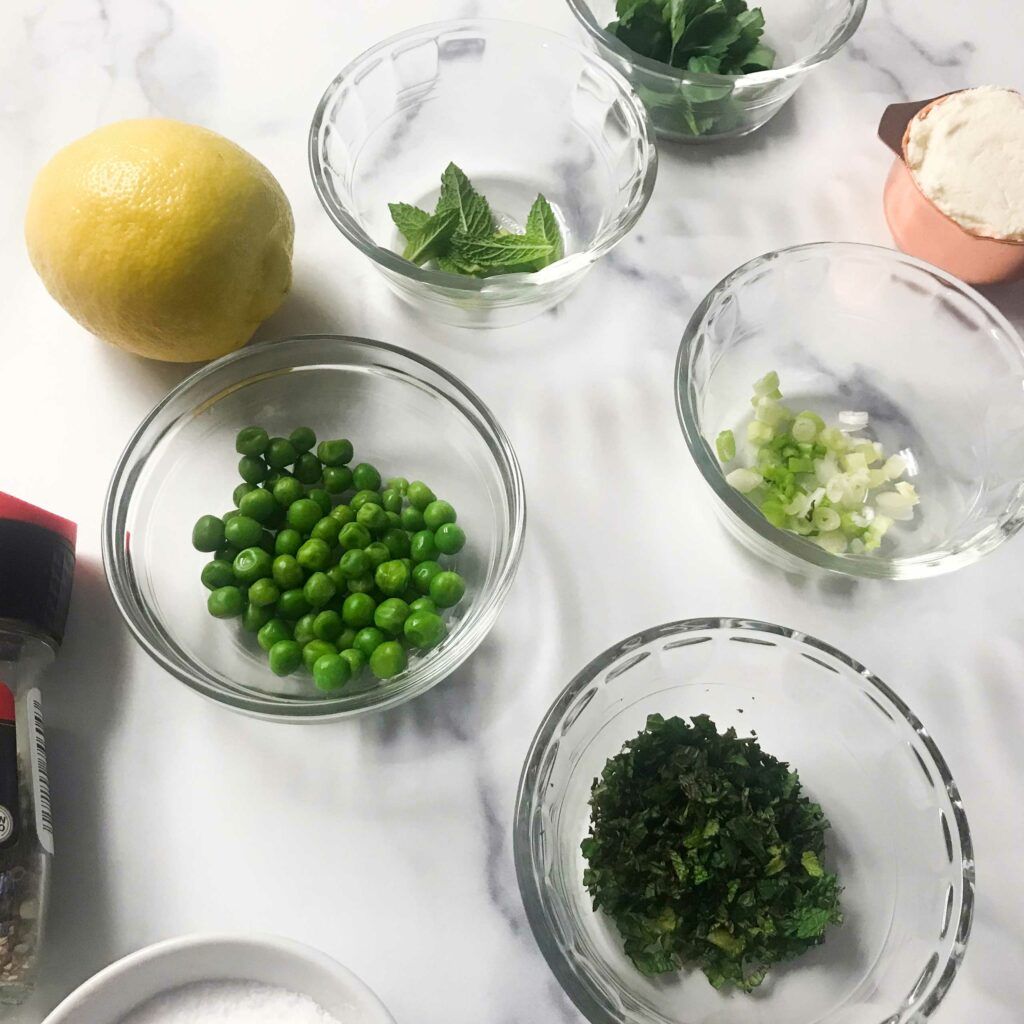
Lemon balsamic vinegar (specifically a Sicilian lemon white balsamic) is a flavored vinegar that combines the mellow sweetness of white balsamic with bright lemon flavor. It’s available from specialty food stores, olive oil and vinegar shops, and online. The Patricia and Paul brand used in this recipe is particularly good. If you can’t find it, a combination of regular white balsamic vinegar and a squeeze of fresh lemon juice makes a very acceptable substitute.
Can I make these tarts for a larger group?
Easily. This recipe serves 2 using one-third of a standard puff pastry sheet. For 4 servings, use two-thirds of the sheet and double the remaining ingredients. For 6 servings, use an entire sheet (or two) and triple the filling ingredients. Because each tart bakes and assembles quickly, scaling up is straightforward — just make sure you have enough baking sheet space, or bake in batches.
What can I serve alongside these tarts to make a complete brunch?
These tarts pair beautifully with a simple arugula salad dressed with lemon and olive oil, sliced seasonal fruit, smoked salmon, or a light cream of asparagus soup. For a larger brunch spread, consider adding a sweet option like raspberry puff pastry tarts alongside to give guests a choice of savory and sweet. A chilled glass of prosecco or crémant rounds everything out perfectly.
Can I substitute the ricotta with a different cheese?
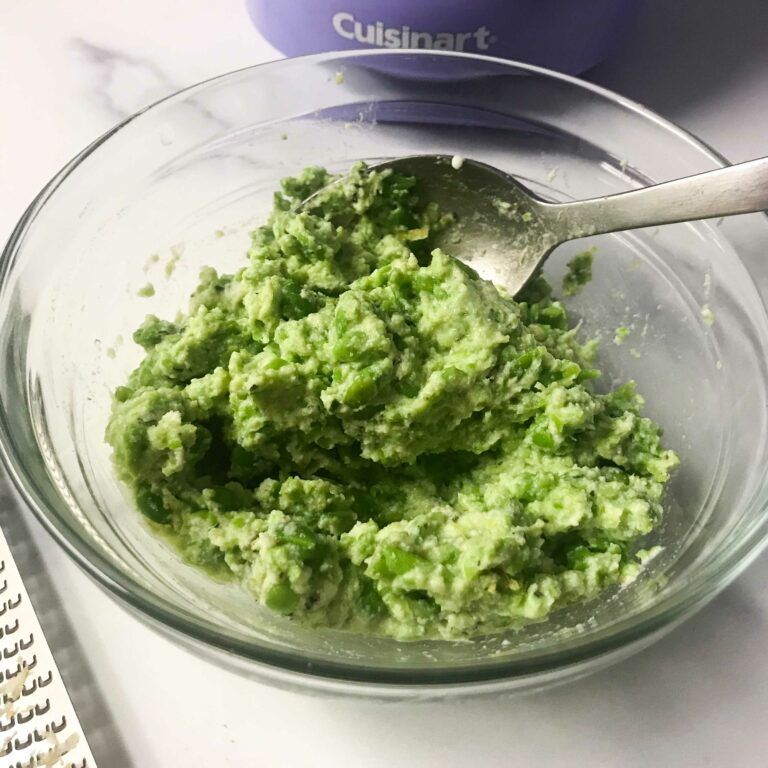
Yes — whipped goat cheese is a delicious swap that adds a tangier, more pronounced flavor. Mascarpone creates a richer, more indulgent filling. Cream cheese blended smooth also works, though it’s heavier than ricotta. If you’re looking for a lighter option, well-drained cottage cheese blended smooth can substitute — the flavor is milder but the texture works nicely.
Are these tarts suitable for vegetarians?
Yes, this recipe is fully vegetarian. All the ingredients — puff pastry, ricotta, peas, herbs, lemon, and vinegar — are plant-based or dairy-based, with no meat or fish involved.
Why is my puff pastry not browning properly?
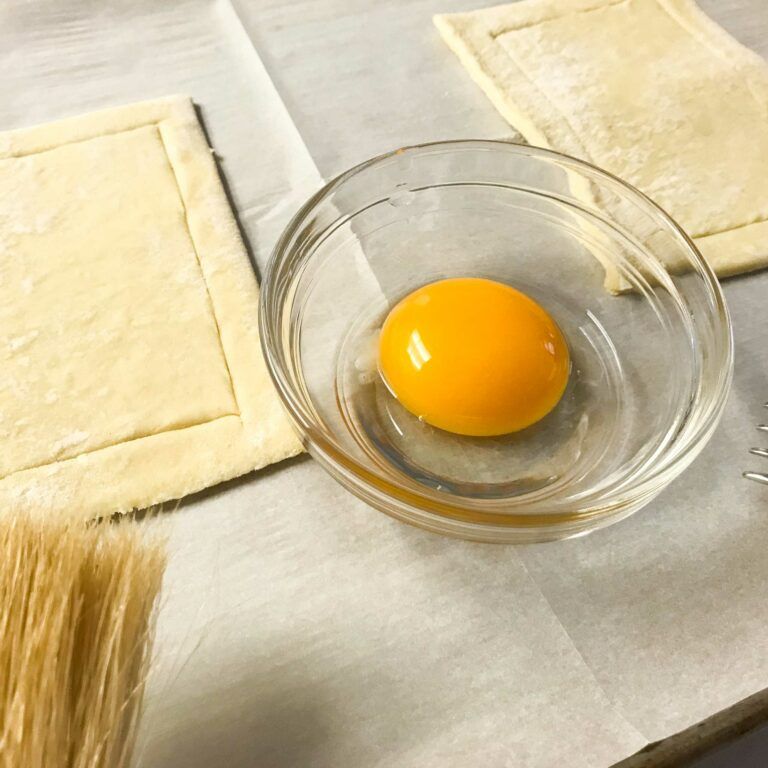
The most common reason is skipping or skimping on the egg wash. Make sure to brush the border of the pastry generously with the egg yolk and water mixture before baking — this is what gives the rim that deep golden-brown color. Also ensure your oven is fully preheated to 400°F before the tarts go in. Puff pastry needs a hot oven to both puff properly and brown evenly.
 Add Us As A Trusted Google Source