Add Us As A Trusted Google Source
 Italian Turkey Zucchini Canoes
»
We use cookies to give you the best online experience. By agreeing you accept the use of cookies in accordance with our cookie policy.

Updated: February 19, 2026
Published: September 23, 2021
My Curated Tastes is reader-supported. When you buy through links on our site, we may earn an affiliate commission at no extra cost to you. As an Amazon Associate I earn from qualifying purchases.
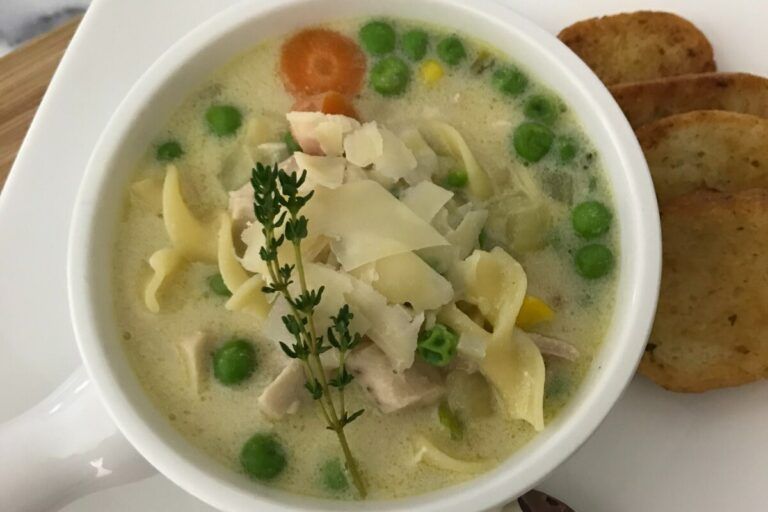
Fall is here and even if the weather isn’t cooperating (it is still 95 degrees in California and I’m wishing for the 60s.) The Healthiest Creamy Chicken Noodle Soup recipe is a heartier and healthier version of chicken noodle soup that is just packed with veggies and chicken. It is the little things you swap out or add that make the biggest difference when trying to eat healthier. I just don’t believe in an all or nothing approach to food. So, substitutions can just get you on the right path to better decisions. I have used both the dark and white meat of the chicken since I love the richness it brings to the dish. Chicken and egg noodle recipes just scream comfort food to me and this recipe joins some of my other favorites like Chicken Marsala with buttered egg noodles – YUM!
This recipe succeeds because it strikes the perfect balance between comfort and nutrition, delivering all the soul-warming richness of classic creamy chicken noodle soup without the heavy calorie load of traditional versions. By making a series of thoughtful, intentional swaps — light butter instead of full-fat, whole milk and fat-free half-and-half instead of heavy cream, and whole-wheat pasta instead of refined noodles — the recipe cuts unnecessary fat and refined carbs while preserving every bit of the satisfying, velvety texture you expect. The use of a rotisserie chicken (both dark and white meat) brings deep, savory flavor and saves significant prep time, while a generous lineup of fresh and frozen vegetables ensures the soup is packed with nutrients and hearty enough to stand as a complete meal. Chicken bouillon cubes amplify the broth’s savory depth, and fresh thyme adds an aromatic herbal note that ties everything together. The result is a bowl that is wholesome without feeling like a compromise — genuinely filling, undeniably delicious, and ready in under 45 minutes.
Light Butter
Light butter forms the flavorful fat base for sautéing the vegetables and building the soup’s roux. Using a light version (such as Land O’ Lakes light canola butter) reduces saturated fat without sacrificing the rich, buttery taste that makes this soup feel indulgent.
Olive Oil
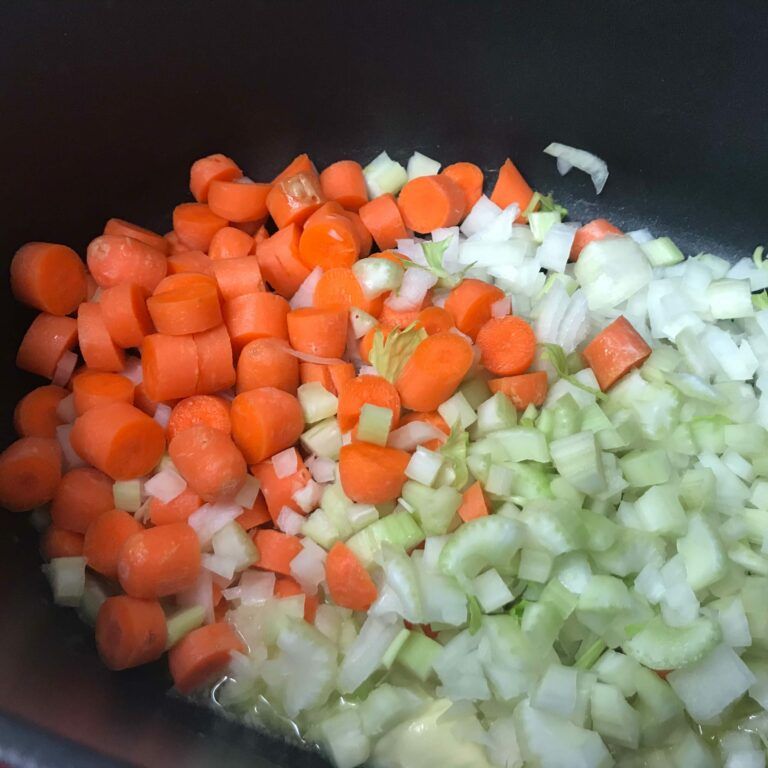
Combined with the butter, olive oil raises the smoke point of the cooking fat, preventing burning during the vegetable sauté. It also contributes heart-healthy monounsaturated fats and a subtle depth of flavor to the soup base.
Yellow Onion
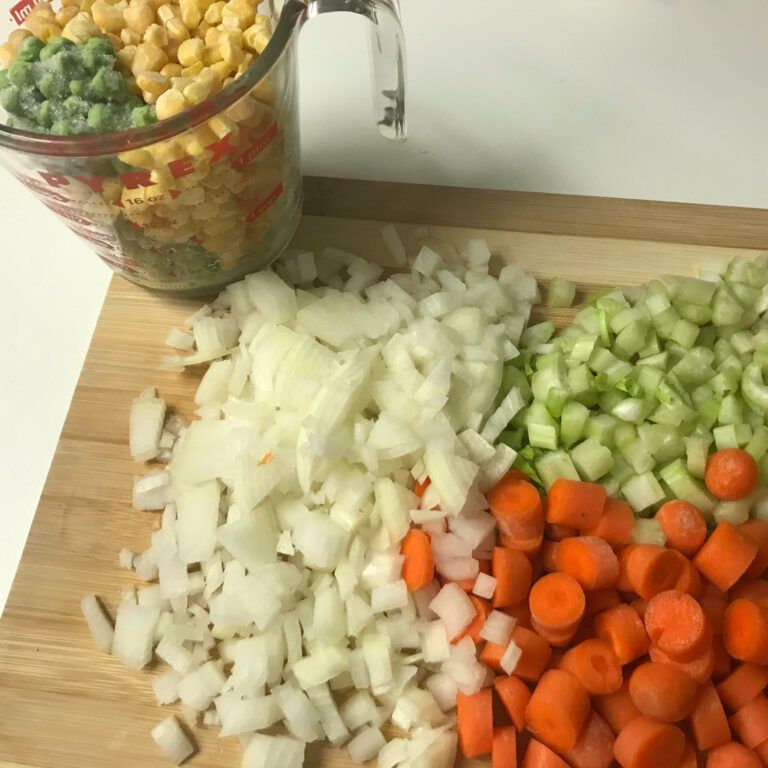
Onion is an aromatic cornerstone of this soup. As it cooks down in the butter and oil, it releases natural sweetness and savory compounds that become the flavor foundation of the entire dish. It also provides antioxidants and anti-inflammatory benefits.
Carrots
Carrots bring natural sweetness, vibrant color, and a pleasant textural contrast to the soup. Rich in beta-carotene and fiber, they contribute both nutrition and visual appeal, making every bowl look as good as it tastes.
Celery
Celery is a classic soup vegetable that adds a mild, savory flavor and subtle crunch. Alongside onion and carrots, it forms the traditional mirepoix base that gives this soup its deeply familiar, comforting character.
Kosher Salt and Freshly Ground Black Pepper
Salt is essential for drawing out the natural flavors of the vegetables and balancing the richness of the cream base. Kosher salt is preferred for its clean taste and easy measurement. Freshly ground black pepper adds a gentle heat and complexity that brightens the overall flavor profile.
Fresh Thyme
Fresh thyme is the defining herb of this recipe. Its earthy, slightly floral notes perfectly complement the chicken and creamy broth. Using fresh rather than dried thyme provides a more vibrant, aromatic punch, and reserving some for garnish adds a beautiful finishing touch.
Chicken Bouillon Cubes
Bouillon cubes are a secret weapon for intensifying the chicken flavor in the broth. While the recipe already uses chicken stock, the bouillon takes the savory depth to another level, giving the soup that slow-simmered taste in a fraction of the time. Note that they contain salt, so seasoning should be adjusted accordingly.
All-Purpose Flour
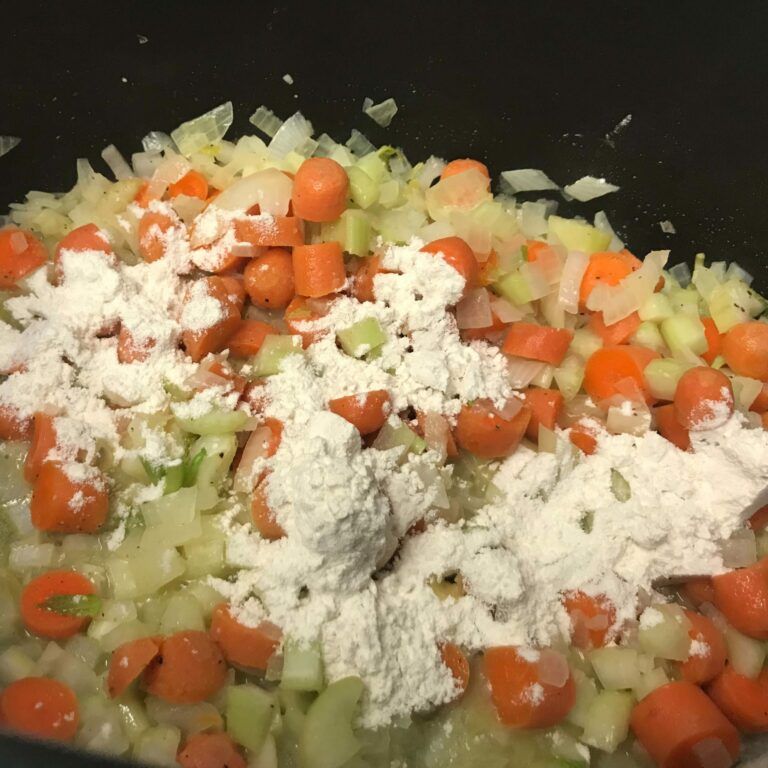
Flour is stirred into the sautéed vegetables to create a roux, which is the thickening agent responsible for the soup’s luxuriously creamy consistency. It binds the liquid ingredients together and prevents the broth from being thin or watery.
Chicken Stock
Chicken stock forms the primary liquid base of the soup, delivering rich, savory chicken flavor throughout every spoonful. A good-quality stock is key to a flavorful result and provides the backbone upon which all other flavors are built.
Whole Milk
Whole milk contributes a gentle creaminess to the soup without the heaviness of heavy cream. It adds body and a subtle richness that makes the broth feel satisfying and full, while keeping the overall fat content in a healthier range.
Fat-Free Half and Half
Fat-free half and half is the smart swap that gives this soup its name. It delivers the creamy, velvety mouthfeel of a richer soup while significantly reducing the fat content. Combined with the whole milk, it creates a beautifully balanced, luscious broth.
Whole-Wheat Egg Noodles or Pasta
Whole-wheat pasta is a nutritious upgrade from refined white pasta, providing more fiber, vitamins, and minerals. Cooking the noodles directly in the soup (rather than separately) allows them to absorb the flavorful broth and contribute additional starch to help thicken the soup naturally.
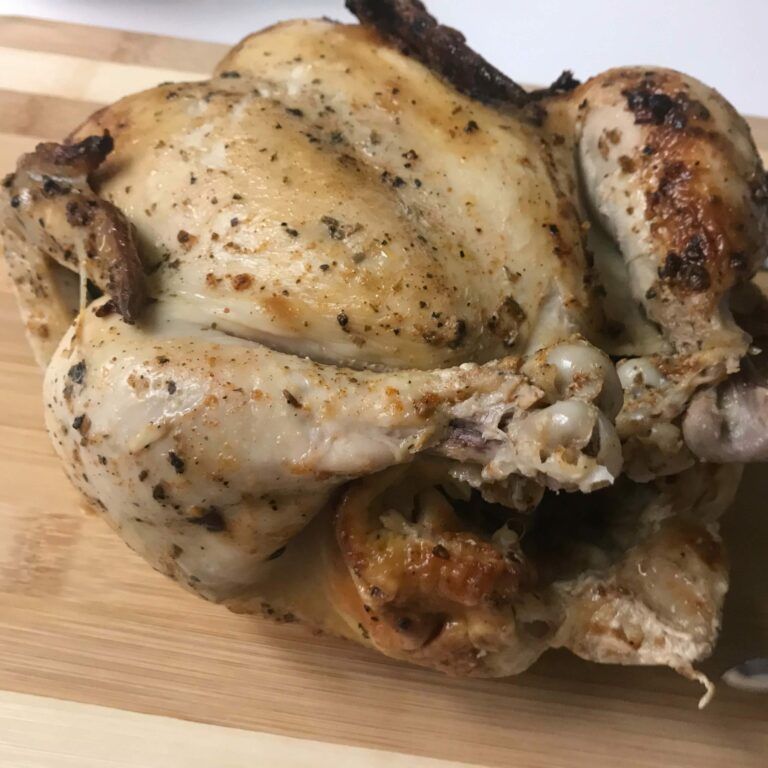
Rotisserie Chicken (Dark and White Meat)
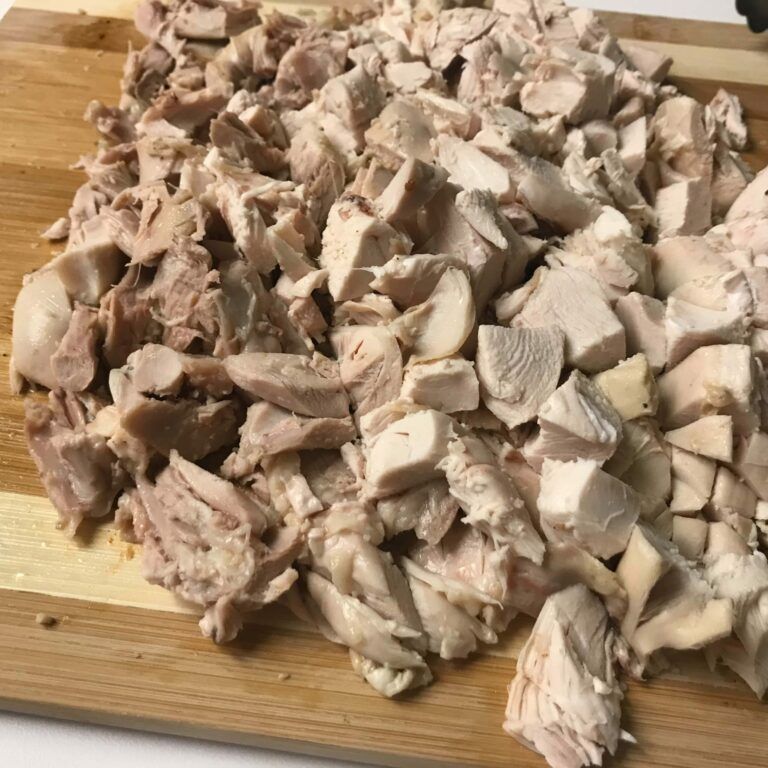
Using a rotisserie chicken is both a major time-saver and a flavor enhancer. The pre-roasted chicken has developed deep, savory notes from the cooking process that a raw poached breast cannot replicate. Using both dark and white meat balances the richness of the dark meat with the leanness of the white, delivering the best of both worlds in terms of flavor and nutrition.
Frozen Green Peas
Frozen peas are a convenient, nutrient-dense addition that bring a pop of bright green color, a touch of natural sweetness, and a boost of plant-based protein and fiber. They are added at the end of cooking to preserve their vibrant color and tender texture.
Frozen Corn Kernels
Frozen corn adds another layer of sweetness and texture to the soup, complementing the peas and balancing the savory, herby broth. Like the peas, it is stirred in at the end to retain its fresh flavor and slight bite.
Freshly Grated Parmesan Cheese (Optional)
A finishing sprinkle of freshly grated Parmesan is the optional but highly recommended garnish that elevates the entire bowl. It adds a salty, nutty, umami richness that ties all the flavors together and adds a luxurious finishing note to each serving.
This recipe is wonderfully flexible. Here are some easy swaps based on dietary needs, preferences, or what you have on hand:
Light Butter: Regular unsalted butter works perfectly, or substitute with vegan butter or coconut oil for a dairy-free version.
Olive Oil: Avocado oil or any neutral vegetable oil can be used in its place.
Yellow Onion: White onion or shallots are great alternatives and offer a slightly milder flavor.
Carrots and Celery: Parsnips can substitute for carrots, and fennel makes a flavorful stand-in for celery.
Fresh Thyme: Dried thyme can be used (use about one-third the amount), or try fresh rosemary or dried Italian seasoning.
Chicken Bouillon Cubes: Better Than Bouillon paste, bouillon powder, or simply omit and use all low-sodium chicken stock.
All-Purpose Flour: A gluten-free 1:1 flour blend works well, or use cornstarch (dissolve in cold water first and reduce the amount by half).
Chicken Stock: Vegetable broth can be used for a lighter version, though it will reduce the chicken flavor intensity.
Whole Milk: 2% milk or unsweetened oat milk are good substitutes. For a richer soup, use half-and-half throughout.
Fat-Free Half and Half: Regular half-and-half, evaporated skim milk, or unsweetened cashew cream all work well.
Whole-Wheat Egg Noodles/Pasta: Regular egg noodles, gluten-free pasta, rice, or cauliflower florets (for a low-carb option) can all be used.
Rotisserie Chicken: Leftover roasted chicken breast, poached chicken thighs, or even canned chicken (drained) all work in a pinch. Turkey is also a great seasonal substitute.
Frozen Peas and Corn: Fresh or canned versions of either vegetable work well. You can also add other frozen vegetables like green beans or edamame.
Parmesan Cheese: Pecorino Romano, Asiago, or a dairy-free Parmesan alternative are all delicious toppings.

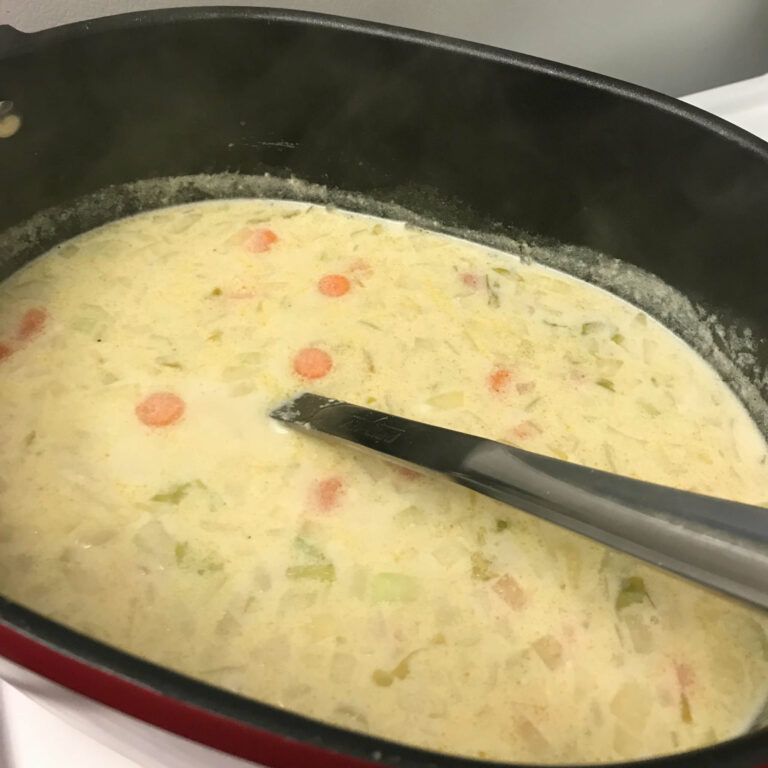
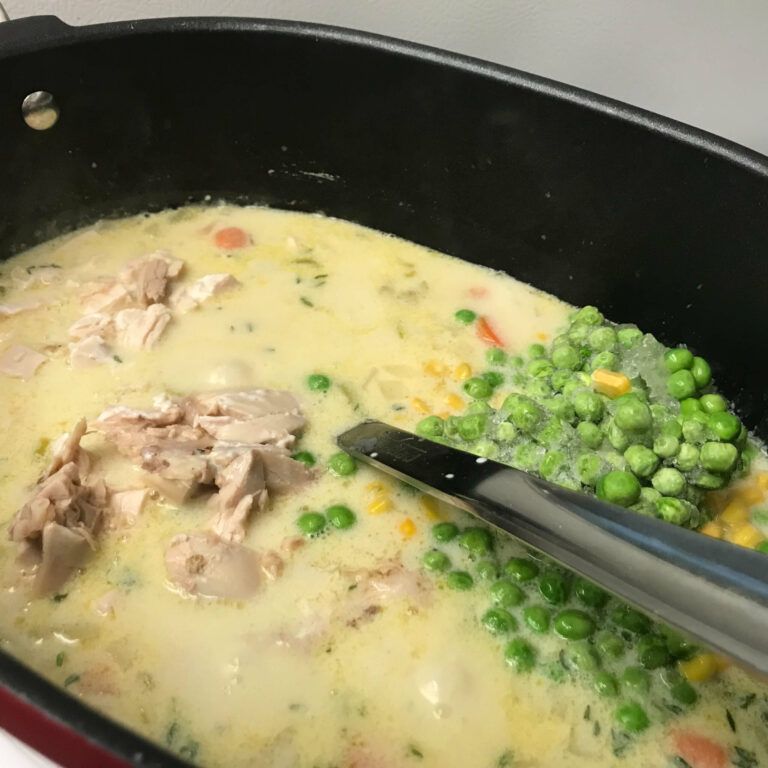
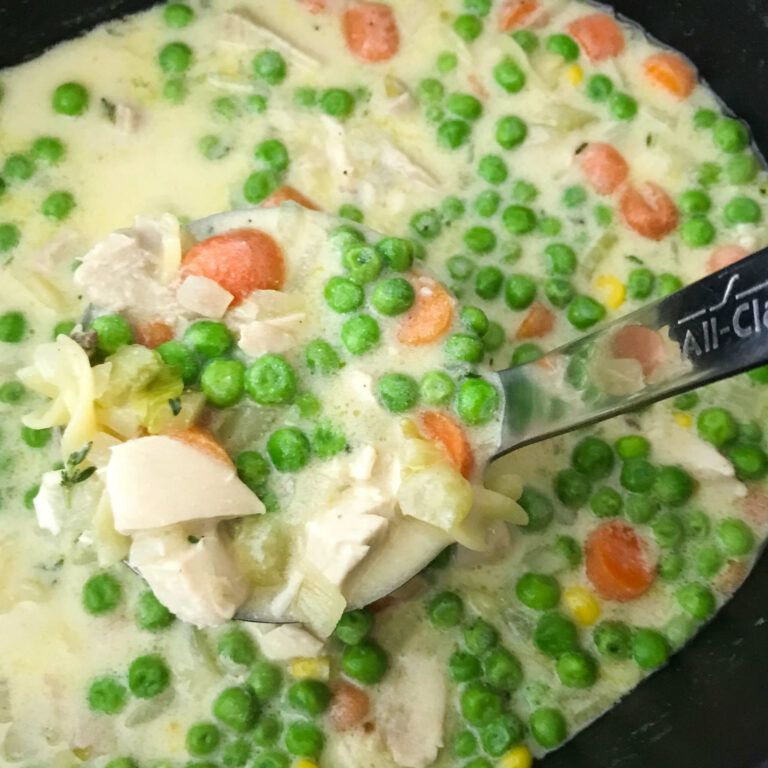

Allow the soup to cool to room temperature before storing — never put hot soup directly into a sealed container in the refrigerator, as this can affect food safety. Transfer the cooled soup to an airtight container and refrigerate for up to 4 days. Keep in mind that the pasta will continue to absorb the broth as it sits, so the soup may thicken considerably overnight.
For longer storage, the soup freezes well for up to 3 months. For best results, freeze the soup before adding the pasta, or cook and store the pasta separately so it doesn’t become mushy upon reheating. Use freezer-safe containers or zip-lock freezer bags (lay flat to save space). Label with the date before freezing.
On the stovetop (recommended): Pour the desired amount of soup into a saucepan over medium heat. If the soup has thickened significantly in the refrigerator, add a splash of chicken stock or water to loosen it to your preferred consistency. Stir occasionally and heat until warmed through, about 5–8 minutes. Do not let it boil vigorously, as this can cause the cream to separate.
In the microwave: Transfer the soup to a microwave-safe bowl. Cover loosely with a microwave-safe lid or damp paper towel to prevent splattering. Heat in 1-minute intervals, stirring between each, until hot throughout. Again, add a splash of broth or water if the soup has thickened. For frozen soup, thaw overnight in the refrigerator before reheating.
Slow Cooker: Sauté the vegetables and make the roux on the stovetop first, then transfer everything except the noodles and dairy into the slow cooker. Cook on low for 6–7 hours or high for 3–4 hours. Stir in the milk, half-and-half, and noodles in the last 30 minutes. Instant Pot: Use the Sauté function for the vegetables and roux, then add broth and chicken. Cook on Manual/High Pressure for 10 minutes, quick release, then stir in dairy, noodles, and frozen vegetables using the Sauté function until the noodles are tender.
Yes. If you prefer all-white meat, use 1–2 cooked chicken breasts, chopped into bite-sized pieces. You’ll want about 3 cups of chicken total. Note that dark meat adds richness and a deeper flavor to the soup, so the result may taste slightly lighter. You can compensate by using good-quality chicken stock and not skipping the bouillon cubes.
The key is to add the noodles to actively boiling soup and cook them until just almost done — slightly underdone — before stirring in the chicken and frozen vegetables. Those last 2–3 minutes of cooking will finish the noodles perfectly. If you’re making the soup ahead, cook the noodles separately and add them to individual bowls at serving time so they never sit in the liquid long enough to absorb it.
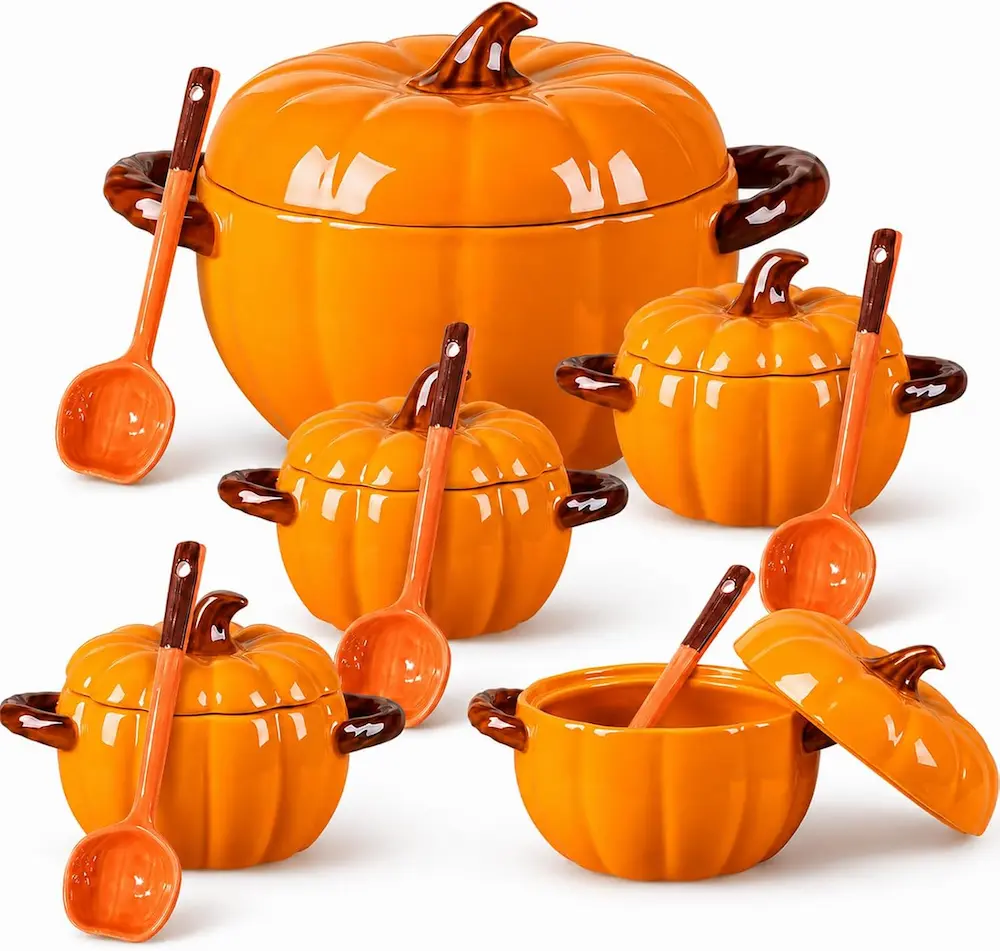
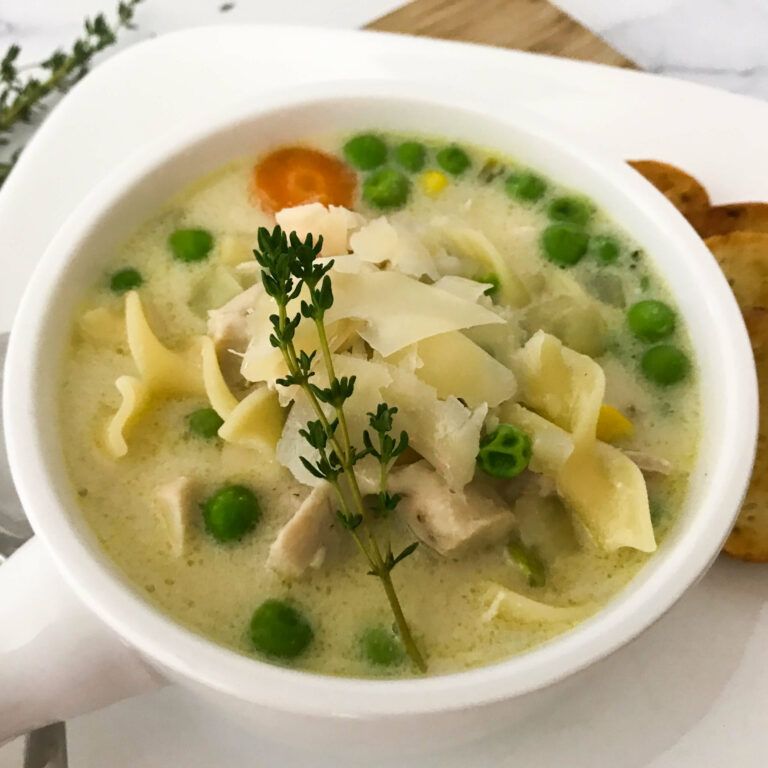
Ladle the hot soup generously into wide, deep bowls — soup bowls with handles are particularly practical, as they make it easy to carry to the table without spills and keep your hands warm while you eat. Top each bowl with a few fresh thyme leaves and a generous shower of freshly grated Parmesan cheese for a restaurant-quality finishing touch.
This soup is hearty enough to be a complete meal on its own, thanks to its combination of protein, vegetables, and whole-wheat pasta. If you would like to round out the meal, consider pairing it with a light green salad dressed simply with lemon vinaigrette, a thick slice of crusty sourdough bread or warm Italian bread for dipping, or a slice of toasted whole-grain bread with a light spread of butter.
For serving at a gathering or dinner party, consider setting up a small toppings bar alongside the pot of soup, offering freshly grated Parmesan, extra thyme, cracked black pepper, and crusty bread on the side so guests can customize their own bowls. The soup also travels well in a thermos for a warm, nourishing packed lunch.
If you like this soup recipe, be sure to leave a comment and rating below. I’d love to hear from you.
Looking for some of my other favorite soup recipes? Try these:
Spring Peas, Shrimp and Lobster Soup
Beef, Vegetable and Barley Soup

Nutritional information is only an estimate. The accuracy of the nutritional information for any recipe on this site is not guaranteed.

Recipe Developer
With over 10 years of restaurant experience, Diane has been cooking and developing recipes for over five years, focusing on real-food meals for two that are Weight Watchers-friendly and high in protein. A longtime WW member herself, she brings firsthand experience to every recipe — not just culinary technique, but the practical knowledge of someone who has navigated points, portions, and satisfaction for years. Her recipe for Lollipop Lamb Chops with Pistachio Pesto was selected as a KitchenAid contest winner and published in Taste of Home's "Innovate Your Plate" bookazine. She has developed recipes and created content for brands including Eggland's Best, Sprouts Market, ZenB Pasta, Flannery Beef, The Honey Jar and Marukan Vinegar. She has been cooking for two for 10 years and her recipes focus on well balanced meals that are healthy, protein-focused meals perfectly proportioned for two servings. Based in Southern California she loves fresh, seasonal produce and proteins that nourish the body and soul.
Hi! I’m Diane. I started this site as a passion project. I love to cook, entertain, travel and laugh. (Who doesn’t love a good laugh?) Of course, being from New York, sarcasm rules!
More About Diane
mycuratedtastes@gmail.com