Add Us As A Trusted Google Source
 Healthy Minestrone Soup
»

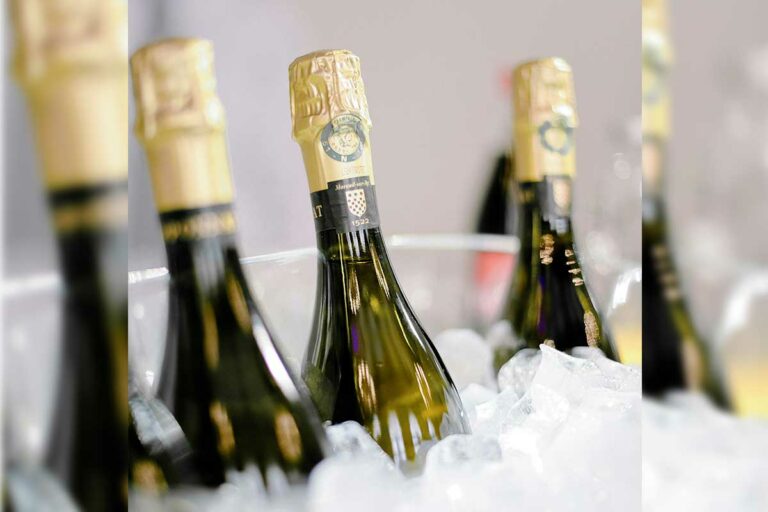
It was Thanksgiving 2019 and the family was seated around the table and passing the wine bottles – a white chardonnay for one niece, red merlot for mom. My sister in law joined us this year (I haven’t seen her in 7 years so we had a lot to catch up on.). Wendy Robinson has been is in the wine industry for years working in international sales distribution with an emphasis on major hotels and resorts worldwide. She is the founder of Nested Wines in San Francisco. Most recently, she works in the swanky town of Mill Valley in Marine County hand selling some of the finest wines from around the world. Her clientele “knows their stuff”. I, on the other hand, was about to get a lesson on a sparkling wine I never heard of: Cremant.
In passing, I mentioned a celebrity who was promoting a Prosecco on instagram. Wendy quickly jumped in to suggest that I try a Cremant. I’m always up for something new and I had never even heard the word Cremant. She told me how the sparkling wines were made in areas around Champagne and that they were reasonably priced and could be found anywhere. She told me how she preferred the wine to the much more, crisp and bracing Italian counterpart: Prosecco. I knew Wendy had spent a significant amount of time in France so I was intrigued.
Now, I’ve had Prosecco dozens of times. Whether I’m at a brunch or holiday function, or raising a glass in a toast or getting it at a hotel check in, it seems to be everywhere. Because it is so affordable, I’ve often offered it at my own home. Not to mention, it is advertised and promoted everywhere. So, what was up with this Cremant? I was on a mission to learn more.
Originally, it referred to a certain style of sparkling wine produced in Champagne, with the second fermentation. The biggest difference is taste. While classic Champagne is crisp and effervescent, Crémants are often described as creamy. You still get the bubbles but it is subtler than traditional Champagne and much “softer” than the Italian Prosecco.
Crémant refers to any sparkling wine made around the Champagne region in France. Only sparkling wines made in Champagne can be called such. Crémants can be made in seven regions in France: Crémant de Bordeaux, Crémant de Die, Crémant du Jura, Crémant de Limoux, Crémant d’Alsace, Crémant de Loire, and Crémant de Bourgogne. Crémant d’Alsace is the best-known region, and produces more than 50 percent of all French Crémant.
All Crémant regions have their own rules regarding how the wine is made but they all have a couple of things in common: hand-harvested, aging limits and dosage limits. However, if you talk to the wine experts, they’ll tell you that Crémants vary from region to region based on the types of grapes used. Cremant can be made with more than the traditional Champagne grapes usually used: Pinot Noir, Pinot Meunier and Chardonnay. That makes for exciting, fun to taste choices.
As with any wine, quality can vary but taste testing can be fun! The cost of Cremant is also surprising. Often you can find a great bottle for under $20. Needless to say, that’s a lot less expensive than a similar bottle of Champagne. Cremant and Prosecco are similarly priced so it comes down to taste for me.
So, I went on a search for my first bottle of Cremant. Not as easy as I thought. Prosecco lined every shelf in every supermarket I went to. (Obviously, they have the Advertising and Marketing aspect down pat.) Champagne was readily available and the “good stuff” was under lock and key. But, where was the Cremant? I did find one bottle in Ralphs tucked away next to a Cava Sparkling Wine (That’s a Sparkling Spanish wine. Look for future posts on that choice.) I finally decided I had to hit the local Bev Mo, Trader Joes and Wholefoods. I still came up empty. What was a girl to do?I Googled of course, and found the “mother load” at wine.com.
I was able to order and sample dozens of brands but to save time, I reached out to Wendy for some recommendations. Here is her hand picked list to get you started.
– M. Bonnamy – Brut Rose Cremant de Loire NV (750ml)
– Michel Olivier brut crémant de limoux languedoc roussillon
– Crémant de Bourgogne, Louis Bouillot, Perle d’Aurore, Brut Rosé MV
– La Petite Marquise Crémant de Loire Brut
Prosecco’s light, fresh, and fruity character makes it incredibly versatile for food pairings. The wine’s crisp acidity and delicate bubbles complement rather than overpower dishes, making it perfect for aperitifs and lighter fare.
Appetizers and Light Bites Prosecco shines with antipasti platters featuring prosciutto, fresh mozzarella, and bruschetta. Perfect with my Honey, Peach, Prosciutto & Mozzarella Skewers. The wine’s effervescence cuts through creamy cheeses while its fruit-forward profile enhances cured meats. Try it with arancini, stuffed olives, or a classic Frozen Orange Aperol Spritz alongside cicchetti.
Seafood and Fish The wine’s bright acidity makes it an excellent match for raw preparations like crudo, sashimi, or oysters. Grilled prawns, cast iron scallops, and light fish dishes like sole or sea bass work beautifully. Prosecco also pairs wonderfully with sushi and seafood risotto.
Salads and Vegetables Fresh salads with citrus vinaigrettes, caprese salad, and grilled vegetables are natural companions. The wine’s lightness doesn’t compete with delicate greens, while its acidity complements tomato-based dishes and herb-forward preparations.
Pasta and Light Mains Prosecco works well with pasta dishes featuring cream sauces, pesto, or light tomato preparations. Think carbonara, cacio e pepe, or pasta with fresh herbs and olive oil. Try it with my creamy garlic parmesan pasta with peas & prosciutto. It also complements white pizza and light chicken preparations.
Desserts The wine’s natural sweetness pairs beautifully with fruit-based desserts, panna cotta, or light pastries. Fresh berries, peach tart, lemon olive oil cake, or lemon sorbet create harmonious combinations that don’t overwhelm the palate.
Crémant’s more complex flavor profile and traditional method production create opportunities for sophisticated food pairings. The wine’s yeasty, biscuity notes and finer bubbles can handle richer dishes while maintaining elegance.
Refined Appetizers Crémant’s complexity shines with elevated starters like foie gras, smoked salmon spread, or caviar service. The wine’s structure can support rich pâtés and terrines, while its acidity cuts through creamy textures. Cheese soufflés and gougères are classic French pairings.
Shellfish and Crustaceans The wine’s mineral qualities and fine bubbles make it exceptional with oysters, langoustines, and lobster. Crab cakes, sea urchin, and other premium shellfish preparations benefit from Crémant’s sophisticated character and cleansing effervescence.
Poultry and White Meats Roast chicken with lemon and herbs, turkey, or duck breast pair beautifully with Crémant’s depth and complexity. The wine can handle herb-crusted preparations, creamy sauces, and even light game birds. Coq au vin blanc or chicken with morel mushrooms are excellent matches.
Creamy and Rich Dishes Crémant’s structure allows it to complement cream-based sauces, butter preparations, and rich fish dishes like my Salmon Oscar or tuna. Dishes with hollandaise, beurre blanc, or cheese-based sauces work particularly well.
Aged Cheeses and Charcuterie Unlike Prosecco, Crémant can handle more assertive cheeses like aged Comté, Roquefort, or Camembert. The wine’s complexity complements artisanal charcuterie boards and can stand up to stronger flavors without being overwhelmed.
Elegant Desserts Crémant pairs beautifully with sophisticated desserts like crème brûlée, macarons, or fruit tarts with pastry cream. The wine’s yeasty notes complement almond-based desserts, while its acidity balances rich chocolate preparations. It’s perfect with Gâteau Invisible (Invisible Apple Cake).
Why not turn your love of bubbly into a full-on social event? A Prosecco vs. Crémant tasting is one of the most fun and easy parties you can throw — no sommelier required, just great wine, great food, and great company.
Setting the Scene
Keep it intimate — six to ten guests is the sweet spot. Set up a long table or a few smaller stations with white tablecloths (bubbles look stunning against white), small chalkboard signs labeling each wine, and plenty of stemware. Flute or tulip-shaped glasses work beautifully for both wines, and you’ll want at least two glasses per person so guests can compare side by side without having to rinse between pours.
Choosing Your Wines
Pick two to three bottles of Prosecco and two to three Crémants so guests can really explore the range. For Prosecco, choose one entry-level bottle and one Asolo Prosecco DOCG for comparison. For Crémant, try to represent different regions — a Crémant d’Alsace alongside a Crémant de Loire or a Crémant de Bourgogne will show guests just how different the styles can be. Wendy’s recommendations above are a perfect starting point.
Serve everything chilled at around 40-45°F (6-8°C) and keep bottles in ice buckets on the table so they stay perfectly cold throughout the tasting.
The Tasting Order
Start with the Prosecco before moving to the Crémants. This makes sense because Prosecco’s lighter, fruitier profile is a natural entry point, and the more complex, biscuity notes of the Crémant will really stand out in contrast. Have guests note the bubble size, aroma, and finish of each wine — you can even print simple tasting cards so everyone can jot down their impressions and cast a vote for their favorite at the end.
Pairing the Food
This is where the party really comes alive. Build your spread around the food pairings I recommended in this post, and organize them to complement each flight:
With the Prosecco pour, set out the Honey, Peach, Prosciutto & Mozzarella Skewers — the fruity, fresh profile of Prosecco is absolutely made for that combination. Add a platter of light bruschetta and some cast iron scallops if you want to show off a seafood pairing. The Creamy Garlic Parmesan Pasta with Peas & Prosciutto makes a gorgeous small-plate option that guests can sample alongside their glass.
With the Crémant pour, bring out the heavier hitters. The Alaskan Smoked Salmon Spread with crackers is a natural match for Crémant’s mineral, yeasty complexity. Offer a cheese board that includes aged Comté or Camembert — unlike Prosecco, Crémant can absolutely hold its own against more assertive cheeses. If you want to impress, serve small portions of the Salmon Oscar, which pairs beautifully with Crémant’s richer structure.
For dessert, set out the Lemon Olive Oil Cake with Balsamic Raspberries alongside both wines so guests can do their own final comparison. The Crème Brûlée and the Gâteau Invisible (Invisible Apple Cake) are both elegant finishes that let the Crémant really shine.
The Grand Vote
At the end of the night, have everyone reveal their tasting notes and cast their vote: Team Prosecco or Team Crémant? You might be surprised — people who walked in expecting to prefer the familiar Italian bubbly often leave completely converted to the French side. Either way, everyone wins.
The beauty of this kind of event is that it’s low-pressure, highly interactive, and endlessly delicious. Plus, your guests will leave knowing so much more about sparkling wine than when they arrived — and that makes for a party worth talking about long after the last bottle is empty.
I’m planning on ringing in the new year with a glass of Crémant. Ooh Lah Lah! Let me know what you think. Did you try any of the recommendations? I’d love to hear from you. Leave a comment and rating below.

Hi! I’m Diane. I started this site as a passion project. I love to cook, entertain, travel and laugh. (Who doesn’t love a good laugh?) Of course, being from New York, sarcasm rules!
More About Diane
mycuratedtastes@gmail.com